The “third wave” of modern Indian food is here!

Semma’s New York Times accolade as the top of 100 in NYC, TresInd Studio’s 3 prestigious stars, the coming of age of restaurants such as Comorin Mumbai… are all precursors to a new serve of contemporary Indian dining — playing not on novelty but memory. Exit foam and fermentation, competitive foraging, pointless petals, laboured constructs and pantries. It’s time to spotlight “the small nuances” of community based cuisines.
By Anoothi Vishal
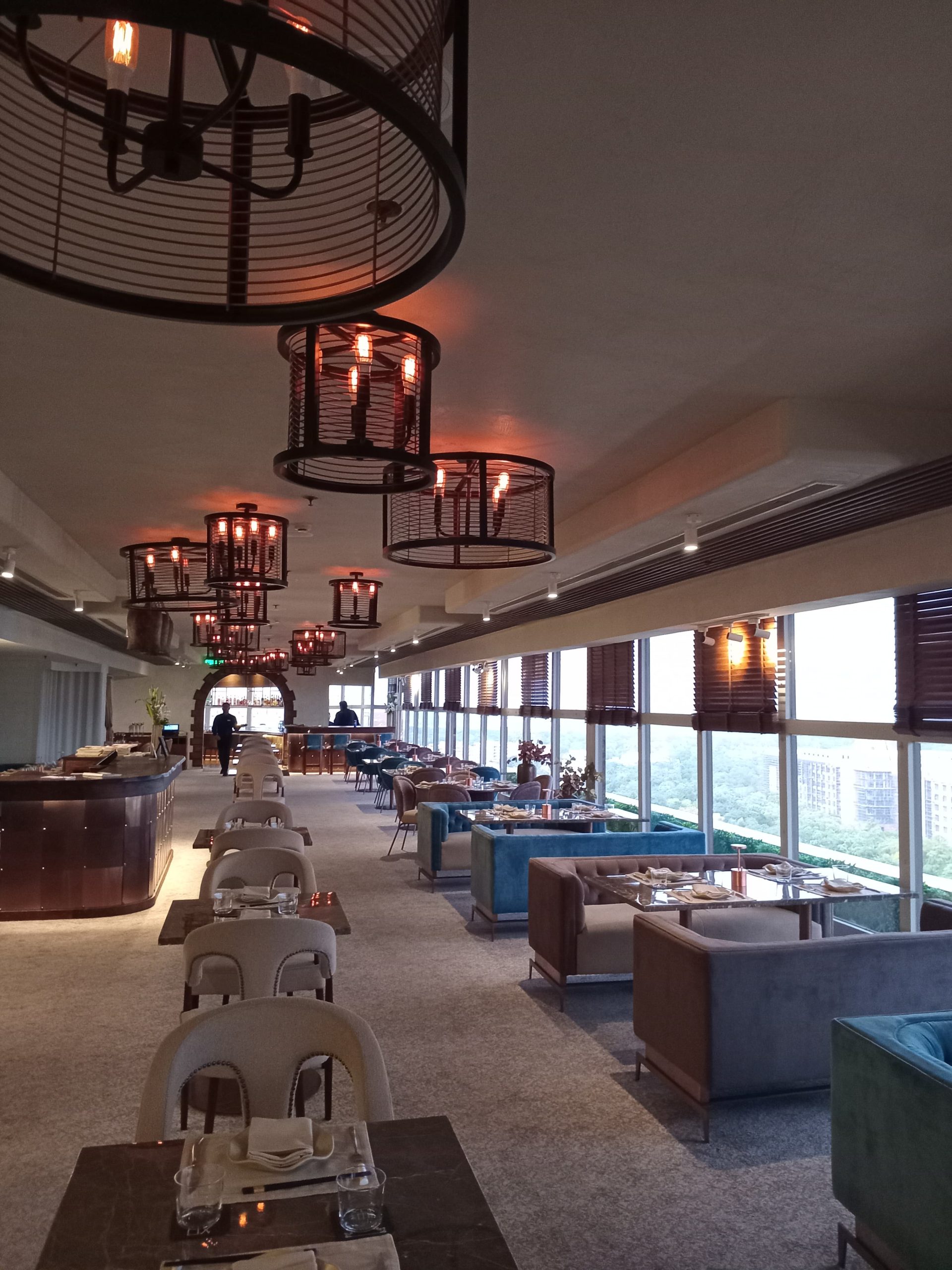
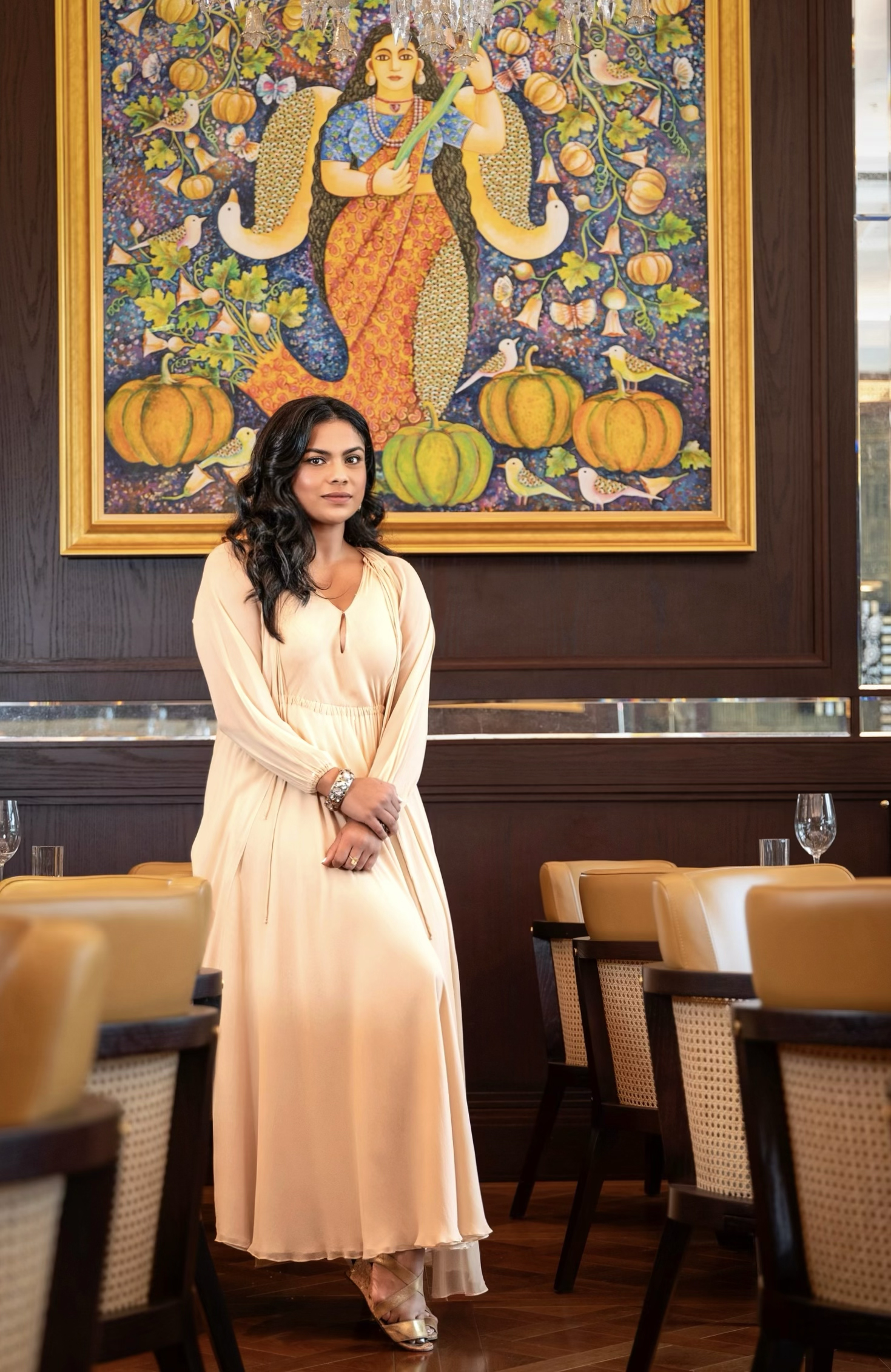
It is at Comorin, newly-opened in Mumbai within the expansive Nilaya Anthology surrounded by art and design and a sense of glamour, that it strikes me, conclusively: We are entering what may be in the future defined as the “third wave” of modern Indian restaurant dining.
And it is channeling the “small nuances” of the past with dishes that resonate with cultural memory instead of being show-offy or self-conscious. Of late, a lot of Indian gastronomy has been self-conscious: competitive, in a seeming race to leave us, the diners, impressed, hungry for validation, even though there’s been more experimentation, and more discovery of erstwhile marginalised ingredients in the last five years than in the hey day of the tikka and the Goan fish curry. 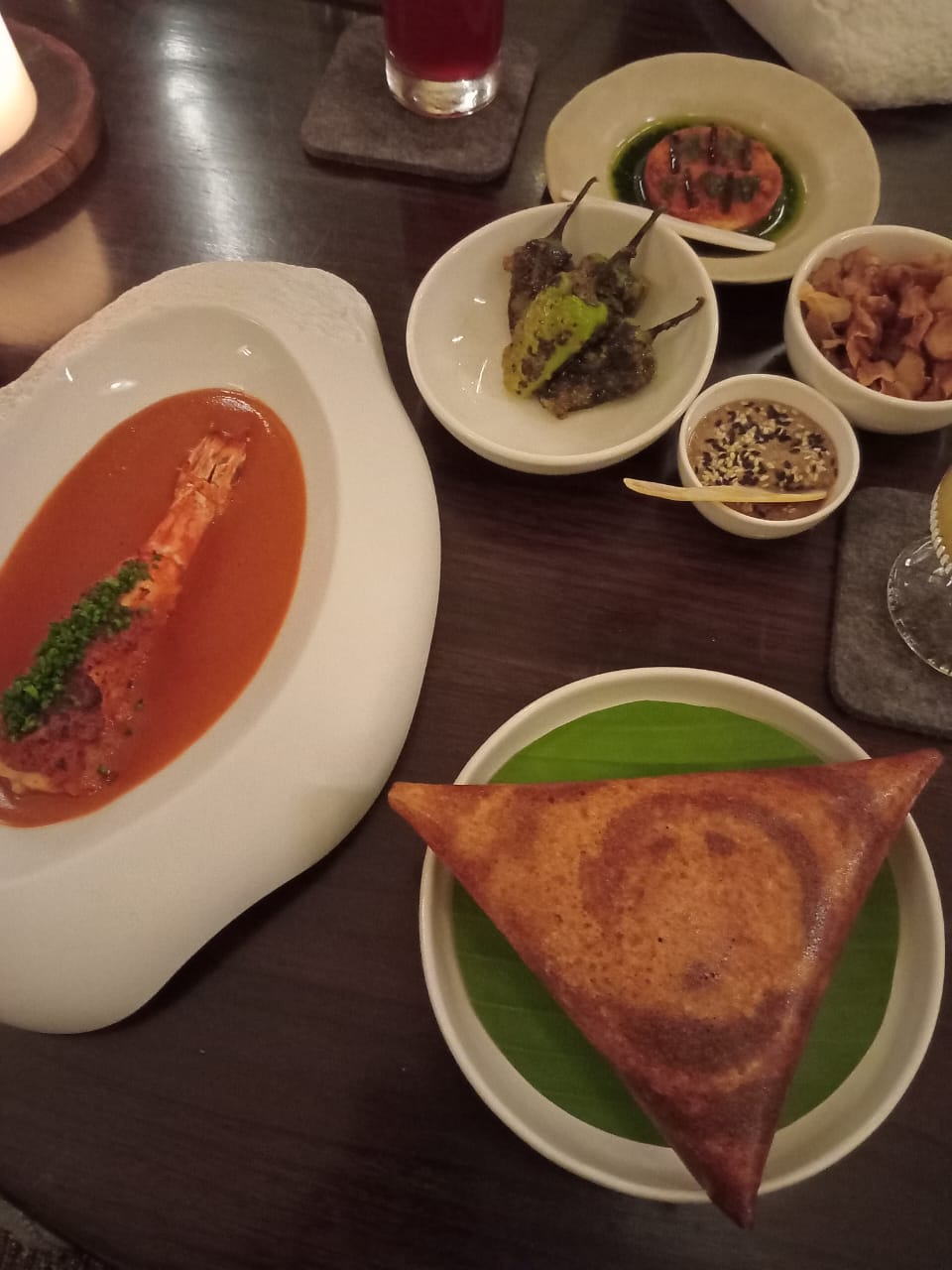
But. When creativity becomes derivative, force-fitted, it is artifice. We’re now at a point where experimentation is often just contrived plates and story telling trying to substitute for an indepth understanding of (and skill at) Indian food that resonates with the actual communities that are its custodians. At its heart, Indian cuisine is about the many nuances “of the small micro-cuisines of different communities”, as the always-perceptive Ritu Dalmia puts it—yet only baby steps have been made as yet to bring all these to the table to aspirational or global diners, in contrast to other attempts at creating “modern Indian”, where the plates are in fact individualistic interpretations so much so, that while hyperlocal ingredients and personal recollections may be plated up, you may be left wondering, “but is it Goan”, as food critic and authority on Goa’s cuisines Odette Mascarenhas questions, or Bengali or Tamil or such?
As many young Indian chefs, trained in global cuisines and techniques, take inspiration from what may be “borrowed” thought processes of global greats to create a type of modern Indian, you have to ask what is Indian? And whether derivative tropes and labs in lush Himalayan foothills modelled on Scandic avant garde do justice to the depth of the country’s complex culinary culture, defined not merely by a diversity and plentitude of ingredients (thus rendering the politics of fermentation a bit suspect and certainly less effective) but by the layered spicing and flavours and slow cooking techniques to concentrate these, which are pretty unique!
It’s time for such second-hand internationalism to be rethought and for Indian chefs to begin to forge a new language that can channel the inherent depth of what makes Indian food “Indian”, and communicate this to diners within and without. Luckily, and increasingly, there’s a wave of restaurants and chefs ready to look inward and indepth, even as they plate up contemporary restaurant food.
The Third Wave
The two waves of “modern” Indian restaurant food (though inventiveness has always been a tradition within Indian cuisines that thrive on improvisation even in day-to-day execution by the same cook) that have been uber influential since 2008 have derived their core thought and practice from such internationalism.
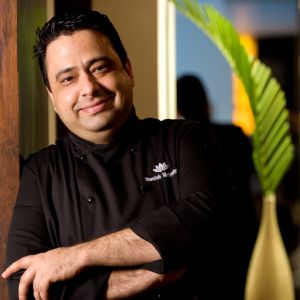
2008-2010 saw a play on form. Familiar flavours presented in clever ways with chef Manish Mehrotra and Gaggan Anand emerging as the most influential Indian chefs of the decade and changing the way stodgy curries and kebabs were served.
Molecular Gastronomy and the influence of London’s Michelin starred restaurants that played with expensive local/European ingredients played a part in the emergence of this modern Indian, now copied ad nauseum, with considerable less flair.
Manish Mehrotra, extremely rooted in the Indian milieu, with an innate understanding of the Indian palate (“if the chaat walla does not give crisp gol gappa, the common man will slap the plate down … texture is so innate to Indian food even if people cannot articulate it,” he told a rivetted audience at a roundtable on legacy dining by TFTA) has a rare gift to construct “true” layered flavours — where every element on the plate adds up to represent a regional culture. But not every chef who has tread this path is as gifted.
Then, around 2014-2016, a handful of chefs who had staged at Noma, put the focus on ingredients. It was needed too to escape the tyranny of aloo. Over the last 8-9 years, we have now seen the pantry explode with new discoveries of the hyper-local, and a new genre of “Indian” cooking has emerged, treating these ingredients with global techniques and an accent on constructing flavours via fermentation, that has been enjoying a renaissance with a global interest in Scandic, Korean and Japanese cuisines. But do ingredients alone make Indian food?
Many chefs now cooking this “modern Indian” food, seem to assemble dishes from disparate elements inspired by personal memories. Not trained in Indian cooking, they substitute the layered understanding of its depth with storytelling and technique. But the food does not have a deep cultural resonance. And sometimes clearly logic defying constructs such as pork belly with cultured butter (!) get extolled by social media hype—at the expense of more truthful Indian food.
Modern Indian has a responsibility
As the pantry and techniques gets weaponised, and as obscure dishes and ingredients get plated sans cultural depth, a Third Wave of “modern” Indian is on the anvil to reclaim the role of food as a keeper of memory and a forger of emotional connections.
Some of the most successful Indian chefs, a handful albeit, are attempting to dive deeper into legacy cuisines of communities, spicing nuances and plating up what Ritu Dalmia calls “the small nuances of Indian food”. “It’s still baby steps,” as she adds, but nevertheless, the third wave may just explore the heart of India’s culinary culture, and serve it up to the world without referencing any one else’s thought process.
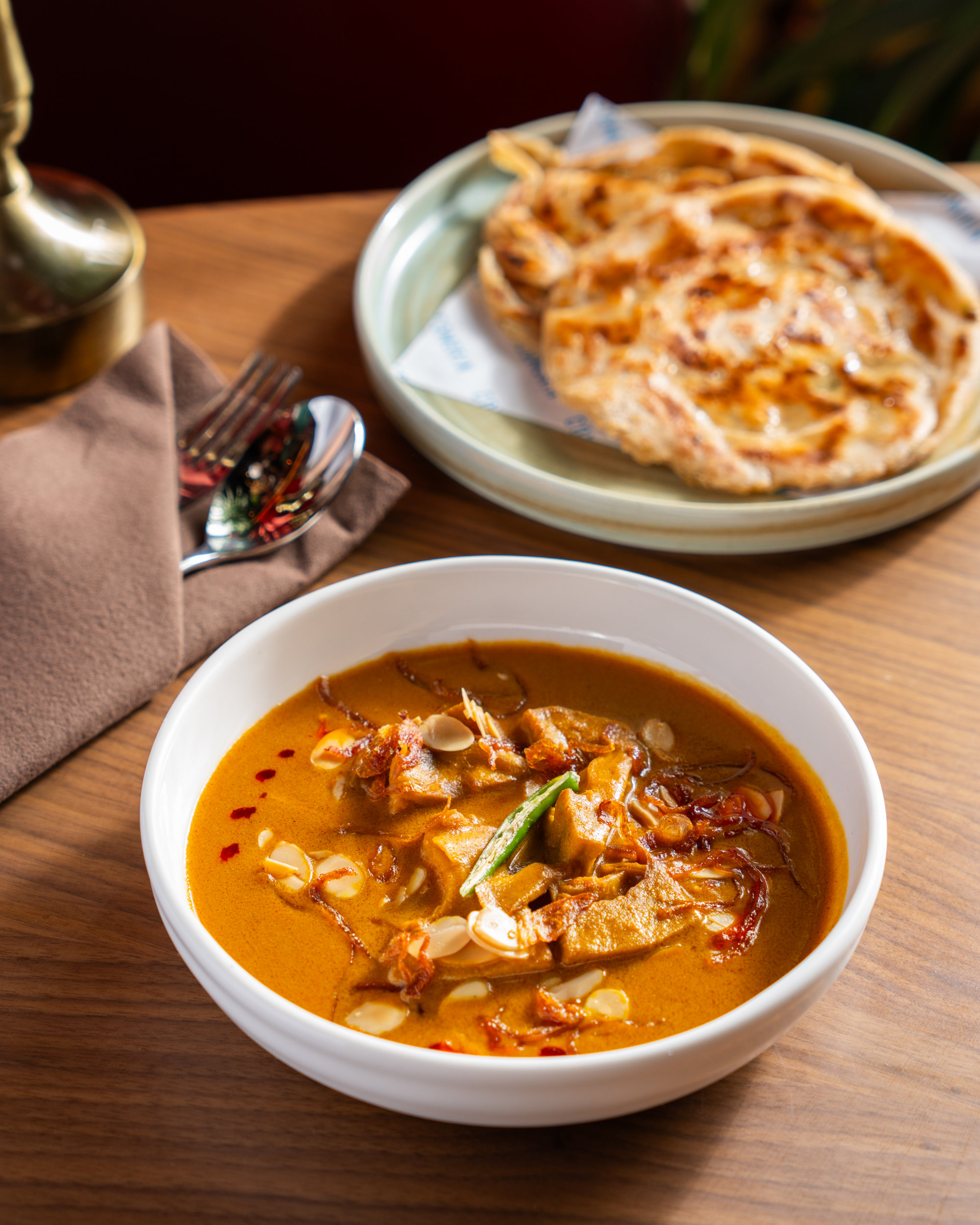
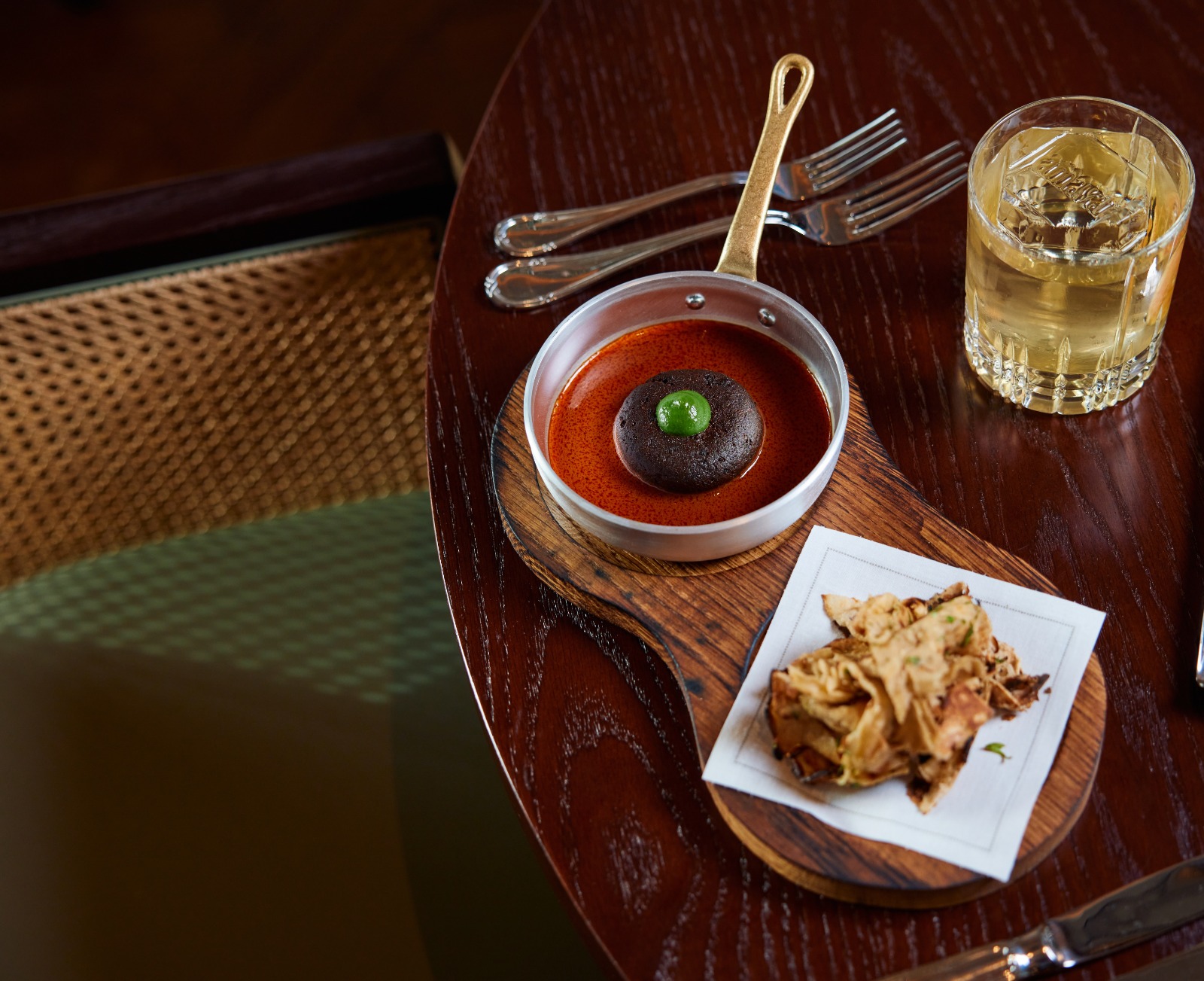
At Comorin, chef Dhiraj Dargan does this successfully. My favourite is the faux galawat ke kebab, made with jackfruit. The spicing is spot on, and it plays on the faux meat paheli ka khana, a well-established playful inventive tradition of Lucknowi or Hyderabadi khana. In fact, the kathal kebab are better than those mythic 150-spices Chowk ki tikiyas!
This is clearly not some faithful reproduction of the “classics”. Instead, it is a channeling of tradition with complete understanding — the faux galawat ke kebab are “elevated” with hung yoghurt at their centre, akin to a stuffed shikampuri (a Hyderabadi cousin of the shami kebab, which itself is the ancestor of the Lucknowi galawat, the sheekampur is filled with hung curd and green chillies), and while you may quibble as to the name, Dargan successfully gives the pastiness a break, while staying true to the cultural moorings.
Similarly, there is thought in the silken bheja (brain)! It is served with a taftan type bread, not a fat-rich bakarkhani or sheermal, juxtaposing texture skilfully. The gentrified paratha thali, which pays homage to old Delhi’s Paranthewali Gali, has the faithful kaddu ki subzi, a pre potato accompaniment to all poori-kachori-paranathas of the Subcontinent, with its methi dana spicing.
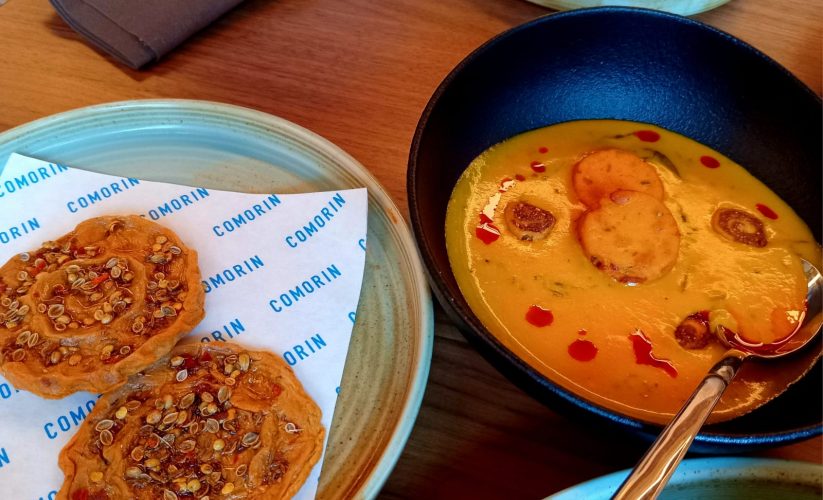
But the cleverest dish is the aam ki kadhi which marries many a Bombaiyya trope. It is created especially for Mumbai —a nod to the Marwari-Gujarati tastes that dominate the city. But you can see (or sense) the complete understanding of cuisines it references in the plate: I don’t think anyone has noticed, but the fact that this kadhi is served not with rice, Punjabi-style, but with pinched khoba roti, Rajasthani-style, studded with roasted and pounded dried coriander seeds (dominant in the desert state’s cooking), is a hallmark of how the small nuances of micro-regional and community cooking are preserved.
It is this sort of complete and nuanced understanding that modern Indian must now seek to inculcate and promote. Dargan is in league with a handful of Indian chefs in India and abroad who are doing that, as the post-Covid, Post-Truth world looks for wholesomeness, authenticity and moreish flavours.
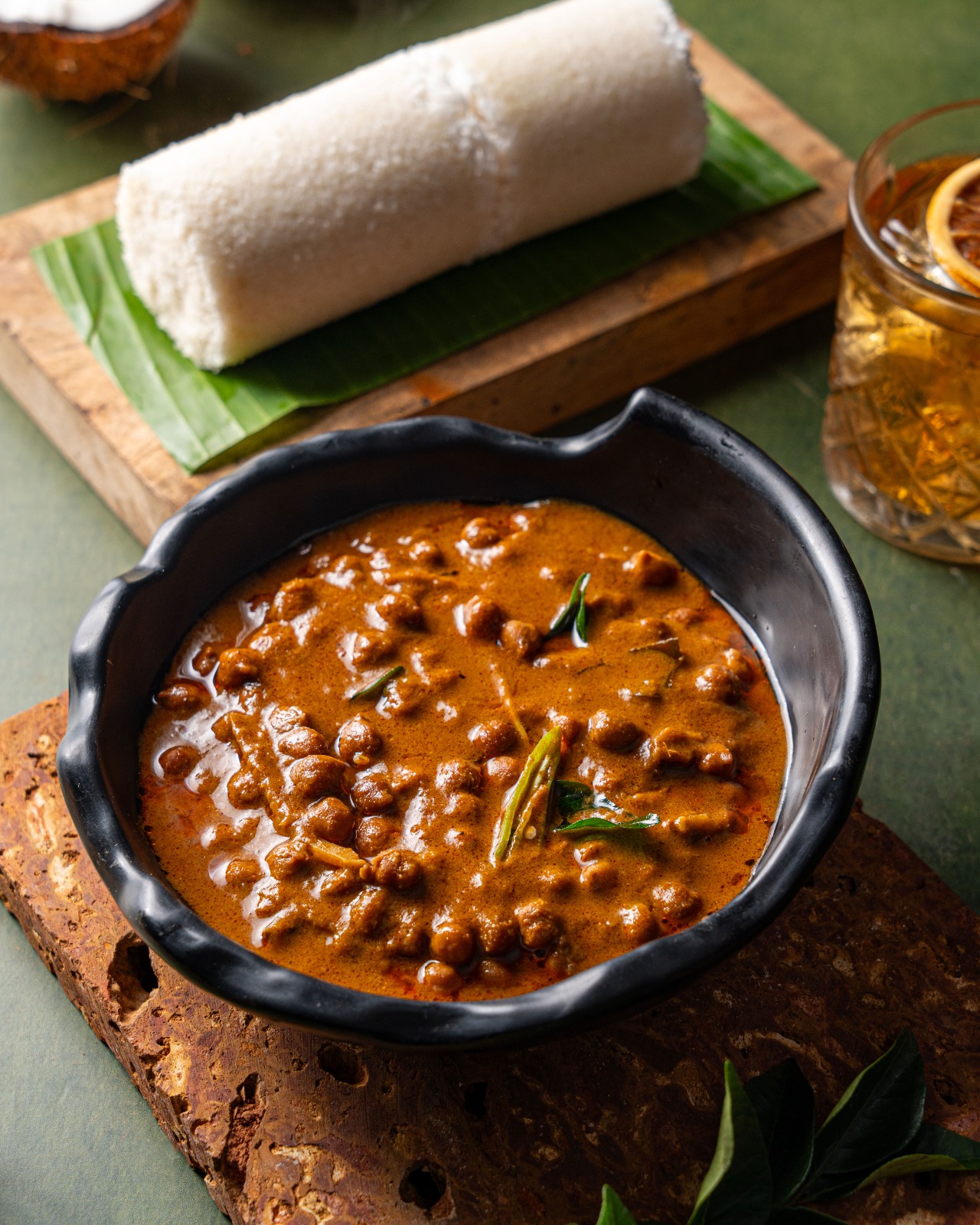
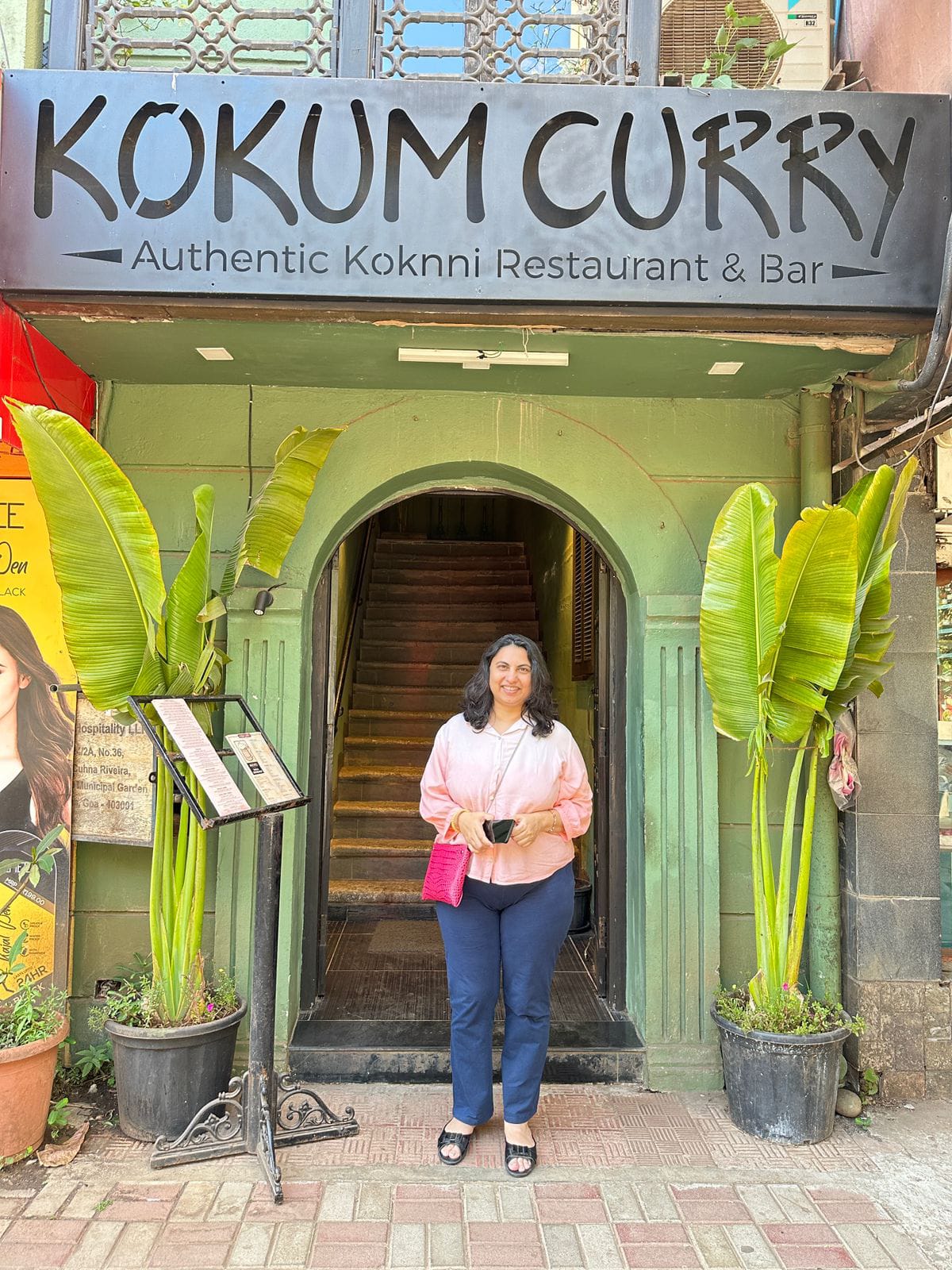
Chef Varun Totlani of Masque is decidedly moving in this direction with his new menu, where wholesome dishes such as a Mangalore style gassi are spot-on without being overtly “cheffy”. Regi Mathew of Kappa Chakka Kandhari has long been a proponent of this sort of mindful Indian food, with his Kerala dishes, carefully recreating nuances of homes and villages at Kappa Chakka Kandhari. And there are scores of small restaurants that are plating up hyper-local cuisines of different communities— from Oota and Bangalore Oota to Sarposh, or Rajni Sadhu and Matamaal in Delhi, to some of the food at Bawri, the non-cliched Punjabi food at Ikk Panjab in Chandigarh and Delhi, the north-eastern food at ITC Sonar, Meghalaya food by Tanisha Phanbuh at her pop ups, and Naga style food at Dzukou in Delhi, the Gowd-Saraswat food at a small but highly respected Goa restaurant Kokum Curry by Sapna Sardesai, publisher-turned-chef, and others.
All these attempts require 1. committed restaurateurs 2. professionally trained (corporate) chefs to fine tune and plate imaginatively the food of the masterchefs, to create an “experience” 3. Attention from awards and lists.
Internationally, this third wave is already seeing huge success. Chefs like Himanshu Saini, a spiritual heir of Manish Mehrotra, who has written a piece on why “Ghee roast is the hero, crab is just a medium”, for The Food and Travel Almanac, are championing India’s complex spicing — the “main” ingredient in Indian gastronomy, that overturns European, American or Japanese culinary wisdom of a protein-led “main”. Saini’s TresInd Studio in Dubai, won an incredible 3 Michelin Stars recently.
Semma, in New York City, that has been recently anointed New York’s best restaurant by none other than the influential New York Times, similarly, has been doing stellar work by cooking Tamil food without apologies for its global audience.
Beyond the pantry and the plating: Food that’s not just novelty
It isn’t about broad regions anymore either, but about communities even within the same region. “Your Kayasth khana”, Ritu Dalmia points out to me, “is from Delhi or UP but not generic UP food …similarly, my Marwari khana is the cooking of the Marwari community of Calcutta, which is not the banna food of Jodhpur, nor is it the Marwari food of Bombay, which has a large Gujarati influence.”
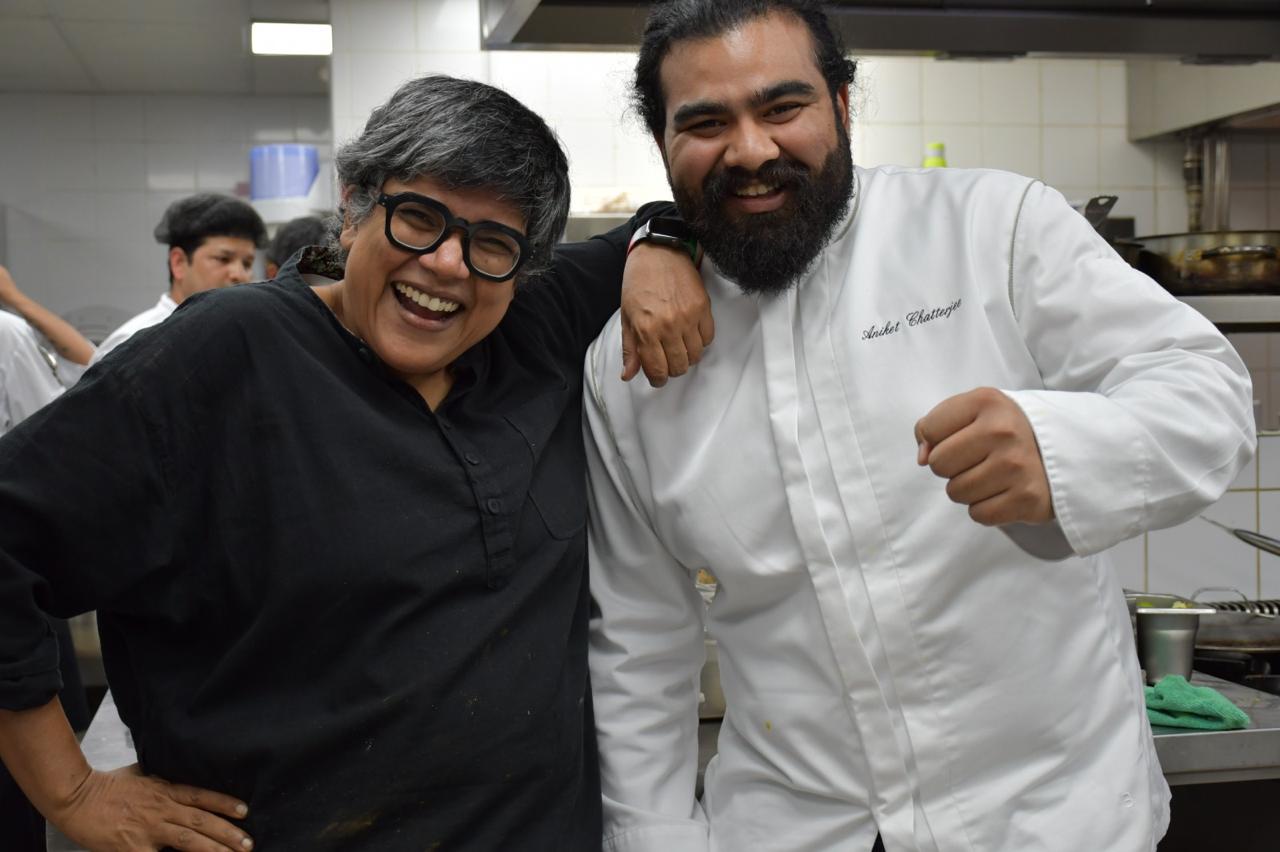
How, these subtle nuances, and substitutions in “spices such as radhuni instead of ajwain in Bengali food,” which make Indian the most complicated cooking in the world, as Dalmia points out, must be showcased. Her head chef Aniket at Atrangi “has been calling up his chachi and naani” for recipes, in an approach that mirrors that of other young chefs diving deep into knowledge that’s been passed down generations without being codified.
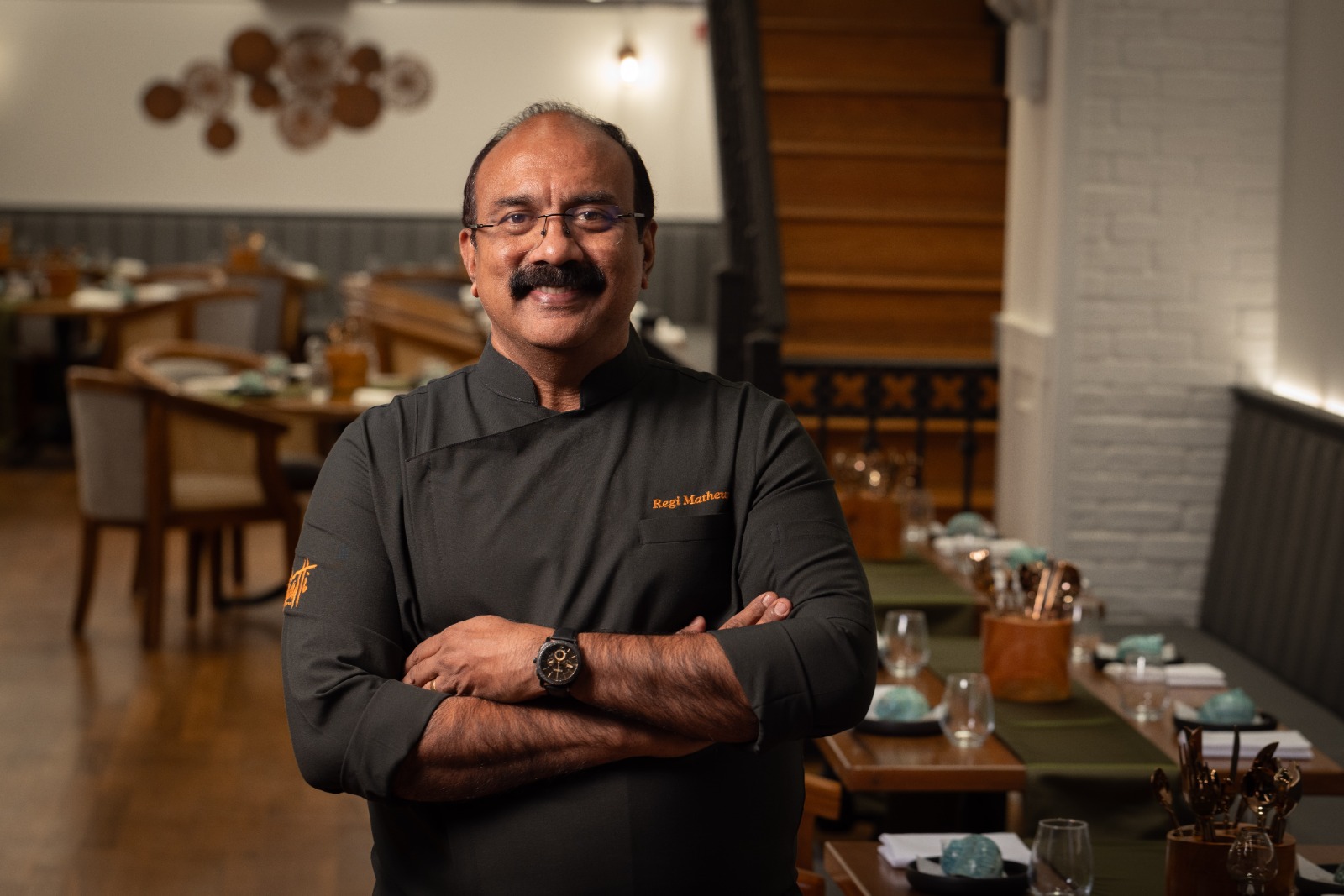
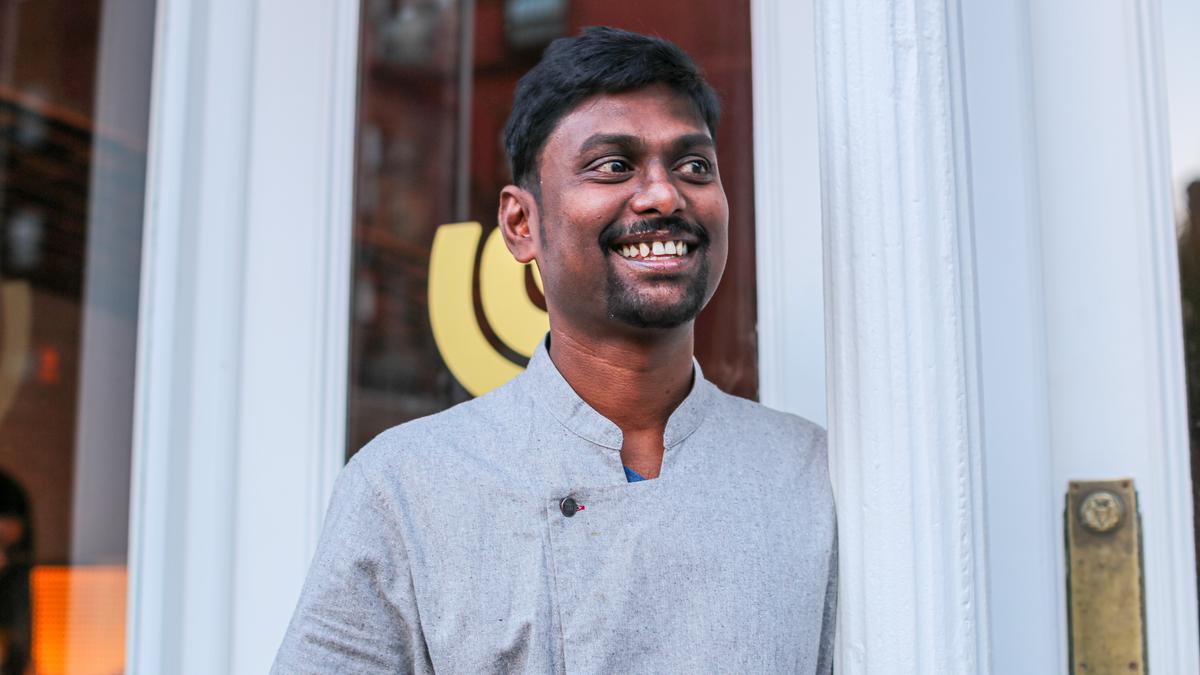
Chef Regi Mathew, whose Chatti, is drawing a multicultural audience in New York, says that people are ready to respect and accept Indian cuisines as they are, without pandering to global tastes or trends.
“I spent 3.5 years researching the food of mothers in Kerala…there are so many nuances, including the sequence of spices that goes into a dish. It is important for a young chef to watch it closely for a complete understanding, even if the mothers and grandmothers can’t tell you why they are following a process. It is important to record it and follow it for the correct taste. You have to respect that.”
The experience guests seek today does not have to be centred around the awe of novelty. Instead, that approach, is distinctly failing as consumers struggle to remember even one favourite dish from a long menu, and do not return for the same food leading to untenable businesses. Samyukta Nair, who has taken her family’s legacy forward to create high quality Indian dining that resonates with a global audience with Jamavar in London, Dubai and Doha, rightly says: “Culinary storytelling is not the way you script the menu or even the “experience” but in how a dish can universally evoke a person or a time”.
“The next chapter for modern Indian cuisine—especially in the upscale space—can’t just be plating or pantries. What’s more compelling, and frankly more moving, is when we turn inward rather than outward: into the soul of Indian cooking—community-rooted recipes, layered spicing, and the emotional intelligence behind how food is made, served and shared. Because, let’s be honest, we didn’t grow up eating foam and dust. We grew up around steaming pots, full ladles and generous seconds. That’s what stays with you. That’s what moves you. And increasingly that’s what our guests seek too. Food that speaks to a memory, not just novelty,” Nair points out. “We’ve arrived at a moment when true innovation lies in returning to the generosity and depth of traditional kitchens. Not in mimicking them but in channelling them”, she says. Touche!