From Goa to Udupi: How migration shaped the deeply ritualistic GSB cuisine

Fine Arts Strategist and advisor Ashwini Pai Bahadur delves deep into the legacy dishes of her Gowd Saraswat community—spread across the Konkan coast, from South Kanara to Goa; and recommends the best restaurants to try this cuisine
By Ashwini Pai Bahadur
In the lush coastal stretch of Karnataka, where the Arabian Sea meets the Western Ghats, lies a region that boasts one of the most culturally and gastronomically diverse cuisines in southern India — Dakshina Kannada, or more colloquially referred to as South Kanara. This district, home to Mangaluru ( Mangalore ) Udupi, and a mosaic of communities like the Goud Saraswat Brahmins (GSBs), Mangalorean Catholics, Bearys, Bunts, and Tuluvas, reflects a deeply layered culinary legacy shaped by migration, faith, geography, and maritime trade. In Dakshina Kannada, food is more than sustenance; it is history and celebration.
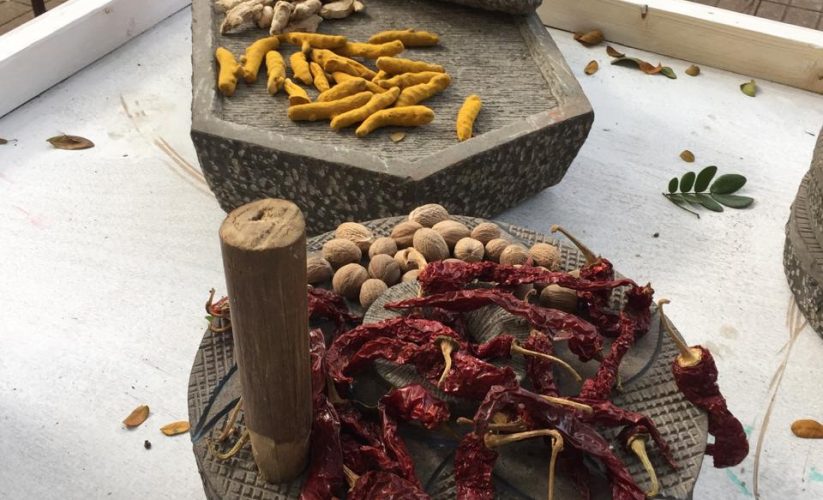
At the heart of this rich coastal tradition is the food of the Goud Saraswat Brahmin community, whose roots trace back to the banks of the Saraswati River and who later migrated to Goa before settling along the Konkan coast. Their cuisine, steeped in memory, ritual, and restraint, draws heavily from the coastal bounty—fresh vegetables, coconut, tamarind, and seasonal spices—producing food that is both satvik (pure) and soulful.
The roots of Goud Saraswat Brahmin (GSB) cuisine can be traced back to the now-extinct Saraswati River, once believed to have flowed through the region of Kashmir and northern India. The community derives its name from this sacred river, and as the river dried up, the Saraswats migrated southward, settling along the Konkan coast, particularly in Goa.
In Goa, the Saraswats developed a distinct identity—deeply spiritual, linguistically Konkani, and guided by dietary practices based on Vedic principles. Their cuisine, rich in coconut, tamarind, jaggery, and local vegetables, flourished in the fertile, coastal terrain of the Konkan belt. The arrival of Portuguese colonizers in the 16th century, along with forced religious conversions, led many GSB families to migrate again—this time further south to Karwar, Ankola, Kumta, and eventually to Udupi, Mangalore, and Coorg in present-day Karnataka.
This journey gave rise to a unique GSB cuisine of South Kanara, one that retained its satvik essence while absorbing the rich biodiversity of the Western Ghats. Dishes like Dalitoy (a temperate lentil broth), Batate Upkari (a dry potato sauté), Pathrado (stuffed colocasia leaves), and Taushe Sukke (spiced cucumber curry) echo their Goan lineage but were reshaped by local tastes and temple traditions. Over time, these offerings became cornerstones of temple feasts, rituals, and home-style thalis.
Interestingly, echoes of GSB food remain in Goa’s own vegetarian offerings—such as Khatkhate, Patoleo, and Tonak—while in South Kanara, they evolved into temple prasadam and home recipes served on banana leaves. This culinary migration is a testament to resilience—of adapting without losing essence, and of preserving identity through the medium of food.
Whether savoured in a modest Udupi eatery, recreated in modern Bengaluru kitchens, or remembered fondly across diasporic homes, GSB cuisine carries with it the imprint of centuries—from the Himalayan valleys of Kashmir to the sun-washed shores of Goa and the spice-laden kitchens of Karnataka.
Udupi’s Naivedya & the Dalitoy
Udupi cuisine draws from temple traditions and is a spiritual experience — entirely vegetarian, simple yet deeply nourishing. The meals are served in a traditional manner, on banana leaves, often after darshan at the Krishna temple. Each dish reflects seasonal produce, temple traditions, and Ayurvedic balance. The famed Sri Krishna Matha, founded in the 13th century by Vaishnavite saint Madhvacharya, shaped the culinary ethos that still prevails. Food here is an offering — naivedya—before it becomes a meal. Each day, the temple serves up to 14 dishes as prasadam, influencing generations of cooks and restaurateurs.
A staple in every GSB home is Dalitoy, a tempered toor dal, delicately flavoured with mustard seeds, red chilies, and curry leaves. Far from being just comfort food, Dalitoy is an indispensable part of temple meals and festive thalis. It is often accompanied by rice, pickle, payasa (kheer), and various vegetable preparations like tendle upkari (ivy gourd stir fry) or ghashi (a coconut-based curry with legumes or vegetables).This cuisine avoids onion and garlic, aligning with Ayurvedic principles.
Other beloved staples include Masala Dosa, Patholi (rice dumplings with jaggery-coconut filling steamed in turmeric leaves), Patrode (stuffed colocasia leaf rolls), and Goli Baje, fritters of fermented flour and curd. Satvik in spirit, but never lacking in flavour, Udupi food is best experienced at iconic eateries like Woodlands, Gokul Krishna, and Mitr Samaj.
A typical GSB thali is an orchestration of taste and texture—sweet, sour, spicy, and umami—served with reverence. It may include moong usli (green gram salad), batate song (spicy potato), koddel (coconut curry), huli (tamarind stew), and ends with madgane, a chana dal dessert with jaggery and coconut milk.
South Kannara abundance
If Udupi is restraint, Mangalore is abundance. This bustling port city reflects the heat, heart, and vibrancy of coastal living, with various communities having contributed to well-known Mangalorean dishes such as the Neer Dosa, Chicken Sukka, Kori Rotti, Fish Fry (especially Kane/Ladyfish in rava), and the iconic Chicken Ghee Roast, slow-roasted in aromatic spices. The story of Chicken Ghee Roast begins in 1957 in Kundapur, a coastal town near Mangalore, where Tejappa Shetty and his wife Prabhavathi founded Shetty Lunch Home. While originally serving traditional Bunt cuisine, it was Prabhavathi’s kitchen experiment that birthed this now-iconic dish. By enhancing their chicken sukka with a generous dose of desi ghee, vibrant Byadgi chillies, and a bolder spice blend, she created a fiery, aromatic preparation that quickly won over diners. The result is a dish that’s rich, spicy, and unmistakably coastal—now a classic in Mangalorean kitchens and beyond.
Coconut, jackfruit, kokum, and native vegetables anchor Mangalorean cuisine. Rice appears in myriad forms — sannas, akki rotti, rice pancakes, and boiled red rice. Seasonal fruits and wild ingredients like bamboo shoots, breadfruit, and hog plums enrich curries and pickles. A vibrant nod to Mangalore’s rich culinary mosaic, Mynt at Vivanta Old Port Road, stands out as one of the city’s most beloved dining destinations. Known for its expansive buffets and lively weekend brunches, the restaurant offers a taste of tradition elevated with polish. The menu celebrates classics across Mangalorean communities — Goli Bajje and Mangalore Buns pair effortlessly with a robust cup of filter coffee, while bold flavours shine through in the fiery Chicken Ghee Roast, Kori Gassi, and the tangy, tamarind-spiked Mackerel Pulimunchi. These dishes come alive with accompaniments like Neer Dosa, Kappa Rotti, or Appam, while the crispy Kane Fry and Seer Fish Tawa Fry seal the experience with a perfect coastal finish. At Mynt, Mangalorean food isn’t just served—it’s celebrated.
The Mangalore-Udupi GSB trail
If in Udupi, temple-style vegetarian meals are best had at
- Woodlands
- Gokul Krishna
- Mitr Samaj
If in Mangalore, I recommend the following for GSB thali meals
- Machli
- Giri Manjas
- Vivanta Old Port Road
Myriad of Mangalorean flavours
If you are travelling around the Mangalore coast, be sure to partake of other classic dishes at some beloved eateries here.
The Mangalorean Catholic community, with its roots in Portuguese-influenced Goa and centuries of coastal settlement, brings a unique cultural and culinary blend to Dakshina Kannada. Known for their deep sense of tradition, community spirit, and festive gatherings, their cuisine reflects a rich fusion of local coastal ingredients with Goan-Portuguese techniques. Pork is king here—Sorpotel, Pork Bafat, Laitao, and offal delicacies like Kalleze un Kiti are festive staples. The classic pairing of Sanna-Dukra Maas defines celebratory meals. Rosachi Kadi, served during pre-wedding rituals, and sweets like kulkuls, neuries, and rose cookies complete the festive table.
For an authentic taste, visit Pereira’s Lunch Home & Lodge, Snackies Cake Shop, or Mangala Bar and Restaurant, where traditions are preserved lovingly.
Among the stalwarts preserving Mangalorean Catholic culinary traditions is the iconic Mangala Bar and Restaurant, established in 1981. A favourite with locals and returning diaspora alike, Mangala has earned its reputation as a go-to spot for robust, homestyle fare that reflects the bold and spice-laden flavours of the community. Nestled in the heart of the city, it began as a modest eatery and bar, catering to working-class patrons and families with a taste for authentic pork and beef preparations. Today, its Pork Bafat, Pork Chilli, and Beef Sukka are local legends—slow-cooked with house-made masalas that have remained unchanged for decades. Their Special Pork Thali, served with sannas or rice, embodies the festive spirit of Mangalorean Catholic households. Mangala also offers an array of fresh seafood dishes, local bar snacks, and comfort food classics, creating a space where food and community intertwine. More than just a restaurant, Mangala is part of Mangalore’s living culinary heritage—a place where generations have gathered to celebrate the flavours of home.
No exploration of Mangalore’s culinary legacy is complete without a mention of its most whimsical and beloved dessert — Gadbad Ice Cream. Born in the 1970s at the now-legendary Ideal Ice Cream Parlour in Hampankatta, Mangalore, this layered sundae was the invention of S. Prabhakar Kamath, the visionary founder of Ideal Ice Cream.
As the story goes a customer once requested “something different” during a busy evening rush. With few ingredients left, Kamath quickly assembled what he had on hand – a tall glass, a scoop each of vanilla, strawberry, and mango ice cream, slices of fresh fruit, jelly cubes, and dry fruits—all topped with a swirl of rose syrup. The hurriedly improvised dessert was a hit, and he called it “Gadbad,” a Tulu and Kannada slang for “chaos” or “mixed-up mess.” Ironically, it’s now Mangalore’s most organized dessert marvel.
What sets Gadbad apart is not just its riot of flavours but its playful sense of surprise—with each spoonful delivering a different texture or taste. From the cool creaminess of the ice cream to the chewy jelly, crunchy nuts, and juicy fruit, it’s a celebration of coastal exuberance in a tall, chilled glass.
Today, Ideal Ice Cream remains a must-visit for anyone seeking a taste of Mangalore’s sweet side—and Gadbad, in all its colorful glory, is a testament to the region’s joyful approach to food as inventive, layered, and full of heart.
Where to experience GSB dishes in Goa, Bengaluru, Mumbai and Delhi

Goa
- Ritz Classic in Panaji, beloved for its no-frills, flavour-forward seafood thalis. Their prawns curry rice, kingfish rawa fry, and crab masala echo the earthy, spice-kissed essence of Saraswat cooking, with a hint of coastal indulgence.
- Mum’s Kitchen, founded by Suzie and Rony Martins, takes a more curatorial approach—reviving age-old GSB, Hindu, and Christian Goan recipes that were nearly forgotten. Their Tonak, Tisreo sukke (clams stir-fry), and Alle belle (coconut pancakes) draw from both temple and home kitchens, preserving a fast-vanishing culinary archive.
- A newer entrant, Bombil, spearheaded by Chef Joseph Dias, has carved a niche for serving up home-style Saraswat and Malvani fare in a relaxed, café-style space. Their signature Bombil Rawa Fry, Solkadhi, and Coconut Sukke speak to the refined simplicity of coastal cooking.
- Kokum Curry, the brainchild of Sapna Sardessai. You’ll find authentic GSB meals served on banana leaves, featuring timeless staples like Taushe Bharta, Dalitoy, and seasonal upkaris, made with devotion and restraint.
Bengaluru
Bengaluru has become a second home for Dakshina Kannada’s culinary diaspora. GSB cuisine has found a devoted following in Bengaluru due to its balance of simplicity, nourishment, and seasonal richness. With its emphasis on satvik ingredients, coconut-based curries, and subtle spicing, it resonates with the city’s growing preference for mindful, home-style eating. The strong GSB diaspora in Bengaluru has also helped preserve and popularize the cuisine, turning it into a cultural anchor as well as a culinary one—loved for its comfort, rootedness, and quiet sophistication.
- Sona’s Kodiyal: a beloved name among Mangaloreans in Bangalore, helmed by Ganesh Nayak who offers GSB temple-style vegetarian thalis steeped in heritage —Dalitoy, Bendi Randayi, Batate Upkari, and seasonal upkaris. The eatery continues to be a custodian of GSB culinary values. Their food speaks of home—nostalgic, pure, and celebratory. It’s no surprise that Sona’s Kodiyal catered part of the wedding feast at Deepika Padukone and Ranveer Singhs wedding in Italy, bringing GSB culinary identity to an international platform.
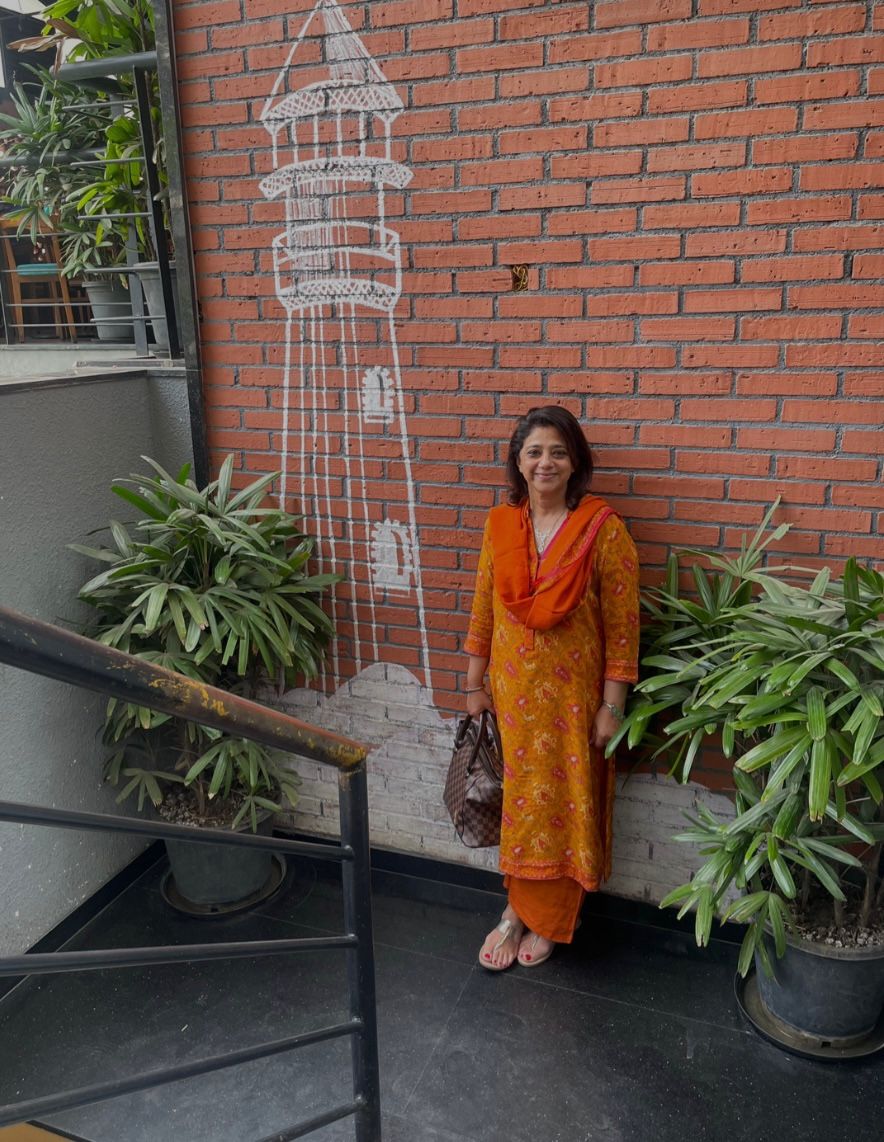
- The LightHouse: Restaurateur Pratiksha Nayak is the warm heart behind The LightHouse in Bengaluru, reviving cherished GSB and coastal culinary traditions. Guests routinely mention her presence—checking on tables, engaging with customers, and ensuring each dish embodies care and authenticity. Among the signature offerings, the Hingha Udha Prawn steals the show: succulent prawns cooked with the distinctive tang of hing (asafoetida), evoking the humble yet bold spirit of Mangalorean coastal cuisine.
Mumbai
Mumbai has been a vibrant hub for the GSB community since the late 1800s, when waves of migration from Goa, Karwar, and South Kanara brought Saraswat families to the city in search of trade and education. Settling primarily in areas like Matunga, Girgaum, and Dadar, they carried with them a refined coastal palate—temple-style saars, coconut-rich curries, patrode, and seasonal upkaris. Over time, this cuisine took root in the city’s culinary landscape, shaping both home kitchens and iconic eateries.
Shenoy’s: In Mumbai’s Worli, Chef Vikram Shenoy pays tribute to his grandfather’s 1967 canteen with Shenoy’s—a 40-seater restaurant that artfully bridges past and present. The menu features Devasthana Saar (temple-style tomato-coconut broth served in a French press), Byadgi Kairi Paneer, and Pomfret Fry.
Delhi
Sanadige Far from the coconut-laden coastlines of Karnataka, if you would like a bite of GSB cuisine, go to Sana-di-ge, sister outlet to the one in Bengaluru. Dishes like Dalitoy, Kotte Idli, Mangalorean Gassi, and Neer Dosa are lovingly prepared with freshly ground masalas, coconut milk, and temple-style tempering, evoking memories of GSB kitchens along the Konkan coast.