
How to judge a ‘ good ’ croissant?

FTAlmanac
- July 7, 2025
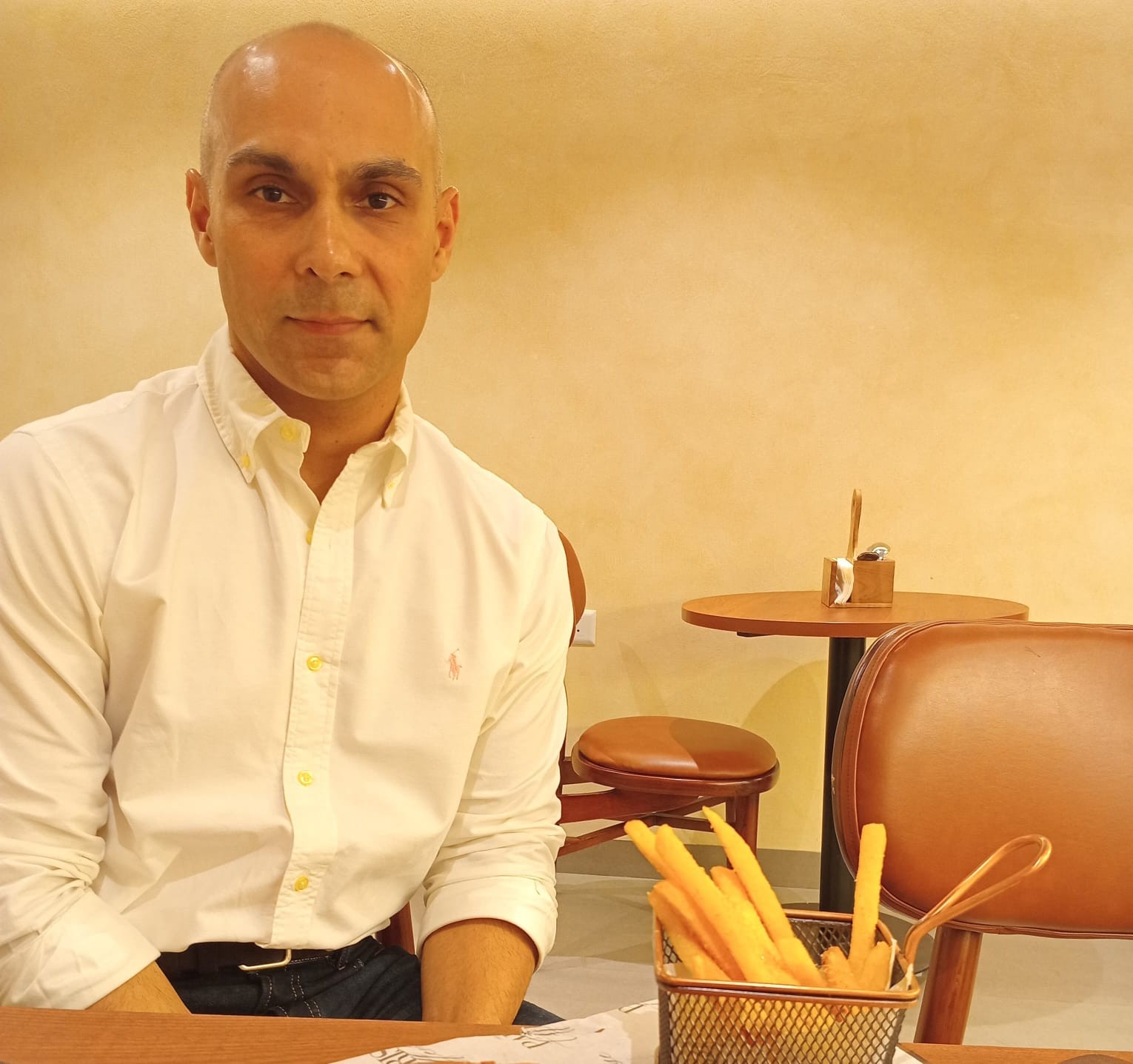
Chef Sahil Mehta, India’s top chef when it comes to French pastry, gives a tutorial on the croissant — everything you wanted to ask but were afraid to
By Sahil Mehta
I read a quote somewhere stating that knowledge is power. It’s time to empower you with a croissant! The word and the product have been bastardized in some parts of India even as tastes evolve and French pastry catches on. Croissant, which is a viennoiserie, is eaten across the globe for breakfast. It gets its name from its crescent shape. The dough is layered with “only“ butter, why I say butter is because in most parts of India, some folks still use margarine as a cheap alternative! We usually see a lot of consumers calling this a “butter croissant” at store levels or even a lot of service staff saying the same. But I find this term hilarious — if not butter, then what is croissant made of? Well, I guess, it’s lack of knowledge all round.
We all know by now, hopefully, a bit of the croissant’s history. It wasn’t the French who created this beauty. And the earliest versions of these crescent-shaped pieces were mostly breads filled with custard or nuts, till the 13th century. It’s only in the 1800s that an Austrian army officer (August Zang) founded a Viennese Bakery in Paris – from that comes the word “viennoiserie”. It was in the late 19th and early 20th century when the French took over and created these breads into their present flaky and buttery version that’s loved the world over.
While growing up as a kid in Paris, I would wake up to the smell of this flaky pastry. In college, as a hotel management student, I dipped it in coffee and ate it, and much later, did I realise, while doing my masters in bakery and pastry, how a good Meuiller Ouvrier De France croissant is judged. Unfortunately, most Instagram chefs across the globe tout the so-called famous “honey comb“. Unfortunately, that’s not how we judge a good croissant in France.
A good croissant is judged by its colour (which mostly is called “burnt” here in India) and its flakiness, and the open layers on the outside. We find tons of variants — from an almond croissant, praline to savoury ones. The best ones I’ve eaten are, no guessing points, in Paris — from a small bakery called La Maison D’Isabelle.
I’d like to end this by mentioning that there is no such croissant called a “chocolate croissant”, even though the pain au chocolate is made with the same dough. A croissant is a croissant because it derives its name from the crescent shape, Vs a pain au chocolate or chocolatine, which has a square share with a hint of chocolate. So, let’s get educated instead of creating our own versions—in the mind or otherwise.
Five desserts and where to try them in Paris
The five desserts I’d recommend you try on your next visit to Paris:
1. The Mille Feuille at the Ritz Comptoir by the extremely talented Francois Perret.
2. The Marble Vanilla Chocolat Grand from the Ritz Comptoir.
3. The Opera cake either from the Mecca of bakery and Pastry Lenotre or Dalloyaou
4. The Chocolate and Zucchini pastry by Sadaharu Aoki
5. The Blueberry Tart by Yanncuvereur
If you can’t go to Paris, we’ll be more than happy to serve you similar products from a piece of your own Parisian heart here in the Capital, Paris My Love.