
Food as Prana

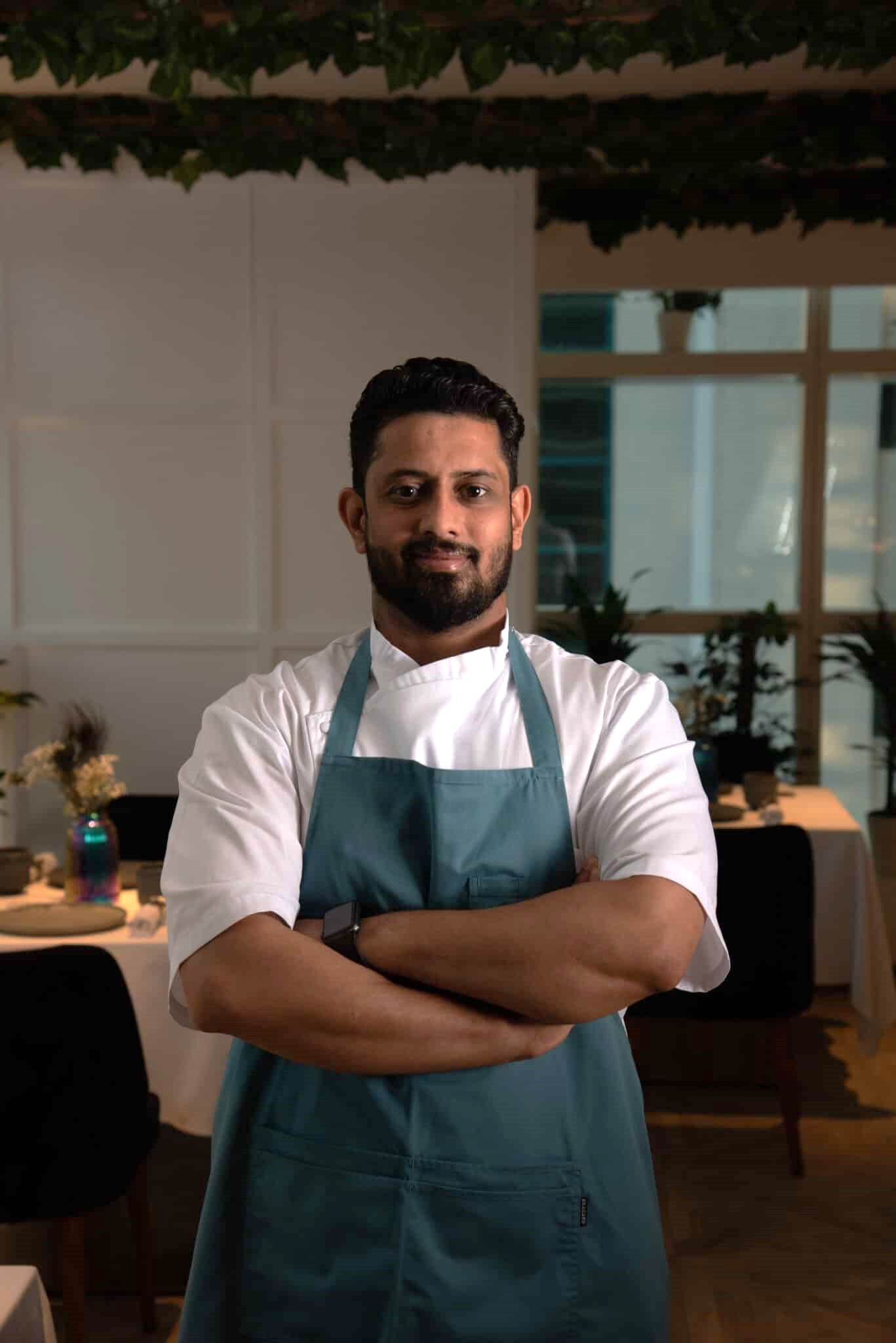 In Ayurveda, food is not categorised as good or bad, rather as energy; and taste is not merely sensory but therapeutic. Chef Rahul Rana who helms Avatara Dubai, the world’s only Indian vegetarian Michelin Star restaurant, talks about how he gave up his dream of a military career for the kitchen and started learning about the “living, breathing system of understanding life via food”— thanks to his upbringing in Rishikesh, and pahadi food cooked by his mother and nana, who was a chef to the maharaja of Tehri-Garhwal.
By Rahul Rana
My cooking is deeply rooted in Ayurvedic philosophy, where food is seen as a source of healing, energy, and harmony. I believe vegetarian cuisine, when approached with intention, can offer a complete sensory and nutritional experience. Each ingredient is chosen not just for taste, but for its elemental qualities– whether it cools, grounds, energizes, or uplifts. Through my dishes, I aim to create a balance between the body, mind, and spirit, aligning with the seasons, doshas, and the innate intelligence of nature. It’s not about trends or restriction, but about nourishment in its most holistic and beautiful form.
Becoming a chef was never part of the original plan.
Like many young boys growing up in Rishikesh– that quiet, spiritual town nestled in the Himalayan foothills, I dreamt of serving my country. I wanted to join the military. There was something about the discipline, the structure, and the sense of purpose that called out to me. But when that path didn’t work out, I was forced to reconsider where I was heading. I won’t lie: at first, I chose the culinary world more out of practicality than passion. It felt like the next best thing. What I didn’t realize then was that the kitchen would give me everything I had been looking for. Discipline, yes, but also creativity, silence, chaos, and eventually, a calling far deeper than I’d ever expected.
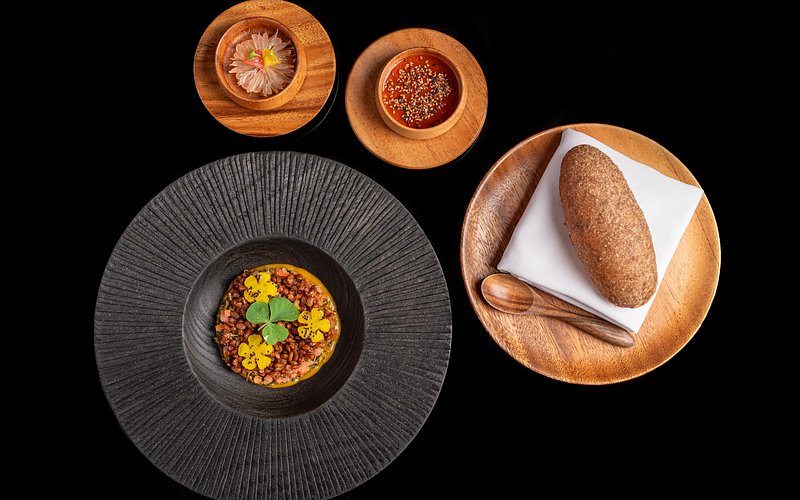
I was raised in a predominantly vegetarian household. For us, food was never extravagant. It was thoughtful, clean, and rooted in seasonality. My mother would cook using whatever was fresh and available; she never said the word Ayurveda, but everything she did aligned with it. My mom would cook delicious paratha stuffed with horse gram lentil (gahat ki daal; that grows in the higher altitudes of Uttarakhand) and serve it with a simple broth made with leftover lentil water. These are my earliest food memories and the simplicity of these meals has defined my own taste and philosophy.
My grandfather was a chef to the Maharajas of Tehri Garhwal in his time. He had the kind of grace and intuition in the kitchen that I only began to appreciate much later. I suppose some things are passed down quietly, not in words— but through smells, tastes, and habits. As I trained professionally and began to cook in different cities and for diverse audiences, I was exposed to a wide spectrum of ingredients and philosophies. But somewhere deep inside, I kept feeling pulled back to the kind of food I grew up with. Simple food. Plant-based food. Food that left you feeling light, nourished, even emotionally balanced. That’s when I began to study Ayurveda more seriously, not just as an ancient Indian science, but as a living, breathing system of understanding life through food.
In Ayurveda, food isn’t categorized as good or bad. It’s understood as energy, as prana, or life force. Every ingredient has qualities: it can heat or cool the body, ground or uplift the mind, slow you down or stimulate movement. It respects that each body is unique, and what’s beneficial for one person might not be for another. But at the core of it all is balance: the dance of opposites that keeps us healthy and in harmony with nature. What deeply moved me was how comprehensive the system is. It looks at taste not just as a sensory experience, but as a therapeutic one. The six tastes– sweet, sour, salty, bitter, pungent, and astringent– aren’t just about flavour profiles; they influence our physical and emotional state.
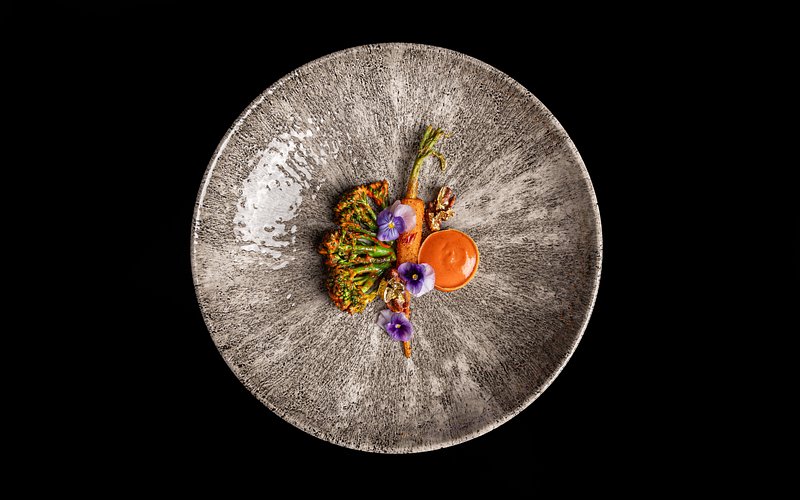
When I began applying this to my cooking, everything shifted. Meals became more than just delicious, they became grounding, energizing, clarifying. They made people feel something. I started paying closer attention to the seasonality of ingredients. Summer requires cooling foods, cucumbers, mint, tender greens. While winter needs warmth through spices, root vegetables, and fats. I stopped using certain overly processed ingredients, no matter how convenient, and turned to more traditional methods: slow cooking, fermentation, ghee-based tempering, stone-ground spices.
I realized that the forgotten ingredients of Indian kitchens, millets, bottle gourd, amaranth, jackfruit, carried a kind of forgotten wisdom, and it became my mission to revive them with creativity and care. One of the most beautiful aspects of Ayurvedic cooking is the role of intention. You’re not just cooking to impress; you’re cooking to support life. It makes you more mindful, not just about what you put on the plate, but how you prepare it, and the energy with which you serve it. Over time, this practice of cooking became a form of meditation for me. I began to slow down, to listen more, to ingredients, to people, and even to myself.
Looking back, I’m grateful my dream of joining the military didn’t work out. Because what I found instead was a form of service that suited me better, one that involves quiet care, awareness, and healing. Being a chef, especially one guided by Ayurvedic principles, has taught me that food is never just food. It’s memory, medicine, and message all at once. Today, my focus remains on exploring the richness of vegetarian cuisine, not just for its sustainability, but for its spiritual and emotional depth. I want to continue learning, experimenting, and creating dishes that make people feel more connected, to the earth, to tradition, and to themselves. Because in the end, when food is made with balance, clarity, and intention, it doesn’t just feed the body. It nourishes the soul.