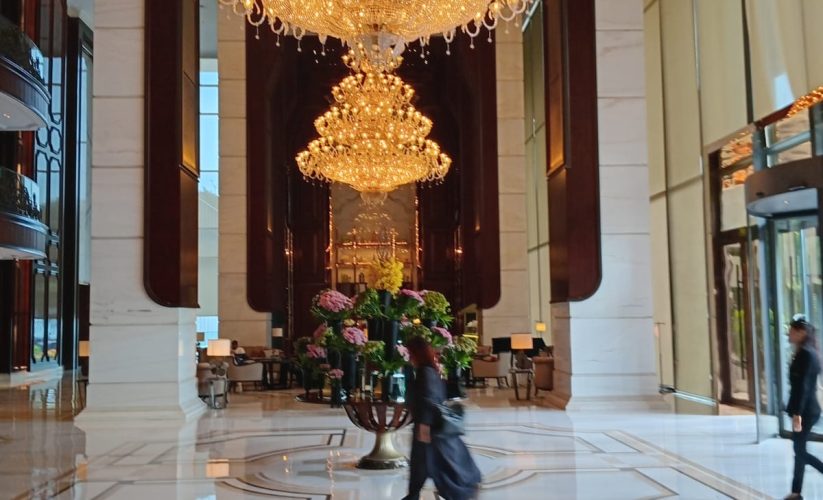
The ritz in Pune, not Paris

Pune has long been a cosmopolitan city of learning. Now, the Oxford of The East is acquiring a new internationalism — of taste
By Anoothi Vishal
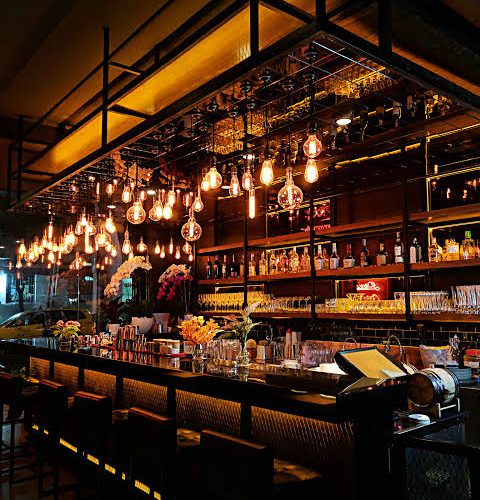
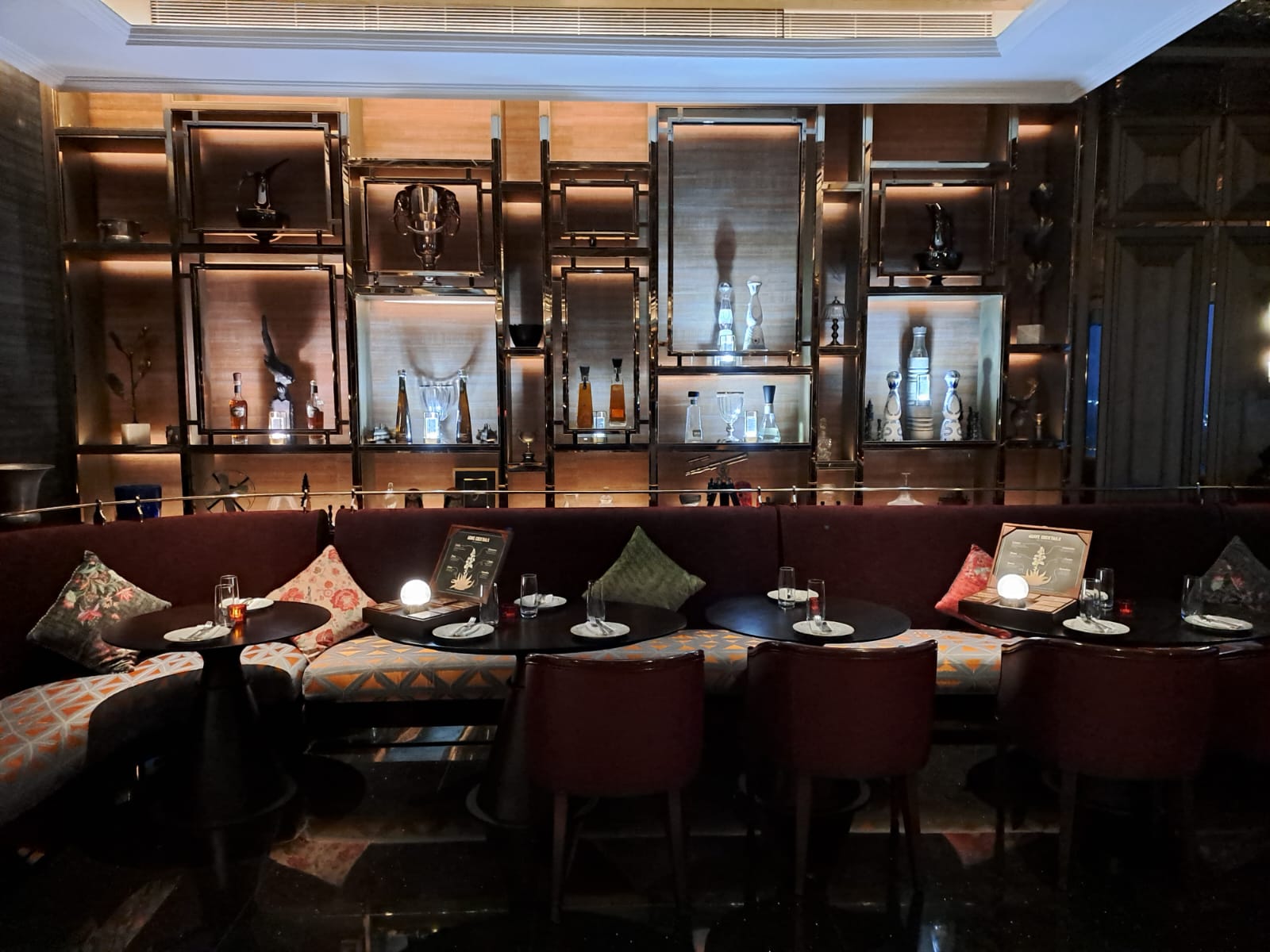 With its leathered, plush period look, vintage lights and a long corridor, Aasmana, perched on the rooftop of the Ritz Carlton in Pune, one of India’s most beautiful and art-filled hotels, may remind you of (Agatha Christie’s) The Orient Express. For a while now, it has been a popular restaurant with a terrace bar and a view of the sunset. But recently something has changed.
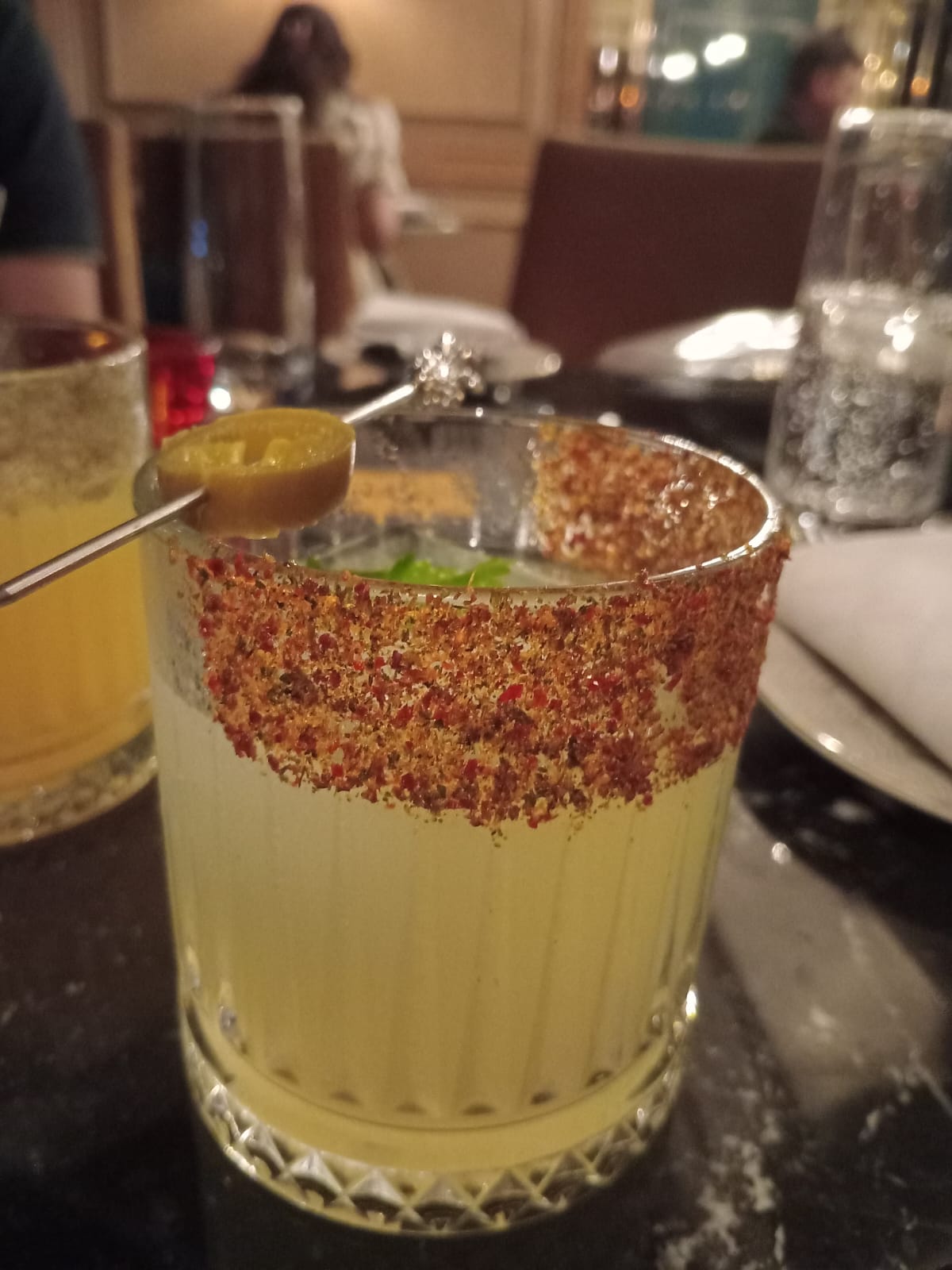
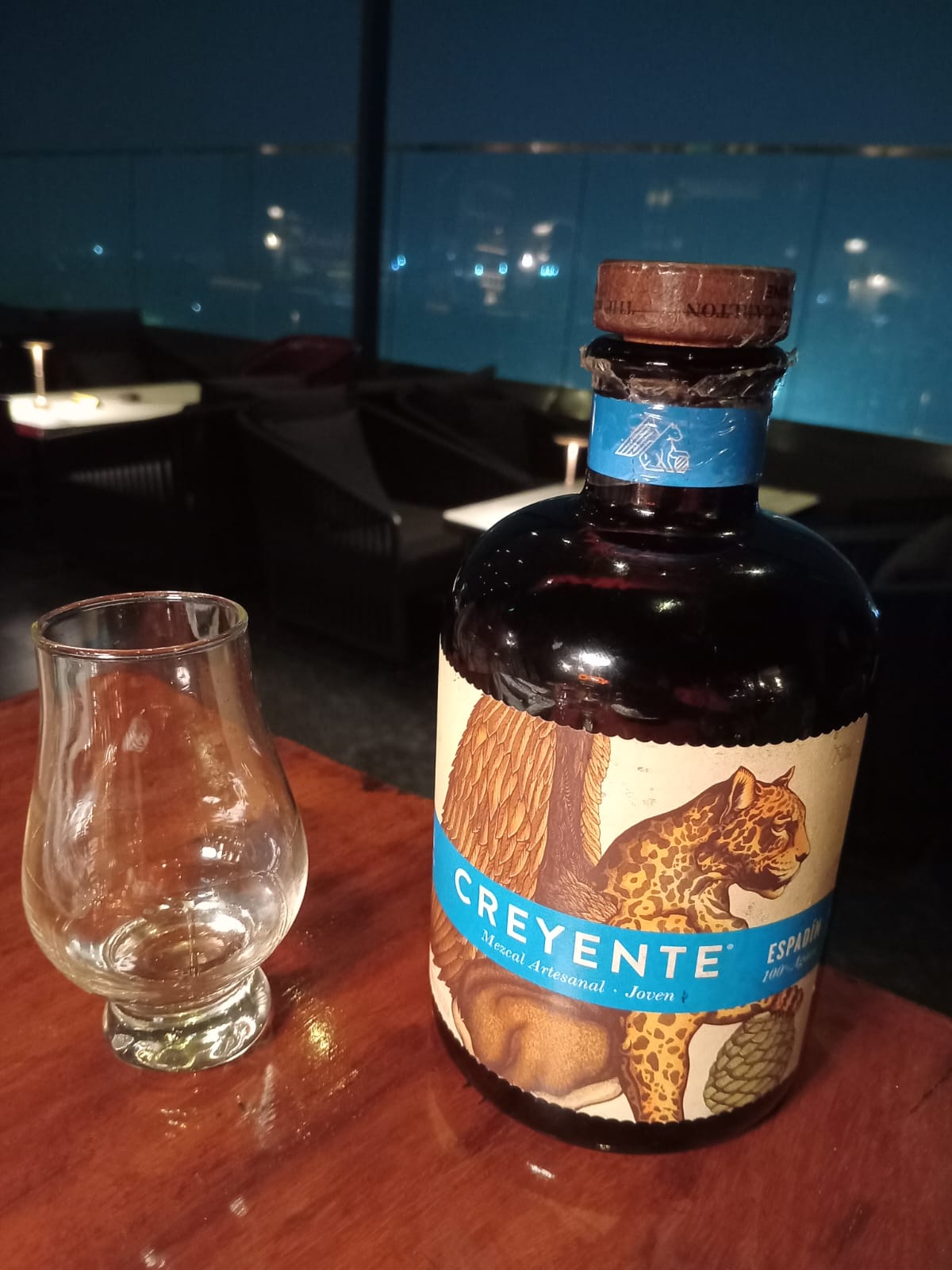
The country’s first Agave Bar has been set up here in Pune, where, you can sink back in the deep couches, and order any one of the 40-plus 100 per cent-agave spirits tequila and mezcals, from a collection that is better than anywhere else in any other metro at the moment, even as a young enthusiastic staff explains the process of making mezcal traditionally in the coal pits (“if you like peated malts, you may enjoy this”), its difference from tequila (made only with blue agave in Jalisco, is smoother and fruitier), and offers to make you one of the light, clarified, washed cocktails that are currently chic in the best Indian bars in Delhi, Mumbai and Bangalore, currently enjoying the global spotlight as they climb up various global lists.
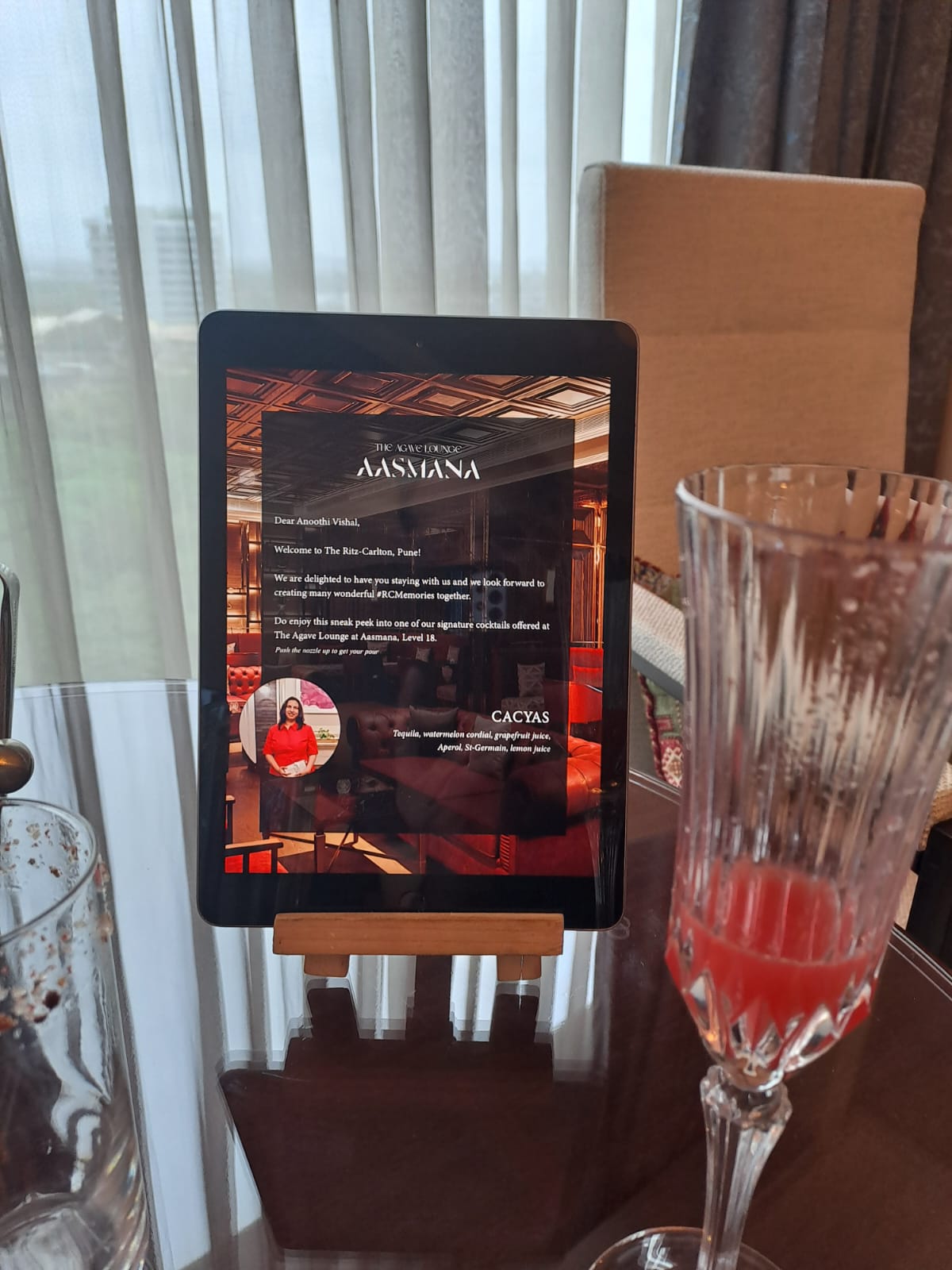
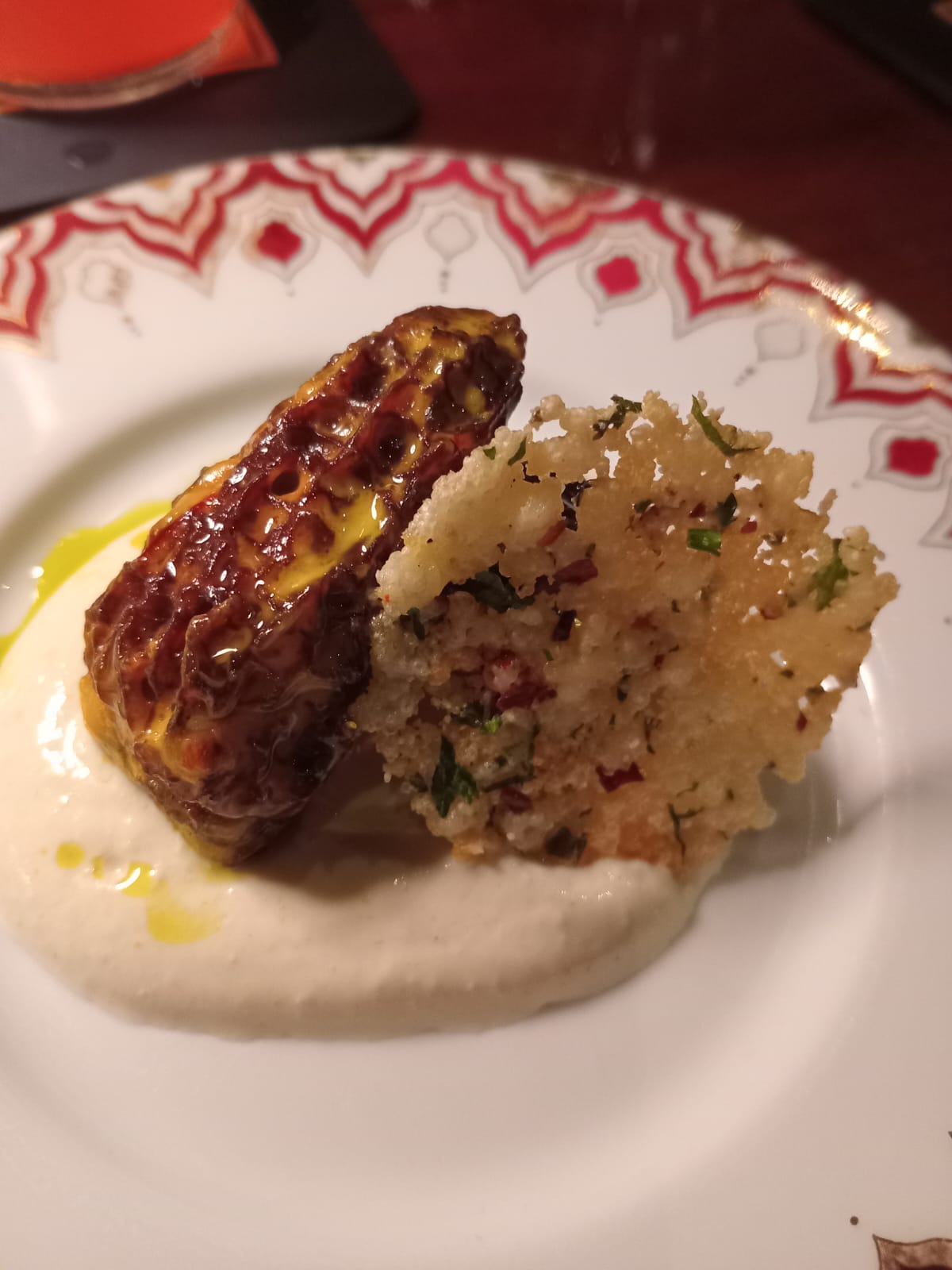
The cocktails are delicious. Some are smart too, paying obeisance to local Maharashtrian ingredients aka mango, kokum et al. Along with the stellar Indian food that is part of Aasmana – classics done with superb skill, with top quality ingredients— it make for an excellent evening of food and drink at par with the best anywhere in Mumbai, Delhi or Goa. There is a quiet internationalism inherent in everything: We have a decadent chicken malai tikka with shaves of black truffle from Piedmont, not some industrially manufactured truffle oil, luscious morel from the Himalayas stuffed with nuts on a cheesy foam with a Parmesan tuille, a buttery Chilean seabass (more often encountered in Japanese high end restaurants) cooked to perfection, lightly coated with the local green herby-chilli marinade (but done with a subtly of an Indian restaurant in London, so that the chilli doesn’t destroy the seabass) and such exceptional cooking.
It’s the best Indian meal that I’ve had in a long time— classic tastes done with precision and attention to detail that is fast fading in Indian restaurant kitchens with an integrity of taste not sacrificed at the altar of studied experimentation. That this should be in Pune, is a bit of a shock.
The city has often been regarded as “conservative”, as also reluctant to spend on luxury. But while frugal-ness has been in its DNA for a long time, Pune in fact has always been a bit of the iconoclast. There’s a cosmopolitanism and internationalism inherent in the spirit of the city since the 19th century that a luxury hotel like the Ritz is channelling — far better than any others in this market.
Iconoclastic meet international
A city of the Peshwas, Parsi enterprise and private universities, Poona, as it was called by the British, has been a city of learning, culturally and artistically sound, and moored in the middle class Maharashtrian culture that prizes a certain austerity, even as its “simple living, high thinking” philosophy has always meant that the people have been forward looking and have broken many boundaries, including those defined by gender.
The octogenarian filmmaker Sai Paranjpye, whose well-loved and acclaimed films in the 1980s captured a slice of the Indian middle class like never before or after, Dr Vidya Yeravdekar, pro chancellor of the Symbiosis International University, my aunt-in-law Latika Padgaonkar recently turned 80 and many more enterprising, independent and iron-willed women of this city also represent a society different from many others in India that are far more conservative and obviously patriarchal. This after all is a city of Savitribai Phule, the 19th century teacher and reformer, the first female teacher of modern India.
When I visited Pune first at the turn of the millennium in around 2000, the spirit of emancipation and the resulting safety, equality and opportunity that it created for women, was unique and facilitated inevitably and unwittingly many an adventure.
New Year parties at pubs in the Deccan (the posh military area that formed the centre of Poona) were quite the rage in 2000. And that was where we rang in 2001. Post party, my brother-in-law, an army kid who had come to the pub on his prized bike, refused to abandon it, and decided to walk back (sensibly) pushing it home, a good 10 km away. My husband too decided to join him on the road-walking, bike-dragging expedition. Meanwhile, I was persuaded to go home in an auto. It was in the wee hours, around 3 am, as the auto brought me home, I decided to venture out again! And rescue the struggling boys. Quite by chance, I had found a party of revellers who were returning on their own motorcycles from a party in our neighbourhood, and exhorted some of them to form a rescue party. I didn’t think anything of hopping on to one of their bikes, and we went looking for the boys and their bike, finding them on a dark road, and getting them back home before the crack of dawn. I can’t think of any other city other than Pune in India (or abroad) where such an adventure could have been nonchalantly undertaken—back then.
Since then Pune’s youth culture has changed.
Along with it, modes of entertainment and tastes in eating out too have changed as the FC crowd has given way to the Symbi set and the Y2K techies or Oshoiites have been overtaken by the MNC mid and top rung execs. But the internationalism and cosmopolitanism that has always defined “Poona” abides. To that a sprinkling of luxury experiences is now being added as a response to newer aspirations backed by enhanced travel from Mumbai and the rest of India, a real estate market that has been growing and increased connectivity. Some independent bars such as Cobbler and Crew have become chic destinations in their own right in the city, there are of course other middling but pleasant cafes, bars and breweries of Koregaon Park, and well-known restaurateurs and chefs such as Rakshay Dhariwal, Seefah, Rachel Goenka and Riyaaz Amlani have opened establishments in the city. But Pune has always played second fiddle to Mumbai. Now, it may be breaking through this barrier too.
 Of ice-chiselling at the table side and world class luxe
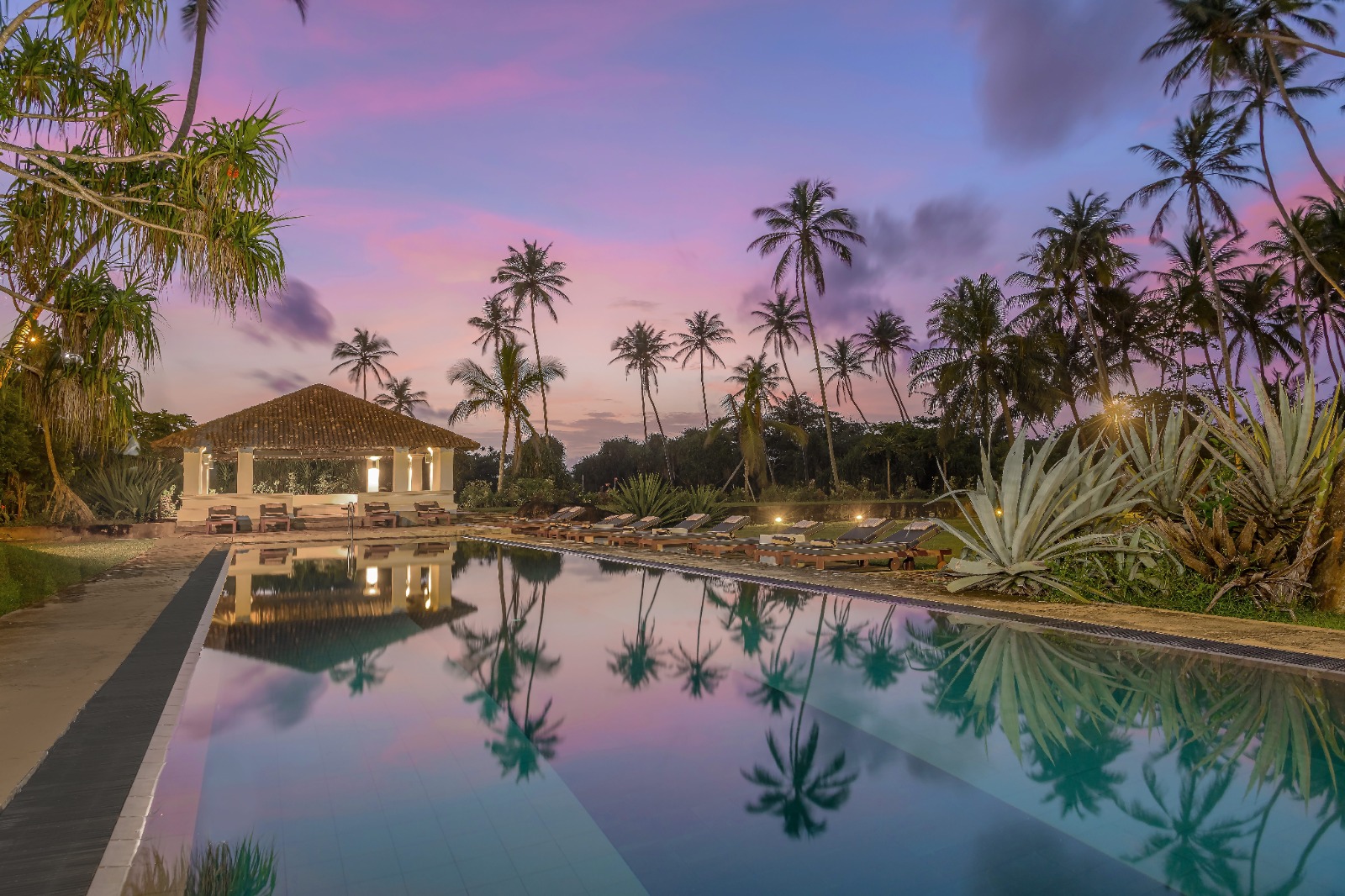
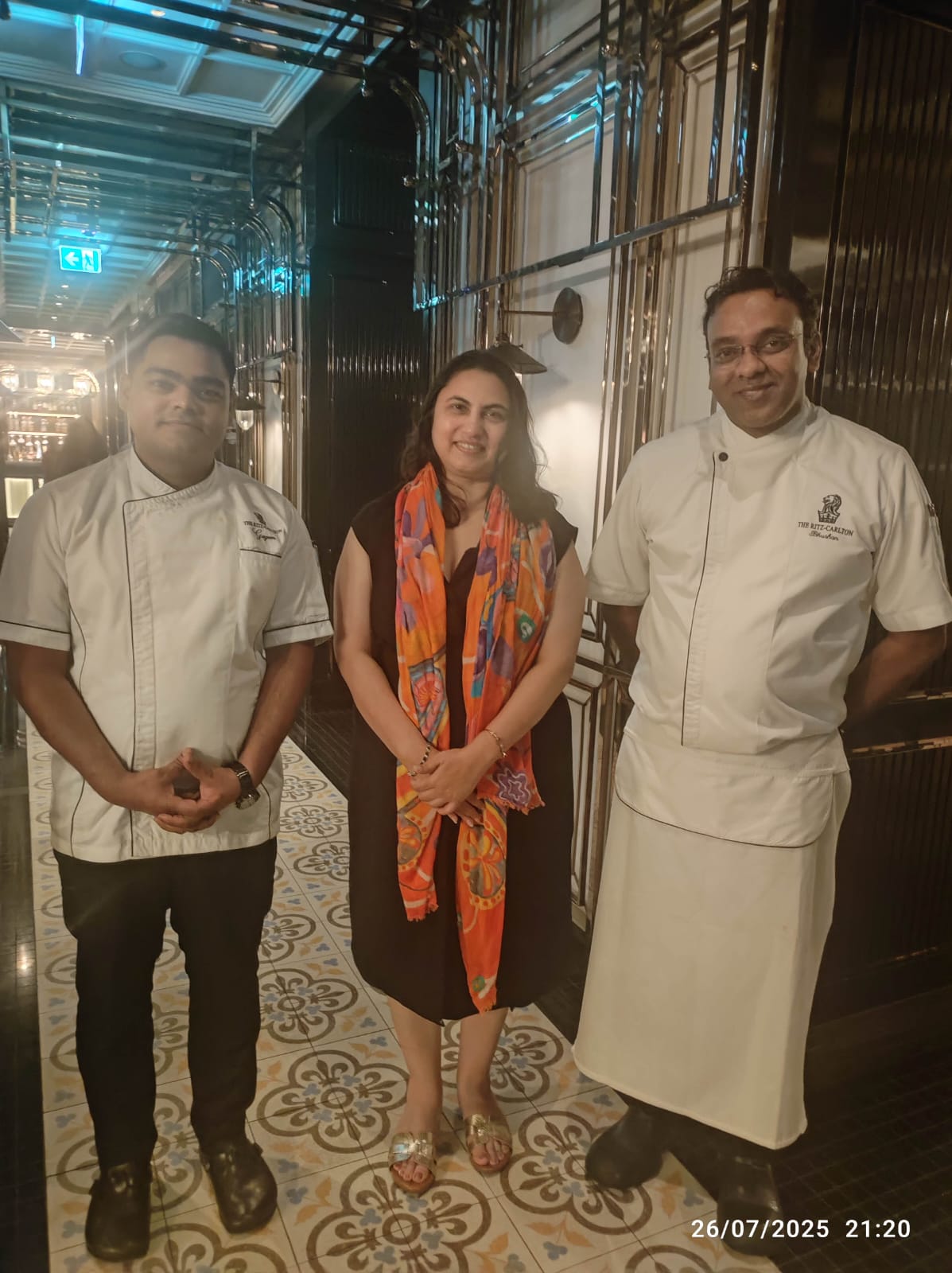
Of all the five star luxury hotels that have come up in the city in the last decade, The Ritz Carlton is the most luxurious and beautiful. It has become my choice to stay at each time I visit the city because I find the suites not just expansive and well designed, but the hotel to be exceptionally well run. In fact, hotels are as good as their general managers in my opinion, and the dynamic Nishant Vishwanath (who will be moving to St Regis Mumbai) is proof of that —the young team is exceptionally directed; with the mild-mannered exec chef Bhushan Sawant also deserving of far more recognition and spotlighting than he may be accustomed to.
There is no comparison with the other rather lacklustre hotels in the city. But it is not just about Pune: In fact, I find the Ritz Carlton here at par with other top brands anywhere in the country, whether it is a Four Seasons Mumbai or a Raffles Udaipur. That is saying a lot. There’s more: This year, as I returned to the hotel, I was in for a better surprise. The food and beverage has upgraded so much in the last few months that I would now check in only to spend a weekend enjoying the hotel and the city!
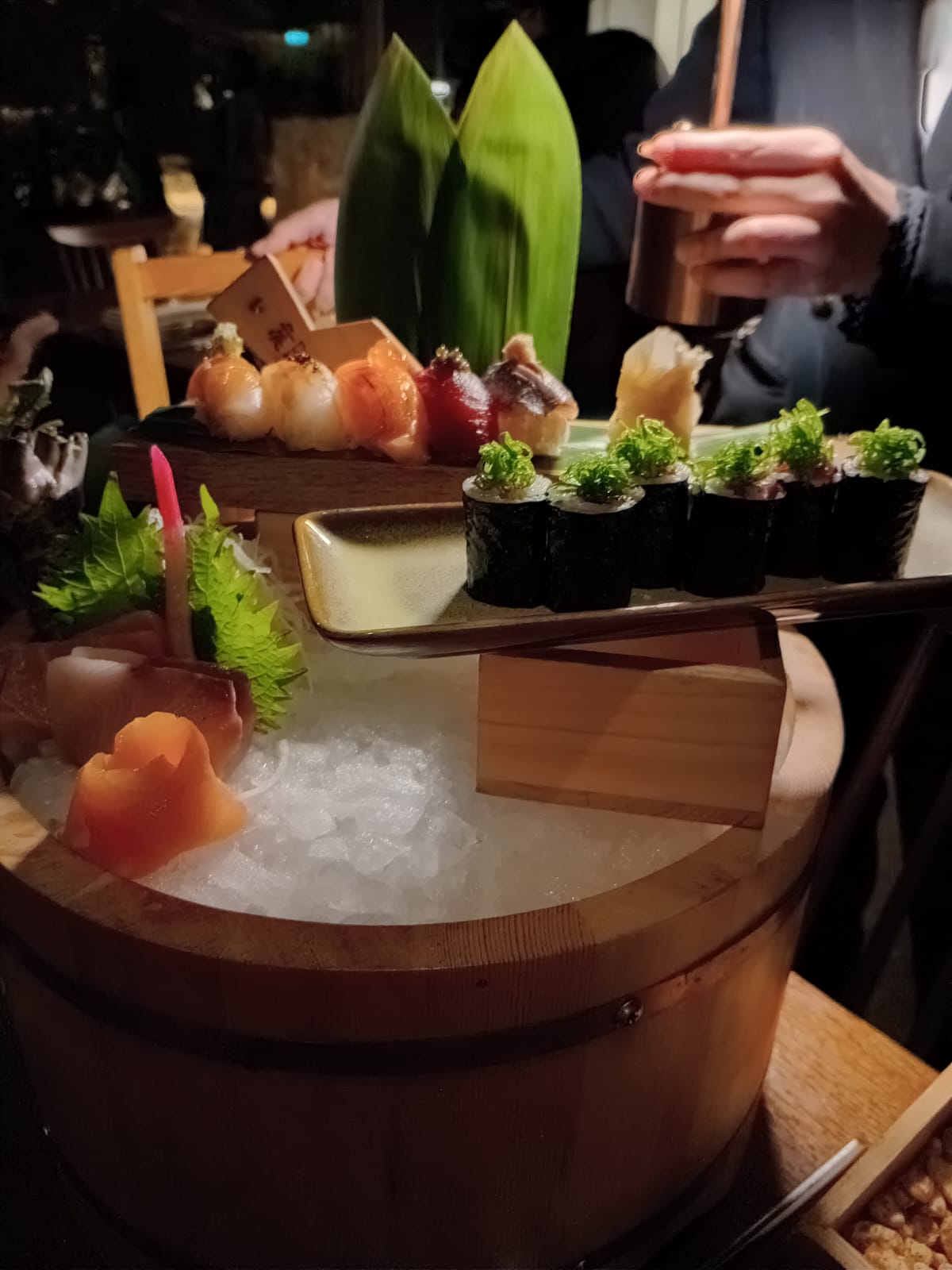
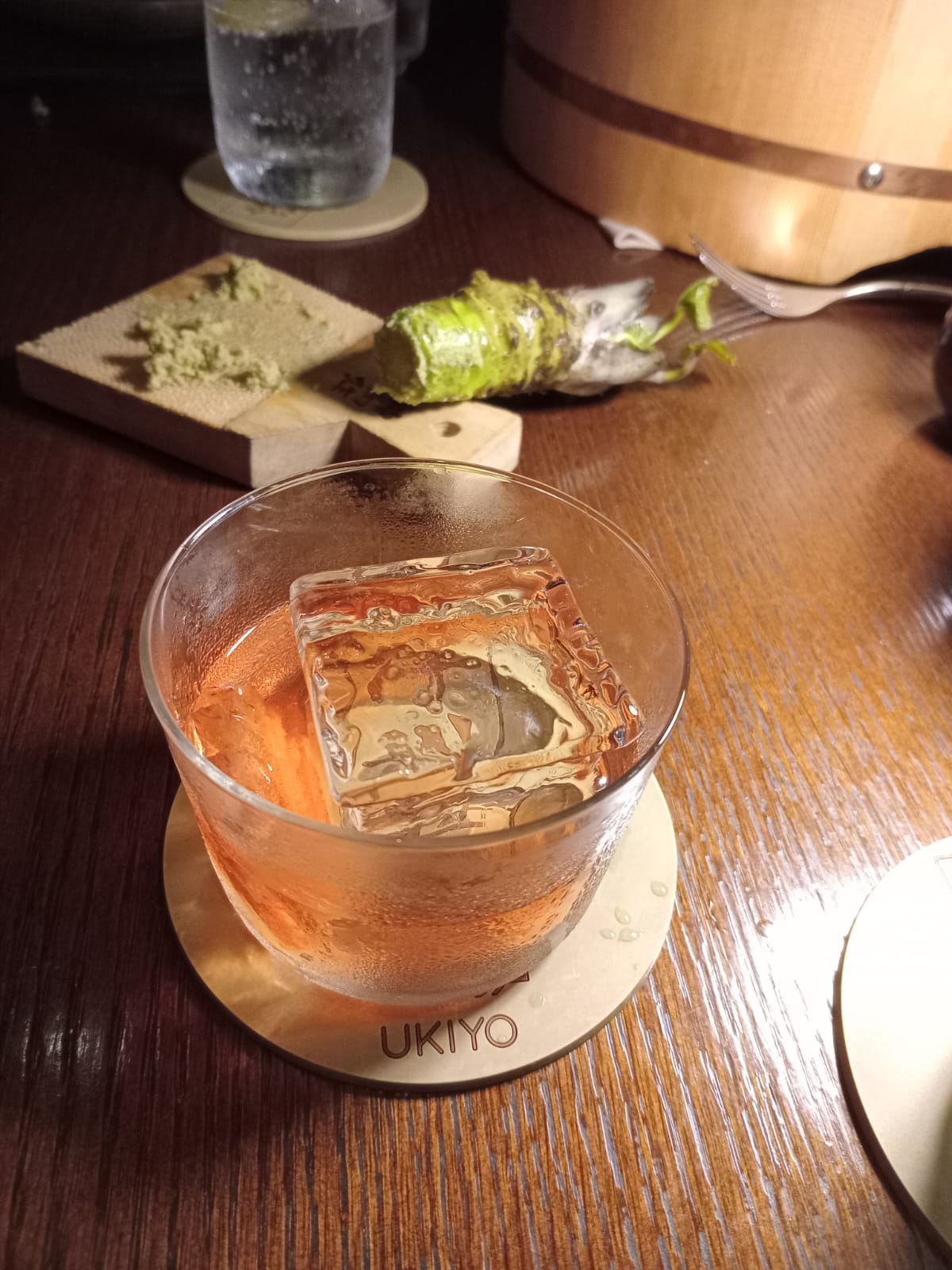
Ukiyo, the Japanese restaurant at the Ritz Pune, is quite popular but more importantly it serves excellent food that uses luxury ingredients, is close to “authentic” Japanese even if bolder in flavours. There’s a finesse in all the offerings—an entire section of gyoza, which are the Japanese pan-fried dumplings with their origin story in Gion, the Geisha district, instead of just all sorts of dumplings. The okonomiyaki is as enjoyable as it is in Hiroshima (quite the nightlife city, surprisingly). Fresh wasabi is grated at the table in a ritual that only Megu in Delhi does still and the sushi and sashimi are far better and top grade than what you get in any standalone in the country. There’s also a full sake list. Why Ukiyo should not be on most national awards/lists is beyond my understanding
This time, I had a fantastic cocktail experience to complement all this. And discovered to my pleasure, a very confident young man chiselling ice at the table side. This is a new experience on offer. And I have not come across something like this in any other trending bar in the country. Till about five years ago, the respect for ice and the precision with which a block could be “hand crafted” for your drink was a unique aspect of Japanese whisky and highball bars. Now, the young bartender at Ukiyo, who studied the art at the Uttarakhand Bar Academy in Haldwani (there should be a separate article on this school), expertly chisels a block for my complex drink that plays on umeshu or Japanese plum, with whisky in a take on the whisky sour.
Both Ukiyo and Aasmana are restaurants with bars that have just raised Pune’s dining by a mile. They are iconoclasts in a city of iconoclasts. And if they keep up the consistency of what they are offering, I will not be surprised if they start a whole trend towards some very discerning dining in the city. For now, plan a weekend getaway.