It’s not just cheaper, but craftier bang for the buck

As the India-UK FTA slashes duty on Scotch, the real benefit may not necessarily be lesser price for your drink, but more premium and exclusive sips
Anoothi Vishal
Scotch sippers will be raising a toast to the FTA signed between India and the UK on Thursday in a historic moment of trade ties between the two countries. Under the pact the whopping 150 per cent duty on whisky and gin imported from the UK has been reduced to 75 per cent in the first phase—to be eventually reduced to 40 per cent over the next decade.
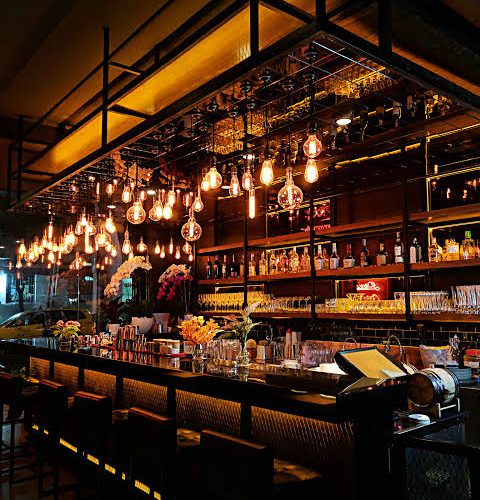
This rationalising of import duty is a welcome step for India’s bar culture that has been “growing up” in the last few years—with consumers choosing to drink better quality spirits and savouring creative experiences inside bars instead of just drinking more, and more of the cheap stuff! The one more shot please culture has been giving way to a more discerning lifestyle, where consumers seem to be maturing and opting to drink on perhaps fewer occasions, but drink premium, well-made spirits, cocktails and even wines.
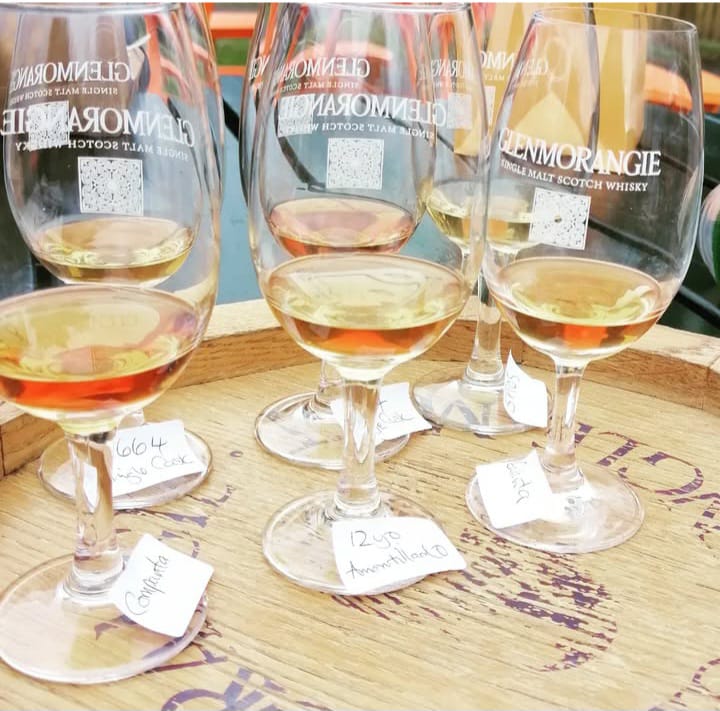
This is borne out by industry data—where the Indian drinks market has been growing in value more than in volume and premiumisation continues to be a distinct trend, even when it has plateaued in other mature and growing markets of the world. In India, this gravitating towards the better and the more expensive is driven by growing affluence, aspiration, as well as the annual addition of 15-20 million people of legal drinking age thanks to India’s demographics and younger population.
The bringing down of the tariff on Scotch and other UK spirits will hopefully give another big nudge to this propensity towards premiumisation — towards better quality alcohol, more boutique labels and craft spirits, as liquor companies and importers get encouraged to bring these into our markets without fearing that customers will be dissuaded by the overall price. Because despite the willingness to spend more on luxury food and beverage consumption (a trend seen in smaller metros and Tier II cities too), India is also very value conscious.
The bar industry is bullish on this reduction in duty — even though how the individual state governments tax the imports is still a question mark, and something that will determine customer choices in different cities eventually. However, on the face of it, with price benefit set to be passed on to customers, barprenuers and experts are hopeful that this will give a fillip to the overall bar culture.
I spoke to Rakshay Dhariwal of the landmark bar PCO (in Delhi and now also in other cities) that changed the cocktail culture in India and has seen many imitators of its speakeasy-goes-chic format and his sense rightly is that people will not pay less for their drinks. Instead, they will trade up for better and more expensive Scotch. “They might upgrade from a 12 year old to an 18 year old, and we will also see many more boutique-y brands coming in.”
Some of the more interesting and expensive spirits that you couldn’t find in many Indian bars should also be now more readily available with their prices being rationalised—if the halving of the duty is passed on to the customer eventually. “Lagavulin 16 had been discontinued in some states, it will likely resume. There are also spirits such as The Compass Box range, Glenfarclas 25, Arran 10 etc that will possibly enter (the Indian market)”, says Dhariwal.
India is one of the few global markets for alcohol that has been reporting consistent growth, as growth tapers off in many more mature markets, excluding the US.
Vir Kotak, entrepreneur and beverages connoisseur says, ” a problem faced by the industry is also the high cost of annual label registration in some excise jurisdictions. If this is progressively relaxed, you can see an exponential jump in SKUs of various variants of more mass single malts and blend brands, and equally importantly, limited run bottlings like single cask bottling by independents.” He further adds, “eventually you should see more whisky focussed bars with wider selection lists. The Indian proclivity for whisky, the expansion of the economy and now this should make it possible to have 2-3 of these in each metro city.”
Against a backdrop of 1 per cent total global growth in beverage alcohol in 2022, spirits volumes in India grew a solid 12 per cent. According to IWSR data, as value growth continues to outpace volume growth in every category of beverages, premium and above scotch is set to grow at a CAGR of 13 per cent till 2027, and malt scotch at 19 per cent CAGR in the same period. This is among the highest in the world: With global economies shaky, premiumisation is stalling in many markets, including China, where, the outlook has turned more cautious. According to IWSR data, volumes of premium-plus spirits declined by more than 3 per cent globally last year—with agave and Indian-made high end whisky being exceptions to the rule.
India is also Scotch’s biggest importer by volume. However, imported spirits form just a small percentage of the over all market, which is dominated by made-in-India spirits. In the last few years, home grown Indian whiskies have been hitting it out of the park with their premium plus products capturing imaginations in a highly aspirational market. The made-in-India badge is now a badge of pride, a far cry from the Colonial underpinnings of “IMFL”. In fact, premiumisation has meant that Indian single malts now command prices at par with expensive Scotch and Japanese whiskies. According to IWSR, Indian whiskies are available from Rs 500 a bottle to Rs 13,000 plus, at par at the higher end with expensive imports.
As Scotch prices come down, (and if the duty cut is passed down to the customer), premiumisation will get a further push. “Opting for a higher category product has been gaining momentum in the last few years, but this move could give it a major push. Lower duties can open doors for mid-range scotch to tap into a wider audience, encouraging them to trade up”, says Nitin Tiwari, an industry veteran, widely known as “Mr Bartrender”
What also seems definite is that the battle for exclusivity will hot up. Indian whisky makers too may up the ante in response to better and “craftier” imports.
In all this, hopefully, the consumers will have their glasses more than half full.