Keep Greece and India Eating Together!

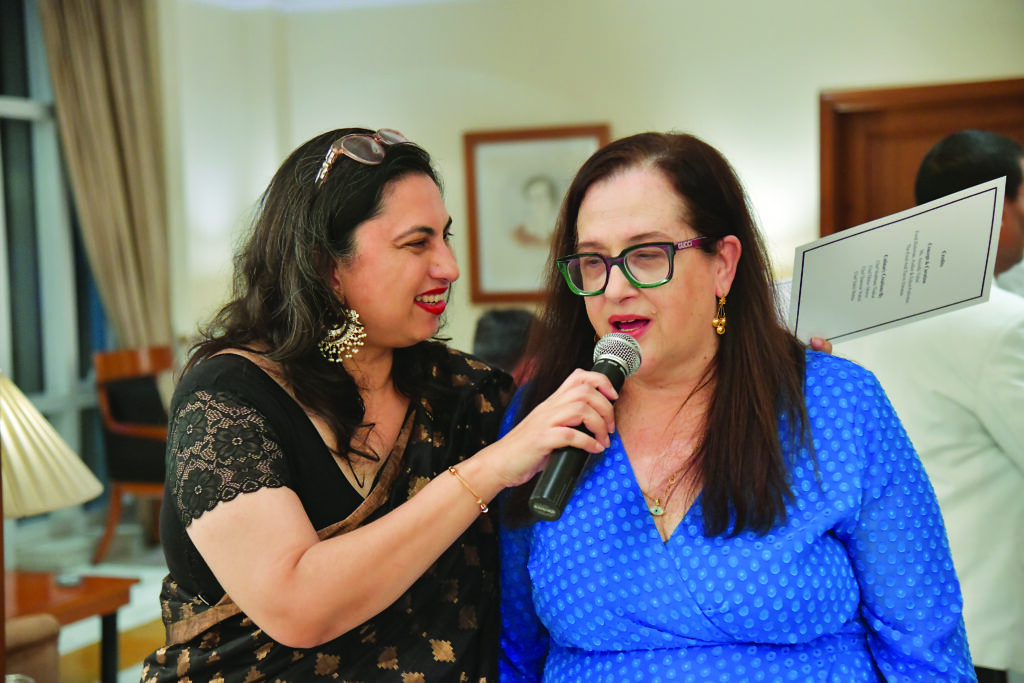
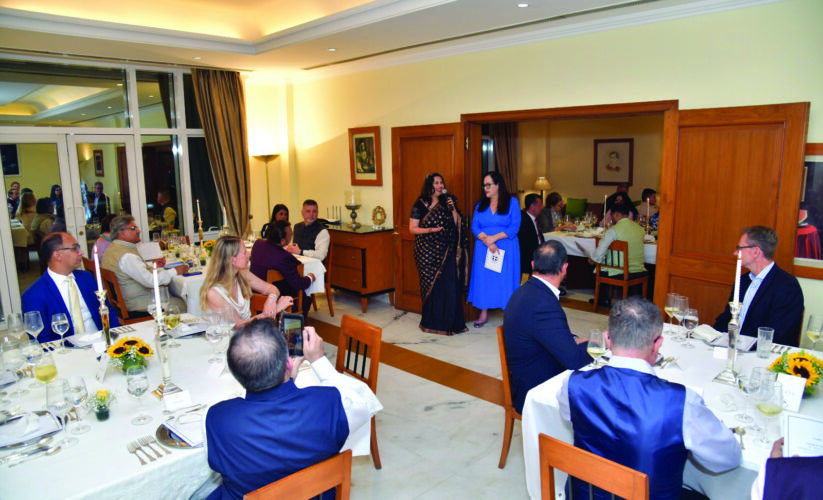
Diplomacy does not always happen across
a negotiating table. Sometimes, it happens
around a dinner table: An ambassador
shares how while roaming through the
corridors of power, she has realized that a
table is never entirely neutral territory.
By Aliki Koutsomitopoulou
Gastronomy allows nations to tell their story,
without delivering a speech. Local ingredients
speak of geography; traditional recipes preserve
history. A meal can communicate identity, pride
and hospitality more naturally than any official communiqué.
A shared meal can create trust, warmth and curiosity—the
conditions in which meaningful dialogue becomes possible.
Diplomacy begins with communication, and communication
often begins with hospitality. Around a table, official titles
become less imposing, unfamiliar cultures become more
approachable, and strangers discover common ground.
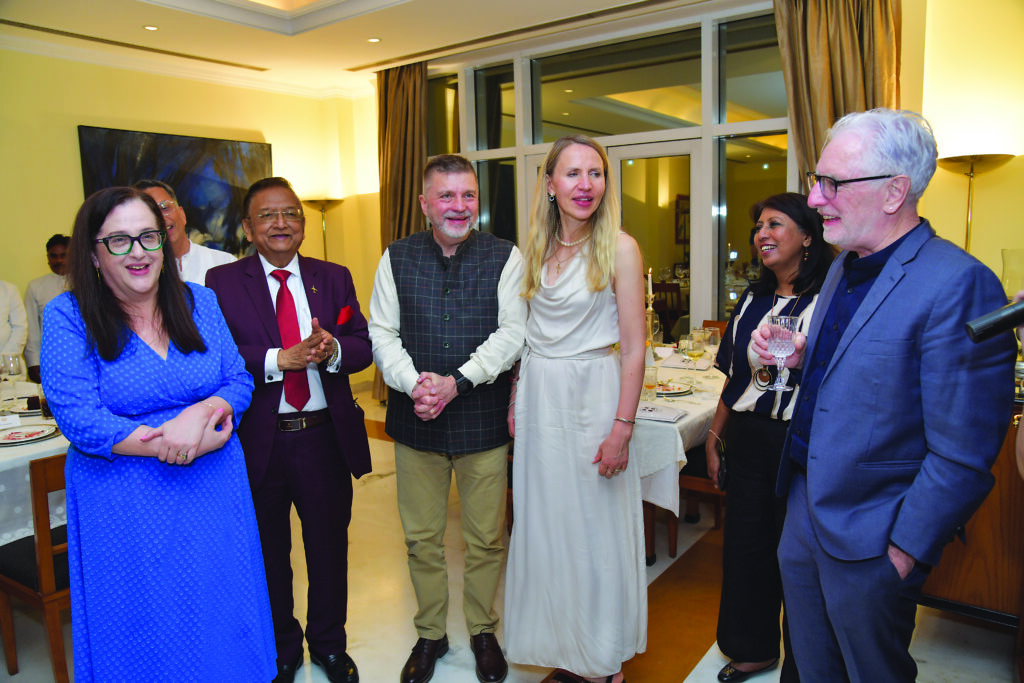
Roaming through the “corridors of power” in different
capitals around the world, I have been lucky enough to build, alongside the official diplomatic record, a rather more
personal — and edible — archive of diplomacy. Certain
travels and meetings return to me through flavour: a delicious
lamb leg with prunes served at the conclusion of negotiations
in Rabat; an orange-pumpkin soup at Hyderabad House that
soothed the soul after a long day; a generous mountain of
familiar, delicious dolmas in Cairo.
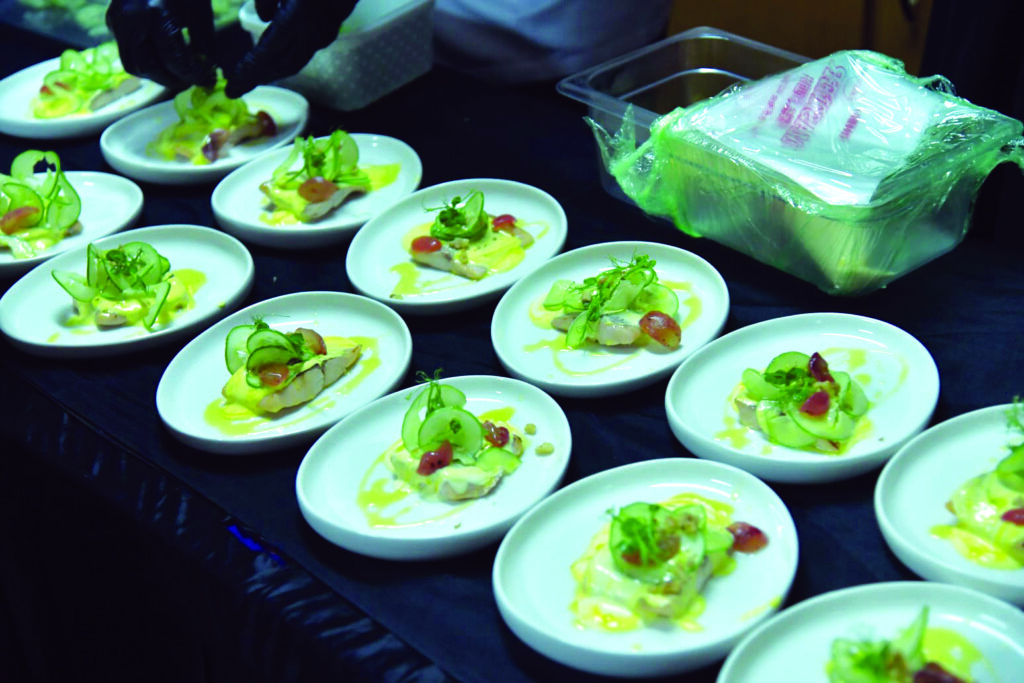
There have, of course, also been less successful encounters
with hospitality — occasions when a meal felt more functional
than welcoming. I shall spare the details. They were
nevertheless useful reminders that gastrodiplomacy, like
diplomacy itself, depends on attention. There is a difference
between feeding a guest and making a guest feel welcome. A
thoughtfully chosen meal communicates care, curiosity and
respect before anyone has said a word. A careless one can
communicate something too. In that sense, the table is never
entirely neutral territory.
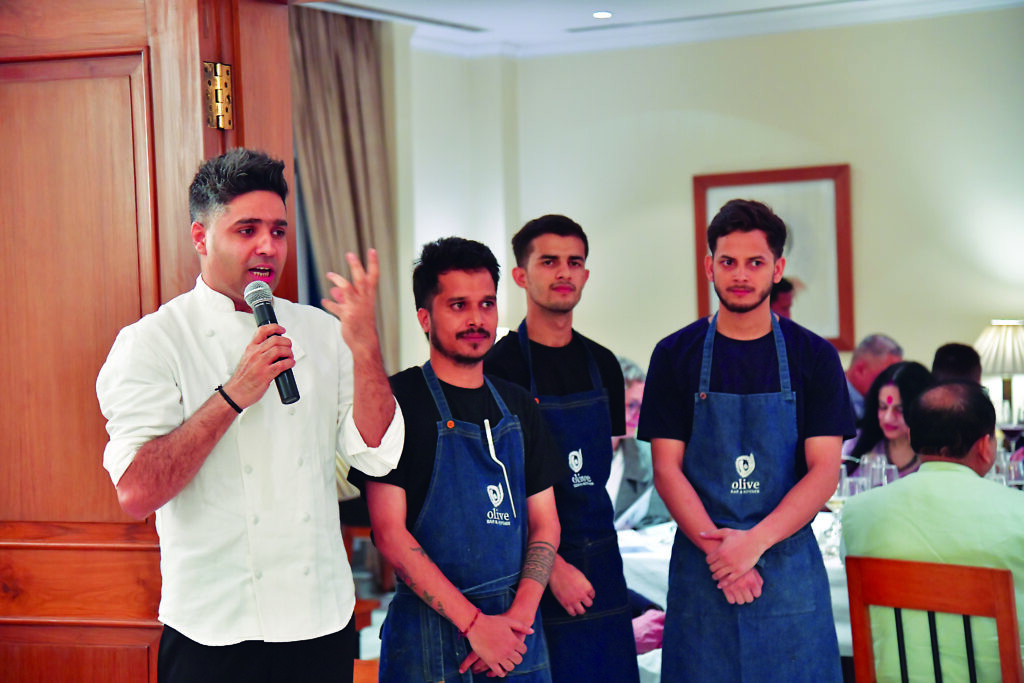
Perhaps this explains why food remains so firmly
attached to diplomatic memory. We may eventually forget
the wording of a communiqué, but remember perfectly what
was served afterwards — and, even more importantly, how
the occasion made us feel. Gastrodiplomacy is soft power
when it is used with purpose.
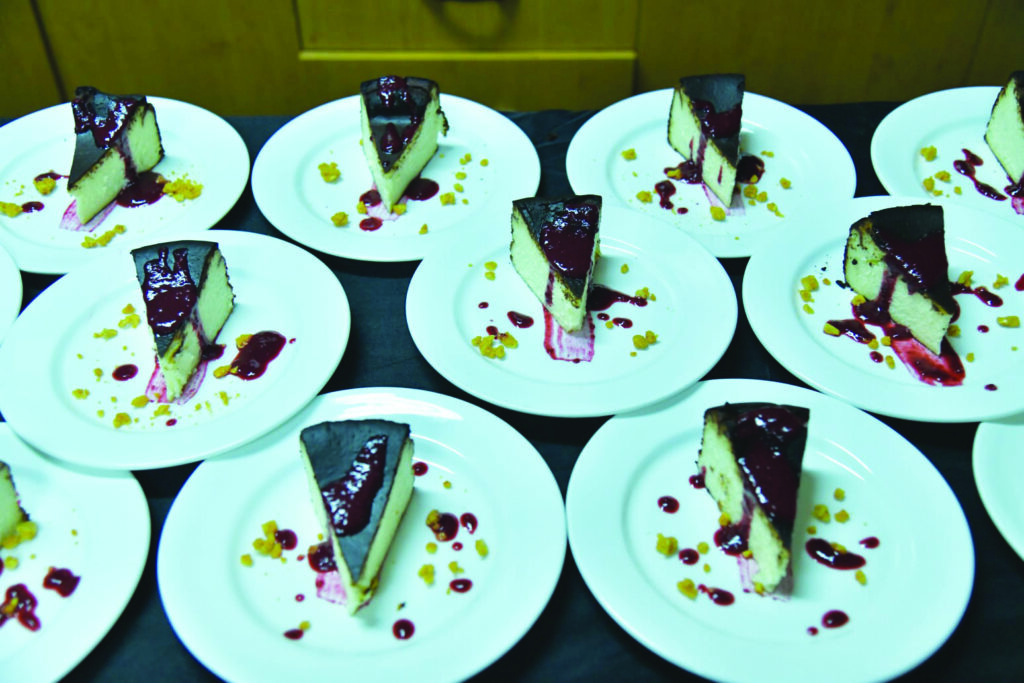
For Greece, gastronomy is not an accessory to our national
image. It is part of it. We do not need to invent a gastronomic
identity. We already have one. The challenge is to turn
recognition into value. And Greek food never travels alone.
It carries with it a place, a landscape and a story: olive groves
and vineyards, islands and fishing boats, sun-drenched
hillsides, village tables and long lunches. Greece should taste
of somewhere: of a landscape, a summer, a table, a memory.
If food is one of Greece’s strongest forms of soft power,
we should use it deliberately — as an instrument of cultural
diplomacy, tourism promotion and economic diplomacy.
Embassies and Economic and Commercial Affairs Offices
can help turn a good dinner into a good opportunity.
Serving Greek wine is hospitality. Explaining the grape,
the vineyard and the region is country branding. Introducing
the producer to an importer is economic diplomacy. That is
the progression we work on.