The quest for the “best” ends here!

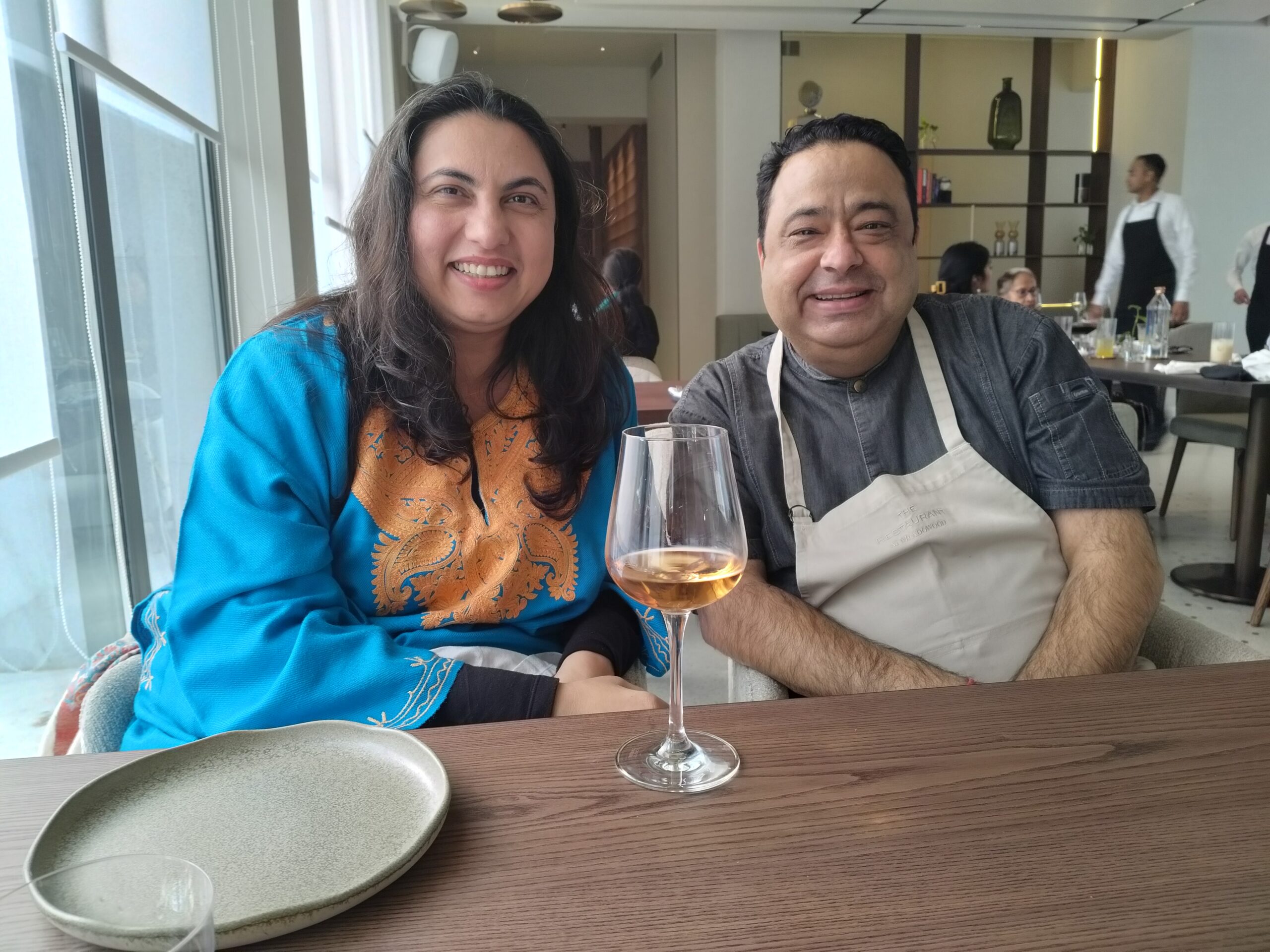
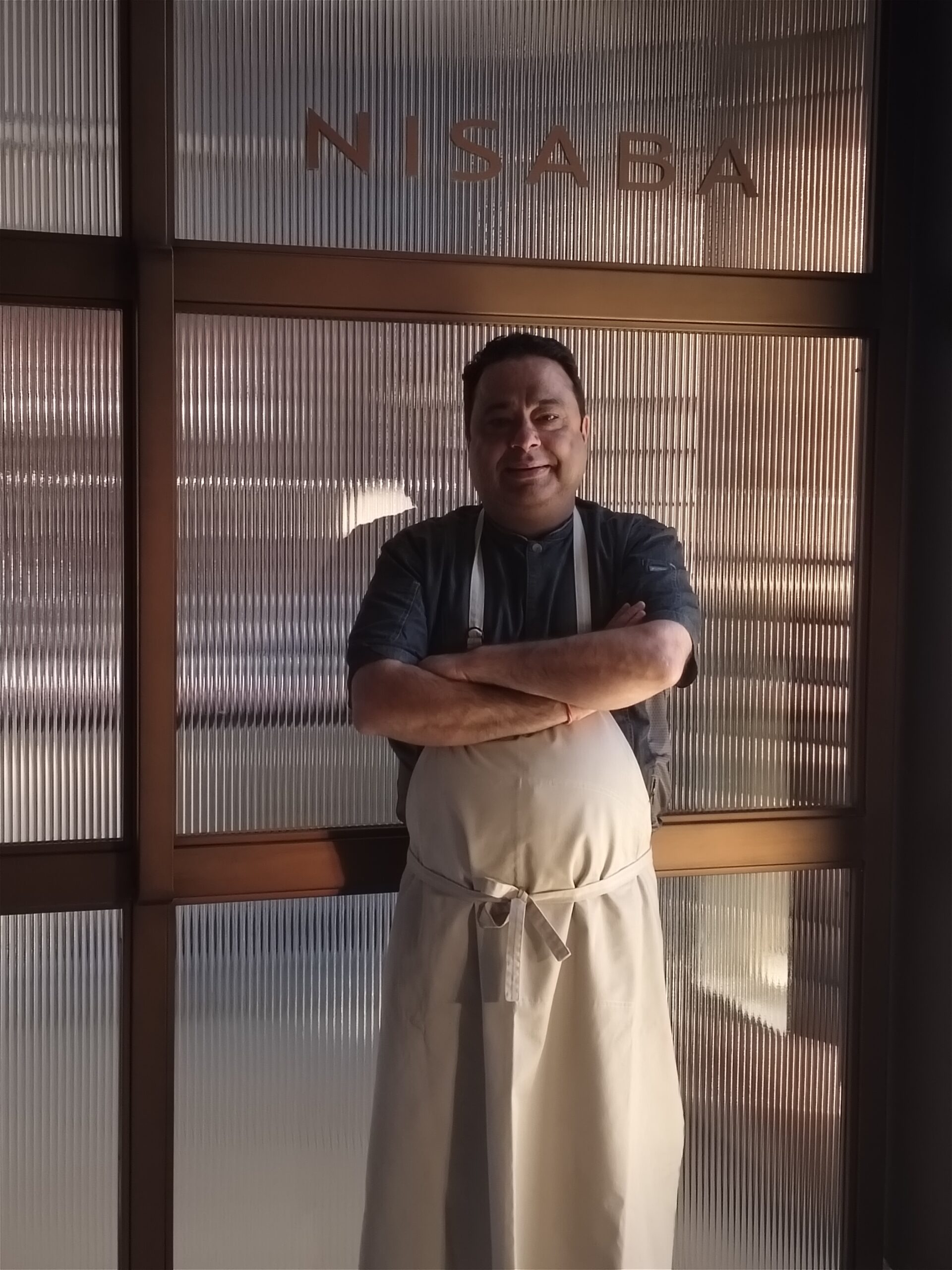
At Nisaba, his debut as chef-restaurateur, Manish Mehrotra serves up a masterclass in how to upgrade pan-Indian food within the context of our long and deep cultural memory — without the lure of “reinvention”
By Anoothi Vishal
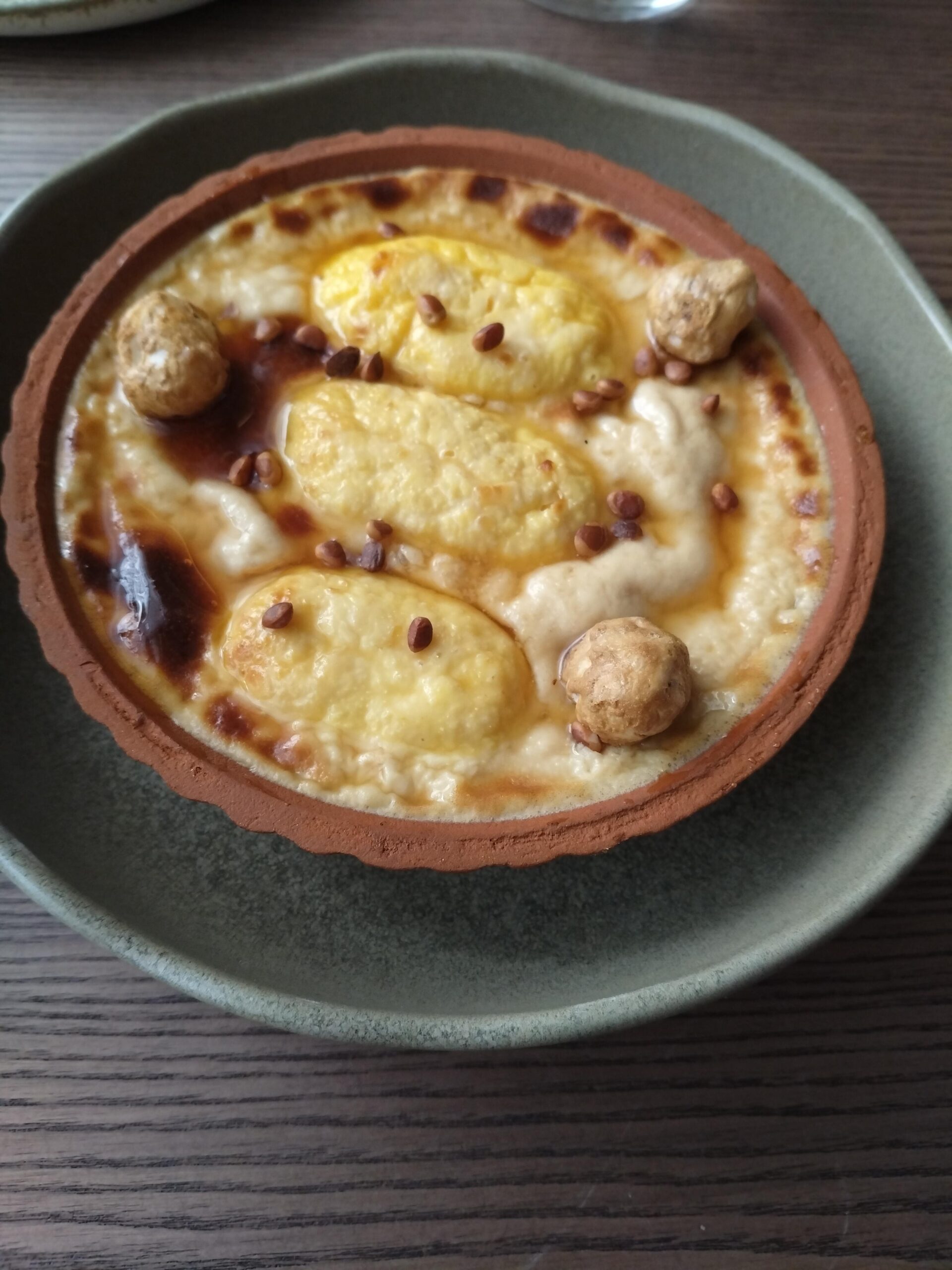
At one point during the meal at Nisaba, chef Manish Mehrotra’s first restaurant as a business-owner not just kitchen-deity, he mentions an episode of binge-eating. During the food trials, when the baked rasmalai-with-toasted chironjee that’s on the menu turned out well, he decided to take some home for his mother. “I thought, she’d enjoy some rasmalai. But when I reached home around 1 am, and started watching a movie late into the night (Mehrotra has always been a big fan of Hindi cinema), I craved a snack… soon enough, I had polished off all the rasmalai. It’s really not a good thing!” he laughs.
It’s this joie-de-vivre, a love for food and life that punctuates every dish I have that afternoon from a menu that feels deeply personal even as it revolves around the big and pop dishes that every Indian recognises and craves.
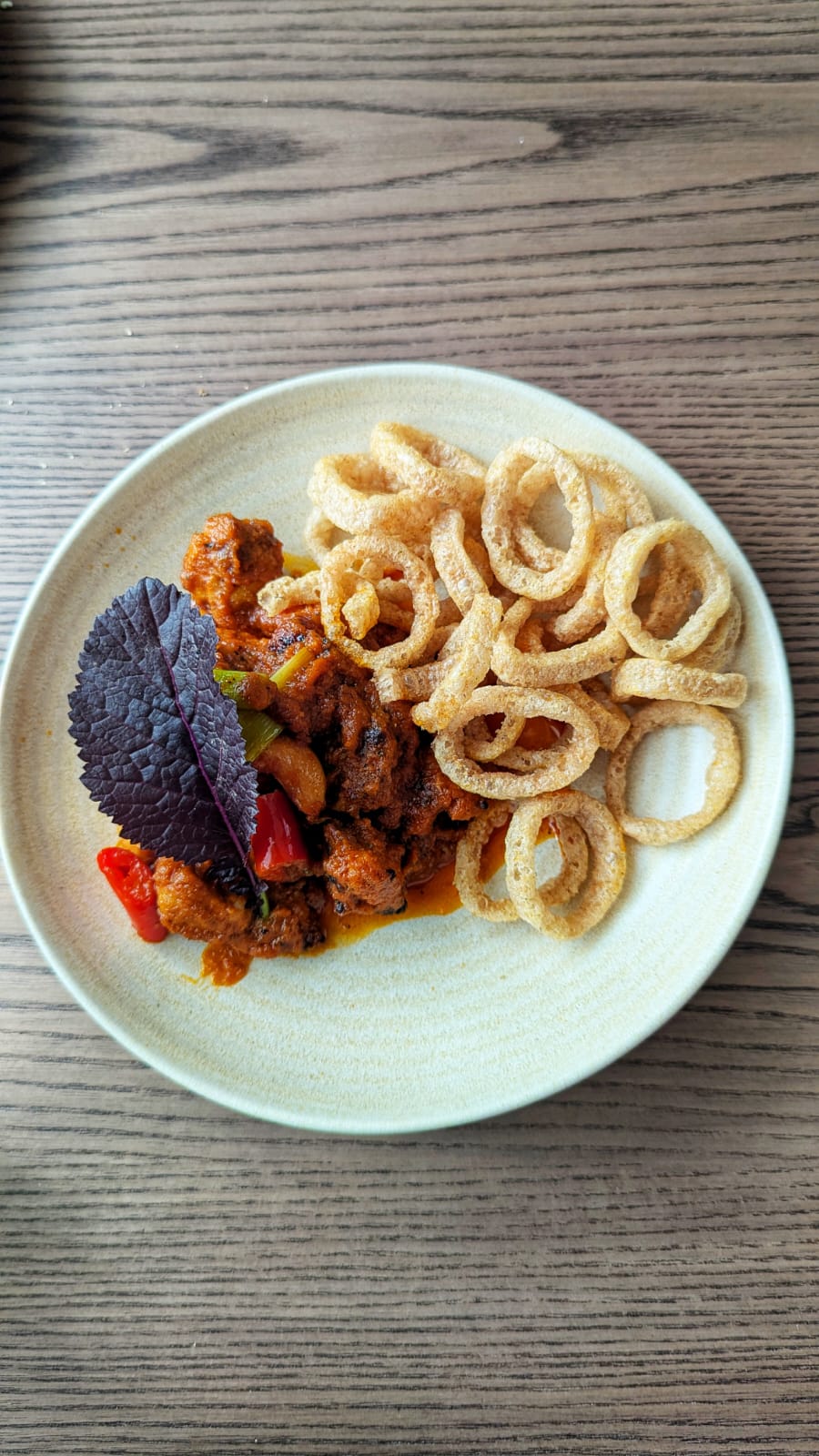
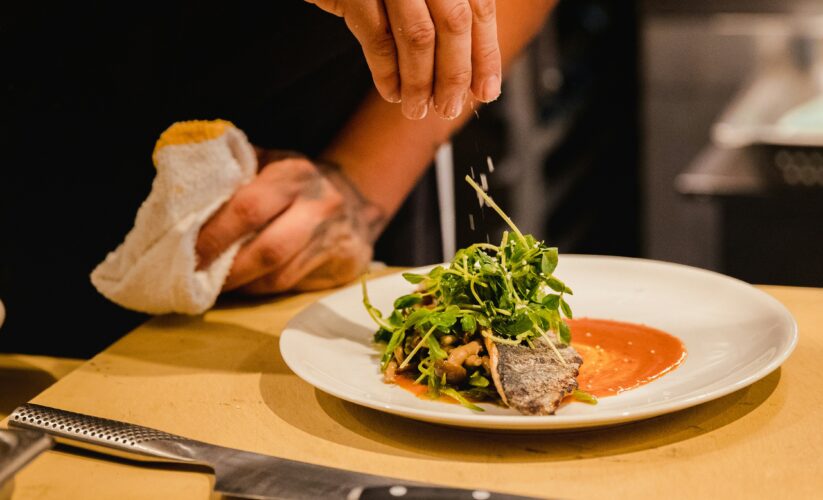
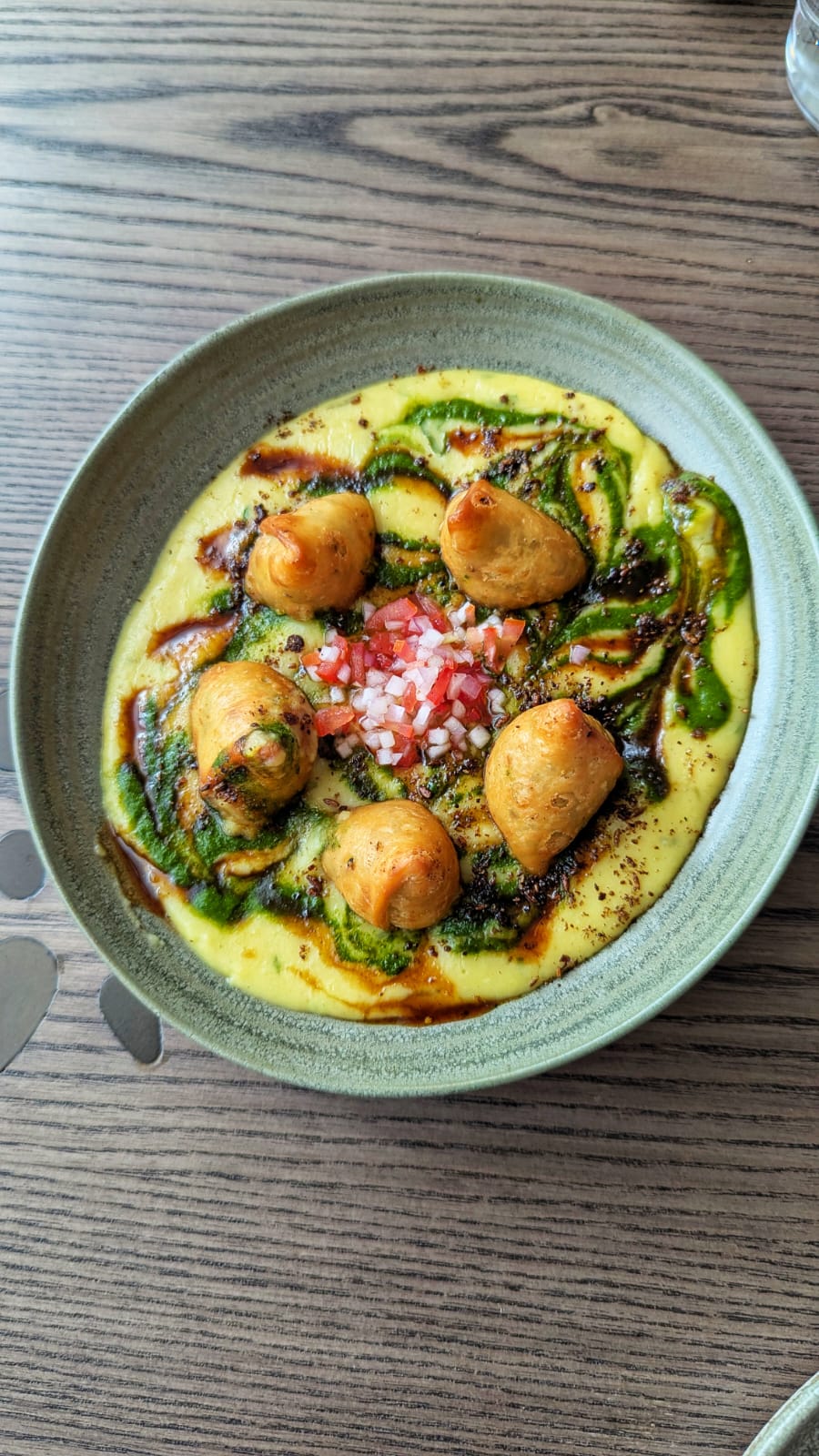
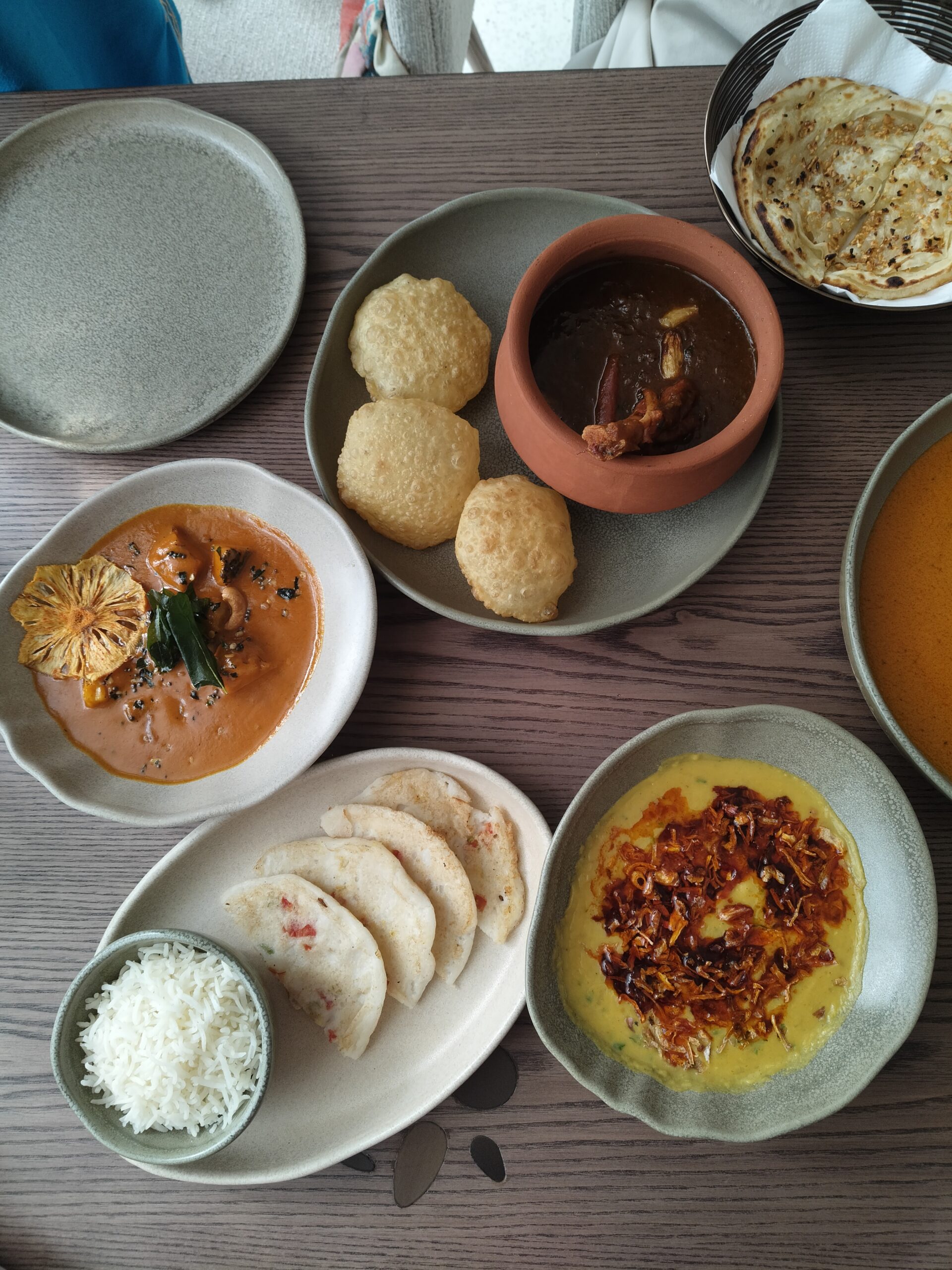
There’s butter chicken, its makhni gravy smoked to mimic the small charcoaled bits from the tandoor that you’ll find mixed up with grainy tomato sauce in a true-blue Delhi classic; but here, the dish also incorporates slices of pickled red shishito peppers, referencing the vinegared onions of tandoori restaurants but without their dowdiness. The pickled-for-three days mirch adds another dimension to the butter chicken (without making the Rs 3000-per-kg peppers the star). There’s well-braised Motihari mutton (aka Champaran meat; Champaran is a district, Motihari its main town), paired here excellently with light sattu kachori (done by a halwai from Bihar, Manish has employed). There’s an Udupiesque pineapple menaskai, piquant and bright, a makhmali paratha where the dough is cleverly half potato-half maida for a gnocchi-like velvet-iness, first-rate chote samose with luscious Muradabadi dal (that got national attention via Indian Accent while Manish headed those kitchens) and a crab masala with buttered buns that could be your tawa-bheja or anda fry elsewhere, addictive everywhere.
All these are big, popular dishes of the Subcontinent, well-loved and part of our larger cultural memory. There is no attempt to reinvent anything; or to show off technique or novel ingredients. And yet, it is not just the perfection of the cooking, but the layered nuances in every dish that elevate the familiar and the wholesome to the sophisticated. This is the best pan-Indian food in and outside India currently, basis an interplay of taste, cultural memory, and sophistication. And I don’t say this lightly or as a hyperbole.
Why Manish Mehrotra is head and shoulders above every other Indian chef
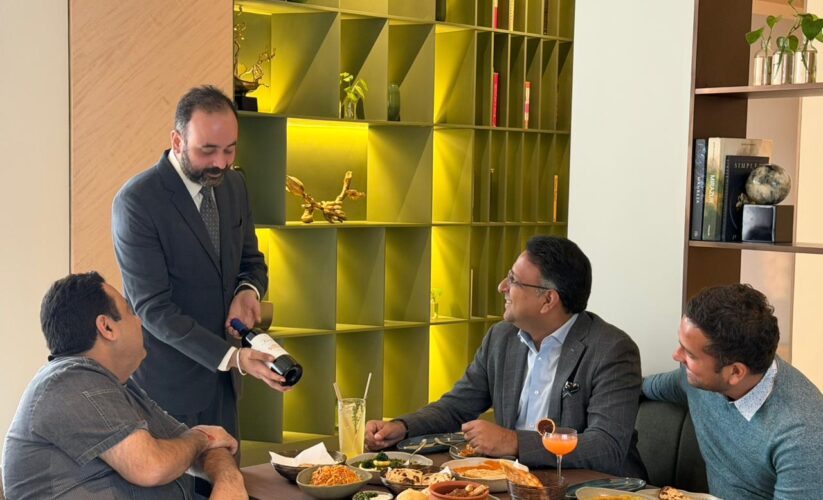
A mild sun streams in through the large glass windows, reflects off the clean lines of chic internationalism that let the local Sunder greens in. There’s a cool, dry Provencal rose in my glass; the wine list dotted with Sassicaias and Gajas of the world but also eminently drinkable wines that don’t cost a fortune. The service staff is particularly well-trained – including in crucial details such as suggesting what “combination” goes with what (kachori-mutton, khameeri or yeasty tandoored breads-chicken, buttered buns-Mumbaiesque tawa masalas et al; Indian food is eaten in combinations something that a surprising number of Indian chefs are oblivious to.) But all these details are not the highlights.
It’s with some reluctance that I have gone to Nisaba that afternoon, arguing to myself: There’s no point in anointing the already-vaunted in an age when every chef gets hailed an artist and everyone with a phone a writer.
In the 17-18 years I have known him— from even before Indian Accent, his alma mater that is a cult, existed— Manish has always worn his medals lightly. What sets him apart is not technical mastery that must in any case be expected of top chefs, or studied, performative attempts at championing ingredients or the supposed avant garde. There’s no theatrics to the food of the kind you may find in Gaggan Anand’s creativity — an offshoot of Gaggan’s maverick personality (expect a full comparison between the two top Indian chefs with cult global status later in the year).
What Manish has and which cannot be copied by the many imitators of his food, even his understudies, is a genius palate or talent, as you may call it. The way he tastes the nuances of any dish —and he is fond of food, picking up crisps and chips from neighbourhood stores, kachori from Jaipur, pickles and podi from Chennai, trying out new restaurants everywhere and in particular with his daughter Adah — and the way he then then uses this innate instinct with the full force of his knowledge, experience, technical skill is unparalleled.
This is best explained via a dish like the butter chicken on our table – a common Indian classic you’ll find in every hole-in-the-wall restaurant in Delhi. But when Manish puts it on his menu, accentuating all the small details that make up the essential deliciousness of the dish via added elements and technique, it is so elevated in taste and refinement that even die-hard street food fans may claim this cheffy one to be the “best”.
This sort of quest to perfect and better existing versions of a dish within the Indian cultural context is in fact part of a larger culture of connoisseurship that has always existed in the country– within homes, and on the streets, and of which not just the affluent but the less fortunate are equally a part. The essence of Indian cooking lies in relentless improvisation— but it is never a quest for just experimentation for vanity.
Instead, like Sita Devi, the Maithli cook in my home, often tells me, “abhi aur hone dijiye” (let it simmer or braise more, slowly), each time I try and “quickly” cook something.
Patiently concentrating flavours by bhunoing, small adjustments to layered spicing, adding a dash of freshness via a herb, finding hacks to make the pakori lighter, the poori flufflier, the boondi finer, the khasta crunchier, the gravy tangier is an everyday quest by both cooks and consumers in every strata of society. Which is what explains also why even the common man may patronise one particular halwai or street food shop, while the establishment just across the road stands empty. The quest for upgrading or better the existing is a preoccupation; connoisseurship that intuitively understands depth over novelty for novelty’s sake. This improvisation is part of other cultural activities too. We see the same in Indian music, where the same bandish within the same raag is never sung the same way twice and the quest is to go deeper within and explore, not outward.
The vast difference that exists between Manish and the next rung of India’s and Indian top chefs is that Manish, without perhaps intellectualising this paradigm, is its truest proponent.
The way he innately understands and hones flavours is unparalleled and an artistic gift. I had a first-hand experience of this a few years ago, when I had collaborated with him at Indian Accent to do a pop-up of Mathur khana that my family is known for (and a legacy around which I wrote Mrs LC’s Table). Lauki ki lauj, the humble but quintessential old-Delhi home-style mithai, with the humble bottle gourd cooked in ghee and milk, set on thalis or trays, cut into squares and served as dessert, was on the menu. I sat at the table with Manish tasting and approving the food, as the kitchen sent out dishes one by one. When the lauj came, I approved it, ready to accept a dish that was only 80 per cent there. But Manish didn’t. “Abhi thoda aur bhunna chahiye, phir maza aayega”, he said and sent it back. More caramalised. More fun. More delicious.
When the chef likes to binge on his own food, you can trust it. Par excellence, if the chef is Manish.
(Cover pic: Founding partners Amit Khanna, Binny Bansal and Chef Manish Mehrotra)