The Slow Puff

Kwality, the iconic 86-year-old restaurant, once the jewel of India’s first multinational restaurant empire, is cautiously scaling up. What does this tell us about how to grow fine dining
By Anoothi Vishal
In Gurgaon, Cyber Hub is buzzing with its evening crowd; not necessarily office goers but mostly younger millennials and Gen Z who have come out on a Wednesday evening in pursuit of good times ostensibly — despite the mercury hovering close to 44 degree C that day; a working day too.
It’s early yet. Just 7 pm, but the restaurants are filling up. Later that evening, when a friend and I decide to go do our own survey as to the state of eating out in this microcosm, we find, the full- service dinner places all quite full; a few snacky ones, and a few devoted to sips primarily seem relatively empty by contrast. People do seem to be dining whole heartedly.
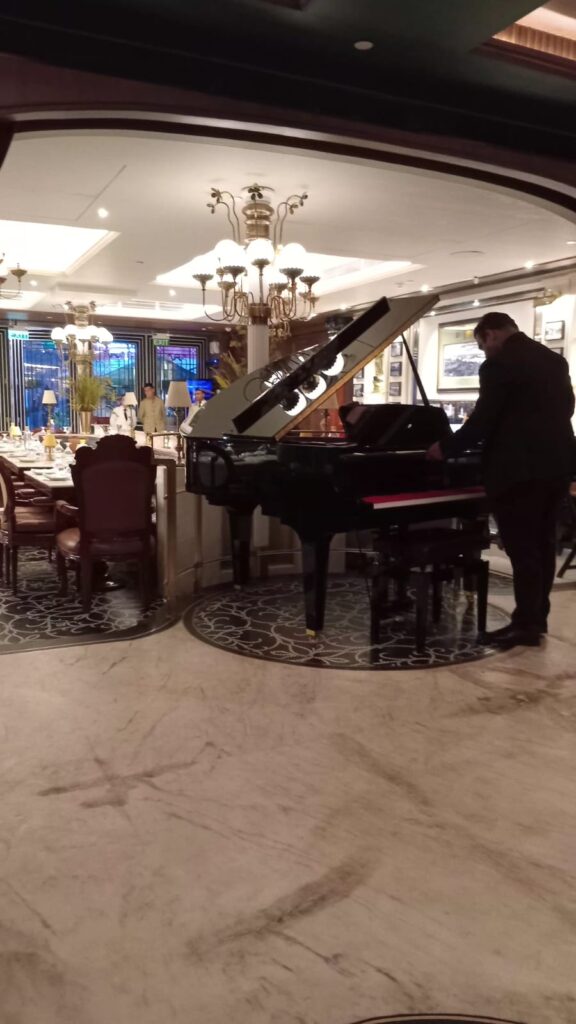
Kwality that has just opened up here is choc-a-bloc. The pianist is playing not just old Hindi film numbers that regulars of the venerable Delhi establishment such as yours truly are wont to hum, but today, there is Elvis and Titanic too… Gurugram, after all, is considered to be more cosmopolitan with its glass and steel towers, frenetic matcha, expensive schools, and CEOs and CMOs who inhabit this universe when not on a flight! Delhi in contrast has gentler rhythms — the amaltas and gulmohar still bloom on salubrious days, and we tend to get nostalgic over such products of faded privilege as the Delhi Gymkhana that the Dahlias and Aralias club house members may gape at!
Kwality, now turned 86, one of India’s most famous legacy restaurants that has fed generations of diners since before Independence, has been a poster child of the old world. Of black and white photographs, sweeping, elegant arches, and stories where a remarkable number of parents or grandparents of our generation sipped coffee in its tea room, got proposed to and such. How does an icon with such emotional moorings in a distant world move to a new one, and be relevant to denizens who have no nostalgia? It’s not just Gurugram: The restaurant is slowly embarking on an NCR wide expansion, with outlets in Aerocity and Noida on the anvil. As I contemplate how heritage and old world charm will navigate a new world and its Gen Z, Gen Alphas, it becomes apparent that Kwality intends to be sprightly —- but thankfully without sacrificing its soul.
Enter a rather gorgeous courtyard, and you find Cyber Hub’s noise fall away.
Inside, the lights are dim, couches plushly upholstered; vintage photographs are on the walls, and you may peep into an alcove and find a strikingly handsome horse oleograph or Polo sticks mounted on the wall. For those who bereft of their Gymkhana membership, here’s that charm nevertheless, for the price of a dinner! A gleaming piano, a centrepiece in CP at the original Kwality, is here too– brings back an India of the 1950s and 1960s. Dilip Kumar, Shammi Kapoor, Rajender Kumar take your pick. But by some sleight of hand, it adds up to not as much a montage from a B&W classic as contemporarisation a la Bridgerton, if you please.
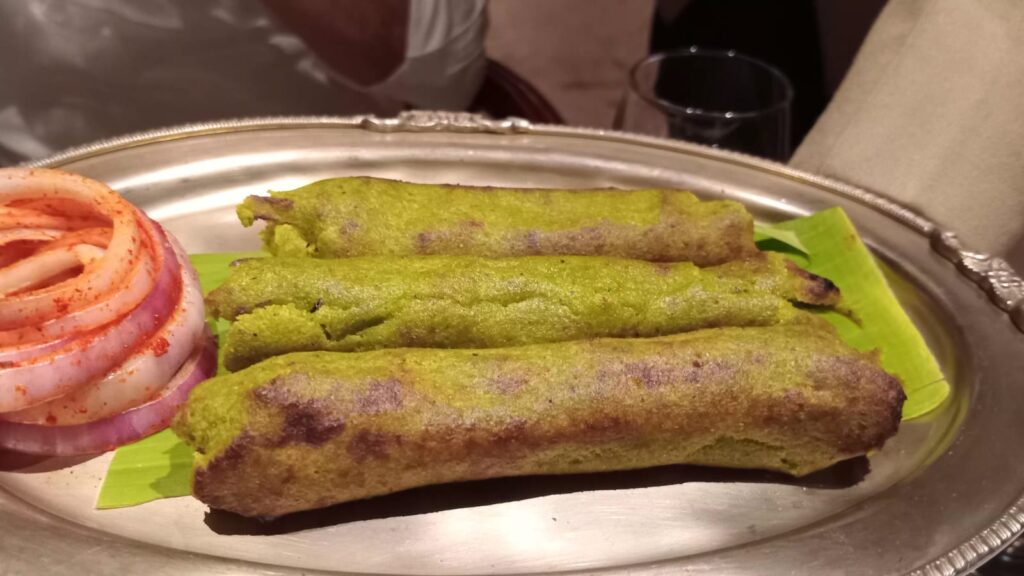
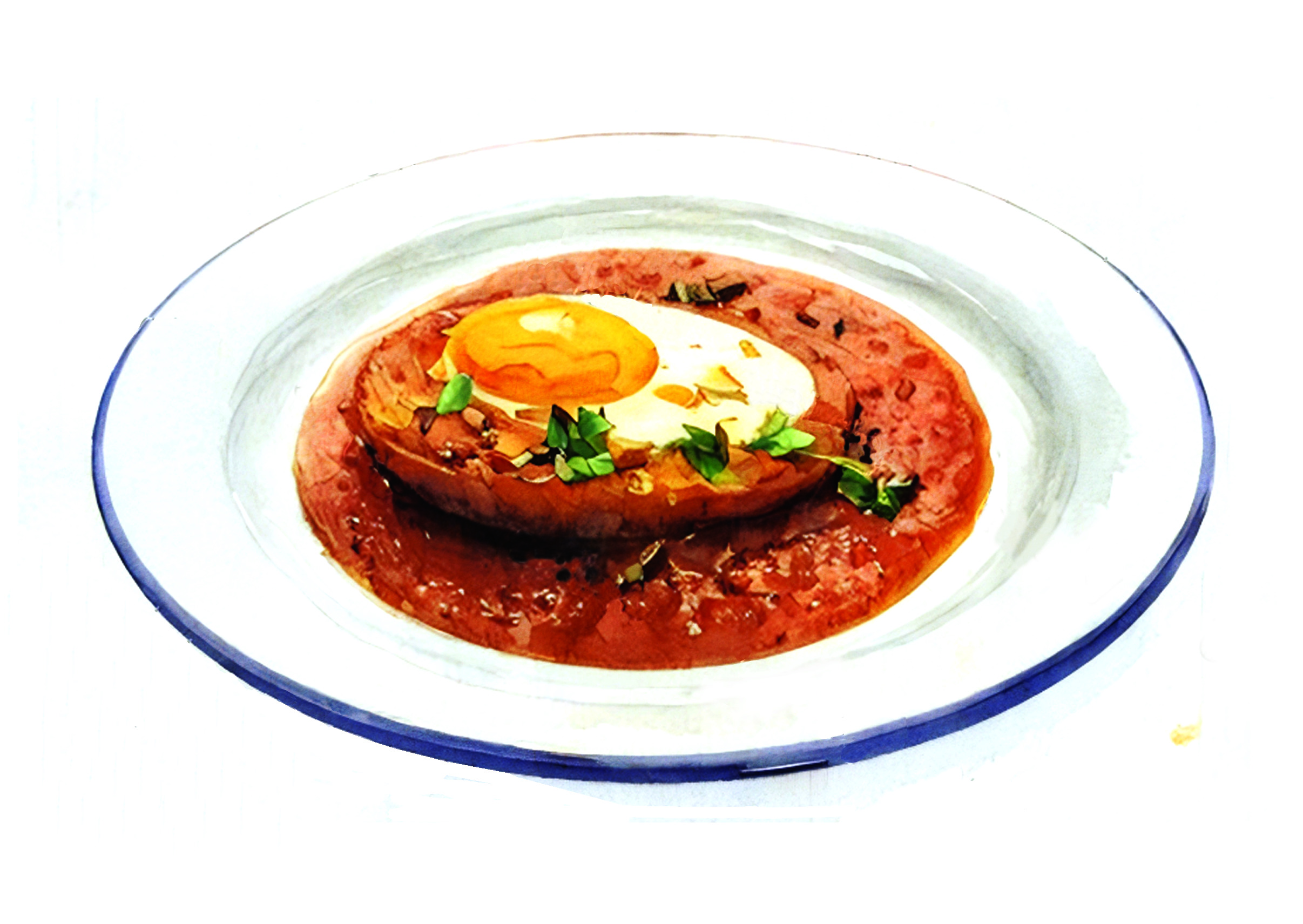
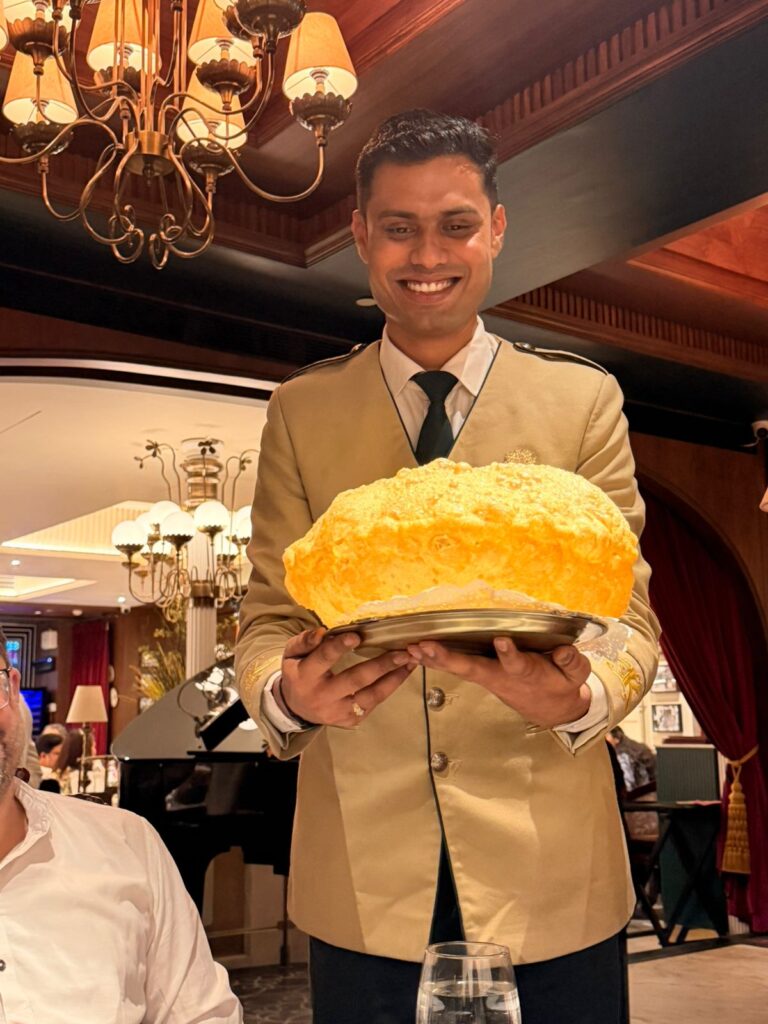
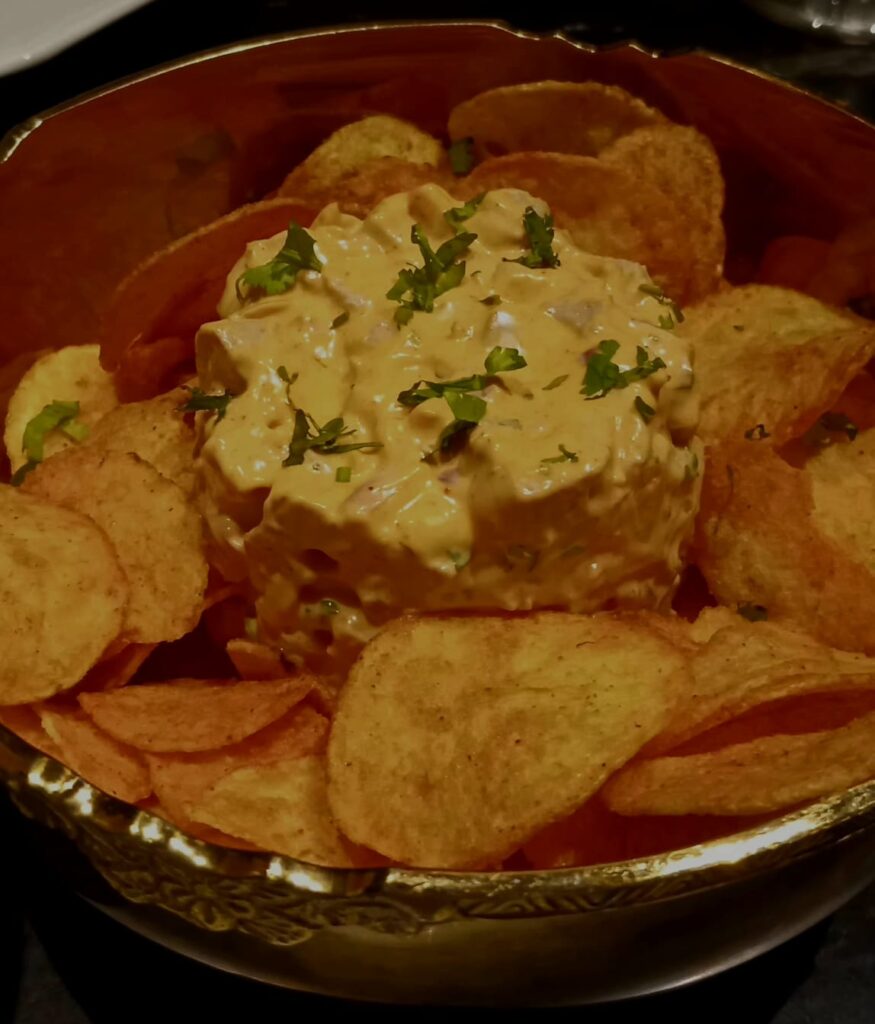
I can see puffed up bhaturas that Kwality is known for, football sized, floating up the aisles, as table after table seems to be ordering this. Chana-bhatura is after all Kwality’s best-known dish since the 1970s, when a cook found by the patriarch and Kwality founder PL Lamba in Mussoorie was brought back to Delhi. The recipe has remained unchanged since. The chana masala is made in a central kitchen and dispatched from there to Mumbai to Gaylord’s, also owned by the family, and to the countless caterings that Kwality excels at famously. But this show stopper of a dish aside, the menu at the Gurgaon outlet is intelligently designed: Kwality classics such as the clubby cheese balls, silken taar gosht, dal meat and Continental dishes of yore such as tomato fish, or shrimp cocktail are retained, even as newer improvisations have been introduced. I spot edamame kakori kebab (!), and promptly order it. Am happy to record that this unlikely innovation works very well.
Dishes have been divided according to cooking methods (and utensils and appliances used to cook them in) — Balti, Karahi, Tandoor, Sigri are all neat sections, making them more comprehensible to an audience that may be eating out more frequently than their ancestors but decidedly knows less about traditional Indian cooking despite the all pervasiveness of video content online. I also spot a very cool classic cocktail list with martinis and the like though this will begin functioning in a week or so, I was told, once the liquor licence arrives.
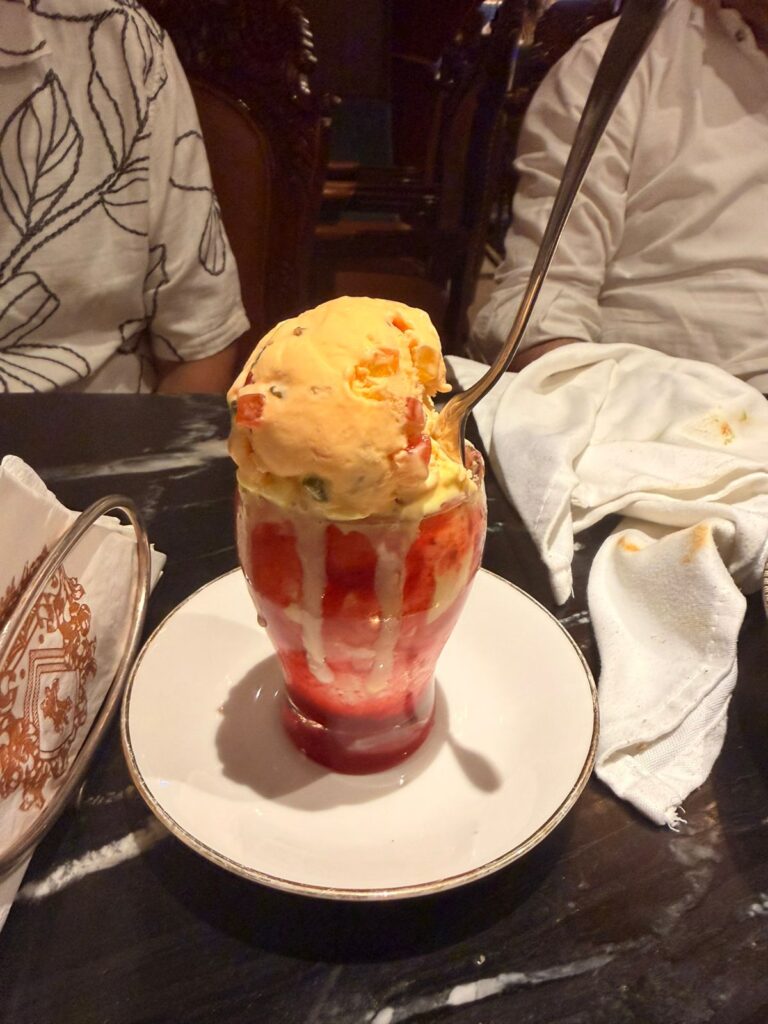
Kwality has taken its time embarking on a modern expansion journey— even though in the 1960s and 1970s it was the crowning glory of what can be described as India’s first global restaurant empire. PL Lamba and his brother -in -law Iqbal Ghai started the restaurant as a humble café in CP, patronized by American GI soldiers stationed in Delhi during World War II. At the advice of an American, they added ice cream to their offerings— selling hand churned ice cream, and delivering it on bicycles to the affluent bungalows of New Delhi. This modest business grew so much that in two decades, they had ice cream factories in Ludhiana, Mumbai, and even Goa. The ice cream business was later acquired by HUL; Kwality Walls, the ice cream we still eat today, has its origin here. The restaurant business meanwhile grew to 12-13 outlets globally at its peak in the late 1960s, early 1970s, with Kwality and Gaylord brands spreading to cities like London, San Francisco, and even Trinidad and Kobe. This was besides the Kwalitys and Gaylords in Indian cities run by members of the extended family as separate, independent businesses.
But post the Ghai-Lamba split, Kwality Delhi remained— and ran with considerable emotional investment by Sunil Lamba, who, when I met him last year, told me about how he still visits the restaurant every day. (He also does not use a smartphone, preferring to spend his time more productively, one assumes!) This kind of personal attention is crucial to any fine dining restaurant.
Which is why scaling fine dining is tricky.
The younger Lambas—Dhruv and Divij, Sunil Lamba’s sons, and third-generation flag bearers of the legacy, as well as Mandira, Dhruv’s wife, who is a gallerist and lends her keen eye for art to the restaurants — are going about this expansion is the right way, one feels. Cautiously and self-funded. The personal touches are all too apparent—whether it is in the menu design, with some of the best-selling dishes from the catering now incorporated, along with the classics, in a sharp and compact menu, or in the design of the restaurant per se, with old worldliness imbued in a lightened-up space.
Because Kwality in Delhi has an excellent kitchen and the catering business gives the business the chops to produce at scale, and because they have a large pool of dishes that may have been contemporarised but are based in legit classics with the right spicing and traditional cooking, the expansion within the NCR is sensible, and even possible. Reasons why fine dining restaurants slip when they embark on expansion is because of consistency and because the personalization required goes missing. But with Kwality, the depth of operations they already have and a slow and steady pace will hopefully mean that they are able to grow a credible north Indian fine dining chain. Something that doesn’t compromise on the frills, and, quality, literally.
If this succeeds, this can be a case study for how Indian fine dining in standalone formats can thrive without fusion and without dilution.