Mountains, Memory and Miso

 Japan and India’s North-East have fascinating culinary similarities. TFTA asked Tribal Gourmet founder and Masterchef NE finalist Tanisha Phanbuh to do a deep dive
By Tanisha Phanbuh
It all started with a dinner. Last August, I was part of collaborative dinner with food historian Anoothi Vishal for a special event at INJA, an Indo-Japanese restaurant in Delhi. We were trying to do something that hadn’t
been done before—trace a connection between Japan and the entire Himalayan belt, from Uttarakhand in the west to Meghalaya in the east.
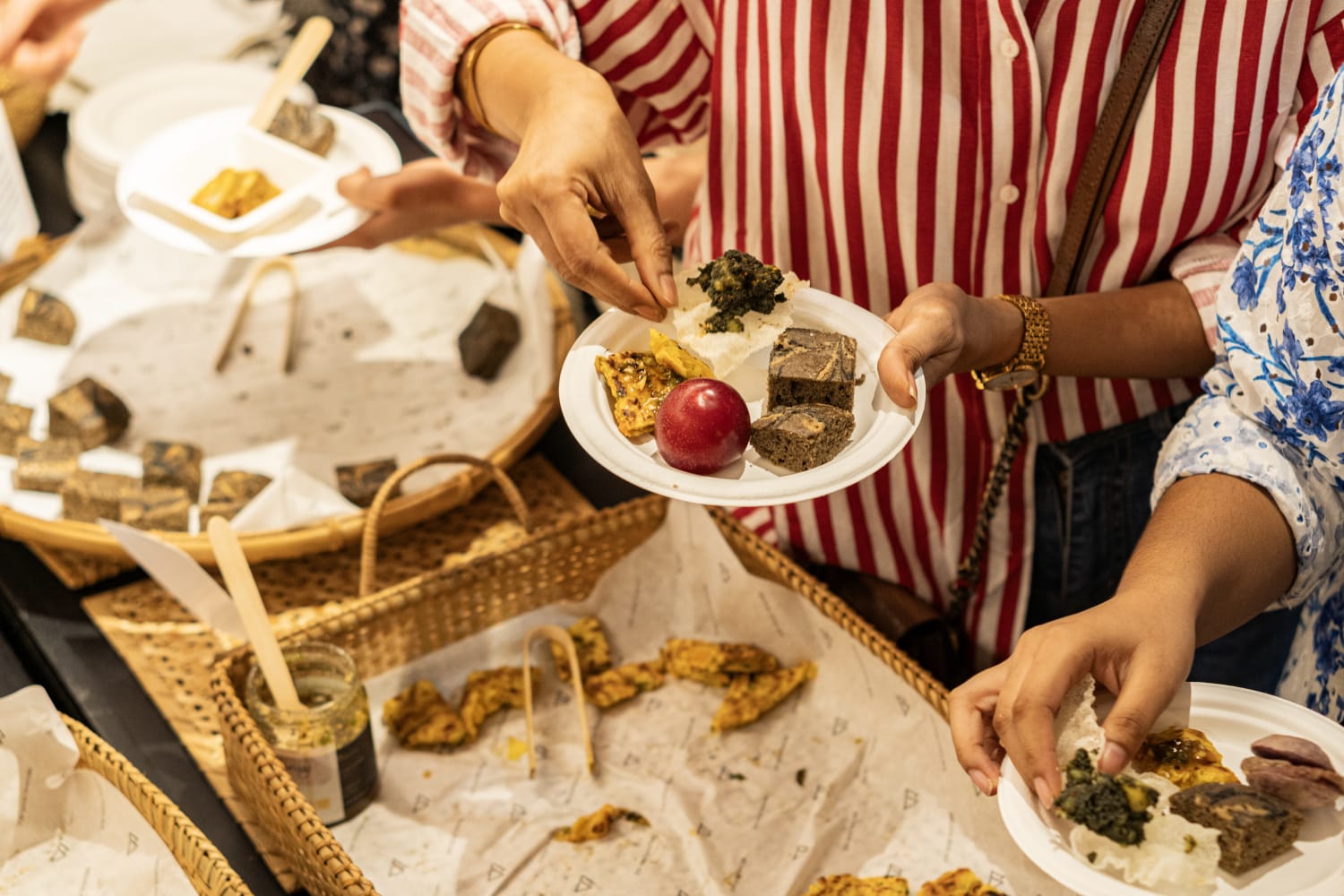
For me, it was personal. I was representing my home, the eastern Himalayas—through modern interpretations of traditional Meghalayan cuisine as well as a bit of Uttarakhand where my husband is from. I was told to marry Kumaoni and Meghalayan cuisines with a nod to Japanese food as well. As we put together the menu, what struck me the most wasn’t just the overlapping philosophies or sensibilities—it was the ingredients. There were so many of the same ones being used in both Japan and Meghalaya. Some in different forms, some in surprisingly similar ways. That dinner planted a seed. Since then, I’ve been actively exploring the parallels between Japanese and Northeast Indian food—especially through the lens of Meghalaya. It’s something I got to dive into even deeper this year, when I presented a Japan-inspired modern Meghalayan menu at Meghalayan Age (for a collaboration on world music day between Khasi musicians and a Japanese artist), a space I love cooking for and being curiously creative out of and what I’ve found in this journey is something I keep going back to, again and again: shared flavour memories across completely different geographies.
Same ingredients, parallel cuisines
The Himalayas are known for many things—mysticism, scale, silence—but they’re also one of the original highways of culture. Before nation-states and borders, people, ideas, and food travelled across these ranges. In fact, as Anoothi pointed out in her curatorial essay for our dinner, even the iconic Japanese torii gate may have roots in the Himalayan toran. Buddhist monks carried philosophies and medicinal systems—Ayurveda, for one—from India across China and into Japan. Even Edo-period Japanese maps only showed two major outside lands: India and China. Somewhere along this winding route, food ideas followed too; the connection isn’t just historical. It’s still alive, hiding in plain sight.
In my own cooking and research, I’ve found so many ingredients used in both Japan and Meghalaya.
Rice: a staple in both cultures, is found on our plates in variants like sticky rice, glutinous rice, black rice or koji, wherein in Japan, it is consumed with kare, in sushi, beaten into mochi or a bed for koji. We, in the Northeast of India, also consume our rice as a staple or beaten or puffed, ground to make different snacks or fermented to make beer across all states — each having their slightly altered version and by a different name.
White & Black Sesame: used in seasonings, spice blends or sweet treats in Japan. For us, this ingredient is much more; in Khasi and Jaintia cooking (the two of three major tribes in Meghalaya), black sesame is a quintessential part of our cooking and practically a base for many of our dishes from the most popular Doh Nei ïong (pork in black sesame) to Doh jem (offals in black sesame) to Dai Nei ïong (dal) and one of the versions of tungrymbai (fermented bean paste). In Assam too, black sesame is cooked with pork but more prominently in larus (til laddoo), or as a filling with jaggery in pithas (rice powder tuiles)
Perilla: Perilla seeds known as Nei Lieh in Khasi are used as a seasoning in most of our salads and even used like black sesame to bring a nuttiness to dishes. But, what does it have to do with Japan? It was an epiphanic moment when I opened the little box of shiso leaves from a mixed produce box from Krishi Cress — one taste, and it took me right back to my own garden in Shillong. We had perilla plants that we grew at home for the seed but the rest of the plant went to the compost pit. I had chased agro-enthusiasts seeking answers about the plant to no avail. When I saw and smelt the leaf, I immediately thought of the perilla plant and recalled it’s painstaking process of extracting the seed.
Fermented Bean Paste: it’s almost poetic that just a decade ago, these fermented bean pastes once frowned upon outside the Northeast or other Asian countries, are now the darlings of fine dining, as chefs worldwide chase after the authentic Asian umami. Now they’re at the centre of global conversations around umami and fermentation. The Japanese use theirs in everything from soups to seasonings and sauces and similarly in the Northeast too, across the different tribes of the sister states, fermented bean pastes feature in stews, chutneys, pickles for flavour as well as (in the case of the Khasis in Meghalaya — we consume tungrymbai only in the colder months) warming the body and soul during cold winters. Miso, black bean, natto, tungrymbai, axonne – different names, different regions, variations in methods but pretty much the same product in ascending flavour intensities- used in the most popular restaurants across India and the world.
Mandarins: feature heavily as sweet seasonal treats in both cultures, mostly eaten just as is. Yuzu, the world famous citrus variety, has a very similar dna to that of the Indigenous Khasi mandarins, an ingredient that featured in the Atelier Miam entremet Chef Bani created when I collaborated with her on Meghalaya editions.
Jaïur or Timur: share the same family name (genus Zanthoxylum) as the Japanese Sancho pepper – peppery, tongue numbing, spicy these berry husks bring thrill to diner’s palates when bitten into.
Ginger, radish, teas – it’s more than coincidence. It’s climate, terrain, preservation techniques. It’s the instinct of mountain people to ferment, smoke, dry, and deepen flavour without overcomplicating it. There’s an honesty in both cuisines—no unnecessary garnish, just flavours that feel close to the earth.
Meghalaya meets Matcha in a glass
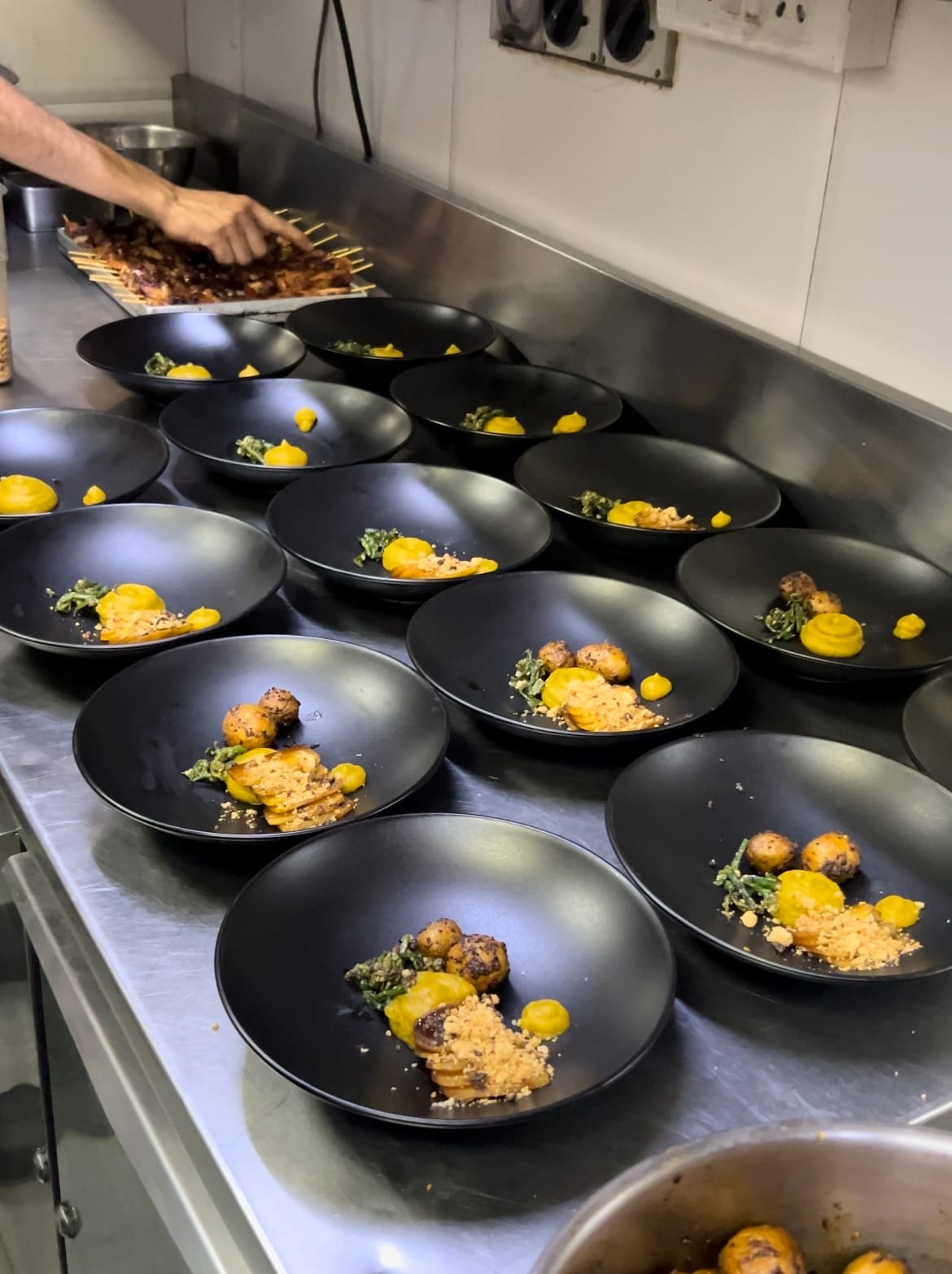
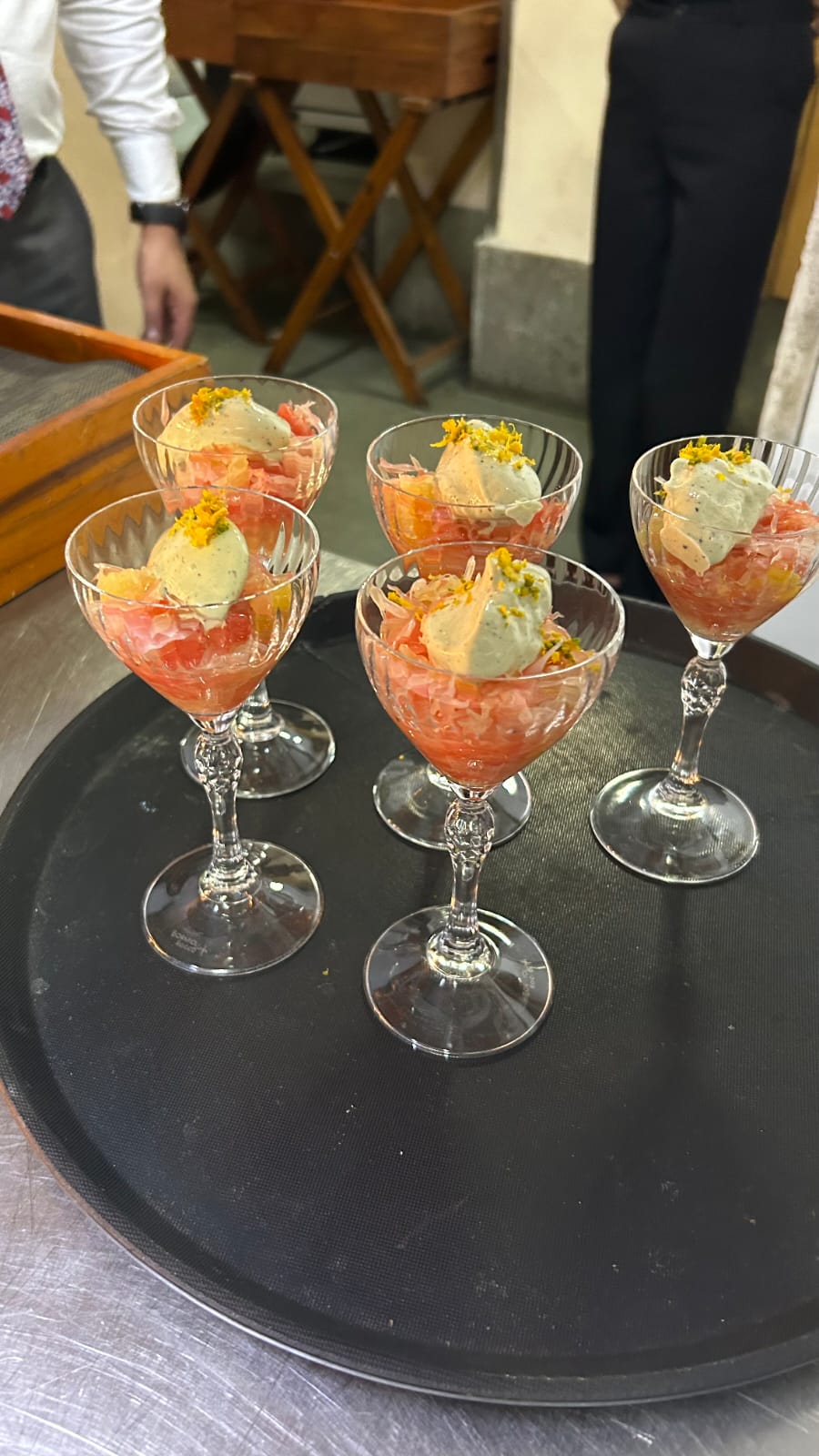
When I got the opportunity to present a Japanese-inspired Meghalayan menu at Meghalayan Age, I wasn’t trying to “fuse” things. I wasn’t trying to mimic Japanese food either. I just let the ingredients speak to each other. What came out felt organic—like flavours in conversation rather than competition. Here’s what I made: Turmeric Pepper Chicken with Katsu Curry Sauce– Our local turmeric and mountain pepper with that silky Japanese-style curry base. Warm, earthy, comforting. Okonomiyaki-Style Vegetable Pancakes with Meghalaya’s wild forest honey and Sancho pepper. Rice Cracker Canapés with Black Sesame Potato– Light, crunchy, umami-rich. I even made my own version of Shichimi Togarashi, using local aromatics. Black Rice Dora Cakes with Native Red Beans and Sohïong filling. Meghalaya’s black rice gave a nuttier twist to the Japanese classic, filled with a jam made from soh i2ong (a native berry) and our own red beans. Sesame Marbled Brownies – White sesame, black sesame, sesame oil— folded into brownies for a warm, nutty finish. Cold Green Tea with Turmeric Latte Foam A chilled green tea base topped with a frothy turmeric latte layer. Meghalaya meets matcha in a glass.
This is what I love most about cooking: it helps us remember. Not just our own stories, but the stories we share with people we might never have met. Food allows us to see how connected we are—even when we’re not trying to be. In both Meghalaya and Japan, food is seasonal. It’s slow. It respects its ingredients. There’s fermentation, smoke, citrus, heat. There’s quiet strength. So, no—I don’t see these as “fusion” dishes. I see them as echoes. Different landscapes, different histories, but a surprisingly similar pantry. The idea isn’t to blend cultures for novelty. It’s to listen closely and let them speak to one another.
And in doing that, maybe we realise we were never that far apart to begin with.