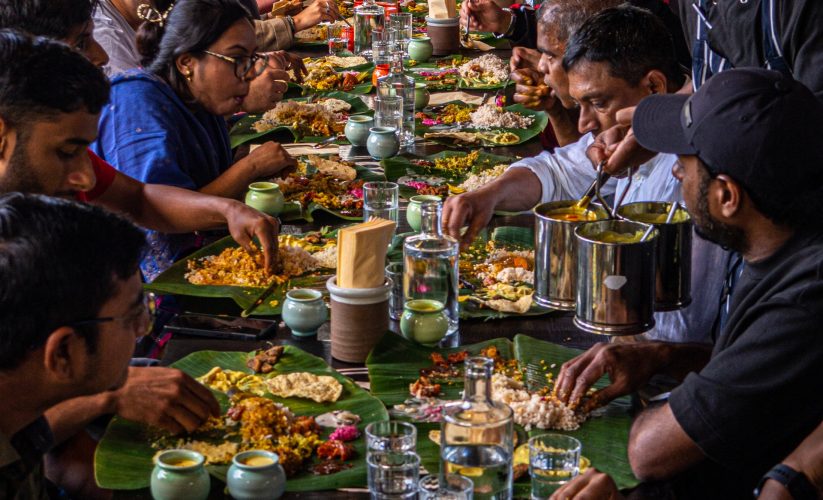
From Bangkok to Birmingham, what’s driving the globalisation of the Onam Sadhya?

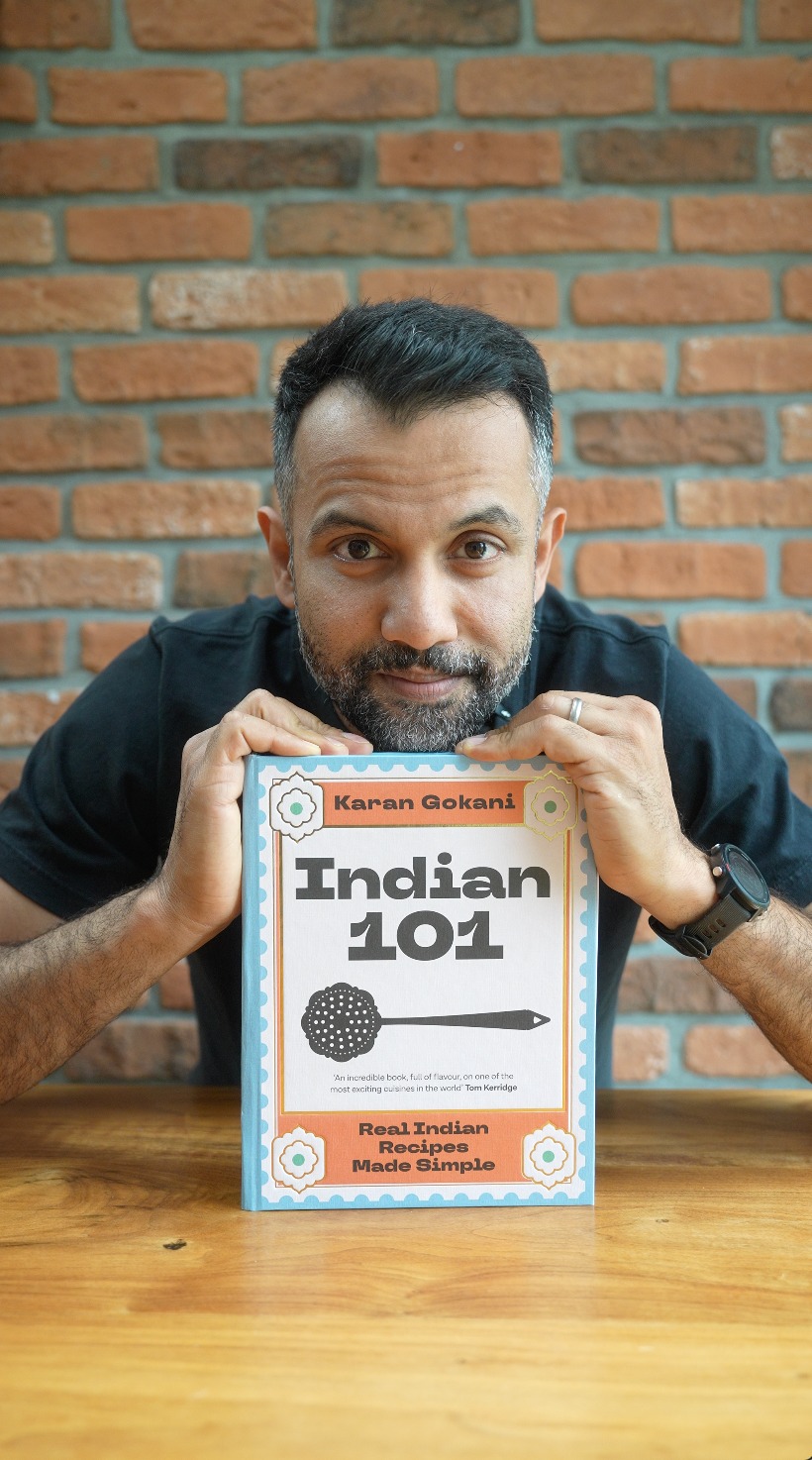 Restaurateur, author and creator Karan Gokani, the force behind Hoppers, on looking beyond fine-dining of the 2000s
By Karan Gokani
Since moving to England two decades ago, I have watched the country’s dining scene transform, London’s in particular. Diners today are far more adventurous, looking beyond the quenelles, foams and elaborate three-hour meals that defined fine dining in the 2000s. They want food with roots, stories and authenticity.
South Asian cuisine has followed the same path. For years it was reduced to a narrow repertoire of curries, biryanis and street food staples. Now guests are seeking out regional flavours with curiosity and enthusiasm. At Hoppers, we have seen this shift first hand. When we first opened, most guests had little knowledge of Sri Lanka or its food. Today, many arrive having travelled there, or at least with a well-researched awareness of its dishes. Whether this appetite comes from social media, wider cultural awareness, or simply the fatigue of prolonged fine dining tasting menus, one thing is clear: London is hungry for real, regional food.
The democratisation of food through social media has been a powerful driver. With a single scroll you can access an authentic recipe from virtually anywhere in the world. People do not always cook them, but they devour the videos, drawn in by the sound, narration and process. That mix of sensory stimulation and wanderlust has made food more accessible than ever. On my own Instagram channel @karancooks I have seen how much people respond to authentic, lesser known Indian recipes. This same spirit inspired my new cookbook, Indian 101: Real Indian Recipes Made Simple (on shelves 11 September) which brings together simple regional dishes from across India. It aims to challenge the notion that Indian food is limited to Chicken Tikka Masala or heavy restaurant curries, and that it always requires hours of labour and endless ingredients. Instead, it shows how everyday Indian meals can be cooked quickly and simply, with ingredients you can easily find in western supermarkets and increasingly online. The book is as much about demystifying Indian food as it is about celebrating its diversity and is available to pre-order now, globally.
The curiosity for regional cuisines has emboldened restaurateurs too. Take the Onam Sadya, in the past few weeks alone, I have spotted more banana leaf feasts on my feed than I can remember, from Bangkok to Birmingham. For me, though, the Sadya is much more than a passing trend.
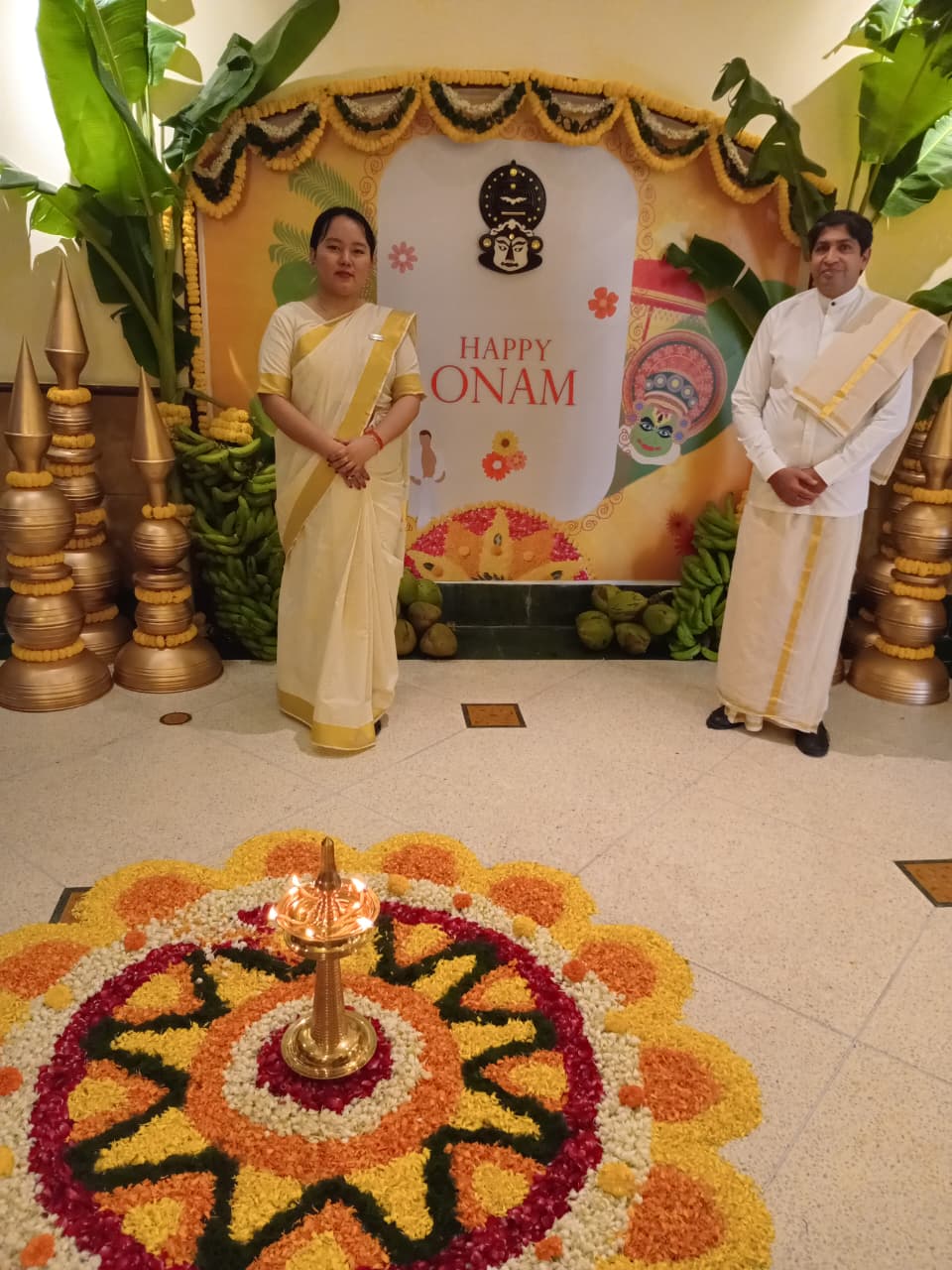
Sadya fundraisers, and 100 people for the long leaf lunch
Growing up in Mumbai, Sadya was one of the highlights of my year. Every Onam, we were invited to my father’s Malayali friend’s home. Even as children, we anticipated it for months. Their small flat transformed into a mini banquet hall, with the study table extending the four seater dinner table. At least 15 dishes, often more than 20, appeared on banana leaves, topped up lovingly until we could eat no more. The food was so different from the Gujarati and North Indian meals we ate at home, but it was not just the flavours that stayed with me, it was the warmth, hospitality and sense of occasion.
After moving to England, I missed this ritual deeply. That is, until I met Renjith, my dear friend and Executive Chef at Hoppers. Being Malayali, Onam holds huge significance for him. As a young hotel chef in India, he had cooked and overseen Onam feasts for thousands, spending the night before cracking and grating hundreds of coconuts for fresh milk or leading vast armies of chefs in the vegetable preparation. His stories were wild and his love for the tradition was clear.
Together, we decided to recreate this experience at Hoppers. We began with staff meals: a full Sadya cooked by our Mallu chefs, served on banana leaves, with the entire team, then 30 people, now over 100, sitting together at long tables. It became a ritual, a way to celebrate both our team and the spirit of Onam. Over the years it grew in popularity, and one year we even hosted a Sadya fundraiser to raise funds for victims of the Kerala floods.
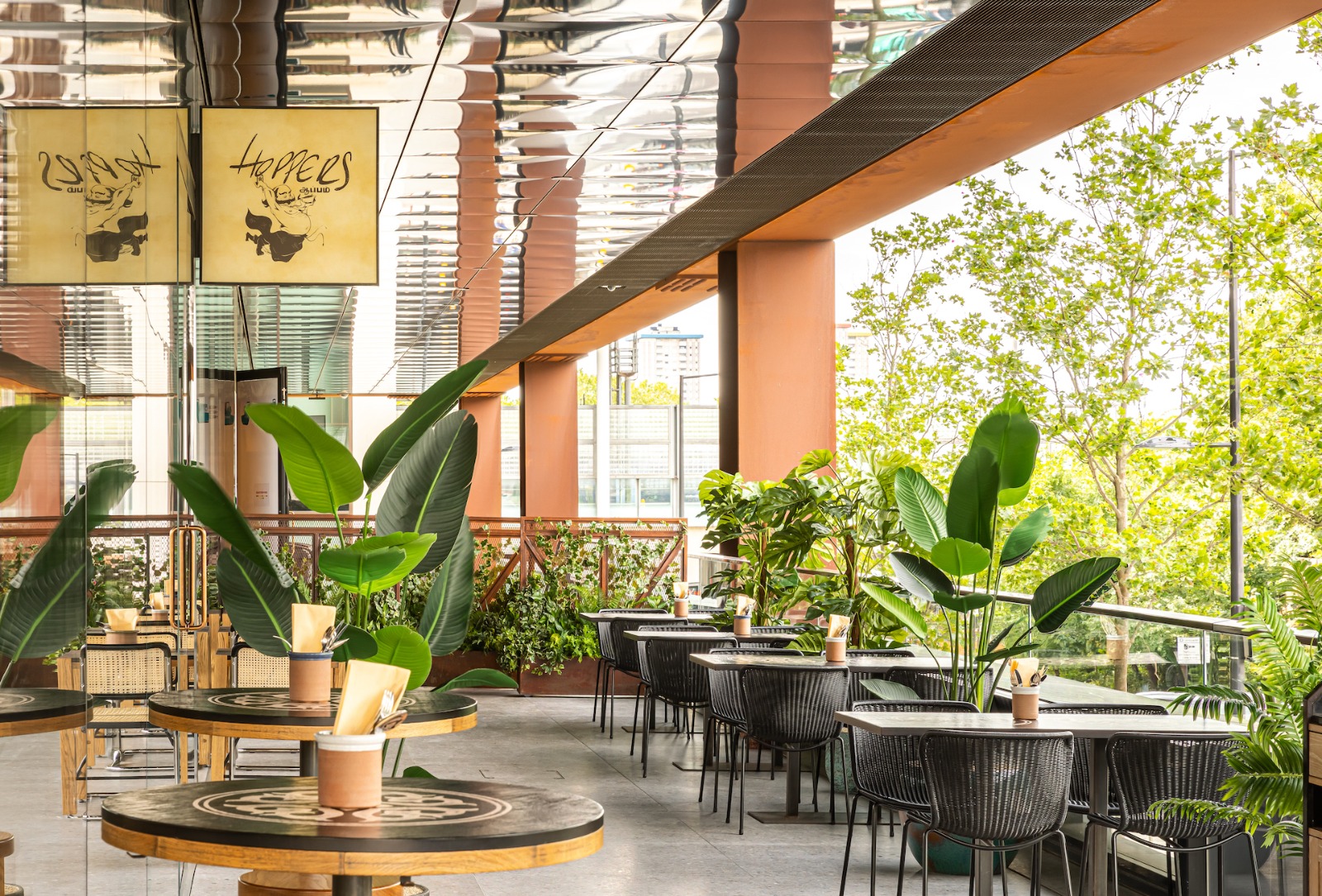
This summer, we opened it up to our guests. On 31 August at our King’s Cross restaurant, we hosted a long table Sadya lunch for 90 diners. Tickets sold out in less than a week. We kept the service true to tradition, but added a few bells and whistles, special meat and seafood supplements, and cocktails created just for the day. Importantly, 25 per cent of sales went to our charity, Feeding the Future, which supports children’s nutrition and education in Sri Lanka. The next day, we held our annual staff Sadya, closing lunch service early so the entire Hoppers family could sit down together again.
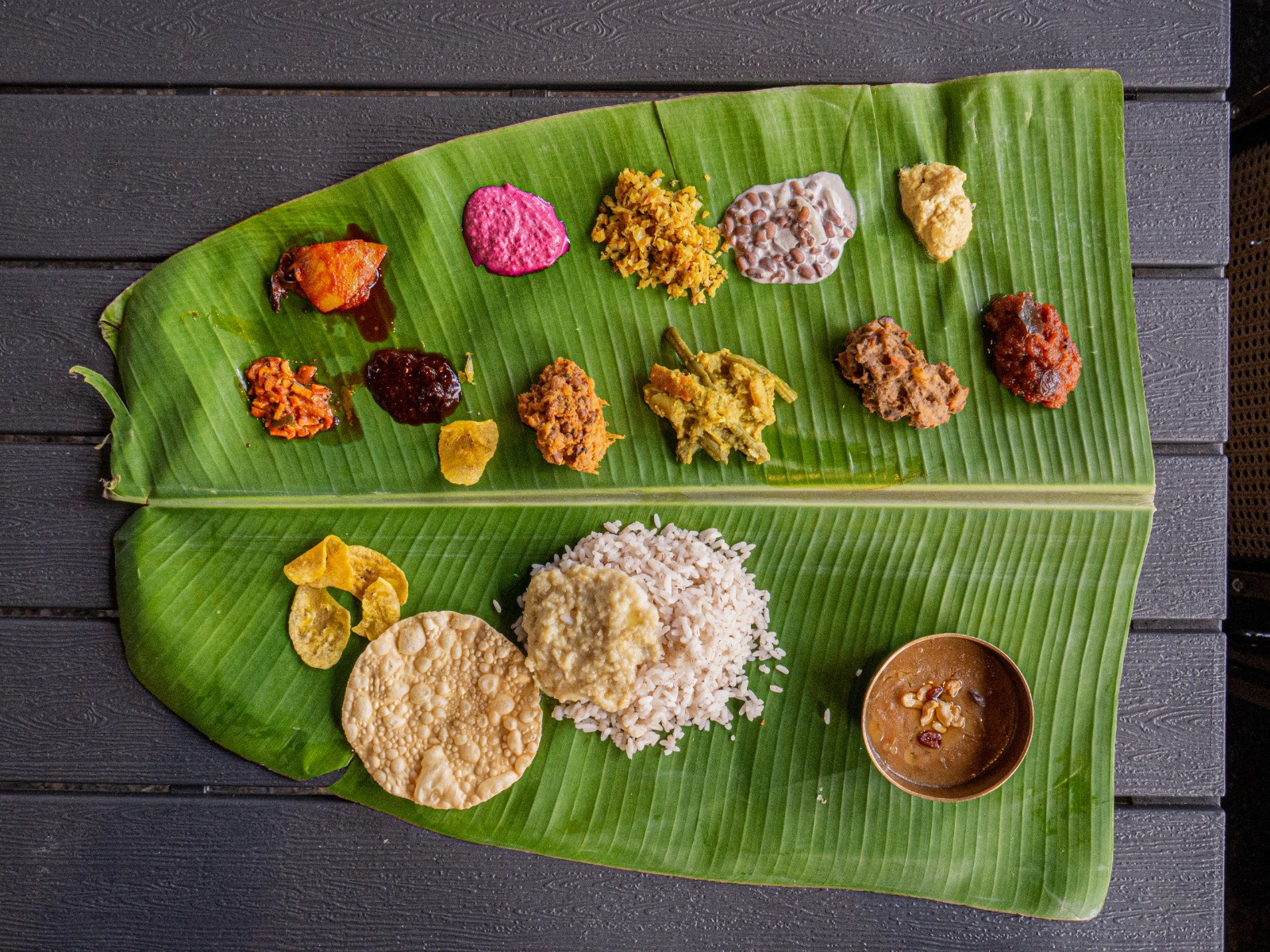
For guests new to the tradition, a Sadya is unlike anything else. Imagine a long table lined with banana leaves, each carefully placed with the stem pointing left. One by one, dishes arrive in a precise order – tangy rasam, creamy avial, spiced okra, yam curries, pickles, chutneys, dal and ghee with Kerala rice. Everything topped up relentlessly until you can eat no more. Finally, sweet payasams close the meal. Every item has its place, every bite is designed to complement the next.
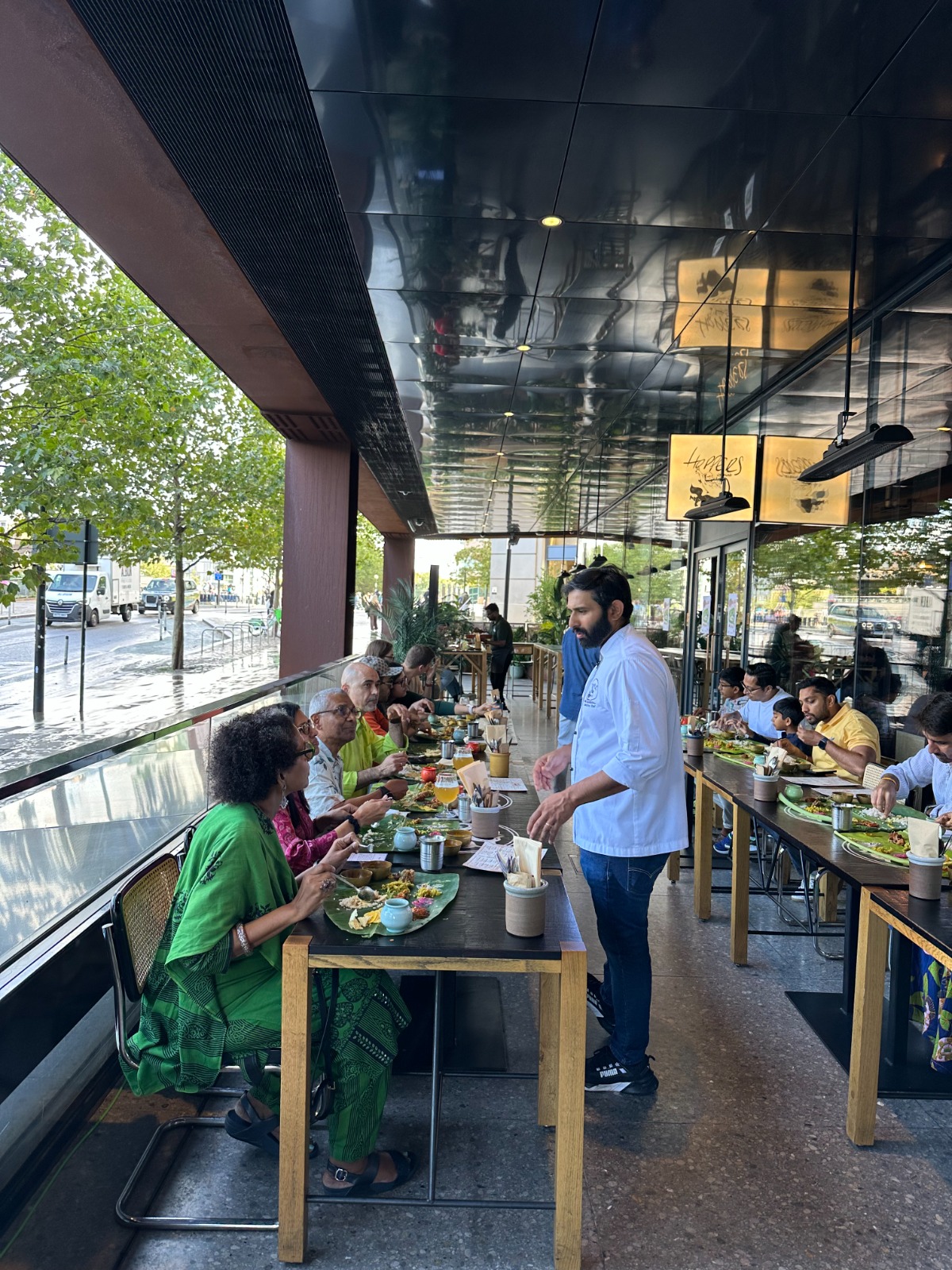
But a Sadya is about far more than the food. It is about abundance, equality and togetherness. Traditionally, everyone, regardless of age, background or status, sits down together to eat at the same time. In today’s London, one of the world’s most multicultural cities, that message feels more powerful than ever.
For diners, it is also a revelation. In a world where feasts are usually meat heavy, the Sadya proves the richness and depth of vegetarian cooking. The ritual of eating with your hands, the generosity of flavours, the unhurried rhythm, it all resonates with Londoners. Dining here can often be transactional, quick, efficient. A Sadya forces you to slow down, to savour not just the food but also the company. It is communal, joyful, immersive, food as culture, not just sustenance.
For us at Hoppers, the Sadya is more than an opportunity to showcase Kerala’s food. It is a reminder of why we cook, to bring people together, to create moments of connection, to celebrate traditions that carry deep meaning. It invites guests to step into a story, to experience not only spice and flavour but also ritual and hospitality.
As the popularity of Sadya grows across London and the world over, we are proud to play our part in the movement, opening up our tables and banana leaves so more people can share in this remarkable feast. In a fractured world, this spirit of abundance and togetherness feels like something worth holding on to.
About Karan Gokani
Karan grew up in Mumbai with a deep love for food and hospitality. He moved to England in 2005 to study law at the University of Cambridge, but even as a practising solicitor, his passion for food never faded. He spent time in professional kitchens in his spare time before leaving his legal career in 2012 to travel across India and Sri Lanka, immersing himself in their food and culture.
In 2015, Karan co-founded Hoppers, a Sri Lankan and South Indian restaurant in London’s Soho, with JKS Restaurants. It quickly earned a Bib Gourmand and glowing reviews from critics like Fay Maschler and the late AA Gill, leading to new openings in Marylebone (2017) and King’s Cross (2020).
In 2022, he released his debut book Hoppers: The Cookbook (Quadrille). The book went on to become a bestseller and was highly acclaimed. In September 2025, Bluebird will publish Indian 101: Real Indian Recipes Made Simple. Over the years, Karan has written for major publications; appeared on BBC’s Saturday Kitchen, MasterChef UK, Jamie’s One Pound Meals and NBC’s Today Show; and collaborated with brands such as Shake Shack, Soho House, Six Senses and Four Seasons.
He’s built a dedicated following of over 660,000 on Instagram (@karancooks), where his Indian 101 series has had more than 75 million views. He also leads Hoppers’ “Feeding the Future” initiative in Sri Lanka, supporting underprivileged children with early education. Since 2022, the project has raised over £400,000, supporting thousands of children and building three preschools across the island.
Karan lives in London with his wife and two young sons. He loves cooking, travelling, working out, cycling, music and writing, and dreams of cooking for Bruce Springsteen one day.
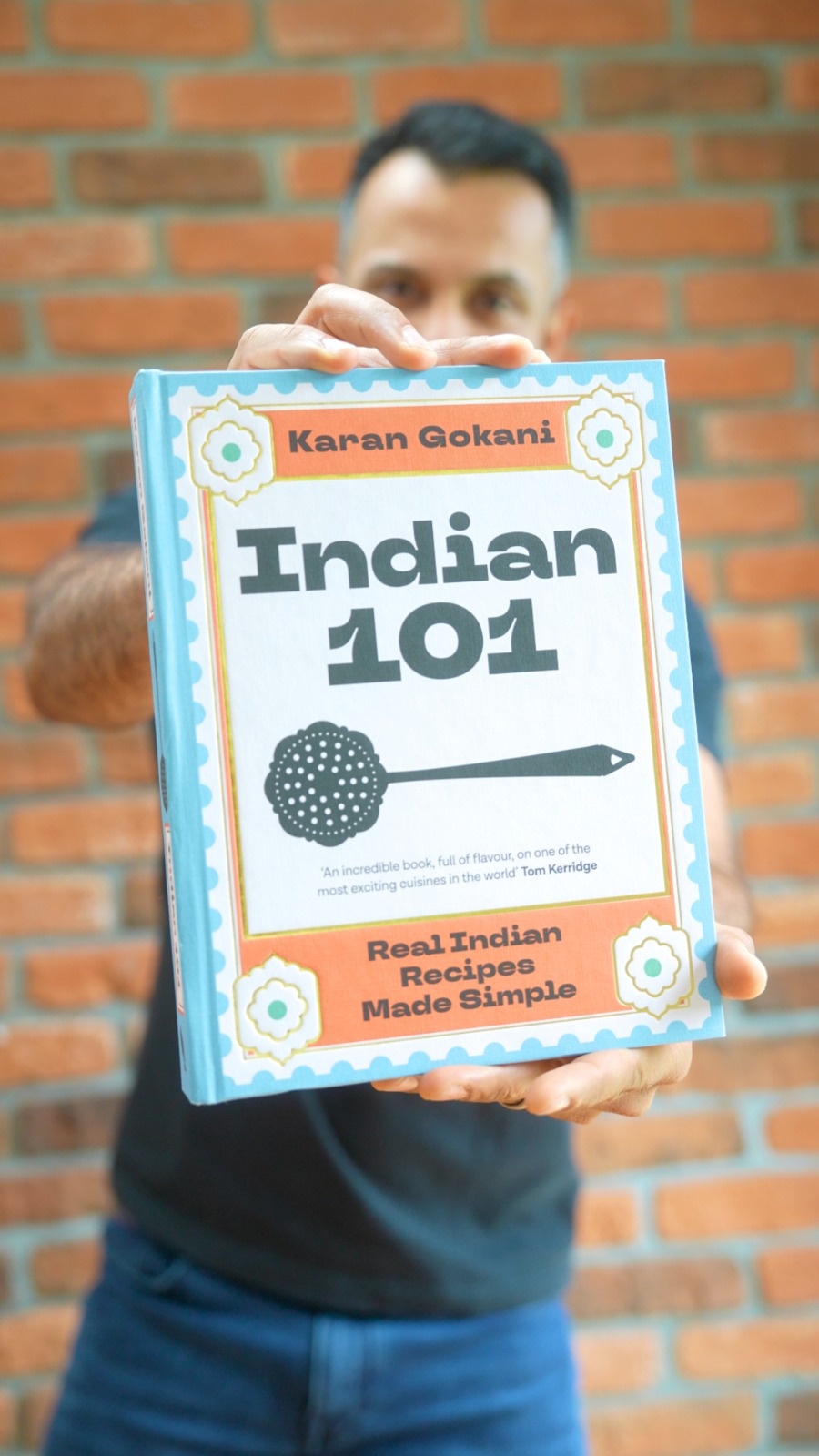
About Indian 101
Indian 101 introduces beginners and seasoned home cooks to Indian recipes in a simple and intuitive way, making real Indian home cooking enjoyable for everyone.
Mumbai-born food writer and chef Karan Gokani’s easy-to-follow recipes are packed with flavour and introduce you to the breadth of dishes that this amazing country has to offer. As you cook from the book, you will begin to associate curry leaves and coconut milk with the south of India, dairy with the north, mustard oil with the east, and vegetarian delicacies with Gujarat in the west.
Karan gives tips and hacks to make the trickier methods quicker and easier to follow at home without compromising on authenticity or taste. There are air fryer methods, tray-bake alternatives and ingredient variations to help you flex your cooking methods while remaining true to the unique and hugely diverse Indian traditions.
Indian 101 is your go-to cookbook for exciting weekday meals as well as shareable weekend feasts.
‘An incredible book, full of flavour, on one of the most exciting cuisines in the world. A must for anyone who enjoys Indian food.’ TOM KERRIDGE
‘What a beautiful book. Karan is the perfect guide to help you cook incredible Indian food at home.’ JAMIE OLIVER
‘Karan reveals the geographic soul of Indian cooking while keeping our weeknight sanity intact. This is cooking that’s practical, varied, and utterly genuine.’ YOTAM OTTOLENGHI
‘Brilliant, easy-to-follow recipes that are a joy to eat.’ ANGELA HARTNETT