Athens with Ambassador Aliki Koutsomitopoulou

The Oldest Capital of Europe has layers that are best appreciated when you turn your eye away from reels, and savour hidden cultural and culinary gems in the company of a local friend. Greece, like India, values friendship and family, and the best bonds are created over long lunch and dinner tables while talking about art and culture
By Anoothi Vishal
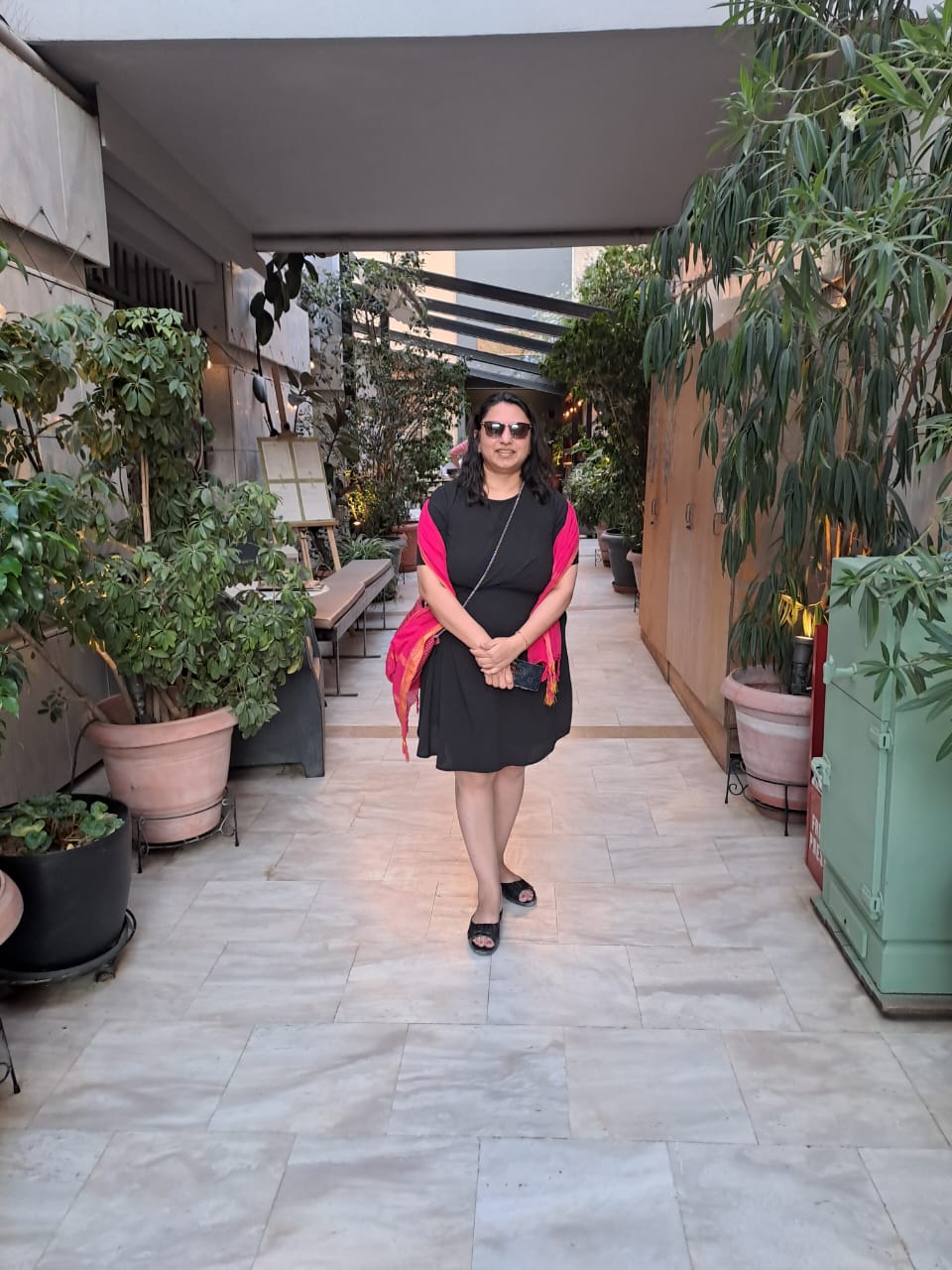
Instagram will give you one million guides to the perfect Athens photo-op. You can book yourself a trending food tour, go to rooftop cafes that look prettier photoshopped, and visit flea markets that every one of the million-plus tourists to the Acropolis haggles at.
But Athens, one of the oldest continuously inhabited capitals of the world, has layers and layers that are best peeled over time, and with a local friend. This is my second time in the bustling “metropolis” — a word that comes from ancient Greek like so many others we use in our daily lives. This year, I am privileged to see the city through the eyes of my dear friend and the ambassador of Greece to India Aliki Koutsomitopoulou. It is going to be 48 hours of interesting insights into the cultural and artistic traditions of a city that has influenced much of Western thought, philosophy, art and politics over millennia.
A summer table with friends, family, food and music
While most online guides, and Insta reels suggest the colourful Monastiraki neighbourhood, sprawled under the Acropolis as your venue for shopping and dining, Athenians themselves may find it too touristy. I would advise upscale and mature travellers from India to visit the quieter oases in the downtown, that are loved by local families and friends and yet undiscovered by tourists.
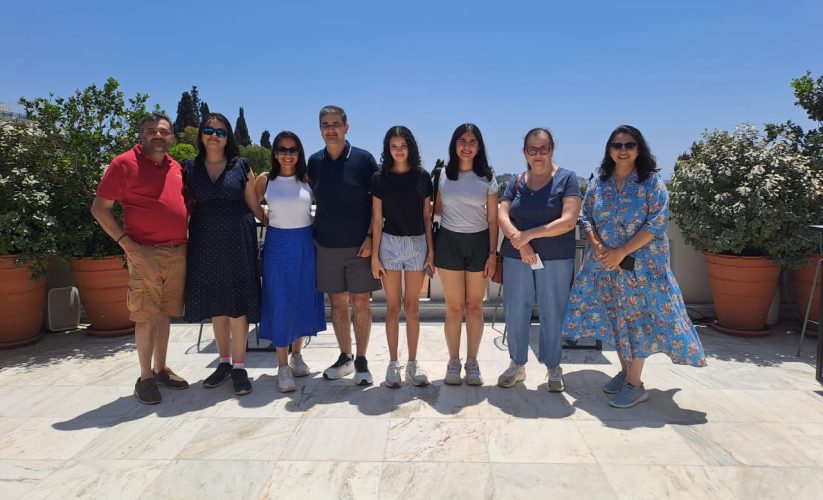
 As the sun sets on our first day in Athens, we are invited to dinner by the Greek ambassador to India Aliki Koutsomitopoulou who is also back home for her summer break in Athens, to a unique Cretan restaurant in her neighbourhood, Pangrati. Katsourbos, specialises in authentic recipes and ingredients and even scents and décor material from Crete. Since 2005, this restaurant, has been reviving Cretan gastronomy and culture, getting all their ingredients from Greece’s largest island, and the cradle of one of humanity’s oldest civilisation, the Minoans (the equivalent of Indus Valley Civilisation). It’s a family run restaurant, where the meats are always fresh, and food is all cooked in extra virgin olive oil that Greece is known for.
Cretan food is pretty distinct from what may be just “Greek food” to outsiders (more on that later, in another article). It’s like Indian food cultures, all nuances, local and distinct from one another. At Katsourbos we tried the jalebi-like rounds of the distinctive Cretan cheese pie, rabbit cooked with herbs, a special Cretan steak with smoked salt, and finally my favourite the Gamopilafo, or “the wedding pilaf”, in which rice is cooked almost like a risotto, in rich and long-simmered meat broth. The potent Cretan raki, liqueur, finished off this meal. But what added to the alfresco, summer vibe of this long dinner shared with my family, including my sister, visiting from the US for a reunion half-way across the world, and close friends, was a neighbourhood musical troupe that wound its way past our table, playing a delicious melody.
They stopped first at a neighbouring table (ostensibly, with a Greek politician and a famous stand-up comic seated at it), and then made their way to us, regaling us with a finale. In every village of Greece, summers bring this sense of community alive with shared tables and local fests that turn into legit concerts!
From Athens, with art
You cannot visit Athens and not visit the Acropolis (acropolis is a generic name derived from two Greek words, Akron or “highest point” and “polis” or city) even on a hot day. It is as magnificent as you may have imagined, but make sure you go to the museum afterwards, one of the most important in the world, where the galleries contain all the findings from the slopes and site, including the decoration of the Parthenon, or the highest temple, from the 5th century BCE. The base of the gallery is covered in glass through which you can see the findings of the ancient Athenian neighbourhood. What you may not realise is that the museum also has a rather good restaurant that you can make a dinner booking for—though it is tough to find a reservation.
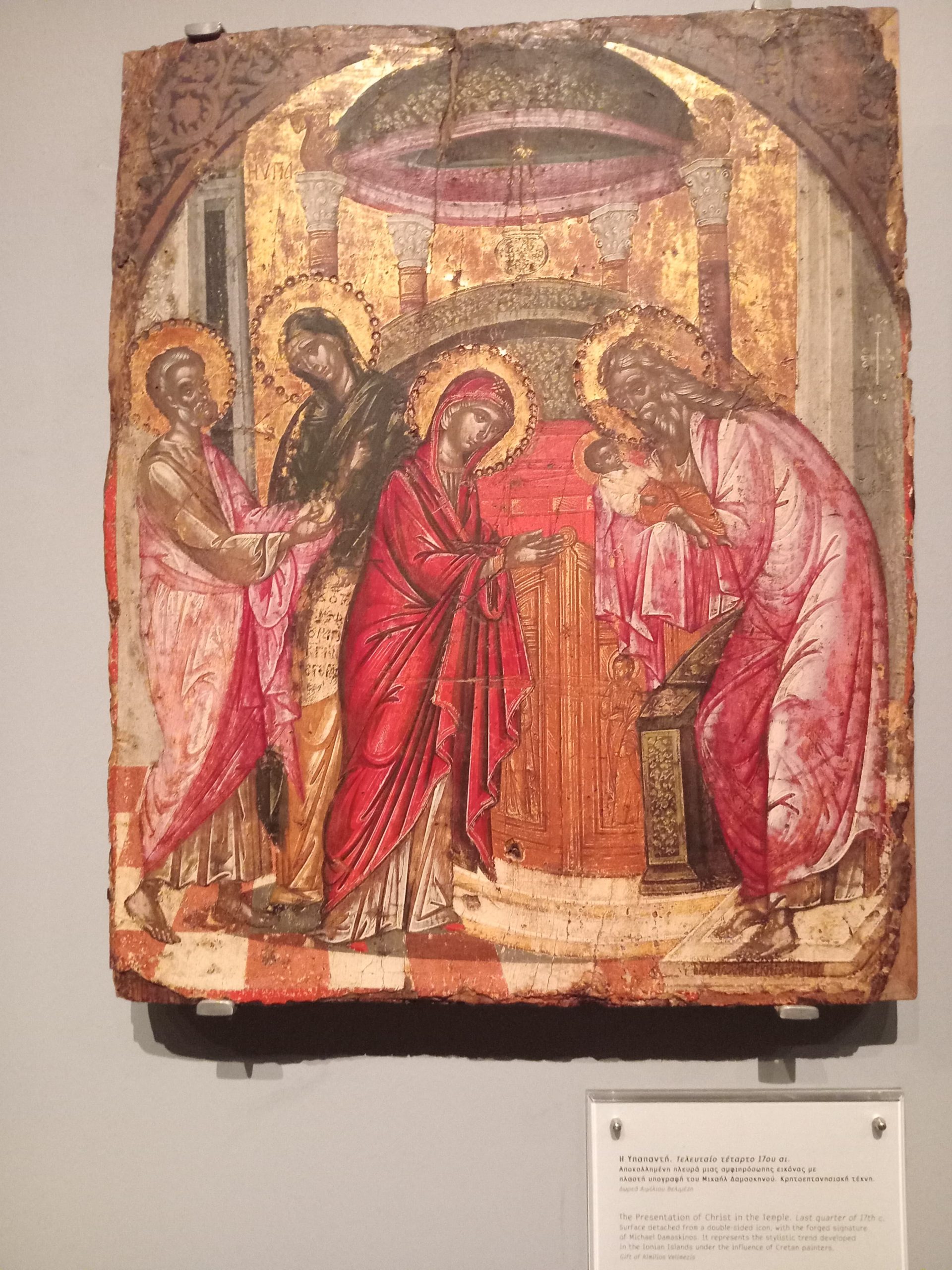
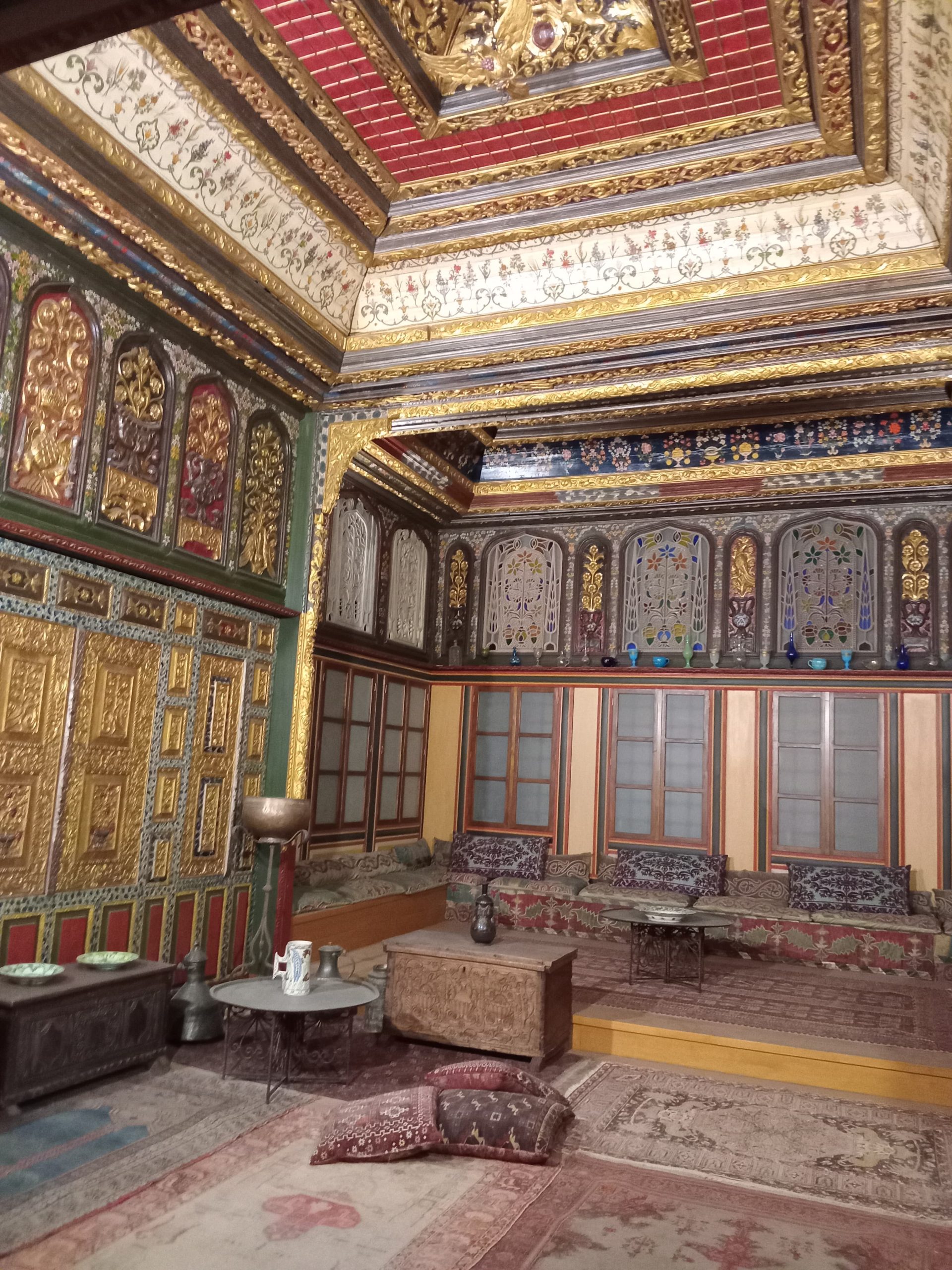
The point of being in Athens is, at least to my mind, to take in as much of the formidable art and history collections here. Almost all of Western civilisation’s traditions of beauty, art, politics, philosophy and ideas come from Greece, after all. The Benaki museum established in 1930, has a formidable collection, housing Greek works of art from prehistory, through classical to modern times. The 100,000 artefacts that include pottery, jewellery, clothing, and art show the spread and influence of the civilisation. I am struck by pottery from 1500 BC or so, where a motif that we in India recognise as the “swastika” appears—it’s a common motif connoting auspiciousness, in ancient civilisations of the world. There’s also the striking Byzantine art works, with their gold leaf work and mosaic, which influenced Italian art and consequently the Renaissance.
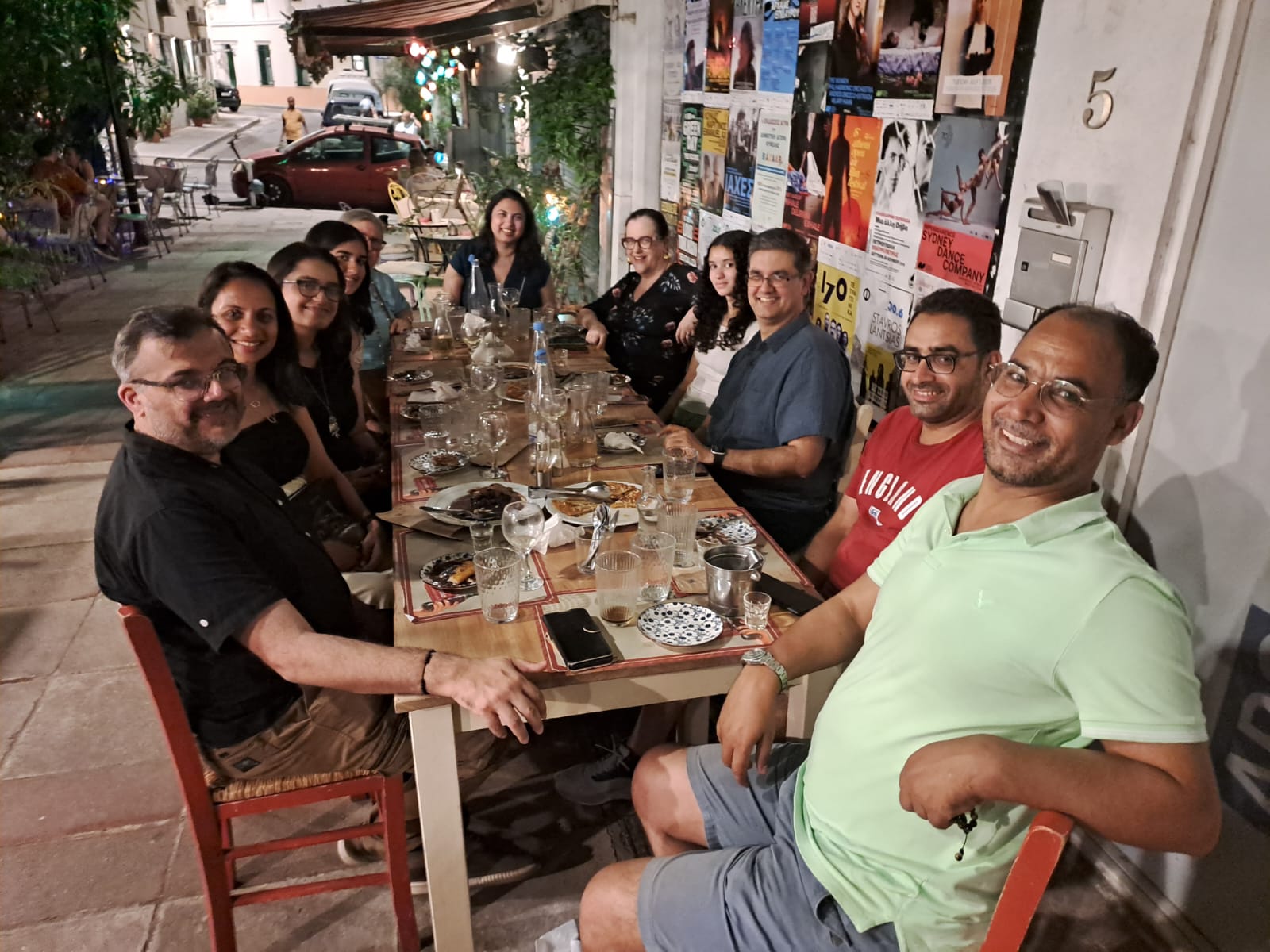
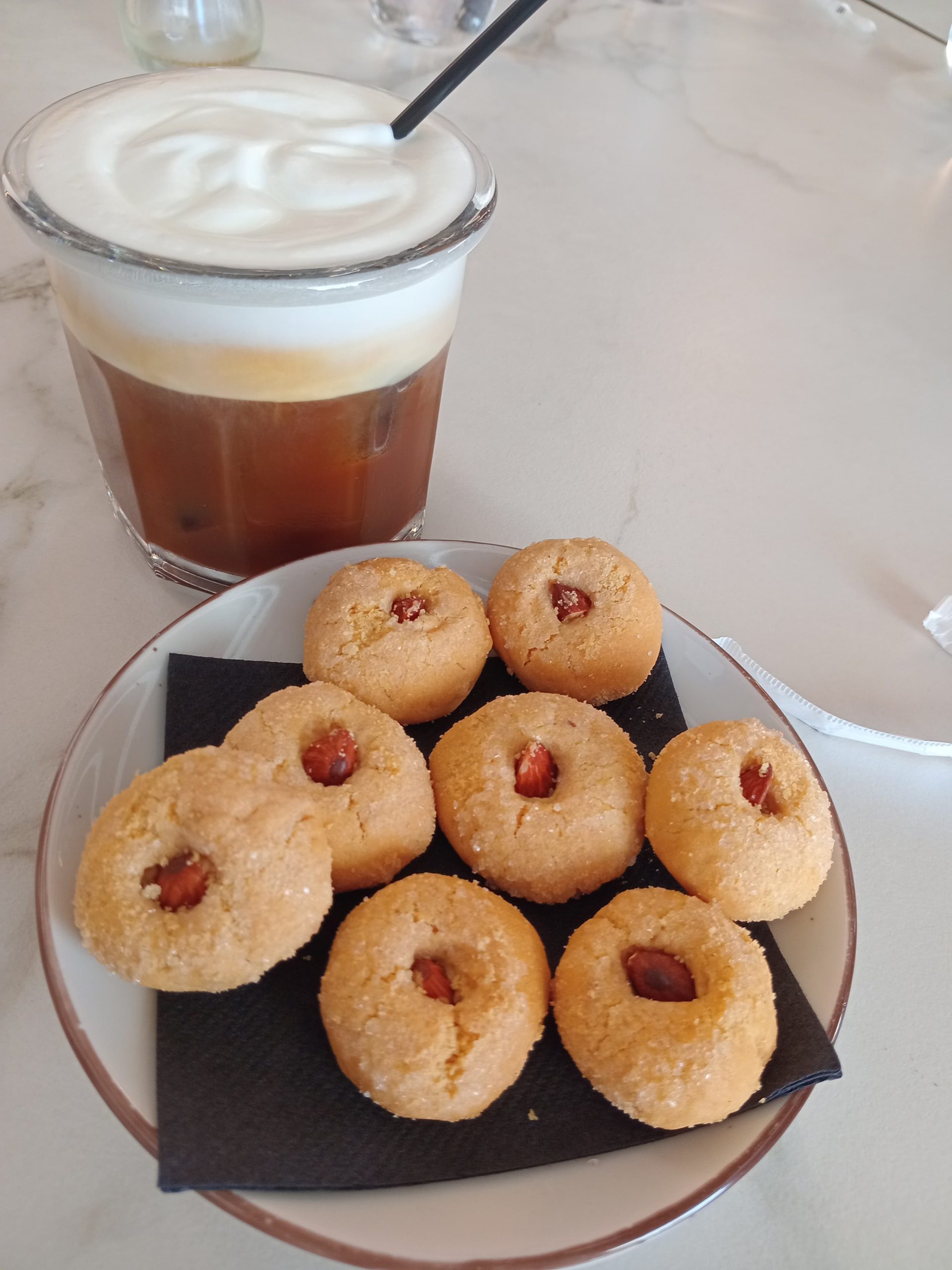
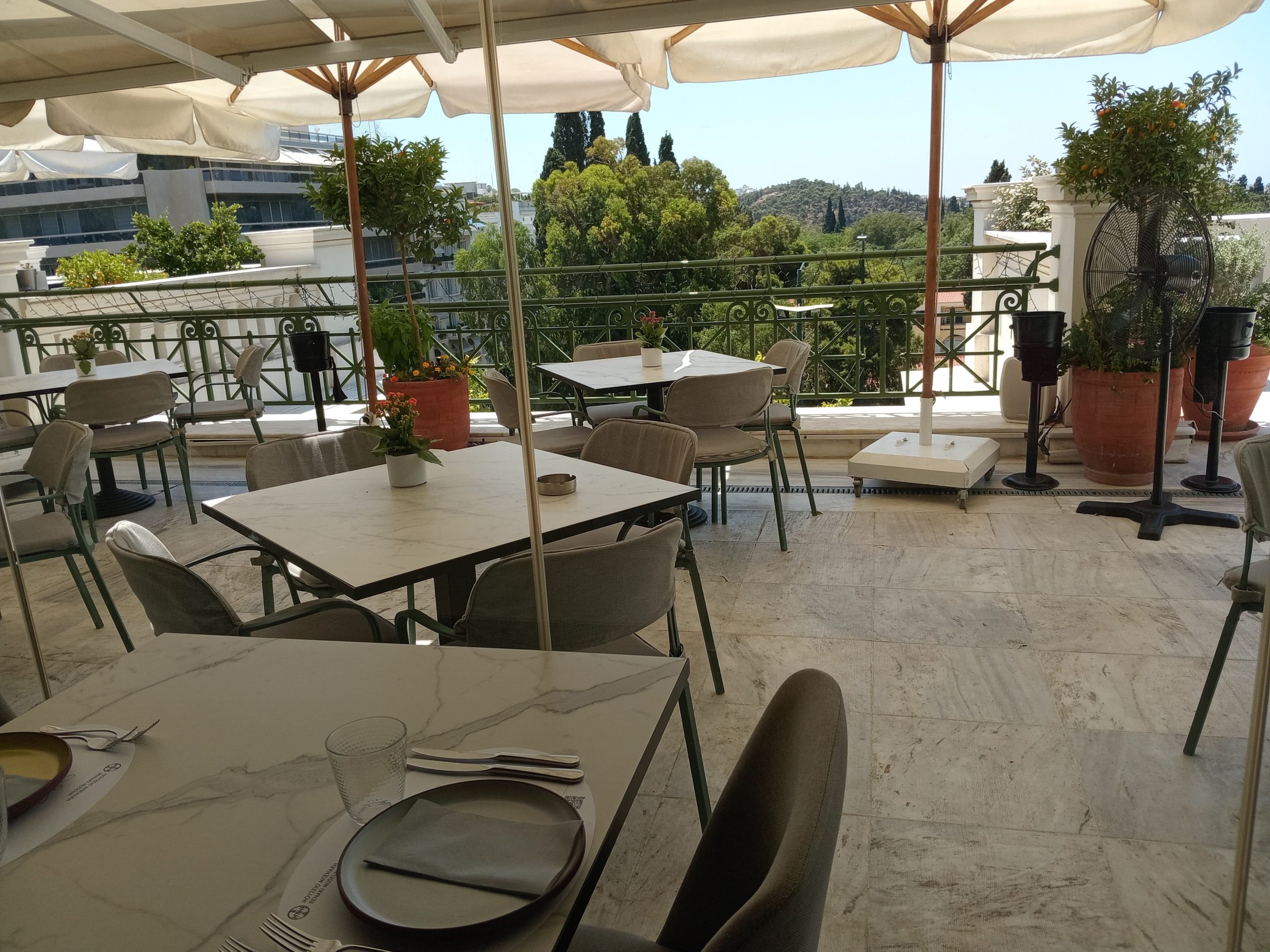
The Benaki museum café is a good place for an afternoon coffee, you get a clear view of the hills in the distance—and while you may be tempted to order a frappe (the cold Nescafe shake that is a Greek invention, now world famous), sophisticated Athenians I am told have moved on to the “freddo cappuccino”, with or without ice cream, ditching the instant coffee for better roasts. The Benaki museum shop is also perfect to pick-up high-quality gifts to take back home. Or, walk down to Attica, the department store next door, and check out Greek designer apparel and jewellery there.
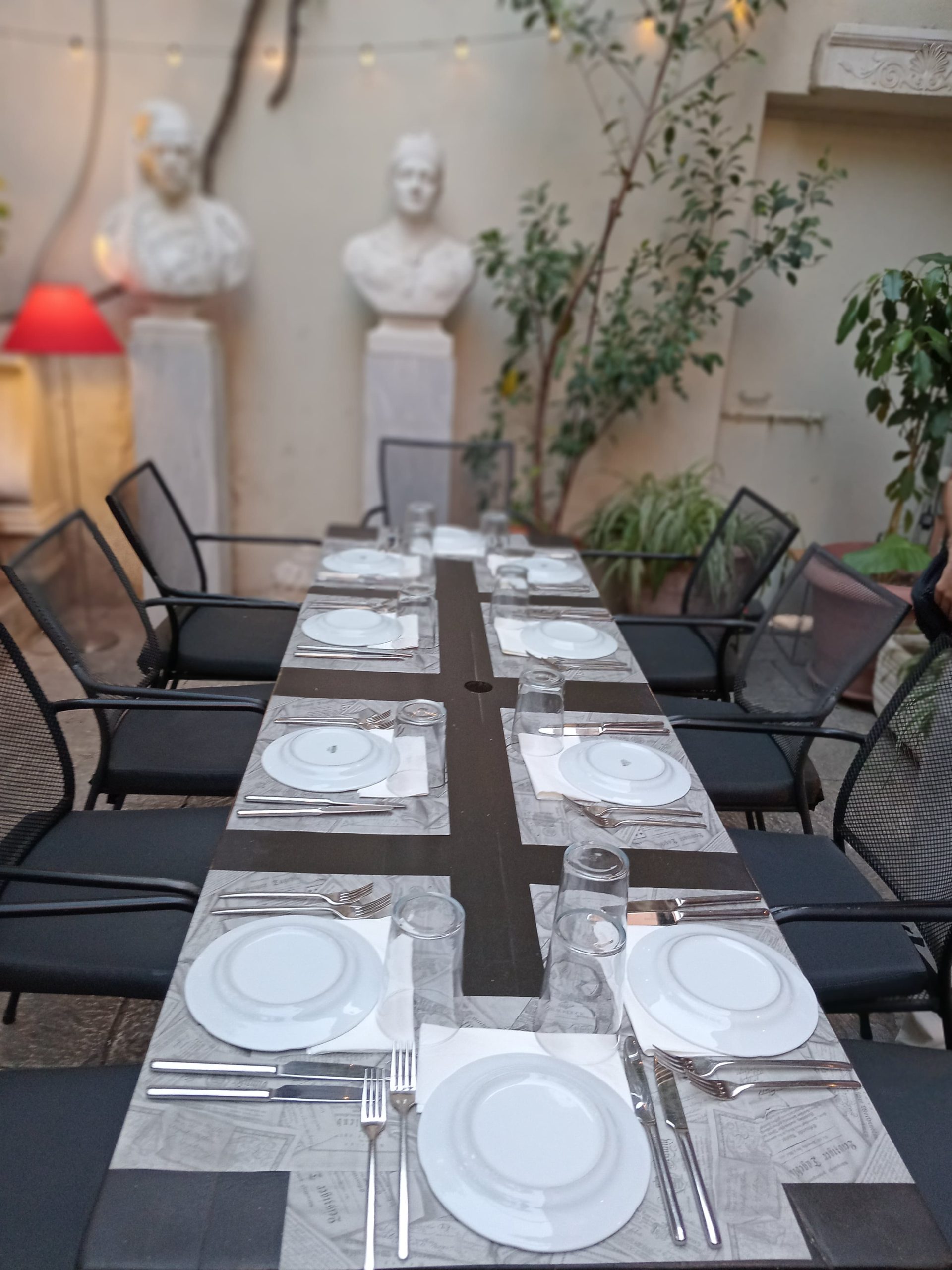
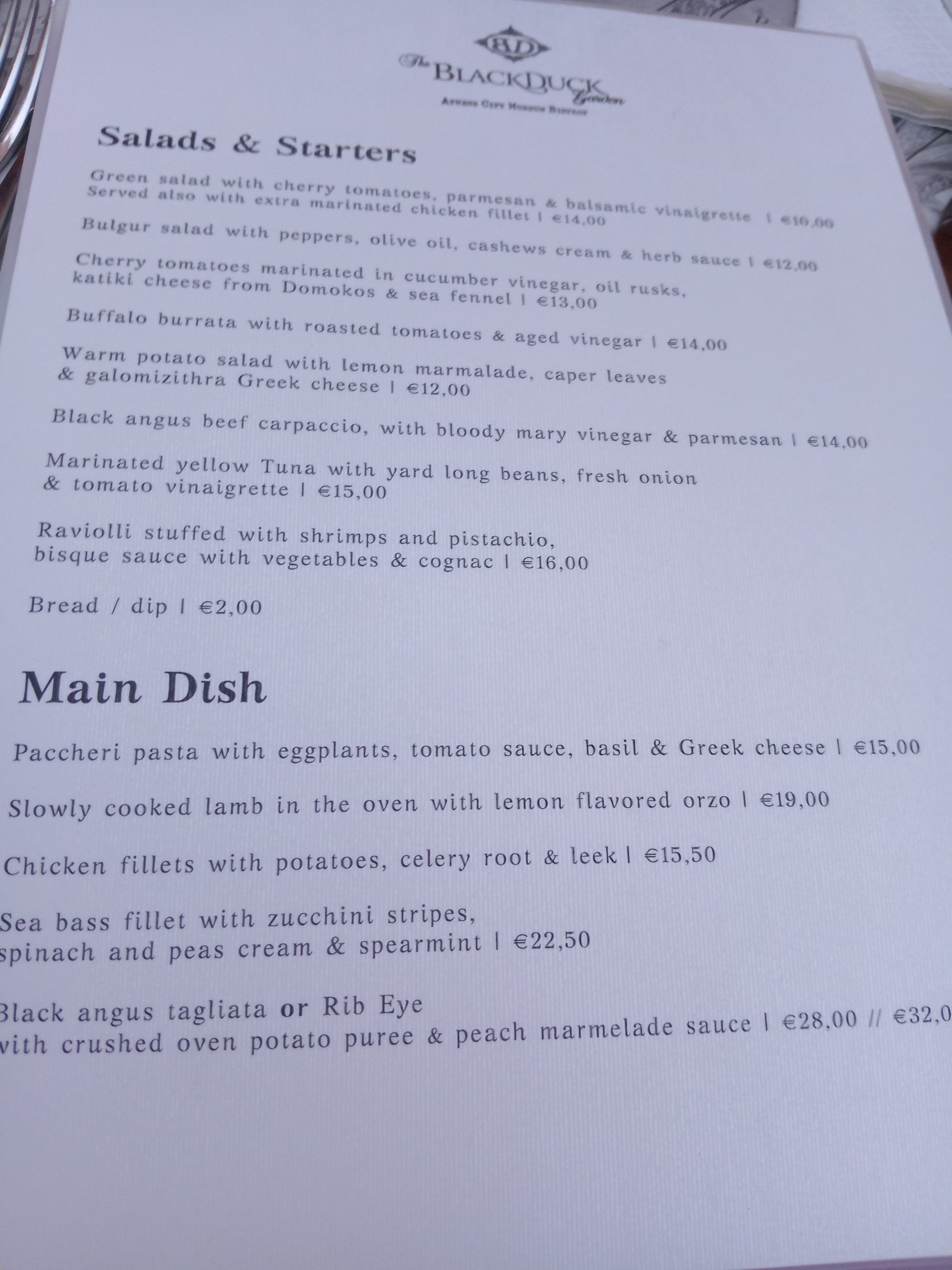
But my favourite art + cuisine moment arrives later in the evening, as we arrive at Athen’s own “secret garden” for another dinner hosted by Aliki and her husband, Dr Shaker, for our family. The Black Duck is bistro-bar-restaurant-gallery, set, during summer, in the garden of the residence of Stamatis Dekozis vouros (now, home to the Athens City Museum) built in 1833. The building complex became also the home for the first king of Greece, Otto, after his wedding to 18-year-old Amalia.
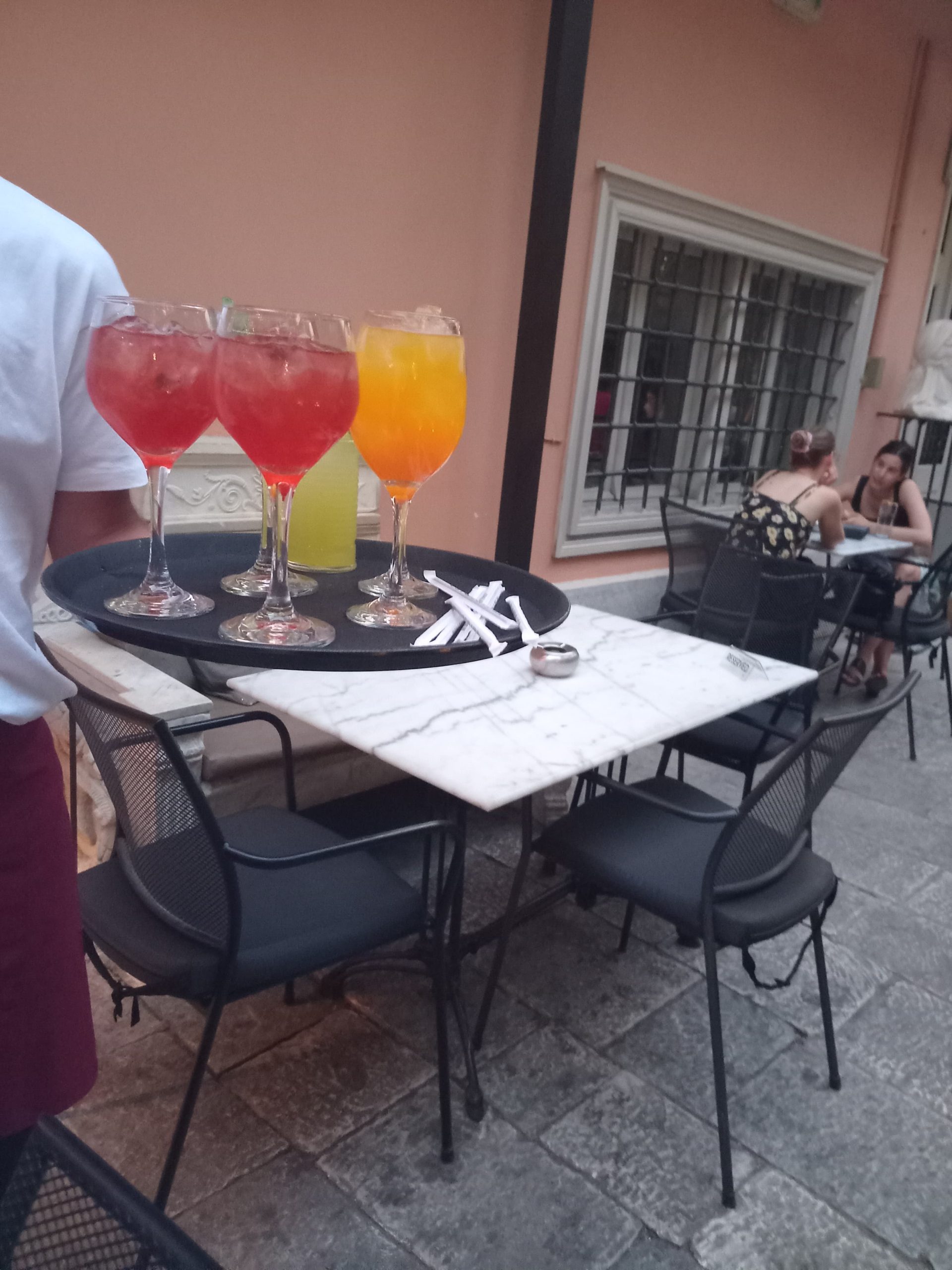
It was the young queen who organised the garden of the royal home, and this is where we sit this evening, on a long table with art in the backdrop, greenery all around, and an open sky, sipping on various “Duck Tails”—cocktails and mocktails; from the summery spritzer duck with a red berry cordial to duck-arita sour aka tequila infused with chamomile, hibiscus or bergamot. No picante please!
A soul stay at Melia Athens
Downtown Athens is the best option for your stay if visiting only for a short time, before you head out to the Peloponnese (like us), to the islands (like my nieces) or to other parts of Europe (my plan, next year, is to take a ferry to Puglia from Patras).
I booked the very comfortable Melia Athens which was refurbished just a few years ago and thus has comfortable, clean and modern rooms with all amenities, including family suites with space, new furnishings and flatscreen TVs. The service is prompt and every day, turn down service was quickly provided sans reminders, which is not always the case in Europe.
Melia Athens is just a 10-15 minute walk from the “city centre”, as the locals know it; the iconic and decorous syntagma square, near the Hellenic Parliament, the stylish Kolonaki neighbourhood with its upscale Greek boutiques and cafes, as also a statue of Mahatma Gandhi inaugurated by EAM Jaishankar in 2021, and the chic Pangrati neighbourhood, where we’d dine that evening.
Like India, Greece is blessed with people with a sense of innate warmth and hospitality. At Melia, the friendly staff is not just helpful—but even entertaining. A young professional, a Bollywood buff, did an impromptu song-and-dance jig, “Bolein Churiyan”, for us, without faltering over the lyrics or hook step. An instant mood uplifter.
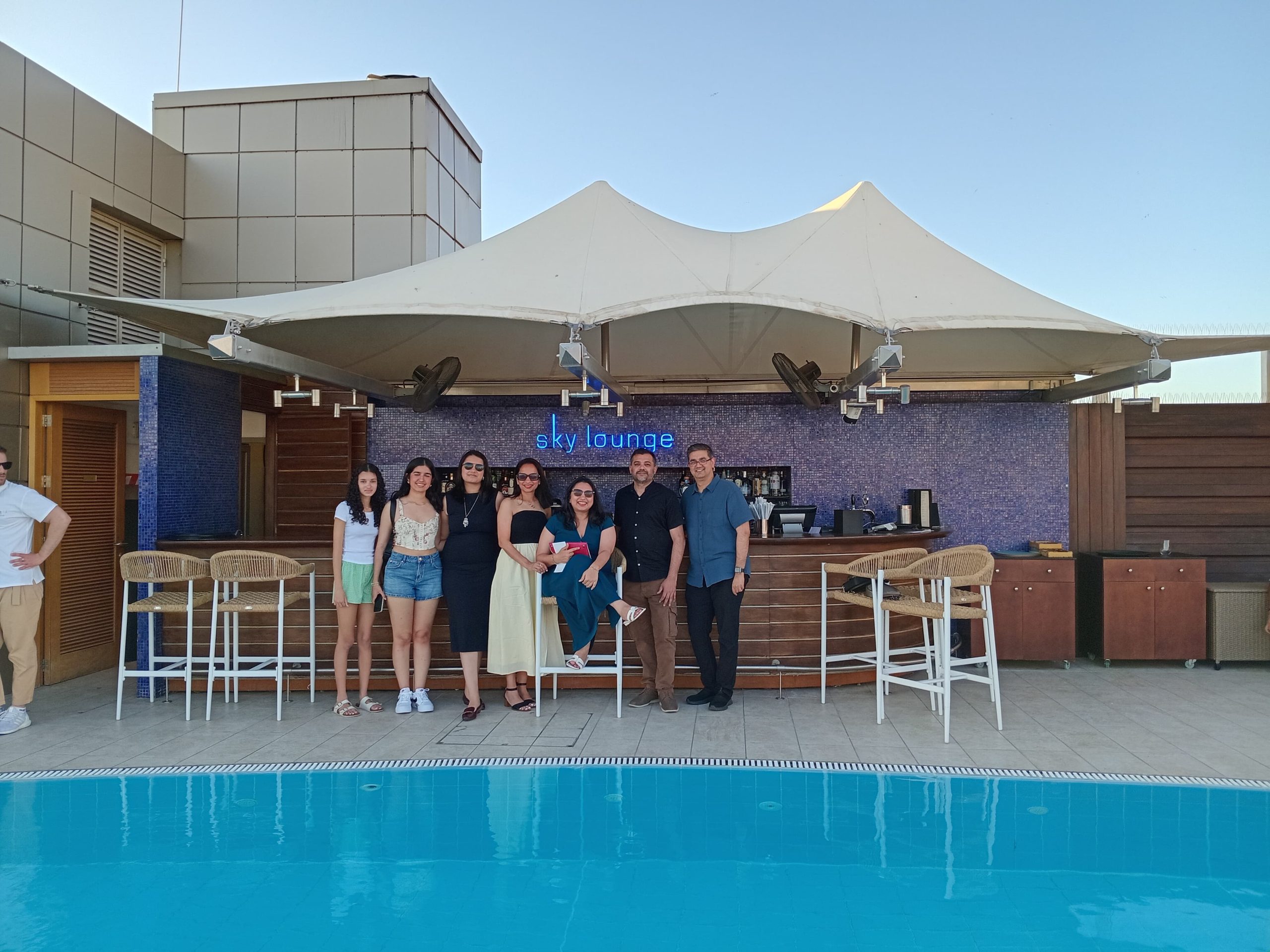
The hotel also has the Vivendo restaurant with Mediterranean eats, and a particularly good pizza and pasta menu, which is great for the kids. But by far the most attractive space is the rooftop bar here, by a gorgeous swimming pool, and al fresco tables, which are coveted in the evenings with their view of the lit up Acropolis. Athens, as we learn, is a city of the great outdoors, especially in summer, despite the summer.
Friends and families gather on long tables, and spend time unhurried, over wine and drinks, long lunches and dinners. Conversation is a lost art in the days of social media, but in Athens you reclaim it. Just as you do a sense of history, art and civilisation.