A LAVISH LEAF

FTAlmanac
- November 18, 2025
Madurai meets Arcot meets Tanjore at a
Jamavar meal in Chennai, says TFTA editor
and food historian Anoothi Vishal.
By Anoothi Visha
Silks, tiffins, temples, a living heritage
Of all of India’s bustling metropolitan cities with their new
aspirations and rising wealth, Chennai is perhaps the mostentrenched in a sense of its past. Or, at least that is both the
stereotype and sense you get as you stop by and meet many
of its residents both old and new— including those from the
north, cutting across communities and regions. Having visited
the city fairly often in the last decade and a half, I have seen
it change and yet remain the same moored in its deep culture
and pride for things that matter—books, classical music,
beautiful silk sarees much more than other vain acquisitions!
There have been a fair number of memorable moments
and encounters here: Meeting a Tamil film maker who
invited my aunt and I home and gifted us a beautiful brass
filter for coffee, going for a morning walk at the prestigious
Boat Club, driving to a quiet beach at midnight, returning to
Sundari Silk on every visit, eating a meal in a mango orchard
on the outskirts cooked by India’s top chefs, weaving my way
through Mylapore’s ancient lanes, past the tank, the bangle
and flower sellers, inside the sacred Kapaleeshwar temple,
and then for Pongal at Rayar’s mess (a small vegetarian eatery,
established in 1930 at Arundale street in Mylapore) —on
Pongal! Talking at the Hindu Lit Fest, eating an off-the-menu
Udupi style breakfast at Mathsya with soft mini banana dosas
and pathrode that you’d otherwise eat in Mangalore, dining
at Poonusamy with my publisher over Chettiyar dishes and
biryani, ribbon and cashew pakodas in the evening at Anand Breakfast at Murugan’s: (Clockwise from left) TFTA columnist Ashwin Ahmad, Ravish Mishra, Anoothi Vishal and
co-founder of Hoppers London Karan Gokani at the famous Murugan Idli shop in Chennai.
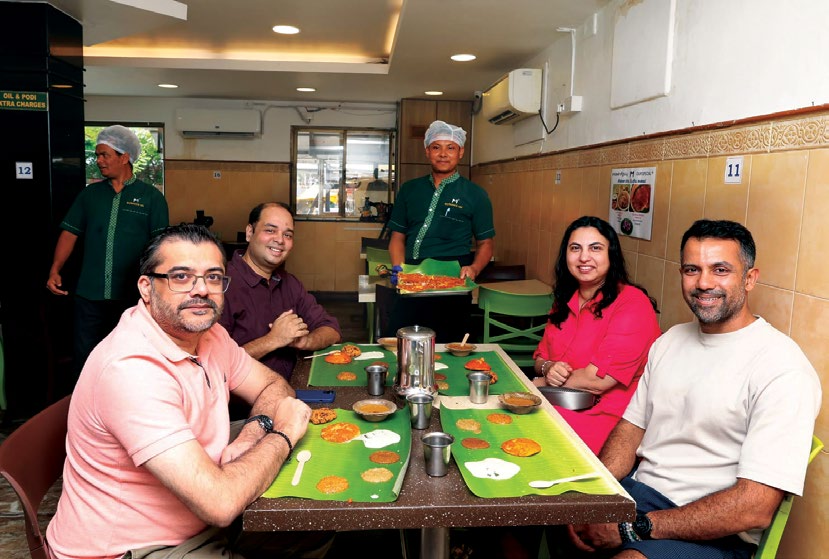
Sweets, and even meeting the erstwhile Prince of Arcot and
drinking an oud flavoured sherbet at his home. It’s a city,
where surprisingly, I haven’t felt an outsider.
Canteen eateries came
up to cater to the
Madras Presidency’s
huge workforce and
evolved into the veg
dosa-idli eateries, now
popular globally
Military hotels, mess and Madurai-style meals
If dosa-idli are India’s best known breakfasts and “fast food”,
whose cult is growing via Insta-friendly restaurants (think
Benne dosa and thatte idli that no one quite knew even three
years ago), it is thanks to a long pre-Independence legacy of the
Madras Presidency. With a huge number of educated young
men employed by the Colonial administration, the concept of
a substantive all-vegetarian tiffin came up, as a mid-morning
meal. Since most of these young men were from the vegetarian
Tam Brahm or South Canara communities in Madras as well
as cities such as Bangalore with its cantonment, two styles of
eateries catering to this middle class came up in the early 20th
century. Woodlands Hotel (established
in 1938) in Chennai was a pioneer in
establishing the Udupi style of breakfasts
with its distinctive, slightly sweeter
sambaar (as did MTR in Bangalore,
established in 1924). Dasaprakasha, that
too was a Chennai institution was also a
leader in taking Udupi style food not just
all India but global.
The cult of Udupi restaurants across
India and the world have their genesis
in these institutions of the Madras presidency. Even though, if you are a
sambaar connoisseur, you may note that
all the regional and micro regional eats
are different in nuances. The Tamil-style
sambaar, for instance, is more sour and
in some micro regions spicier than the
milder and sweeter Udupi sambaar of the
temple meals. (Places like Madras Café in
Mumbai serve this style.)
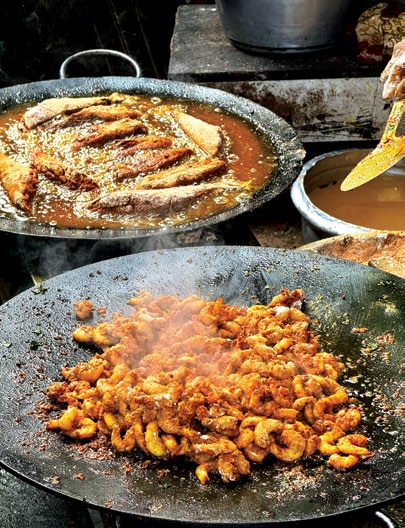
Military hotels or “mess”
were shorthand for
early 20th cen eateries
serving non vegetarian
food. Legends like
Poonusamy and Velu
were a continuation of
this food tradition
Tamil biryani deconstructed
The last five or so years have seen a huge renaissance of
Tamil-style biryanis. Thalappakatti is now world famous, and
people are curious to know the differences between Arcot and
Ambur, Dindigul or Chettinad style rice-with-spice. Some
years ago, when I visited Amir Mahal in Royalpettah to meet
the family of the titular Prince of Arcot, I asked them about
the Arcot biryani. Arcot was, through medieval history, part
of the Carnatic state that itself was under the larger Nizamat
of Hyderabad. In 1867, the queen Victoria of England created
the “Nawab of Arcot” as a separate title under the crown.
The royal family lived in their Chepauk (6 parks) palace till it
was acquired by the state; the cricket stadium still bearing the
name of the large estate.
But there are different centres of
gastronomy in the state. The food of
the Chettiyars aside (for which another
article may be necessary), the Madurai
style “biryani” or rice with spice dishes
are distinctly different from the Tanjore
style, which may remind you of the Maharashtrian masala
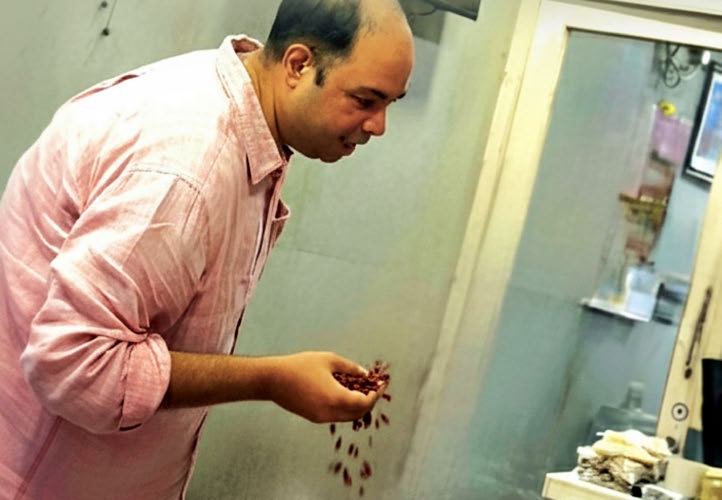
bhat, with a use of the Deccani spice pathar ke phool/kalpasi,
a black lichen that grows on rocks and is used in both the
Maharastrian Goda masala and the Hyderabadi kachchi dum
biryani. That’s because Tanjore was an outpost of the Maratha
empire, and the Saraswati Mahal Library there has tomes
with quintessential Maratha recipes adapted to the south.
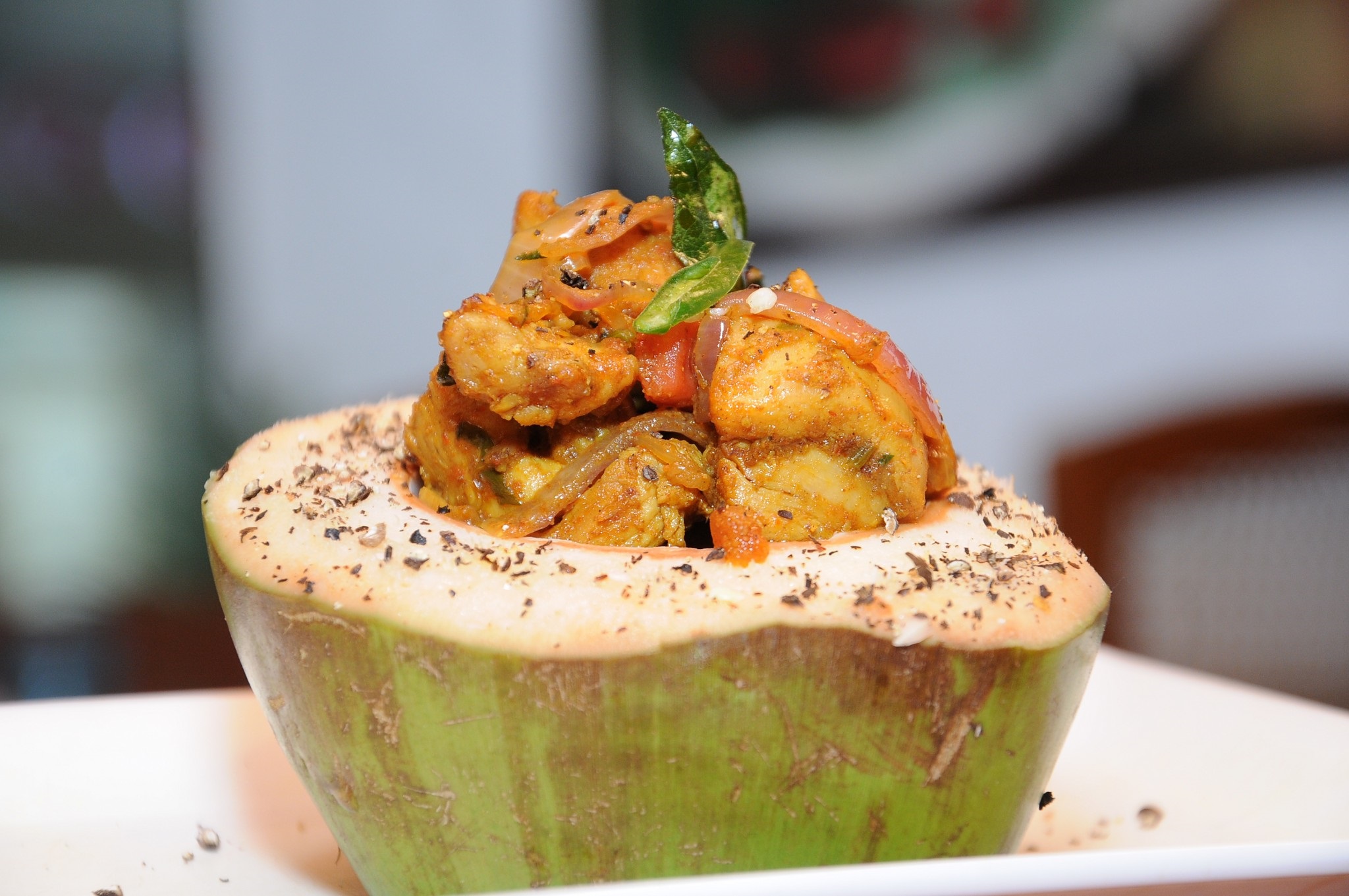
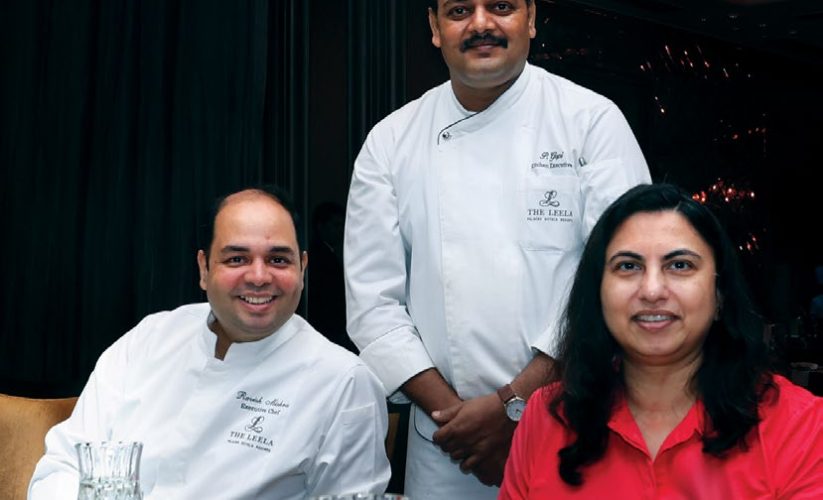
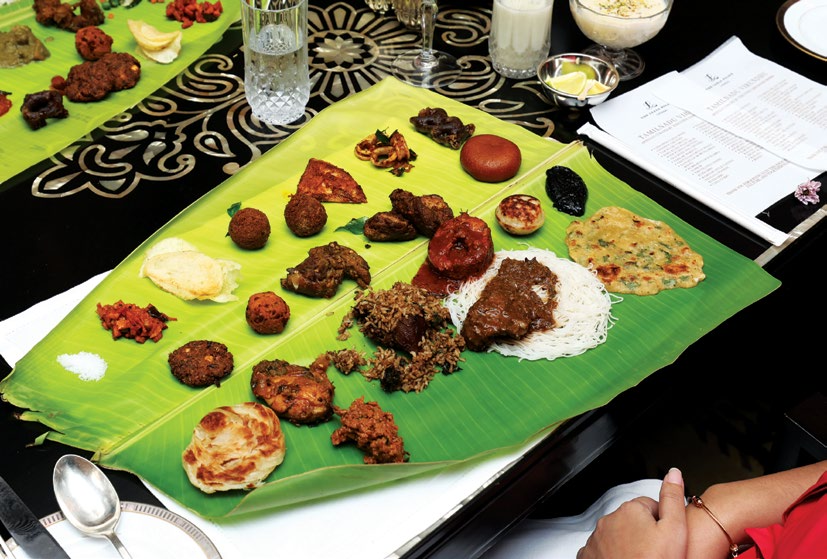
The Jamavar meal on a leaf ends with two distinct
types of biryanis served up by Gopi—one Madurai and
the other influenced by Tanjore. These were some of the
most tasteful biryanis I have tasted within or without the
messes. A discovery of Chennai may as yet be at your
restaurant’s table!