Are these buns made of paneer, bro?”

“Eat all you can today, I’m not standing in line again”
What’s making Delhi, the quintessential anti-queue city, line up? Taniya Sahni queues up outside a clutch of the new “queue” restaurants, eavesdrops on Gen Z/ Gen Alpha conversations, and decodes the phenomenon
A 90-minute queue for dosa; would you?
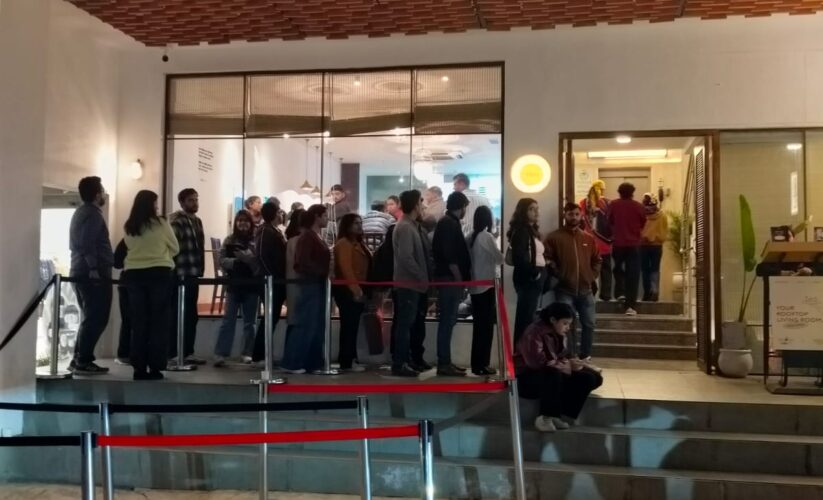
Going by the crowds outside Benne, recently opened in Delhi-NCR after its smashing Mumbai outpost — the answer is a resounding yes. In fact, Benne is one among quite a few of Delhi’s “Gen Z” cafés and restaurants operating on a trendsetting formula: compact spaces with limited seating, kitchens driven by novelty and a leveraging of social media to drive virality. Inevitably, what follows is a stream of Instagram reels spotlighting queues outside these establishments, which lead to even longer ones, triggered by digital envy, algorithmic urgency, and a creeping fear of missing out among those scrolling. These “queue-led” restaurants are a rather new phenomenon in Delhi—quintessentially a city where the refrain for earlier generations often went, “jahan hum hain, line wahin se shuru hoti hai”, unlike cities such as Mumbai, Pune or Chennai that waited patiently for their turn, whether at a bus stand or at a bank in the olden days, habitually.
But as we are now witnessing, Delhi is taking to the ‘in-queue’ trend with a convivial flair of its own. This writer stood in quite a few outside restaurants serving trendy dosas and burgers, gelato and dumplings to get a sense of this changing taste and cultural phenomenon, and analyse the motivations of those bucking Delhi’s sense of self.
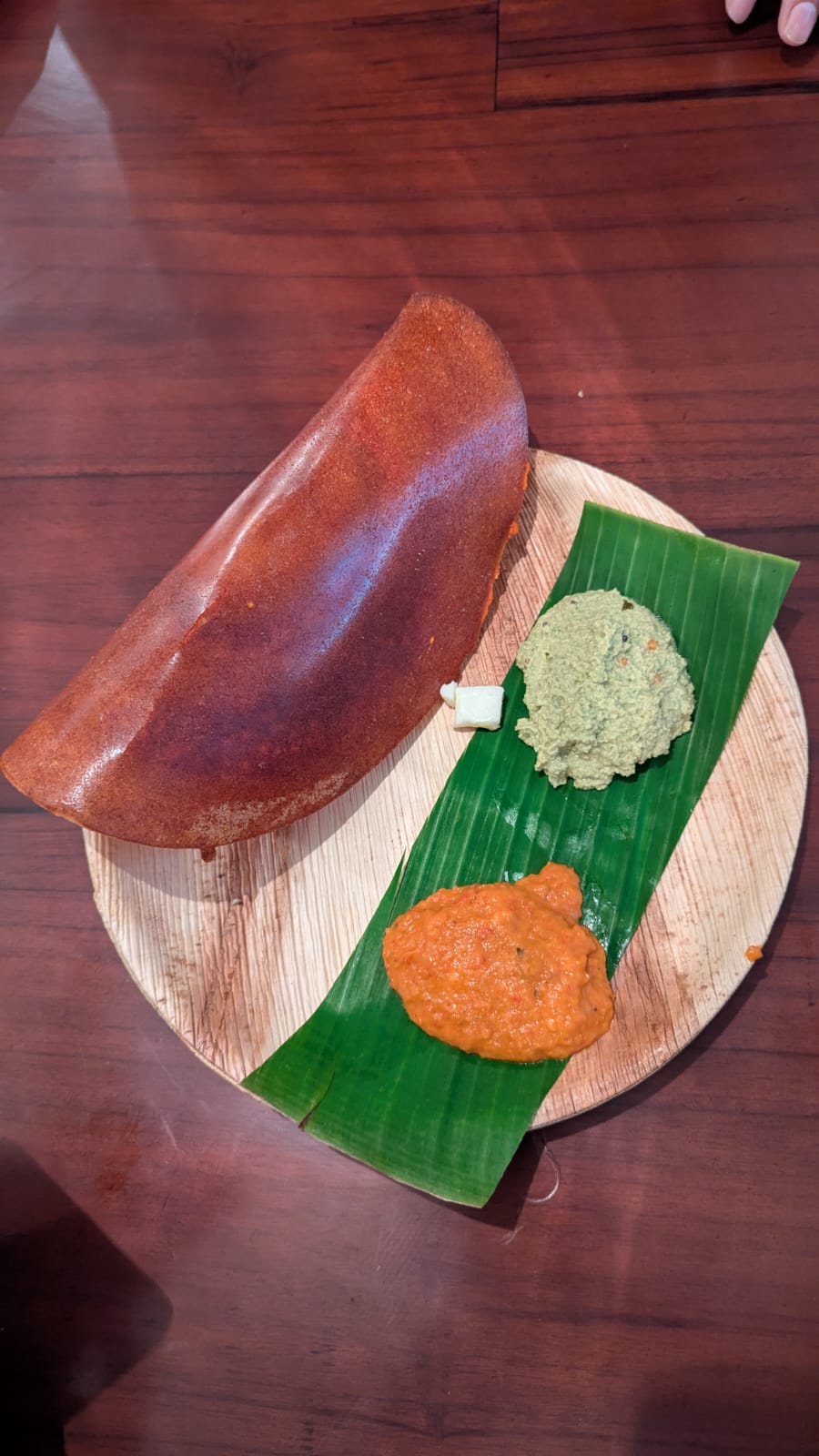
At Benne in Delhi’s GK 2, the queue seems as much part of the “Bandra experience” as the food — never mind Benne’s (Kannadiga for butter) cultural moorings in Bangalore. Eager to see if the ‘same quality’ of dosas are replicated in Delhi, the Gen Z crowd doom scrolls even more while waiting their turn, exchanging notes with their neighbours, and inadvertently becoming the subject of curious passersby, some tempted to join in.
As I found myself lining up for the third time since Benne opened here, I wondered, what was truly novel here? Kannadiga-style dosas aren’t new to Delhi. Carnatic Café, across the park in Greater Kailash II, introduced them years ago. And why were my fellow diners going weak in the knees watching spoons sink into pillowy idlis slicked with ghee and podi exactly, versions of which are available at many old shops in markets near central government offices with staff from the southern states since the 1950s and ‘60s?
The answer came from snippets of conversation around me: “You know they don’t serve sambhar.” “Their thaate podi idli is bomb, bro.” It was part herd behaviour, part curiosity about a darshini-style eatery where diners stand to eat, and part intrigue around lesser-seen regional offerings like donne biryani, along with, for some, filter coffee. At Benne, overheard conversations often veer towards curiosity about Mangalore buns, what exactly they are made of (one diner even incorrectly guessed paneer), and why they dominate Instagram feeds. Many already know of their online popularity, traced to Chef Shriya Shetty, Executive Chef and Co-Founder of Buttercream Co. (BuCo), who shared the recipe on Instagram during the Covid lockdowns.
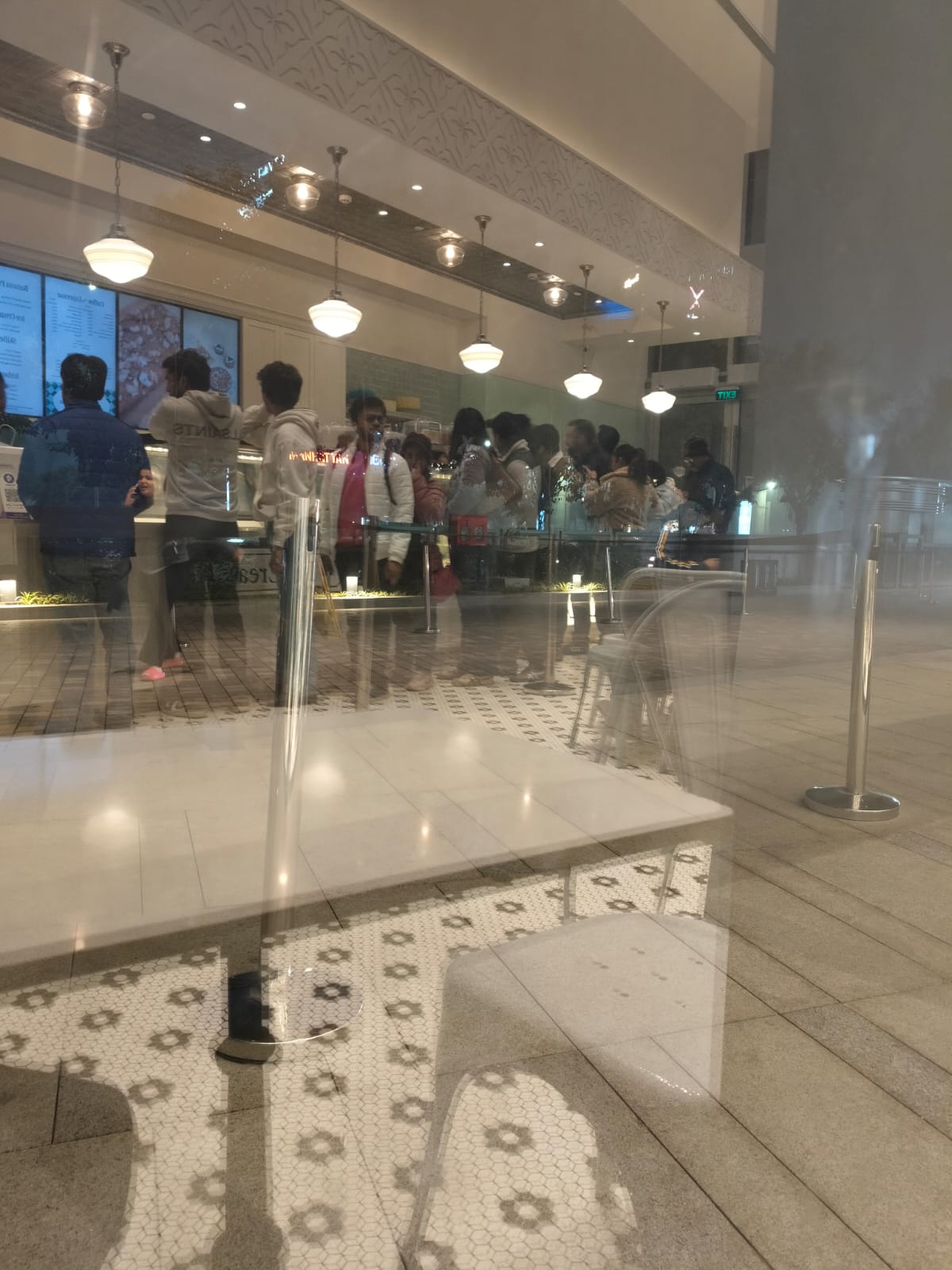
Magnolia Bakery’s popularity is equally evident in not just the queue phenomenon but also its rapid expansion, which seems driven in part by social media-led popularity. After opening in Bengaluru in 2019, it went on to launch multiple outlets in the city, before expanding to Hyderabad and Mumbai, and continuing its growth trajectory with an outpost in Gurgaon in 2025, where it continues to be queue-bait. Their iconic Banana Pudding and Tres Leches (Alia Bhatt’s favourite) pull winding lines, with Gen Alpha overheard directing their friends to “eat all you can today, I won’t stand in the queue again”, and yet others badgering the security guard to let them in. Will their week-old, swanky Cyber Hub outlet shorten wait times, or just make the crowds bigger? Time will tell.

The subtext to the queues and how the restaurants fare, post the initial frenzy
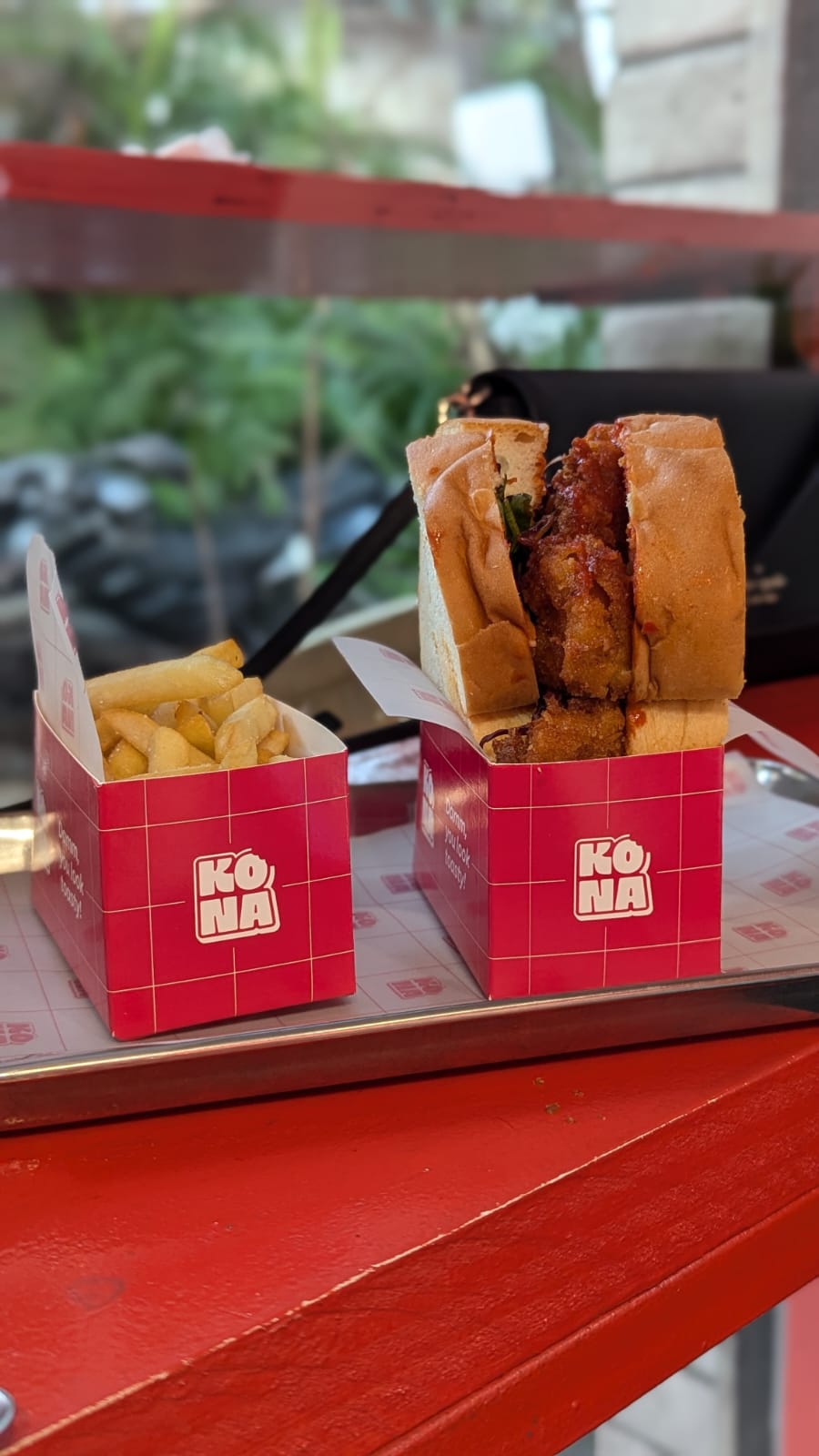
A few blocks down the road from Benne in GK 2, stands Kona, the sandwich shop by Radhika Khandelwal of the now-shuttered Fig & Maple. Even before its July 2025 opening, Insta-fuelled hype, sweetened with a 10% discount and a DM-for-location tease, had Delhi queuing. Small wonder the first batch sold out before 3 pm on day one. While the frenzy has eased, limited bread production means Kona still frequently sells out, even more than five months after opening. The brand also keeps interest alive through limited-portion ‘Sando Drops’, such as the Maria Poie-tache made with Goan poie and the Billi Ei-Fish.
Firenze Gelateria in Defence Colony, too, continues to see queues, largely owing to its very limited seating. Lines form predictably during peak hours, though they thin out during quieter parts of the day.
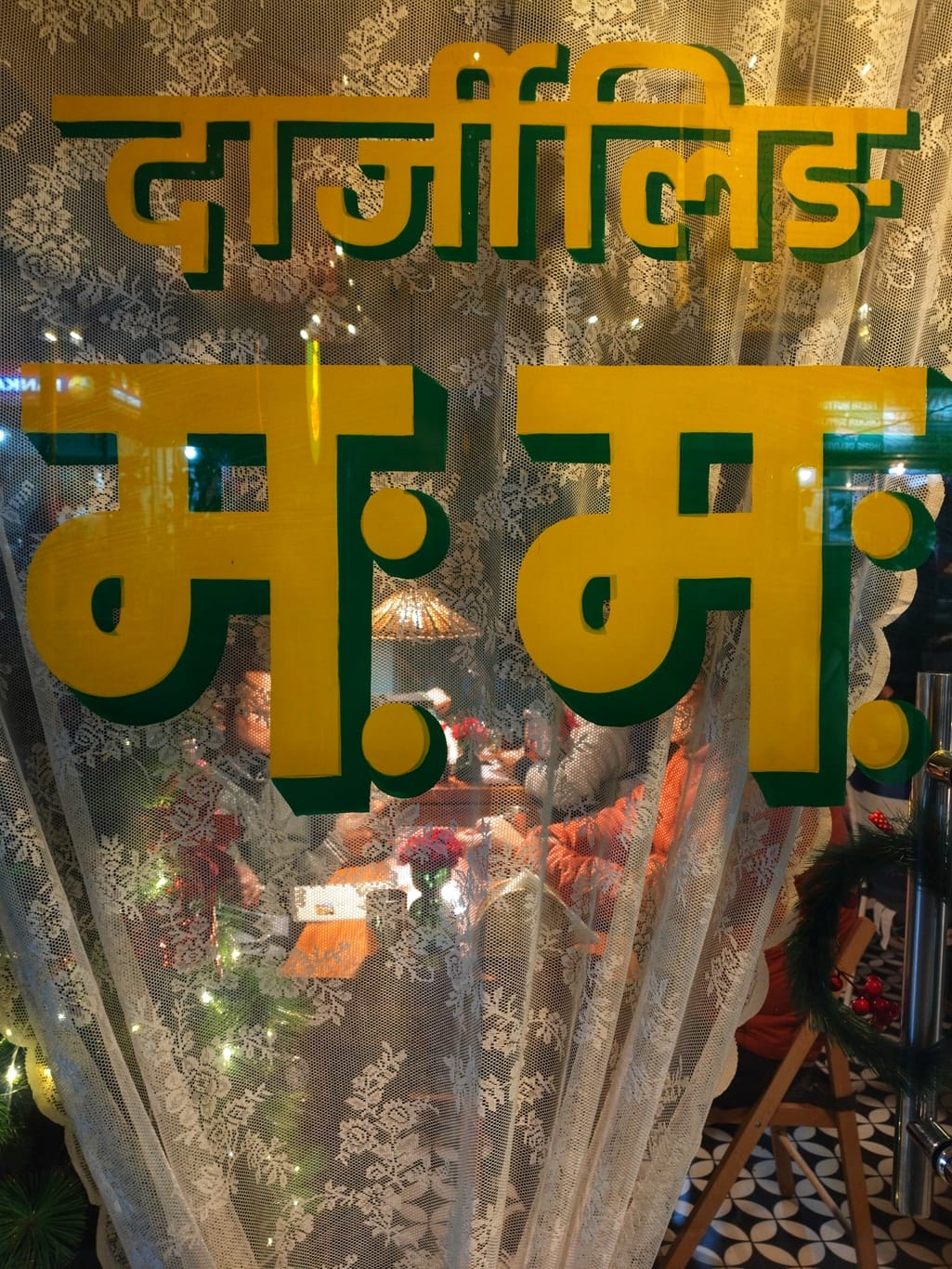
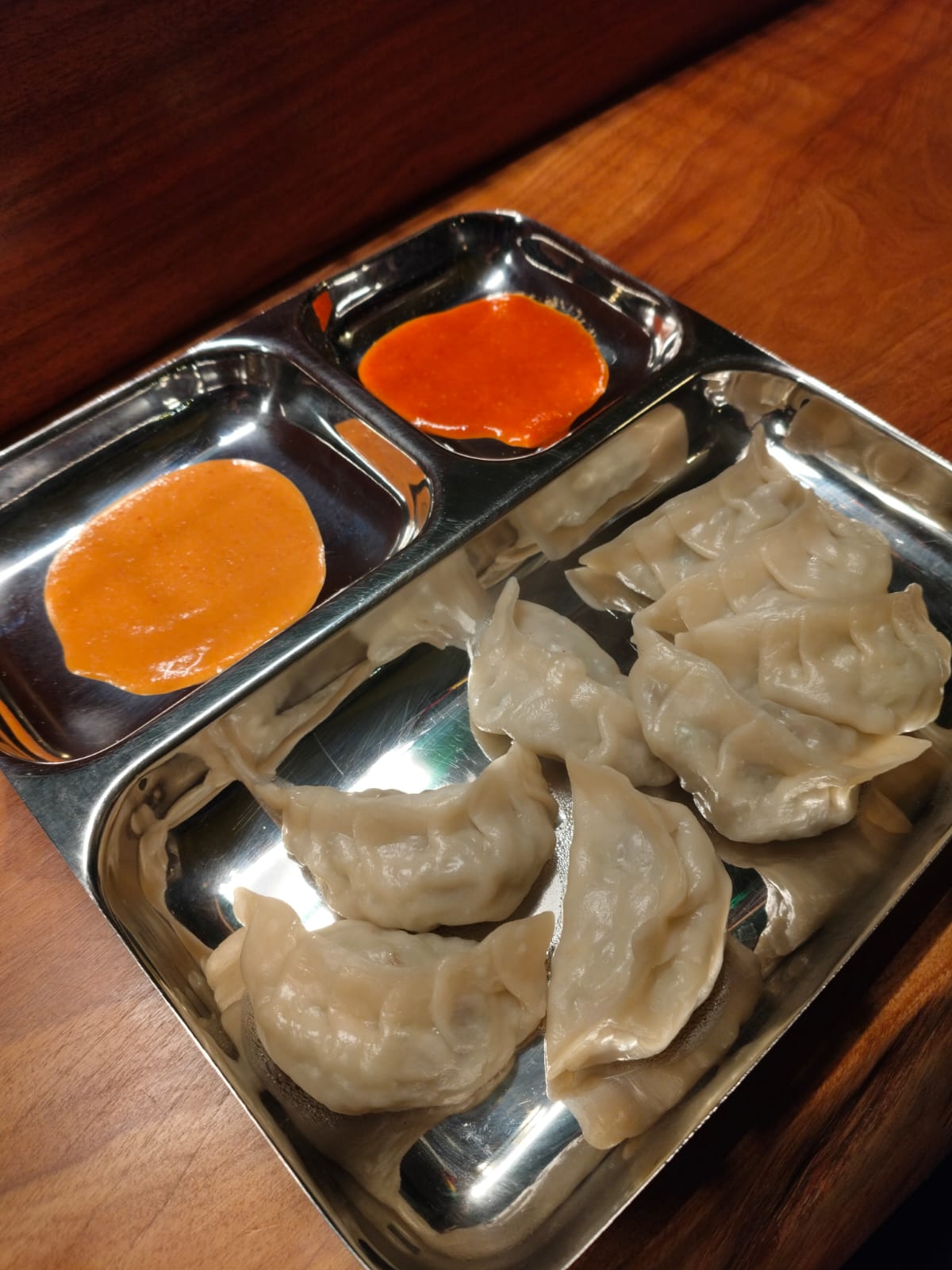
In an unassuming Chittaranjan Park market, sisters Sujata and Priya Limbu run Limbu Kitchen, serving Darjeeling-style food rooted in the Limbu community. The mom-and-pop eatery seats just 12; a sign outside makes it clear: no reservations, walk-ins only. As I tucked into deftly made momo served in a steel plate while my friend slurped thukpa, the door swung open repeatedly, queued diners craning over our food to ask about wait times. Word of mouth and Instagram curiosity were clearly at play as one diner admitted he’d discovered the place just 20 minutes earlier.
Sandwiches, too, have emerged as reliable footfall drivers. Dumbo Deli in Meherchand Market draws serpentine queues for Florentine-style sandwiches made with freshly baked schiacciata bread, inspired by Florence’s Al’Antico Vinaio, where two-kilometre lines are the norm. On social media, you can find quibbles about “operational delays” where bread isn’t ready in time and operational gaps quietly fuel queues. This prompted the deli to respond on Instagram, urging customers to check real-time ‘sold-out’ updates before heading over. In response to demand, Dumbo has now upped its game, baking larger batches of bread and also introducing deliveries.
There is also a quieter subtext to these queues. The privileged line up not just to eat, but to decode the hysteria, to see what they might be missing, and whether there is a way around the wait: buying their way in, slipping through unnoticed, or simply proving to themselves that the queue, too, is worth their time. Business is surely booming, but for managements, the reality lies somewhere between keeping tempers cool and quietly losing their own. Dumbo Deli has spoken of “reviewing customers,” while Firenze Gelateria placates those waiting with hot chocolate. At Benne, queue wrangler Vinayak Ahire told me he was once offered ₹2,000 by patrons to secure the only community table, which is strictly for priority seating. Headaches aside, Benne offers warm water for those braving the cold, and on good days, even a piece of Mysore Pak, small consolations for those waiting to crack into a benne dosa, or simply feed the Instagram algorithm.