Addis Ababa: An unexpected encounter

 From coffee to Timkat, Ethiopia’s cultural offerings to the global traveller may be a joy to partake of
By Rahul Ahmad
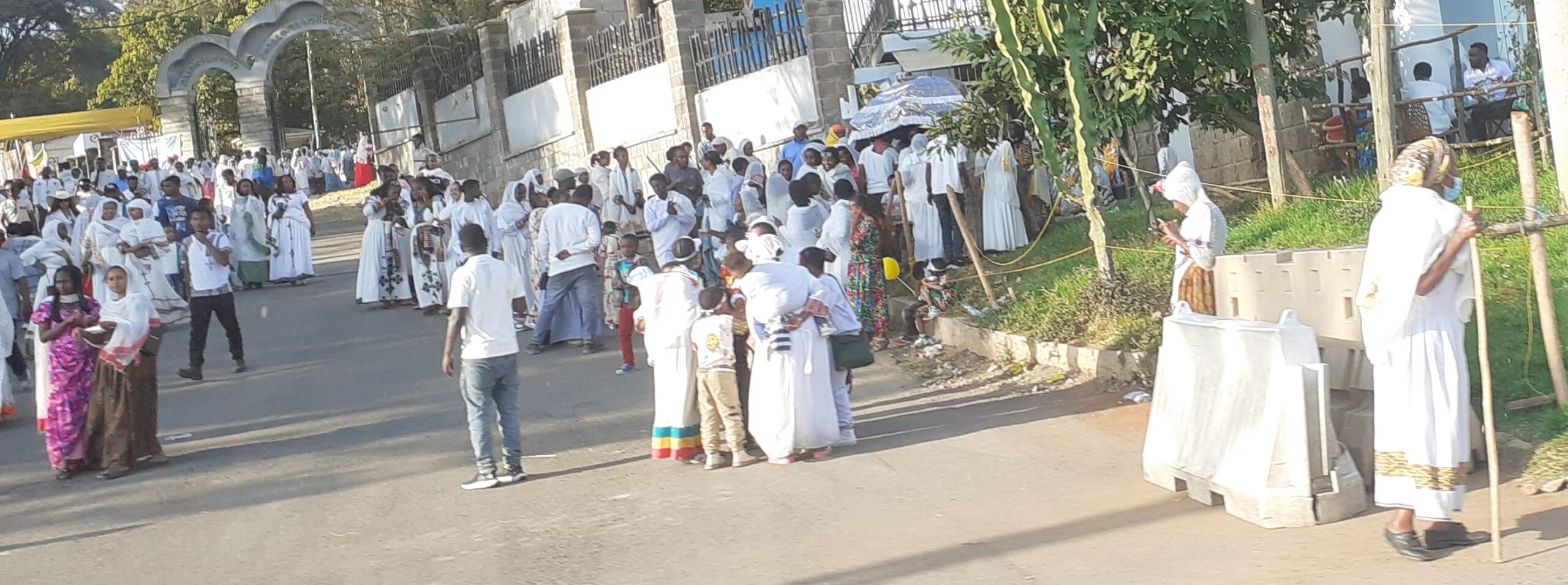
It’s probably not the obvious destination to visit. You may be apprehensive about what to expect, from safety and security concerns to language, communication, and cultural differences. But cast aside your doubts because Addis Ababa is an absolute delight! As the capital of Ethiopia, this beautiful African city’s name literally means ‘new flower’ in Amharic, and reflects all the attributes of being in full bloom! I arrive during Timkat (Epiphany) on January 19th — an annual festival that marks Christ’s baptism in the river Jordan. This is celebrated with much fervour throughout the country. Given the Ethiopian Orthodox Tewahedo Church is the largest Oriental Orthodox Church with ~60 million members, the day has huge significance for the country and is on par with Easter or Christmas. On the day, women wear the traditional netela (white draped shawl) while men wear the kuta. Though the day could be considered a sombre occasion — with mass baptism rituals — the underlying song, dance, colour and festivities, have put Timkat on UNESCO’s Representative List of the Intangible Cultural Heritage of Humanity. The festival is an eye-opener and highlights both Orthodox and Catholic traditions in Ethiopia with both communities taking part in it, as well as other religious groups. As a backdrop to the sheer number of people on the streets dressed in immaculate white were the spotless roads. No litter, rubbish or cracked pavements; just clean, even streets for both traffic and pedestrians. And that was every day. On top of that? Some of the nicest, most courteous and helpful people you will meet.
Coffee as life
Sightseeing in the city consists of natural parks, museums, galleries, food exploration and, of course, coffee. In fact, there are specific coffee and food city tours for those with a deeper interest. Coffee has a rich history in the country and is steeped in its culture, traditions, and practices. In the 9th century, a goat-herder accidently observed his herd dancing wildly after eating some red berries. These berries (later soaked and consumed) emerged as the first entry point of coffee in the country though it wasn’t until 700 years later that coffee entered the mainstream and was commercialised. Today, the country prides itself as being the top African coffee producer and in the top 10 global coffee exporters. Across Addis Ababa it’s clearly visible how much coffee means with most areas having numerous street cafes, local chains (Tomoca being the most prominent), all with their own unique beans, flavours, and aromas. With coffee as the base, communities connect, business is done, and people socialise. In fact, many hotels have a ‘coffee section’ where patrons can watch an experienced hand undertake the three-step (roasting, grinding, brewing) coffee ceremony.
Around town
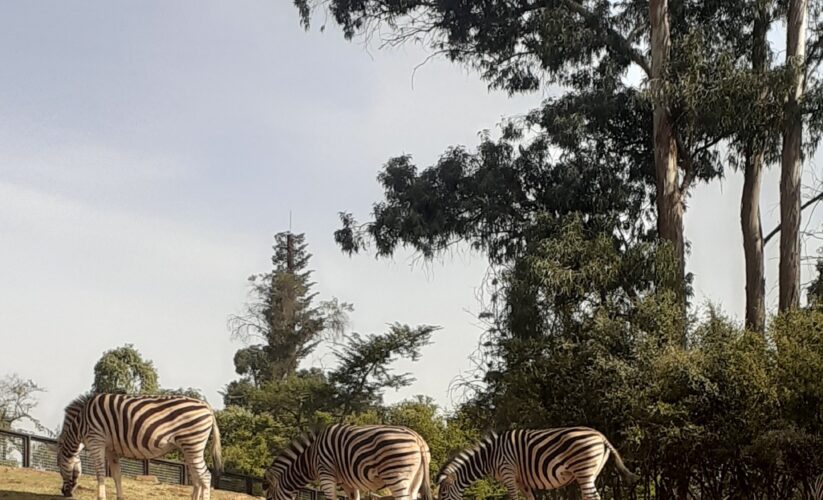
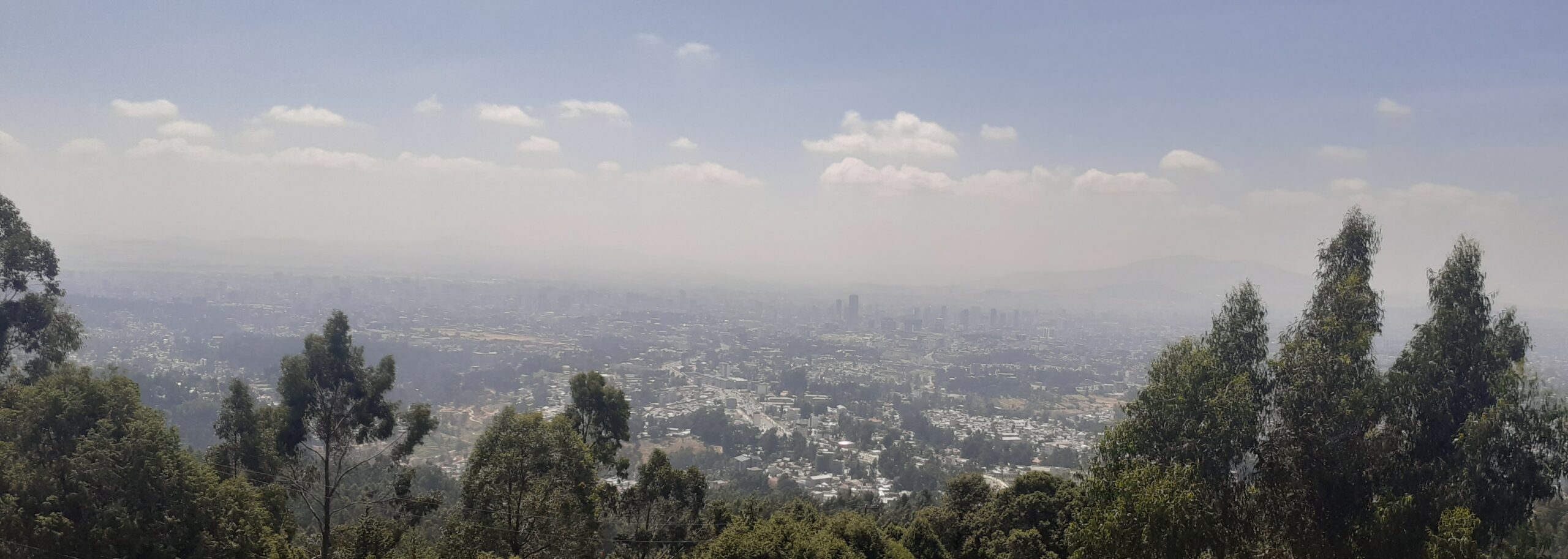
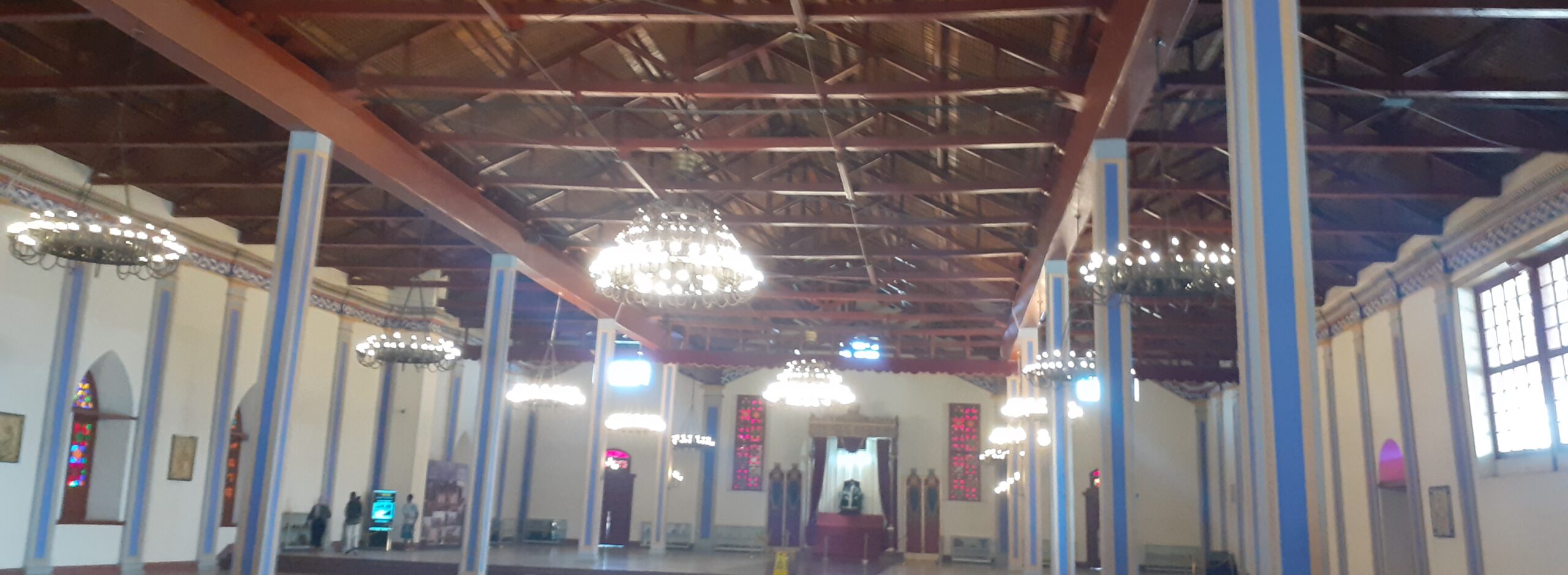
In town it’s a good idea to get your bearings from Entoto Natural Park. Rising between 2500-3000 metres, the park offers panoramic views of the city, highlighting both new structures and older areas. There’s also the National Museum of Ethiopia where you’ll find Lucy (Dinknesh), the 3.2-million-year-old female human ancestor skeleton discovered in 1974 (and well documented in a book Lucy’s Legacy: The Quest for Human Origins) as well as the rich history and heritage of the country. Another main attraction is Unity Park, a 20-hectare spot blending the historical, natural, and cultural attributes of the country. It’s quite something as it’s in the middle of the city and has a zoo with over 30 mammals, an aquarium, and a variety of birds and plants. Where else would you find lions and cheetahs in the foreground and traffic in the background? The park also demarcates the earlier palace of Emperor Menelik II and houses splendid banquet halls, museums, and lavish gardens, which are open to the public.
No piece on Ethiopia would be complete without discussing its food. Injera is the sourdough flatbread base (a roti equivalent) which accompanies main dishes like tibs (beef or lamb curry), kitfo (minced meat) fir-fir (meat and vegetable stew), and vegetarian options like shiro wat (vegetable paste) and misir wat (red dal-like stew) and is washed down with a range of drinks like tella (home-made beer) and several home-made wines and non-alcoholic drinks. Interestingly, its common to share food, i.e. the main dishes are placed in the centre and diners dip and soak their injera in the communal plates, which definitely helps bring out the flavours and intimacy of the experience. Both through food and coffee it’s clear that there is a deep sense of attachment to the country’s history and culture. These unifiers make for a fascinating kinship and serve of strengthen ties of the people of this proud nation. This is just a teaser into the wonderful city of Addis Ababa. The country has much more to offer: a trip to the Wonchi Crater and surrounding lakes; the vast Lake Ziway with its spectacular array of aquatic birds; and the numerous churches, galleries and natural wonders dotting the country. Regardless of where you go or how long you spend Addis Ababa and Ethiopia will open your eyes to new and pleasantly unexpected experiences.