What’s Different in India’s Uber-Luxury Bars

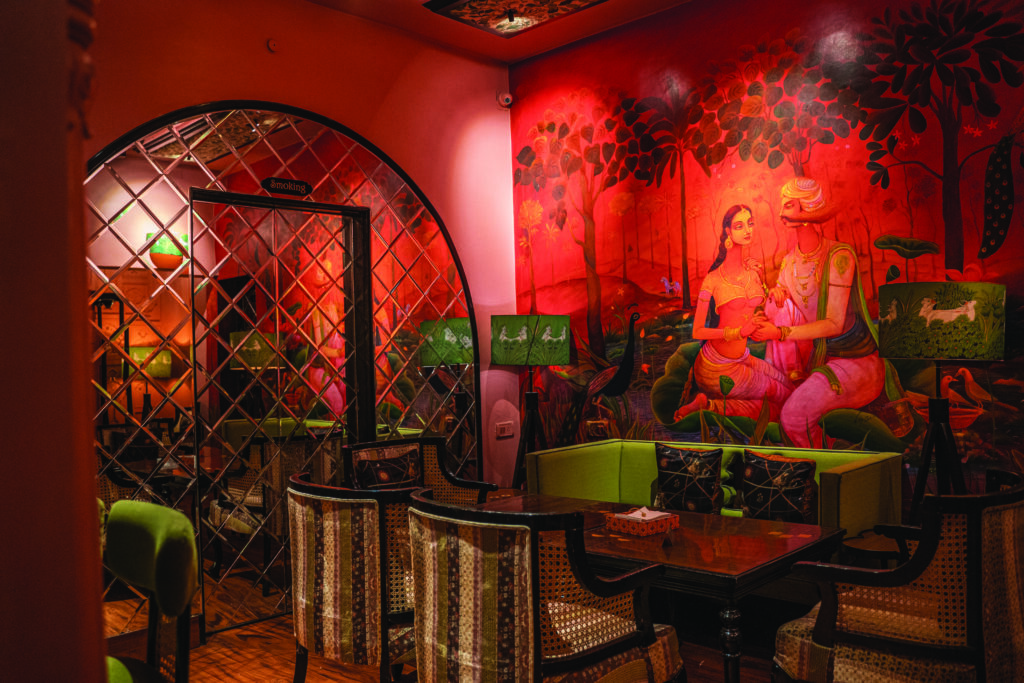
As intentional “slow drinking” becomes the gold standard, bars are evolving to showcase not only genuinely stunning spirits and wines and cognac that spell quiet luxe, but also art on their walls, omakase cocktail experiences, a sense of space, and experiences that feels curated for you — not performative
By Rakshay Dhariwal
Over the last decade, I’ve watched the Indian beverage landscape evolve from the frontlines. Between building Pass Code Hospitality, curating India Cocktail Week, and pouring our hearts into the agave expressions at Maya Pistola Agavepura, I’ve had a masterclass in how Indian tastes are changing—faster, and more meaningfully, than most people realise. And I’m very happy to say we’re now witnessing a definitive, thrilling shift: the bar industry in India has truly come of age. For years, “luxury nightlife” in India often meant velvet ropes, segregated VIP sections, expensive bottle service, and booming, conversation-killing bass. That era isn’t disappearing overnight, but it is no longer the north star for the evolved consumer. Today’s discerning audience—often older, well-travelled, and deeply quality-led—doesn’t want a nightclub disguised as a bar. They want an experience built around intimacy, craft, and hospitality. They want a room that whispers confidence. They want art on the walls, a sense of space, and the kind of service that makes you feel like the night is curated for you, not performed at you.
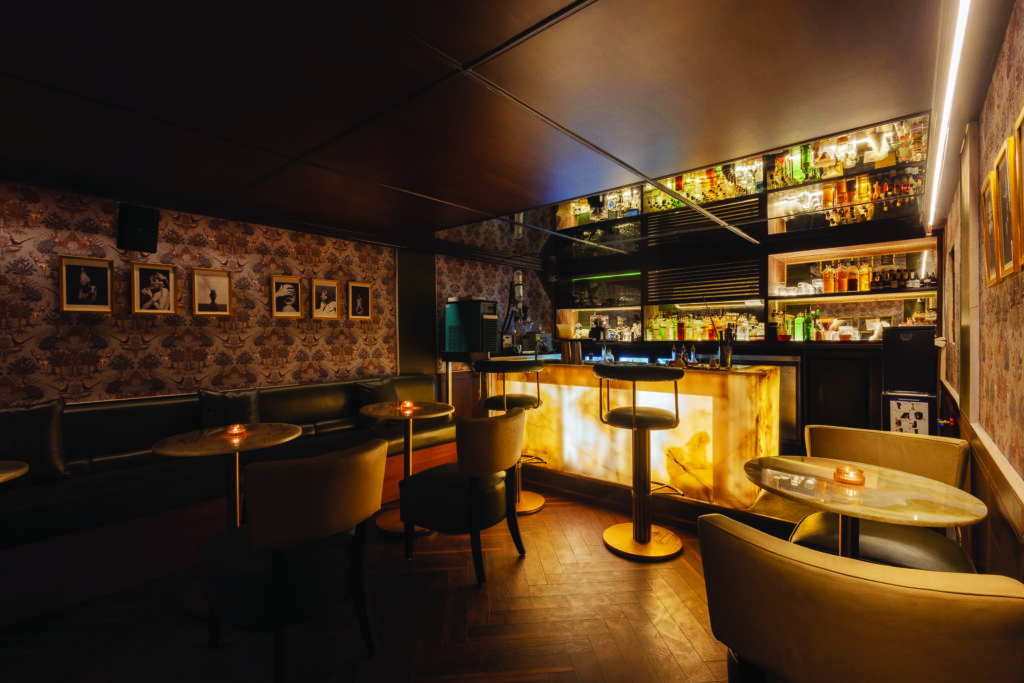
From “being seen” to “being present”
What we’re watching is a cultural redefinition of what luxury means. True luxury is not noise. It’s not excess for the sake of excess. It’s restraint, intention, and attention to detail—delivered consistently. When we conceptualised PCO in 2012, the idea was to create a sanctuary. A room you step into and instantly exhale. We wanted that sense of space: art on the walls, clandestine
charm, and an environment where the cocktail is the protagonist—not the DJ. That blueprint of intentional “slow drinking” has now become a gold standard across the country.
You see the same reverence for craft at The Piano Man in Delhi, where the focus on live jazz and acoustics naturally builds a more grown-up rhythm. It demands a different kind of attention— people show up to listen, to talk, to sip, to stay. The music isn’t there to drown you; it’s there to hold you.
Over in Pune, Cobbler & Crew champions the ethos brilliantly: innovation through craft and storytelling, proving a bar can be vibrant without depending on decibels. That’s the point—energy doesn’t need to be loud; it needs to be alive.
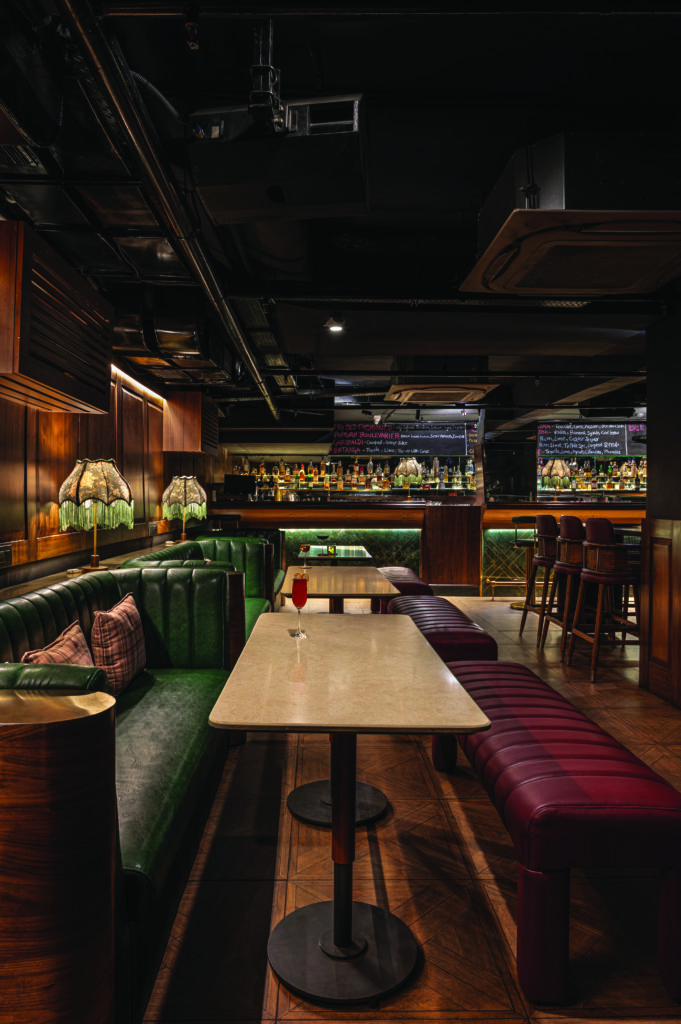
Goa’s new sanctuaries: luxury that whispers
If there’s one place that has completely transcended its old stereotype, it’s Goa. The state’s nightlife has evolved beyond beach shacks and big rooms into a haven for considered, design-led drinking. Look at Solene in Moira. A private members’ club housed in a 115-year-old Portuguese manor, it doesn’t scream luxury—it whispers it. The deep-burnished wood of Bar 507, the sunlit calm of the Orangerie, the feeling of belonging: these are the new markers of status. It’s unpretentious but deeply intentional, offering cultural connection for people who value privacy and community over sheer volume.
Then there’s Loulou in Assagao, bringing a mysterious, Parisian speakeasy chic into the tropics. Low lighting, warm design, cocktails that blend classical French techniques with local Goan ingredients—this is what modern luxury looks like: global competence with local soul. And for those who share my deep love of agave, Quinta Cantina is a revelation—a spirit- focused haven where you can genuinely explore nuance. It’s built for the person who wants to understand what they’re drinking, not just consume it.
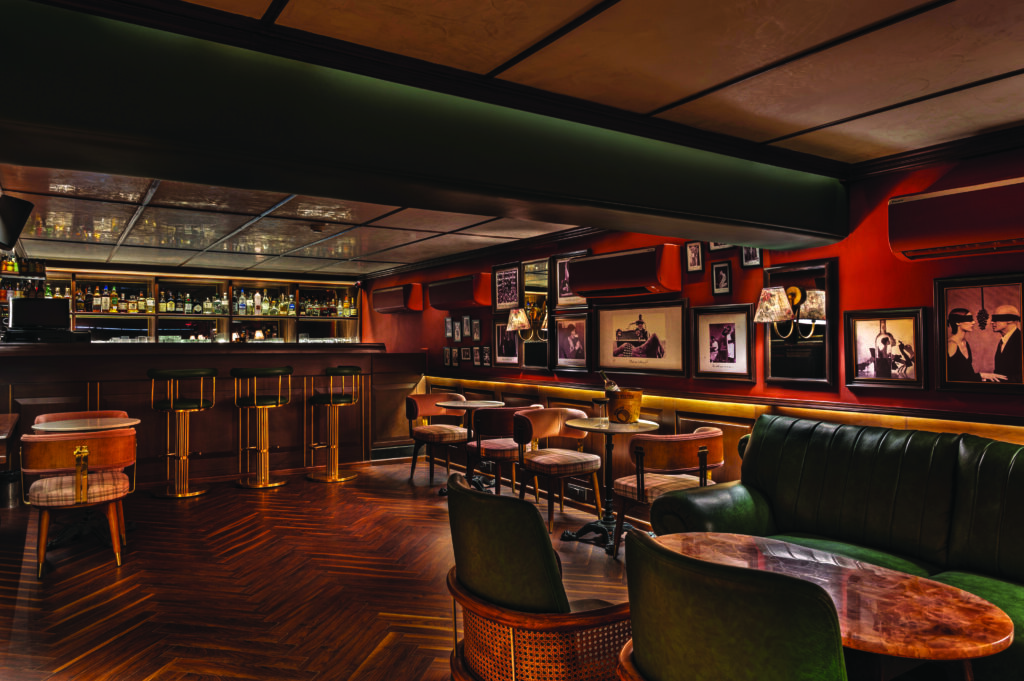
Bengaluru’s intimate omakase era
Bengaluru is mastering the art of the hidden gem. ZLB23 at The Leela Palace is a masterclass: a Kyoto-style speakeasy that feels glamorous, timeless, and entirely secretive. Places like Spirit Forward and Naked & Famous push the boundaries of what a craft cocktail bar can be, focusing on the narrative architecture of the drink.
But the true vanguard of this intimate movement is The Bunker Room at Una Hacienda—an eight-seater, omakase-style speakeasy hidden behind the main bar. Here, the bartender becomes the main character. You’re not ordering a drink; you’re entering a two-hour sensorial immersion—umami martinis, palo-santo infusions, a live dialogue between guest and creator. This is the ultimate luxury: undivided attention, bespoke creation, and deep, uninterrupted conversation.
Heritage cities are catching up, fast
What’s exciting is that this movement isn’t restricted to the obvious metros. Jaipur, for example, is taking its inherent relationship with heritage and giving it a modern edge. Native Cocktail Room has set a benchmark as the city’s first dedicated cocktail space, executing complex ideas with grace.
Meanwhile, The Johri elevates quiet elegance to another level entirely—history, restoration, and a sense of calm that makes you slow down without even trying.
And across the country, the demand for thoughtful spaces is spreading. There’s a wave of rooms I haven’t visited yet, but I’m tracking closely:
Chennai: The Cheroot Malt Bar at ITC Grand Chola is built for serious spirits—cigar-and-malt lounge energy, the kind of place where you can justify opening something special.
Shillong: Shad Skye appears to be weaving Northeast identity into a design-led, conversation-first space.
Amritsar: The Bagh Gourmet Garden & Bar shows Tier-2 cities increasingly crave highly atmospheric environments.
Guwahati: Terra Maaya uses space and mood to elevate a curated cocktail program.
Indore: Spaces like Atelier V and Masala Code signal something important—classic technique, authenticity, and a growing seriousness about cocktail culture.
This is what “coming of age” looks like: not just more bars, but better bars. Bars that understand pace, hospitality, and the difference between “premium” and “meaningful.”
The Liquid Gold: Building a bottle programme for the evolved palate
A stunning room is only as good as what’s in the glass. And for an audience that has aged out of shots and basic mixers, the bottle list must carry as much narrative weight as the venue itself. If not at your favourite bar, then at your own convenience, at your own home.
Agave, elevated (and India’s own place in the conversation)
Naturally, I’m going to recommend a neat pour of Maya Pistola Agavepura—because the point of “evolved drinking” is authenticity, provenance, and craftsmanship. Pistola’s Reposado being recognised as ‘Spirit of the
Year – India’ at USA Spirits Ratings 2025 validated what we’ve always believed: Indian-crafted agave can sit at the pinnacle of modern luxury. For broader agave exploration, India’s luxury drinker increasingly understands that premium is not just price—it’s process, heritage, and intent. That’s where iconic bottles (and true artisan mezcal expressions) become part of a slow-sip ritual rather than a flex.
Whiskies that signal taste, not trends
The evolved whisky drinker in India is moving away from “the usual suspects” into bottles that have a story: age statements that matter, cask philosophies, limited releases, and an appreciation for balance over blunt power. For example, bottles like The Yamazaki are widely sought in India—often spotted via premium retailers in Haryana, and other specialist retailers. And if you want a modern cult-luxury Scotch that rewards patience and attention, Bruichladdich Black Art sits in that rare space where mystique and complexity meet. (The distillery itself frames it as an undisclosed “recipe” and a deliberate creative experiment—perfect for storytelling tableside.)
Cognac as ceremony: when luxury becomes a ritual
If there is one category that embodies “quiet luxury” in service ritual, it’s Cognac. LOUIS XIII is the kind of bottle that turns a pour into theatre—without needing volume. And importantly, it is available through Indian duty- free and Indian retail pricing references, which makes it a realistic (if rare) part of an India-based ultra-luxury programme. This is not a “drink.” It’s a moment: the glassware, the pacing, the silence you earn from the table when you present it well.
The rare, the strange, the legendary: liqueurs for connoisseurs
For a truly evolved audience, liqueurs aren’t add-ons;
they’re conversation. This is where you build a list that feels like a library: amaros, vintage herbal liqueurs, small-batch oddities, things that make a guest pause and ask, “What is that?” A perfect example is vintage Chartreuse culture globally—because it tastes like history. The point isn’t just the label; it’s the way it anchors a post-dinner ritual, or becomes the secret weapon in a minimalist, spirit-forward cocktail. Unfortunately it would be impossible to find a bottle of the Yellow or Green here in India. But definitely look out for it across Europe when on your travels.
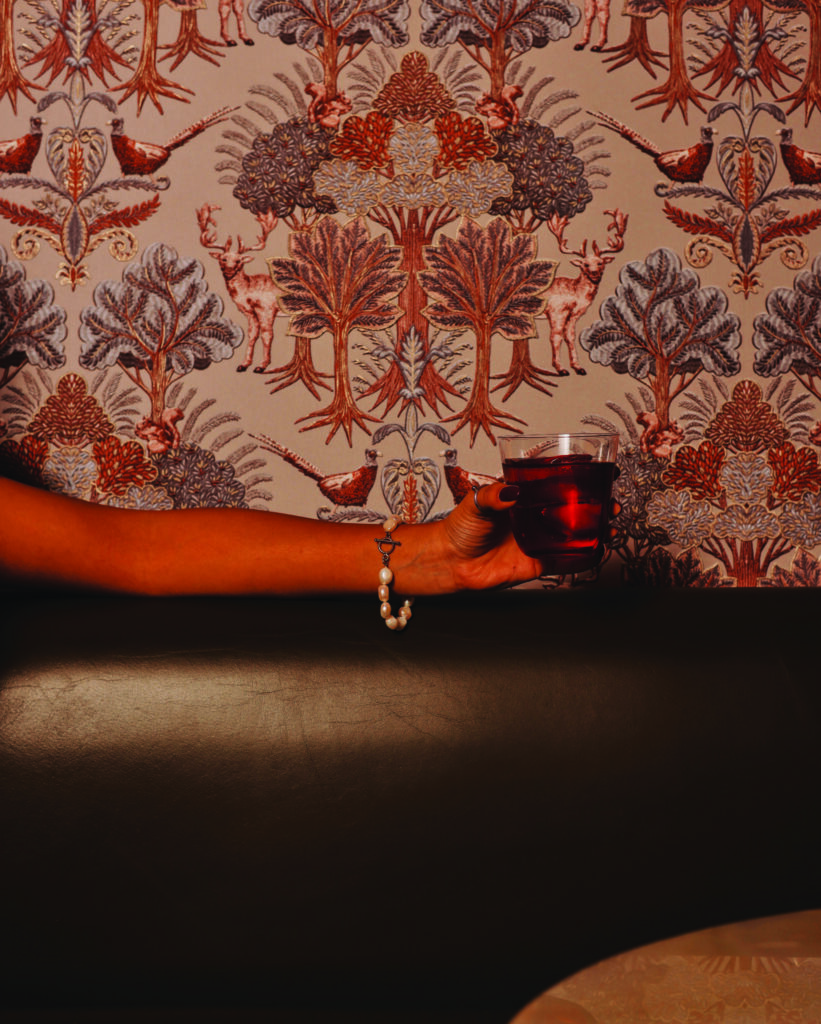
Wines for slow evenings: Champagne, icons, and prestige reds
If your room is built for quiet, wine becomes incredibly powerful—because wine demands pace. On the Champagne side, India has access to serious bottles through duty-free and premium retailers: Dom Pérignon and Krug Grande Cuvée, for instance, appear in duty-free listings. Premium retail selections in India also show the market depth—everything from prestige labels to celebratory statement bottles. For reds, the evolved Indian drinker is increasingly comfortable with structured, age-worthy styles— wines that behave beautifully with food and time. A bottle like Château Margaux is a great example of an icon that connoisseurs recognise, and is visible through several channels in India.
Where’s this heading?
The future of Indian drinking is intimate, considered, and beautifully crafted. It is no longer about being seen; it is about being present. The most exciting part? This isn’t a trend powered by marketing. It’s powered by palate. By travel. By maturity. By guests who now understand that the highest form of luxury is not noise—it’s care.