Past, Present and Palatial in Patiala

Ran Baas is India’s most stunning, sumptuous all-suites hotel that is a showcase for how a public private partnership can work and bring together conservation with modern luxury hospitality
By Anoothi Vishal
It’s an early spring morning under a majestic 200-year-old moulsari tree at Ran Baas The Palace, Punjab’s first luxury hotel, and the most stunningly beautiful hotel to have opened in India in the last few years — despite our recent boom in uber-luxury stays.
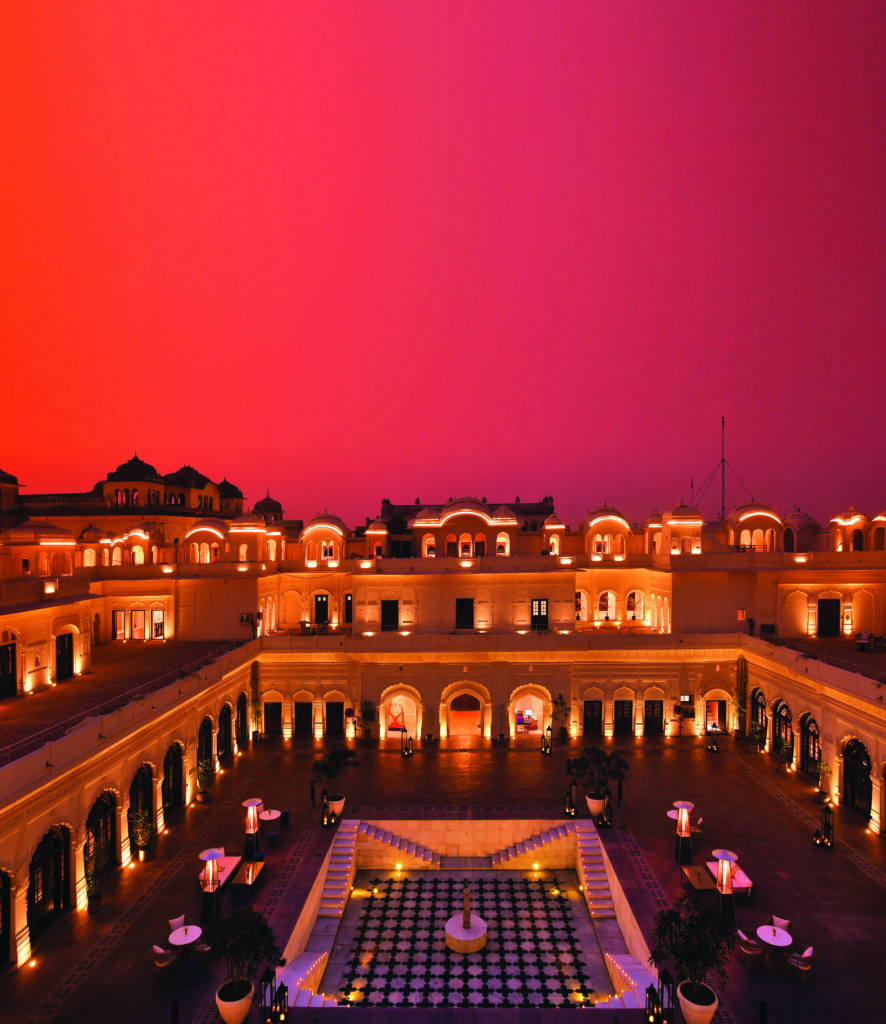
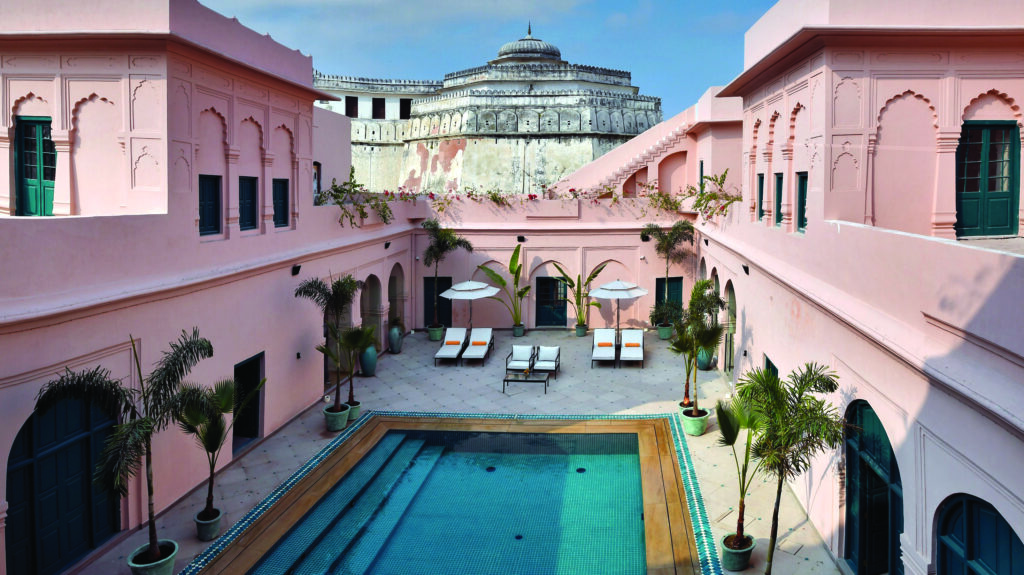
The star-shaped fragrant flowers that are characteristic of the tree will possibly flower only later in spring. But the parakeets are at full play today. There’s a cool morning breeze, and birdsong. Patiala’s special chole with smaller chickpeas than you find in Delhi and beyond, and sharper anardana spicing, with fluffy bhatura that tastes like what you may get at a stall next to the city’s iconic art-deco Moti cinema hall, are at the table. There’s saffron-spiked lassi too, as we brunch under the tree, breathing in a clear morning and its quiet. As Yeats’ may have said: “Peace comes dripping slow” here. Time slows, conversations ebb and flow. The courtyard with the garden has been designed like a lush Persian walled garden – supposed to replicate “Jannat” or paradise on earth conceptually. The Mughals had brought the central Asian idea to India 500 plus years ago, and India’s own walled gardens were to be found attached to its beautiful architecture everywhere from Kashmir to Dilli to Agra, till the Victorians trimmed them to fit their moral and mores. But now here, in Patiala, in the inner courtyard of a former residence of 18th century Punjabi queens, surrounded with plushness and Patiala architecture which takes from the Mughal and Rajasthani to the Colonial and makes it its own, the garden is a contemplative zone: more private, more exclusive and more sumptuous that any you may have come across before.
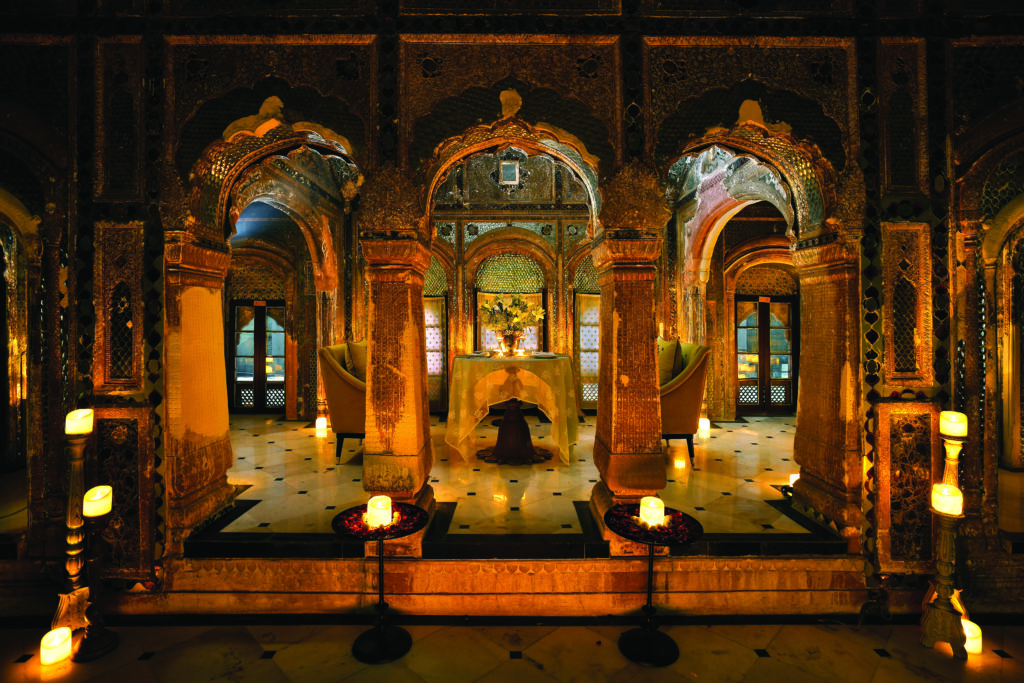
Ran Baas The Palace is special because it invites you to live, truly, like royalty of 200 years ago. It’s not one of those nouveau palace-hotels lately sprung and run like facsimile copies of 20th century. Here, there is a sense of immersion in the old spirit of the place. It’s there as you eat, sleep and pause, and take in the stunning grandeur, carefully restored and highlighted, but recognisably the milieu of a royalty known for its sense of style and opulence: Which self-styled aesthete doesn’t know of the story of Maharaja Bhupinder Singh’s stunning cartier necklace, for instance? It’s part of India’s maximalist visual imagery. Or, the “Patiala peg”, a measure of generous hospitality, part of our urban vocab.
It is this sense of authenticity of lived history that becomes palpable in Patiala at Ran Baas. In the two days I spend wandering around its corridors and courtyards, walking under dazzling chandeliers (there are 610 in property, a reference to the maharaja Narinder Singh’s collection that still hangs at the Durbar Hall opposite Ran Baas), including a bespoke Klove Studio creation shaped like a giant dangling lotan, or earrings women wear in this part of the world, lying down in my gorgeously white “moti” suite, flying kites on terraces, seeing the lights come up and turn the evening magical, listening to music by local artistes (the Patiala gharana of Hindustani Classical music is known for revered geniuses like Bade Ghulam Ali Khan), and enjoying therapeutic spa treatments in the erstwhile lassikhana, I do come to feel like a legit old-school princess.
Under the Cloche: Past meets present
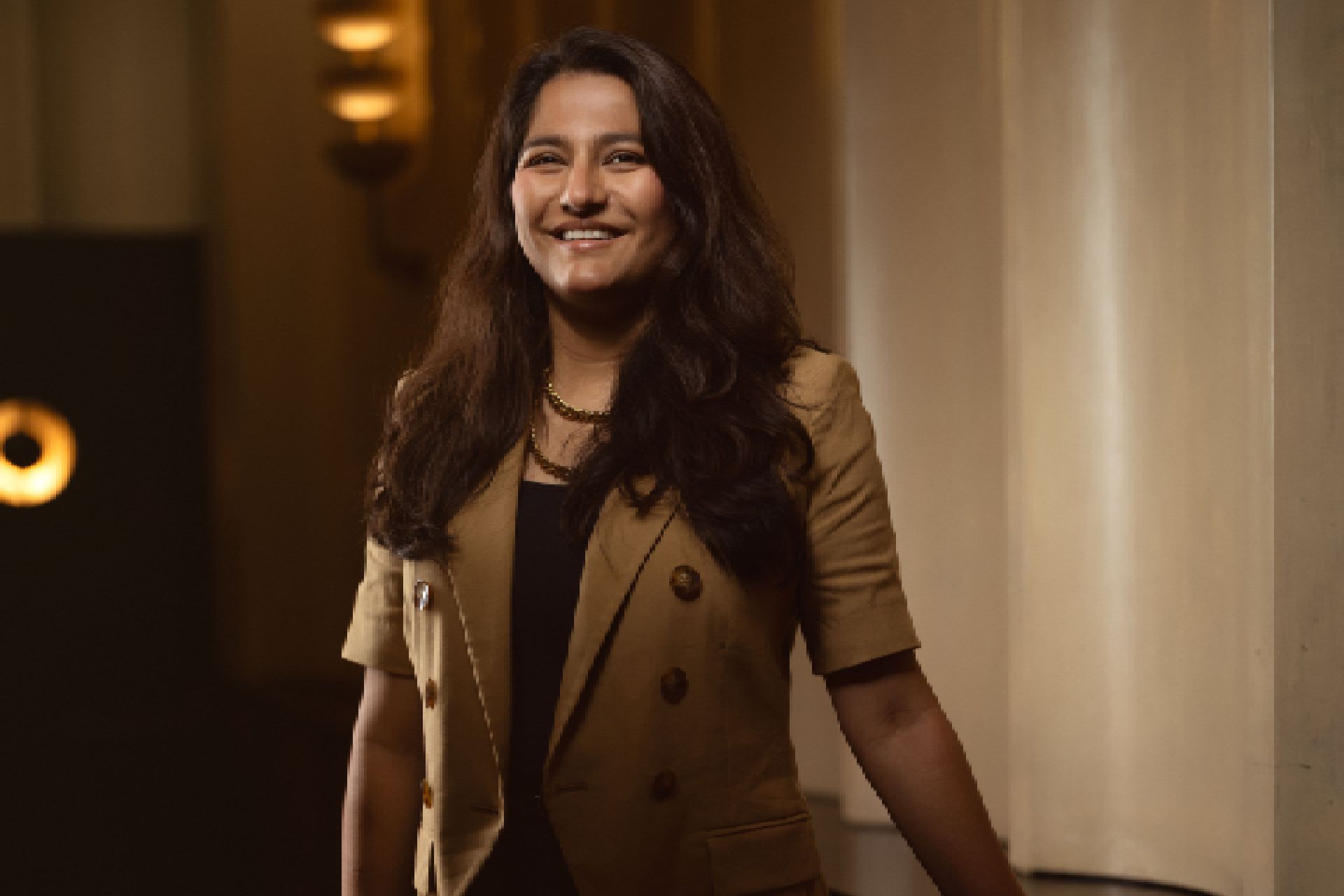
Ran Baas is part of Patiala’s historic and sprawling Qila Mubarak Complex. It used to be a former guest house and a palace for the queens, and has been turned into a 35 all-suites hotel that opened last year after an arduous process of restoration. The way it has been breathed to life with careful and lavish design and art incorporated in every nook and corner and room and bath bears the quiet imprint of Priya Paul, chairperson, Apeejay Surrendra Park Hotels (ASPHL), a hotelier with the keenest eye for design and art in the constellation of Indian creatives.
What Paul has achieved at Ran Baas is nothing short of spectacular: Resurrecting to glory the palace of erstwhile royalty whose opulence is urban legend can be no mean task. To do so with this much nuance and authenticity is a case study for integrating conservation with luxury hospitality, not just in India but globally. If the Aman, the globally reputed luxury resorts major, first came up as an idea that challenged cookie-cutter hotels and brought in instead boutique-y stays “with a sense of place” inspiring cult following, ASPHL in India today seems to be on a similar, albeit more maximalist, journey as it builds a heritage offshoot to its hospitality business.
In Delhi, The Park has long been associated with conservation work with its neighbouring Jantar Mantar. But with the transformation of the colonial The Denmark Tavern on the Hooghly and the turning of what was once a Chettinad mansion into The Lotus Palace, Paul and her company are spotlighting India’s stunning built heritage as uber luxury. These are hotels that are unique, spaces where today’s traveller can in fact time travel — to take in nuances of an older way of life, while still enjoying all modern conveniences and lifestyle choices. At Ran Baas The Palace in Patiala, the latest of ASPHL’s “adaptive reuse” projects, the interiors are in fact even more sumptuous-but-discreet than the restored façade, ceilings, outer walls, sheeshmahal (palace of mirrors), rangmahal and so on.
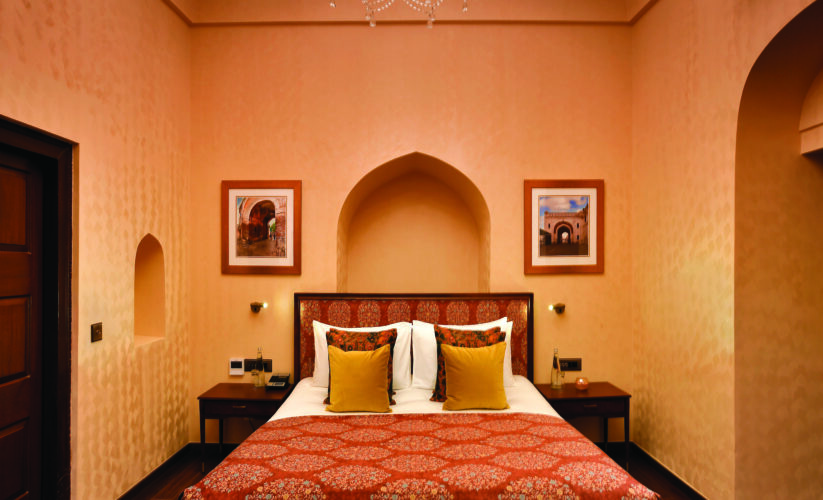
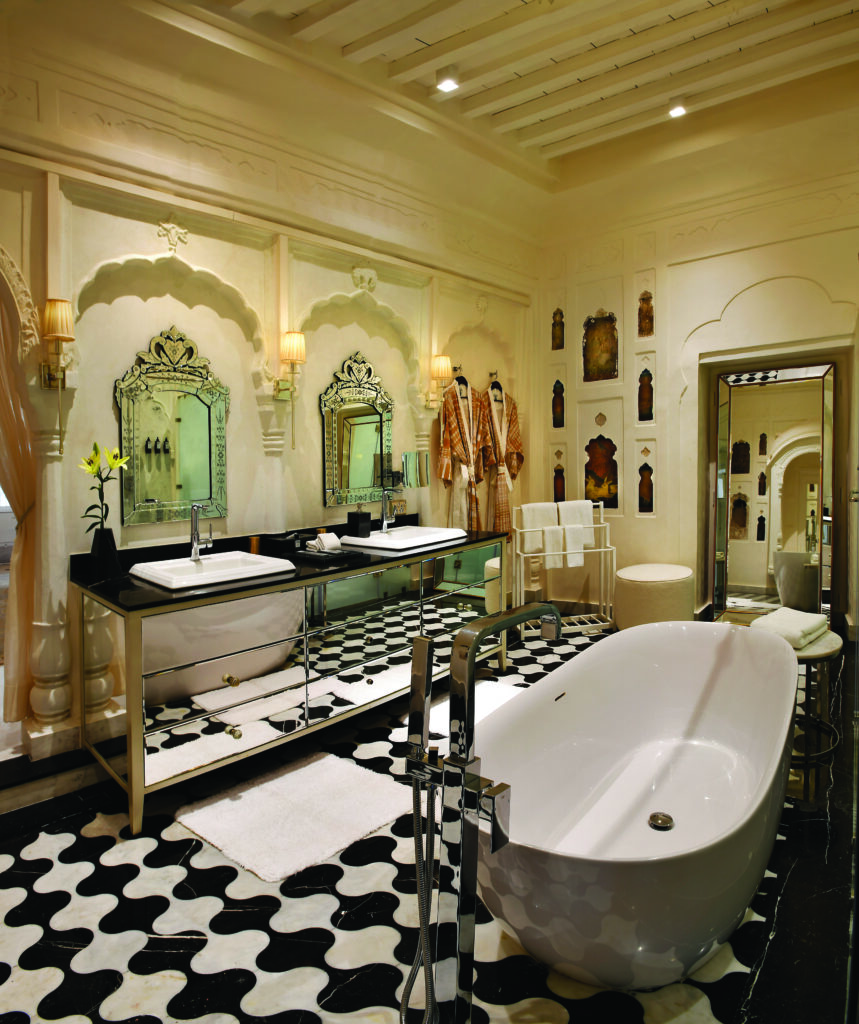
In the dreamy all-white “pearl” inspired suite I stay in with its high ceiling and chandeliers, embellished textiles with butties (motifs) from palace walls and gold and silver embroidery, modern marble furniture with mirrors inspired by the Aleppo glass of the sheeshmahal and black and white images that document the soul of Patiala, it is equally the customised Kama Ayurveda range and the flax seed and black sesame mithai as in-room amenities that give a sense of a thoughtfully-run palace. Sometimes, grand hotels are run as machines without care, but here luxury is personal including in the competent and quiet butler service.
Each suite has a colour — to go with the gems and jewellery theme of Patiala royalty. You may find yourself checking into topaz or sapphire, but even within the shades, there is nuance. The Mughalesque “pearl” is in fact seven shades of white – jasmine, milk, marble, moonlight, mother of pearl inlay, alum, and poetically, the froth of a gushing waterfall, all redefines with contemporary flourish. What is remarkable about Ran Baas is point does the food feel heavy. Heavy Punjabi food could be a myth here.
A global case study: luxe hotels as conservation
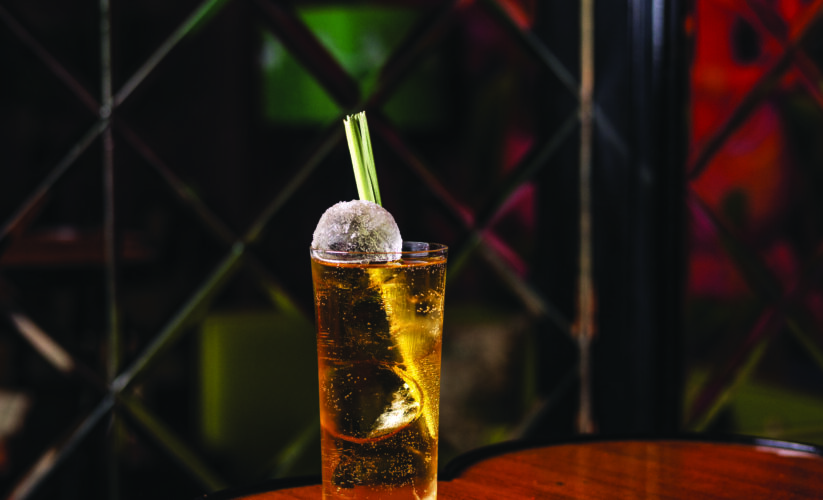
Built in the 18th century by Patiala’s founder Ala Singh and added to by the subsequent rulers, Quila Mubarak, the fort from which Patiala sprung, has palaces, a gurudwara with an akhand flame that has burned continuously for 200 years, and many attendant structures in fascinating styles of architecture that melded the Mughal, how seamlessly it melds the past and the present. At The Patiala, the bar, but naturally, this is the thought that comes to mind once again, as we sink back into our rich cushions and drink on light, clarified modern cocktails that still manage to reference a number of things, including French luxury that the Patiala (and other) royals patronised. A rose drink references Ispahan, the Pierre Hermes macaron; the tandoori chicken, tandoored to perfection comes with the aplomb of a Sunday roast revealed once the server removes the cloche with the flourish of a maitre d. But among the most sensible reworking of the old into the modern are the portions and the cooking itself. At no
Rajput and Colonial. But this priceless heritage fell into disrepair with peeling plasters, damaged walls and fraying fabric till in 2013, Punjab received a financial grant from the Union Government of India through the 13th Finance Commission, and conservation architect Abha Narain Lambah was appointed as consultant for the resurrection of the Qila Mubarak. At the time, a meticulous process of conserving Ran Baas, which is housed in one part of the fort, was undertaken. The project team worked on re-introducing traditional building practices and employing local materials and artisans, stabilizing the ruined walls, resetting wooden rafters, reconstructing brick jack arches and vaults, training
local craftsmen in old construction techniques and making it all structurally tenable. It took three years to stabilize the dilapidated fort, but the project eventually died out.
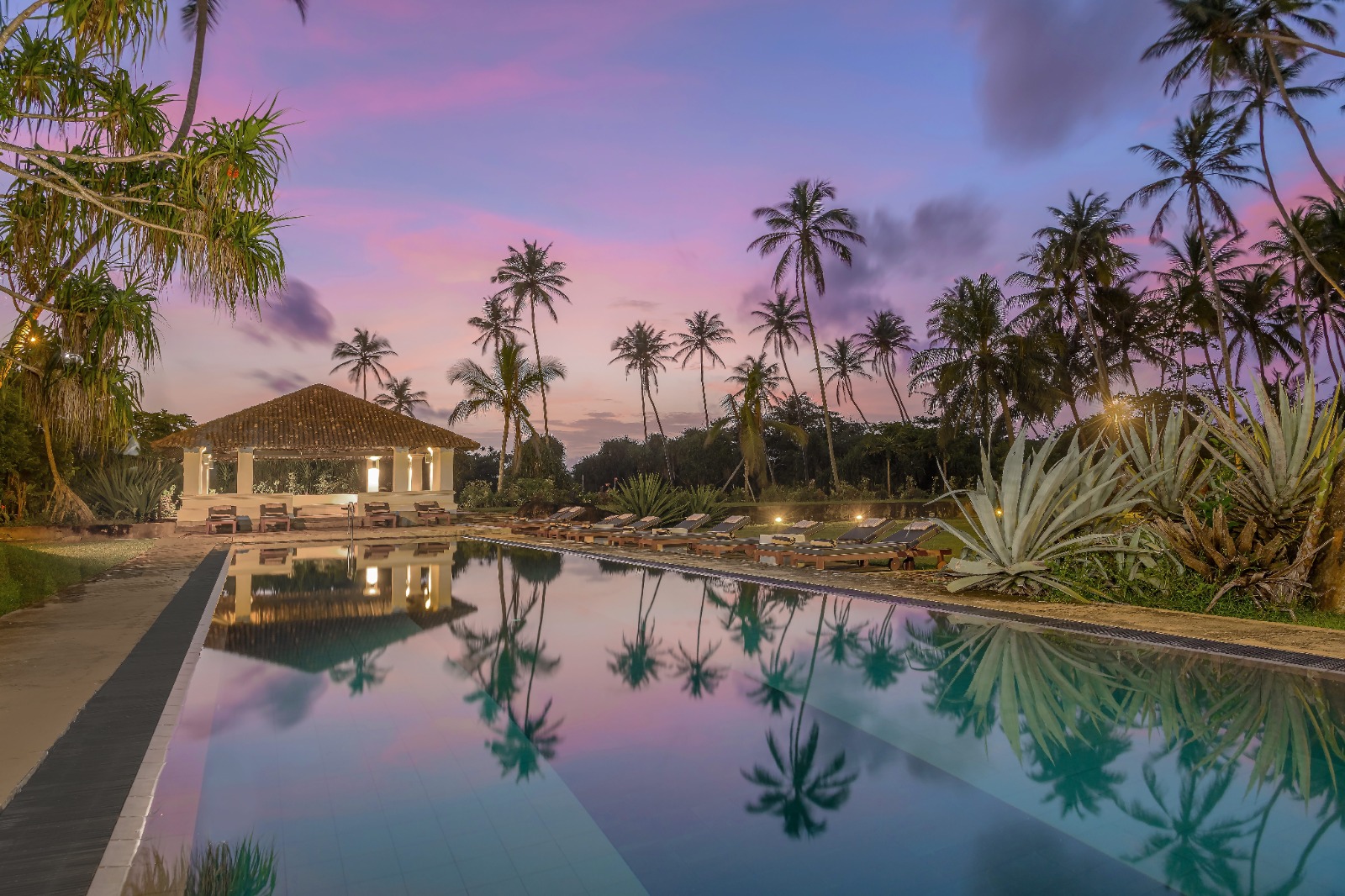
In 2021, ASPHL won the adaptive reuse project bid from the PIDB (Punjab Infrastructure Development Board) and began a transformative resurrection of the building and its surrounding structures, making this a unique hospitality project where modern luxury and design was deployed in aid of the past. Painstaking restoration, responsive interior design, and landscaping resulted in what we now see at Ran Baas. From the lassikhana (the erstwhile kitchen that once apparently cooked for 35,000 people) which now houses the gorgeous spa and pool, to the chinikhanas (niches to display porcelain), wooden balconies, frescos, chhatris, jharokhas, specially commissioned art and design works, carpets, chandeliers, wallpapers all highlight and take off from the visual splendours of the past. But this palatial-ness that is a seamless old-with-new is equally present in the food, high teas on the terrace, musical soirees and events Ran Baas has been hosting and in the service that is the backbone of any good hotel, not just a palace. Even the sufi music the DJ plays at the bar is well conceived and unlike what you regularly hear these days. For Paul and her family with roots in Punjab, it’s homecoming of sorts but also a returning back of the old cosmopolitanism that was inherent in the most urbane of our cultures before the crushing metros took over.