Lessons from Noma

Prize the craft, not the celebrity.
By Anoothi Vishal
In an age that calls for many corrections to power, foodies have been following “Nomagate” with horror. Rene Redzepi, once one of the world’s most influential chefs, is disgraced after allegations of abusing former staff members at Noma, including stabbing some with a fork (under the counter so that diners won’t see)! He has exited Noma with a half-baked non-apology, but the restaurant, once the Scandinavian poster child for “too-fine” dining that styled itself as an evangelist for sustainability and made foraged and fermented foods cultish, continues to wields considerable influence across diners who consider themselves avant garde.
There are lessons to be learnt from Nomagate that go beyond the obvious, especially for the foodies in India. Better and more equal workplaces, and dismantling the stereotype of the creative, mad, abusive genius fostered by lifestyle industries are only two of the changes that should come about immediately. But more importantly, what must change is the tendency to celebrate the chef rather than the craft on your plate.
FOMO plays a big role in the marketing of all that is fashionable, including in the world of luxury food (as also fashion, and other allied lifestyle businesses increasingly using food events to speak to the same aspirational consumer). But any true connoisseur of luxury must recognise that the dexterity in the craft and deep cultural memory inherent in it trumps marketing or branding spiel of which the cult of celebrity is a product. Next time, dinner arrives at your table, don’t fall for the theatre or the celebrity signing off on the menu. Instead, taste. If it doesn’t surpass a credible home meal cooked by any regional “maa or baap ke haath” (mom’s or pop’s cooking), it is likely a dud.
The avant garde is not about borrowed techniques to dazzle or awe or change form and shape just because. Too fine-dining in the West in the 21st century has made technique aspirational: Rich diners are essentially paying for how their food is cooked in restaurants not how it tastes, and the chefs whose tables they can boast about often are good with these learned “modernist” techniques but miss out on the cultural nuances, depth and flavours of dishes they claim inspiration from. The reliance of technique to plate up luxury is a change from 18th-20th century forms of luxury dining defined by Colonial enterprises that prized provenance. Claret from Bordeaux, truffle from Piedmont, Jamaican run, Irish eggs, Indian ginger, Sri Lankan cinnamon and so on. Now, it is deconstruction, foam, siphon, tweezed out somethings, sashimi cuts, and fermentation weaponised to connote status and access.
Is this Indian food?
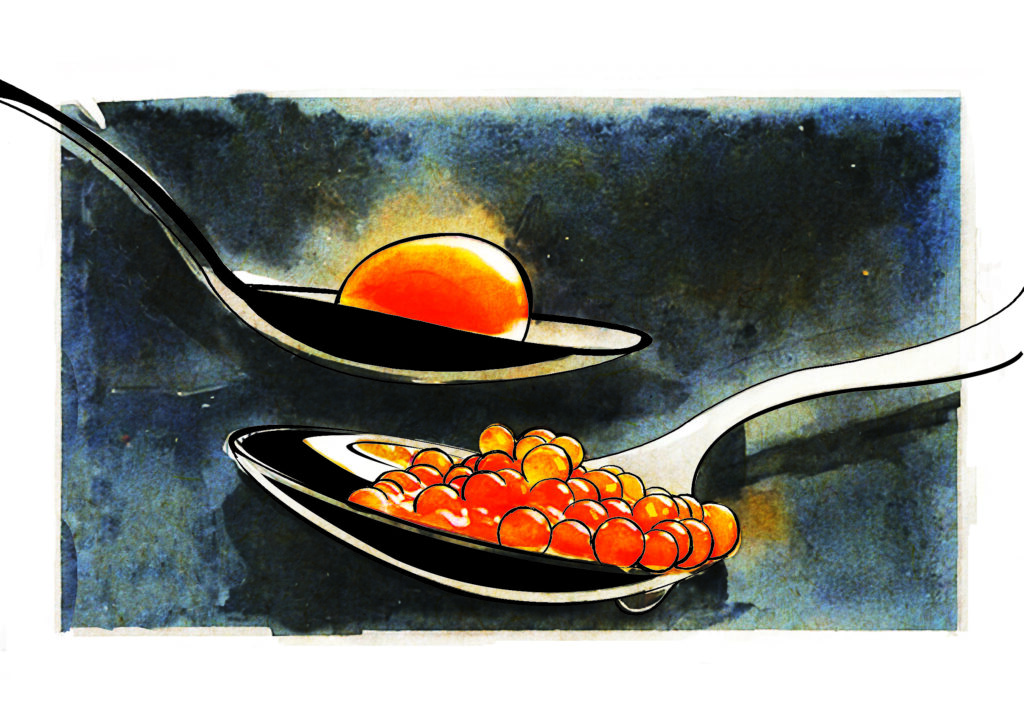
I am really tired of coming across endless courses with four-day aged pork, cultured butter and aerated apples, dehydrated bhindi, deconstructed biryani, sashimi folded into triangular “paan” (why isn’t paan sashimi then?), dots, squiggles, micro and mashed “chola-bhatura” (but with local heirloom toor), seven day fermented achar (never mind the granny who sunned it for longer!), rasam chawanmushi, moilee foam and miniature mouth feels that taste of nothing. Is this Indian food?
Reeling influencers are known to call it “art”. But art always has a point to it and importantly is a response to a context. The deconstruction of the Adria brothers stems from Spanish Surrealists. In the early 2000s, the Spanish restaurant El Bulli labelled as “the most imaginative haute-cuisine generator” brought in the idea of “molecular” gastronomy that changes textures of food. This was a continuation of Surrealism in the art of Salvador Dali in the early 20th century, who was responding to centuries of realism, baroque and religious art — in the wake of the demolished certainties between the World Wars in Europe. The rigid certainties of social and moral order collapsed, a more fluid world emerged, as also seen in fashion and women’s clothing, and how you looked at the real changed. Surrealism extended to the language of architecture, and design in Europe, eventually working its way into food. But in India, when chefs wow us with it (do they?), it is pastiche—a disingenuous repetition of a borrowed trope without meaning. Why is my sambaar now a sphere? Please ask the chef, the next time.
A decade ago, a host of eager and enterprising Indian chefs and chefs-in-the-making started to stage at Noma. This happened after its rising fame, aided by a simultaneous growth in social media and influencer cultures. The MAD symposium was started by Redzepi in 2011 to spread his ideas on sustainability in the global food community. It started gaining a cult following—and considerable public funding from the Danish government (apart from a knighthood for Redzepi). Redzepi was recognised as a cultural influencer with its attendant financial benefits and social prestige perks, and chefs everywhere learnt from this—not just how to produce garum in labs.
Authentic is not a recipe
There’s nothing wrong with being influenced. The samosa came to India as an influence, so did many other foods. Many top Indian chefs have argued with me that there is nothing authentic in Indian food. What they mean is that unlike the French, recipes are not codified and everyone cooks different versions of the same dish. Authenticity is however not recipes.
It is deeper— it is showing to the world who you truly are, owning yourself and it necessarily means you are able to think for yourself. Deep cultural roots respond to change but that change and innovation can be authentic if it comes from within the community as an evolution of thought and response to changing social, cultural, political conditions. Making a Himalayan trek to champion the local in Mumbai because you learnt it on Instagram is not authentic, on the other hand.
And extracting cultural references from a community without fully understanding their dishes or cooking is not authentic either. In a country like India, where maximalism plays out like nowhere else in the world in food and life, Redzepi’s philosophy born out of Scandic sparseness—hence the accent on fermentation, foraging and the hyperlocal
instead of the imported —is not necessarily authentic. It is second-hand. And many a times, chefs in India are now performing sustainability on our plates. In fact, even Noma’s USD 1500 per head ticketed pop up, backed by heavyweight sponsors, built on the assumption of very rich diners flying in (as the world faces an energy crisis) across states, countries and continents to feed their FOMO is not about sustainability – it is the opposite of authenticity too. And we are not talking about modernist techniques.
It is time Indian diners start separating fact from fiction. If you enjoy a meal, great, please spend your disposable incomes in these restaurants. If you remember what you ate, the meal was truly “good”, and do go back. But if you are going to a restaurant because it has marketed itself as a cultural or environmental saviour and you want some of that feel-goodness, please spare us the din. It’s just a pricey questionable meal.
The fallout of celebrity chefdom
Celebrity chefdom in Indian kitchens and the propensity of Indian diners to gravitate to it has a more serious consequence. It is obliterating cultural dishes in a country where, perhaps more than anywhere else in the world, food is identity. True innovation and evolution in food that feels authentic happens via chefs who belong to their milieus and are responding to their social-political-cultural worlds. In Japan, the revered precision in cooking, its minimalism and clean flavours, is directly connected with the Buddhist philosophic underpinnings of Zen and Shunyta.
In India, the maximalism of out complex regional spicings, “andaaz” or constant improvisations as a response to seasons, ingredients, the mood of the cook, the health of the diner, rigorous bhun-na, dexterous mithai-making aka folding a malai paan that no chef I know has got right but the Lucknow halwais continue to make it in bulk, even the right caramelisation to the khoya or flour, perfecting the rice in a biryani, the aromats in different gravies (not curry) is
part of a 5000 year old cultural continuum. It deserves respect and serious immersive study from chefs who aspire to stage at the world’s top restaurants but think that a three-day eating trip in the bazaars and dhabas is adequate to understand a regional cuisine.
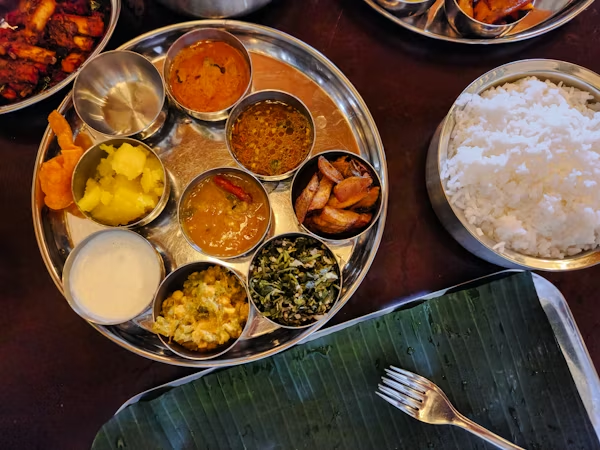
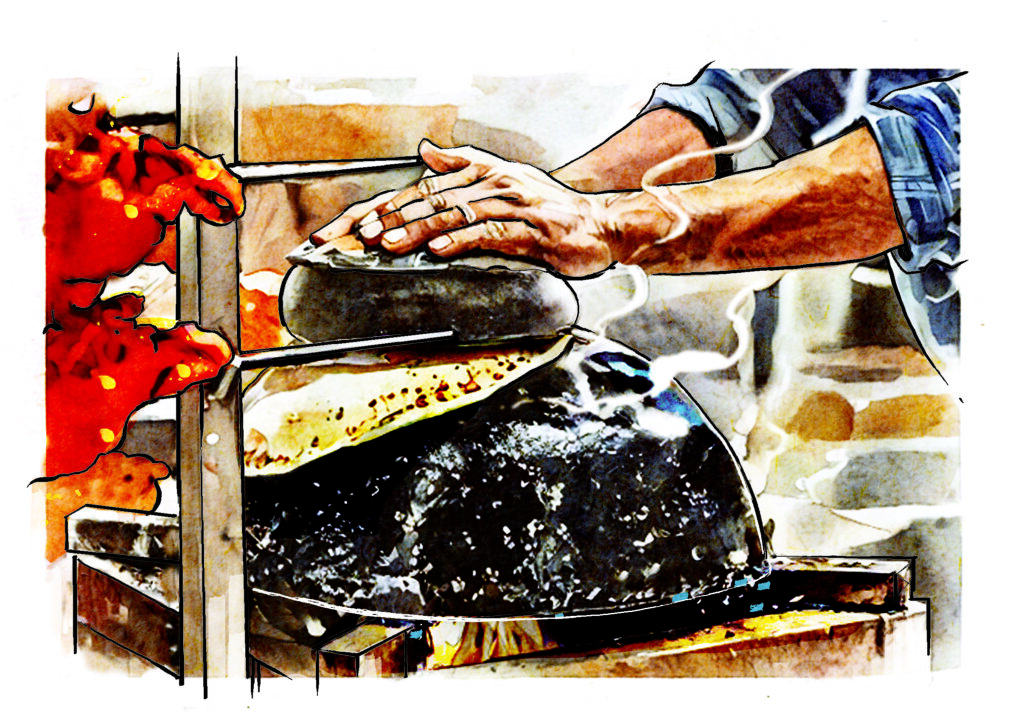
The keepers of this memory are the uneducated karigars, maharajs, halwais and unglorified women in home kitchens who all deserve our attention too. Their craft is based often on intuitive cooking and long years of undocumented practice which cannot be replicated after surface-level extractions of culture from any region. To understand India’s regional and hyper local cuisines, chefs must first spending serious time studying and learning from these practitioners—with respect. If a Japanese master can spend years learning how to perfect sushi, and the folds of a dim sum is a similar exercise is slow mastery, so is the craft of the halwai or the tandooriya or the maharaj. But talent in these crafts is disappearing, the younger generations reluctant to spend the time and effort required for mastery— how often have you come across even a perfect tandoor-ed bite in Delhi, forget Mumbai or Bangalore? Or Sindhi food outside homes? Or waza-level cooking done by young Indian professional chefs? Or a great Yarkandi pulao? A Kanpur moti choor laddoo? Or, even the perfection of the vada-sambaar and onion uthappam of Murugan Idli in a restaurant dish that plays around with these elements to turn the familiar into the exotic?
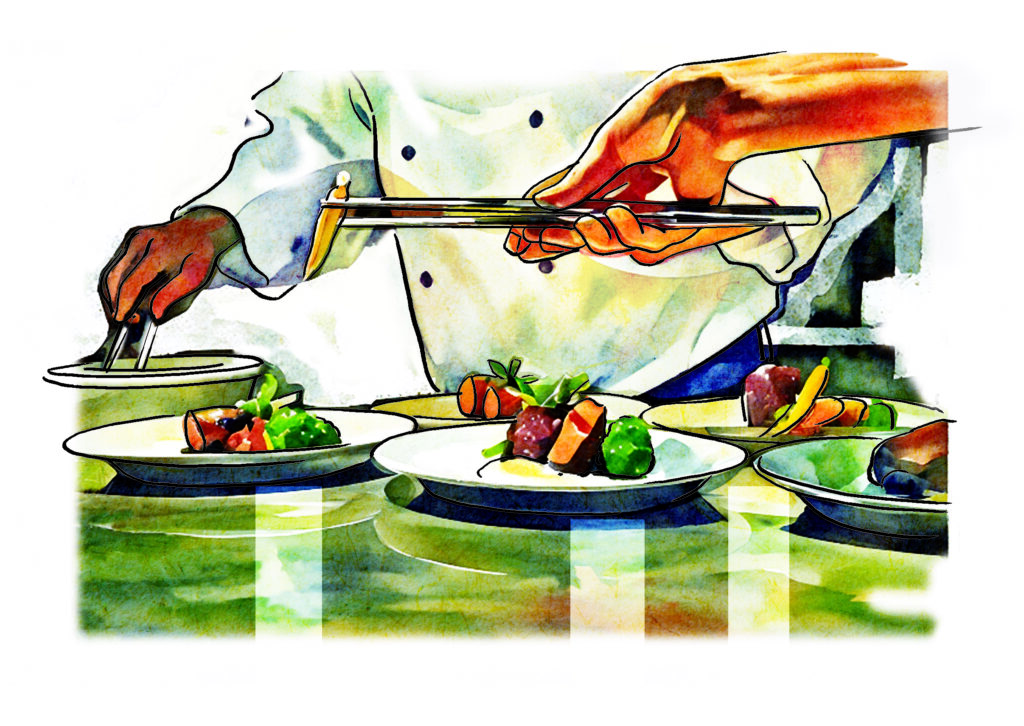
Nuance and depth in dishes are getting obliterated as second hand techniques are deployed to dazzle us with only a faint referencing of very broad stereoptypes. So all chaat is now just sweet-sour dahi-saunth laced, the nuance of spicing, the depth that a dash of roasted zeera can bring, forgotten. Spherefication suffices. Biryani gets deconstructed before mastery has been achieved in its construction. Innovation feels forced to feed the narcissistic cult of celebrity, not evolutionary, as it must be.
Even in restaurant kitchens that are getting the nuances of regional dishes right, it is no secret that the sambaars, aloo rasas, daal, makhan malai et al are in fact cooked and flavoured by the humble karigars — the maharajas and halwais before these are siphoned, foamed, lightened and plated up. A hierarchy exists basis “modern” global techniques marketed and idealised by younger Indian chefs educated abroad and influenced by Nomaesque celebrated restaurants and the older craftsmen with deeper cultural know how who are often uneducated and thus do not get adequate respect, recognition or compensation. It’s high time, we, the diners, recognise the difference between craft and marketing stories of “art”, “cutting-edge” and celebrity. Wholesome will do.