Madhya Pradesh’s Hidden Jungle Jewel

By Nanditta Chibber Chauhan
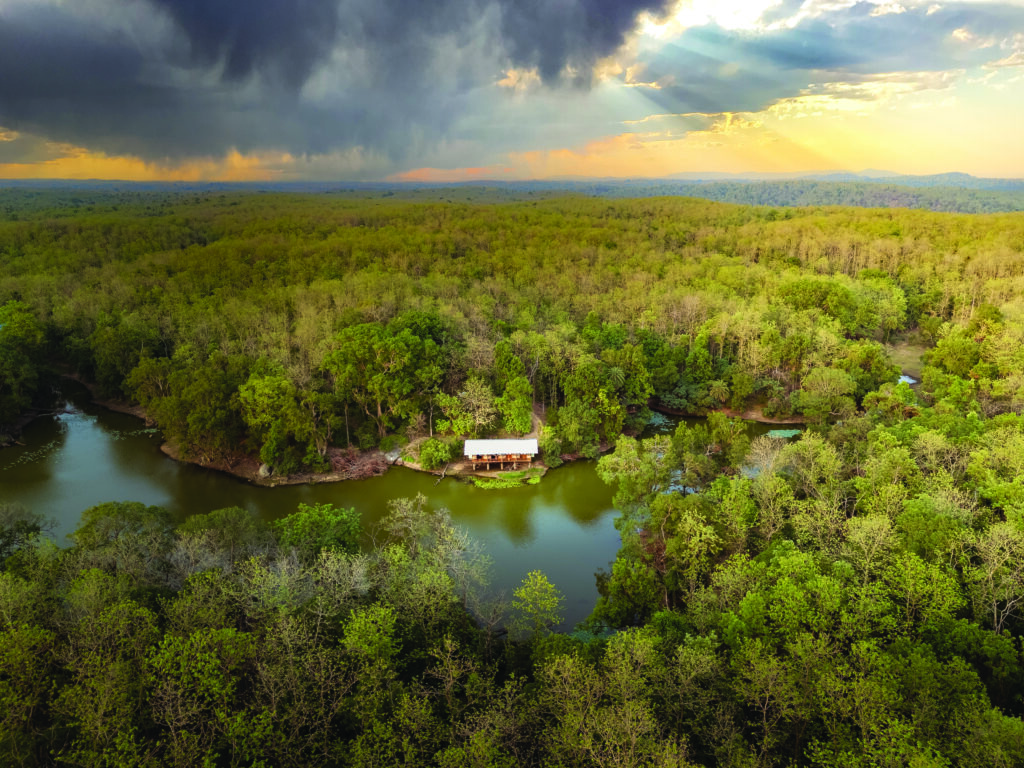
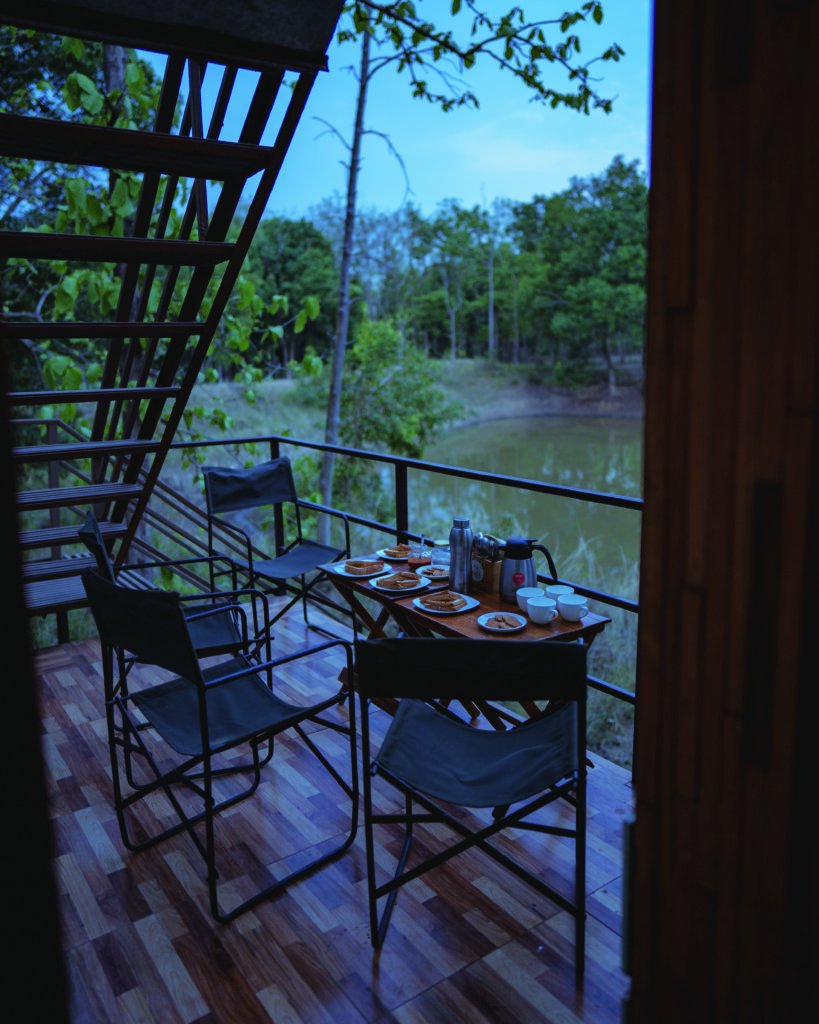
The golden light of dusk filters through the canopy of teak and sal trees, skirting the shimmering water body. I am sipping my evening tea at the cottage deck, looking out with a pair of binoculars at the treeline for movement, when I spot a Sambhar on the opposite bank. It’s statuesque and stands still amid shrieky cries of the grey langurs and peacocks. The binoculars catch a sudden swoosh of peacock blue synced with the jolt of half-a- dozen startled spotted deer—it’s the jungle alarm call. A big cat may be strolling close by…
Then, the tense air relaxes. The lone Sambhar sips water, looks up and scoots into disappears in the foliage. I turn my attention to the White Throated Kingfisher fluttering mid- flight and making splashy dives into the water. It’s aim is precise as it emerges with a catch. There is a loud plop below the deck. Most likely, the sawal (murrel) fish has come up for air… I am in the heart of wilderness, but this time I am experiencing it with surrounded by some quiet opulence. At the Pench National Park in Madhya Pradesh, one of India’s most exhilarating destinations for the discerning wildlife enthusiast, unfiltered encounters with nature can exist with quiet luxury.
Straddling the borders of Madhya Pradesh and Maharashtra in central India, the Pench Tiger Reserve (PTR) sprawls across 1179 plus square kilometres, with a core area of 411 plus square kilometres, in the Satpura foothills. The P ench River, from where it gets its name, slices the park neatly into two; the landscape shifting dramatically from a dense tropical forest to open grasslands fringed by glimmering waterholes. This was the original playground for Mowgli, Baloo, Shere Khan, Kaa and Akela in Rudyard Kipling’s much loved 1894 novel The Jungle Book, although ironically Kipling never visited Pench even while he was in India.
With premier Wildlife National Parks nowadays allowing only a small percentage of their core areas to open for the public, for safaris, and strict restrictions and regulations in buffer zones and the outer eco-sensitive zones, what makes a wildlife experience top notch for any enthusiast is both the uninterrupted experience of the jungle and its pristine rawness, and a combination of outstanding hospitality. Pench offers one of India’s most premier wildlife experiences because it maintains a crucial balance between accessibility and high-end stays and retaining its wilderness.
“While the jungle is the same for everyone, what makes a wilderness experience truly luxurious apart from high-end stays is accessibility, exclusivity and privacy, with Pench scoring high on all three,” says Rajnish Singh, former Deputy Director, Pench Tiger Reserve and current Deputy Director of Veerangana Durgavati Tiger Reserve being developed as India’s third Cheetah habitat. “Pench is the only national park in India with an airstrip hardly 35 odd kilometres away from the core Turia gate.” The Sukhtara Airstrip is a small airstrip located in Seoni on NH 44 with night landing facility. “Primarily used for flight training operations, it might be the only airstrip in close proximity to a premier national park and is often used by private jets to land HNIs and many celebrities to quickly and quietly visit Pench.”
When Sachin Tendulkar visited Pench some time ago, he privately flew in and chose to stay in the old world charm of the Karmajhiri Forest Rest House (FRH), close to the Karmajhiri Gate near the core area of the jungle. Taking a step back in time, like all old colonial-era constructed FRHs, this one too is a parcel of history preserved, built to work around the weather of central India’s scorching summers, lashing monsoons and chilly winters with its thick lime-washed walls, high ceilings with ventilator windows, terracotta sloping roofs, fireplaces in the dining area, and a deep sprawling veranda for the covered and yet outdoor-sy vibe. The hospitality by the Madhya Pradesh Forest Department staff is genuinely warm and the privacy unmatched.
Pench has some of India’s most exclusive collection of wildlife lodges for the mature traveller — many with lavish colonial-styled camping elegance to romance the jungle. Having experienced the jungles of Pench and its luxury stays on many trips, some shared qualities emerge — the luxury tents, lodges, cottages and camps are all very aesthetically, sensitively and sustainably designed – woody and earthy in tone and structure, following the philosophy of green architecture to complement the very essence of wilderness they want their guests to experience. Parts of their properties are keenly re-wilded to support the seamless movement of forest animals.
A success story in conservation
Pench’s reputation amid naturalists goes back to the 19th century. It was the colonial Robert Armitage Sterndale, a British officer and a keen naturalist, artist, game hunter, and author of several books on natural history, who was smitten by Pench’s wilderness. He vividly captured its many seasons in his classic book Seonee, or Camp Life on the Satpura Range’ in 1877, which inspired scenes in Kipling’s Jungle Book. The region also had local folklore on feral children – those abducted and then raised by wolves. To add to it, the British officer Sir William Henry Sleeman who led the anti- thugee campaign in the regions of Saugour and Nerbudda in Central India in the 1830s, published a report titled “An Account of Wolves Nurturing Children in their Dens”. These accounts sparked Kipling’s imagination to create the man- cub character of Mowgli, first introduced in the short story ‘In the Rukh’.
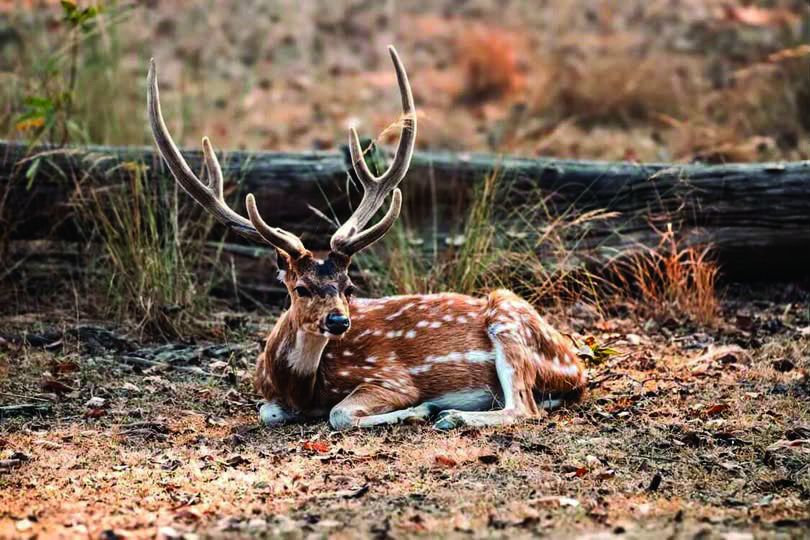
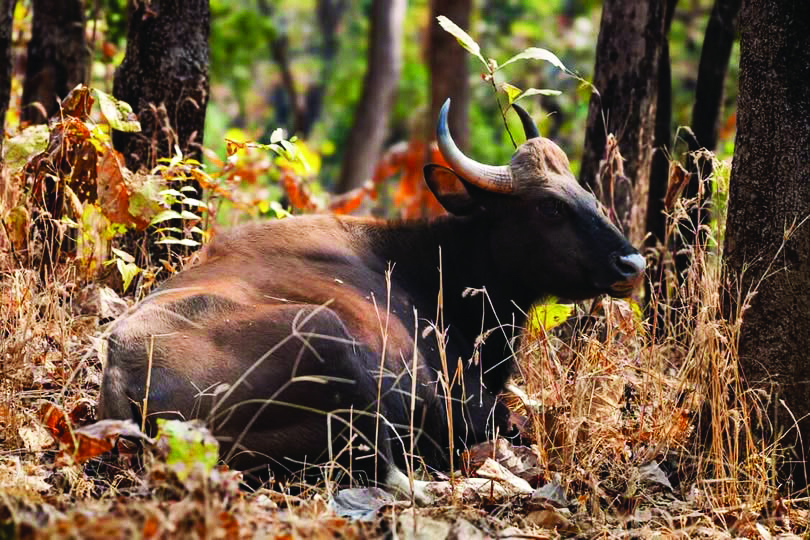
Declared a sanctuary in the 1970s, and elevated to Project Tiger status in 1992 as India’s 19th tiger reserve, Pench’s core area—now officially Indira Priyadarshini Pench National Park—protects a vital wildlife corridor connecting to the neighbouring Kanha National Park. The result is one of the subcontinent’s healthiest prey bases: vast herds of chital, sambar and gaur (Indian Bison) that draw the apex predators that every traveller and wildlife enthusiast comes to see.
Pench certainly can boast of many feathers in its cap but foremost is the fact that it has set the high benchmark of luxury for its forest animals — by providing the first and longest elevated wildlife corridor in India solely to protect wildlife. The 16 kilometre elevated wildlife corridor passes through the thicket of Pench Tiger Reserve on the Madhya Pradesh side and sits on India’s longest (4000 plus kilometre long) and critical north-south National Highway 44 (NH 44) that stretches from Srinagar to Kanyakumari.
Speeding at 70-100 kmph on this busy highway flanked by massive trucks and trailers, the world of the jungle below is left undisturbed. It surely eases the guilt of a wildlife lover like me that this highway that reduces my travel time is not an impediment to the wildlife’s security. In fact, it is designed to protect wildlife with four meter high sound-proof boundary walls and has nine underpasses, including a massive 750 meter long, facilitating safe animal movement between forested areas and essentially balances ecological needs and infrastructure development. Hundreds of camera traps in the underpasses tell the story of successful conservation, documenting the free movement of tigers, leopards, bisons, spotted deer, jackals and many resident species of the jungle.
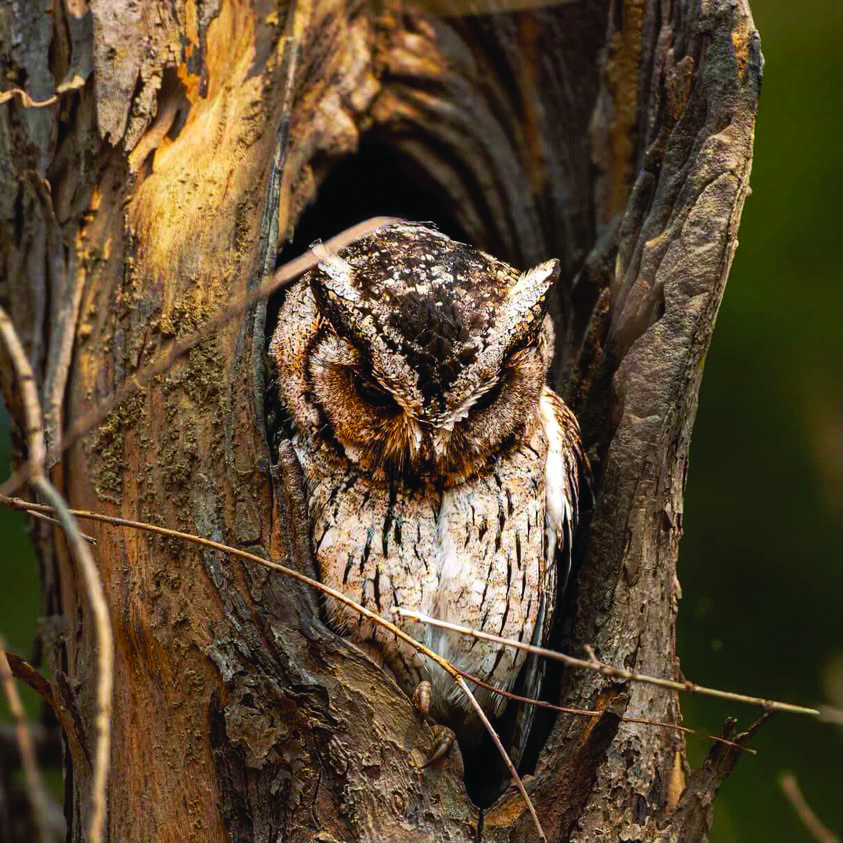
In fact, Pench is much more than tigers or the big game. Over 250 species of birds fill the air with song—peafowl, paradise flycatchers, and the haunting call of the crested serpent eagle, the owlet holed in the tree. Sloth bears shuffling through bamboo thickets, leopards that melt into the shadows at dusk, and four-horned antelopes across rocky outcrops. The forest itself is a living masterpiece: towering teak, flame-of-the- forest Palash trees, mahua trees, and the ghostly white kulu trunks that glow like sentinels in the moonlight. And all these aspects are well conserved.
“The elevated wildlife corridor is used very well by wildlife,” says Punit Goyal, Deputy Director, Pench Tiger Reserve, “but it wasn’t an easy journey, taking almost 10 years to complete, in collaboration with the National Highway Authority of India. The best example is the documented journey of this Pench tigress TK-8, fondly called Jhumri, who walked almost 400 kilometres crossing the jungles of Pench and Kanha to Achanakmar Tiger Reserve in the state of Chhattisgarh where she had cubs, proving that critical habitat connectivity is essential for long term wildlife and tiger conservation.”
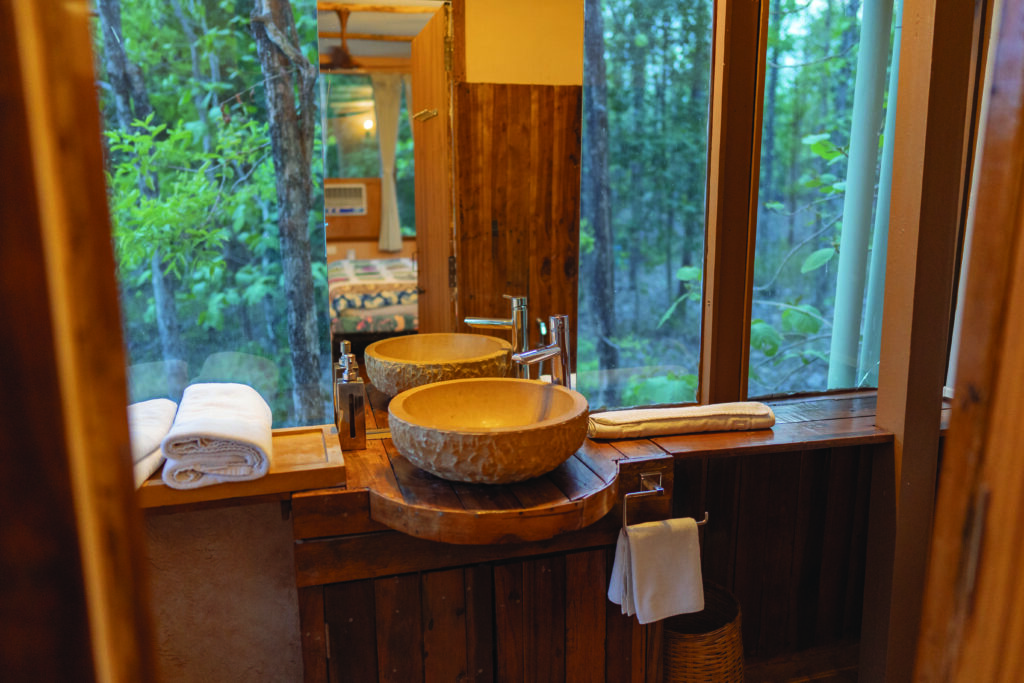
Luxury stays
For travellers and wildlife enthusiastis, the stay experience is elevated via restored forest rest houses. Exclusive and highly private is the historic and cosy two-bedroom Sakata Forest Guest House situated deep inside the dense jungles of Pench’s Rukhad zone. Built in 1903, it was once a hunting lodge and Rajnish Singh meticulously restored to its bygone glory during his tenure here. Time has stood still here. One could pretend to be James Forsyth with boots on ground scouting the “Highlands of Central India” as you come back to lounge in the veranda’s “aaraam kursis” or the laidback planters chairs. With rattan and heavy teakwood furniture, Sakata is a heritage stay and an exclusively private heaven in the thick of the jungle.
“Sakata FRH is also the base camp for the three day 22 kilometre trek and the shorter day excursions in the dense teak forests of Pench,” says Singh who initiated it believing there should be no barrier between wilderness and its experience. The forest guides take you for these lovely exploratory nature walks and longer treks but you’ll have to be brave enough to not cringe when huge spider webs could be hovering just above your head or you have to walk in the thicket of foliage. Singh further collaborated with India’s premier trekking company, India Hikes — inviting them to set up base camp here and organise these “highly responsible, sustainable and conservation inclined transformative treks”. Again, a first, and currently the only one for a top ranked wildlife park in central India.
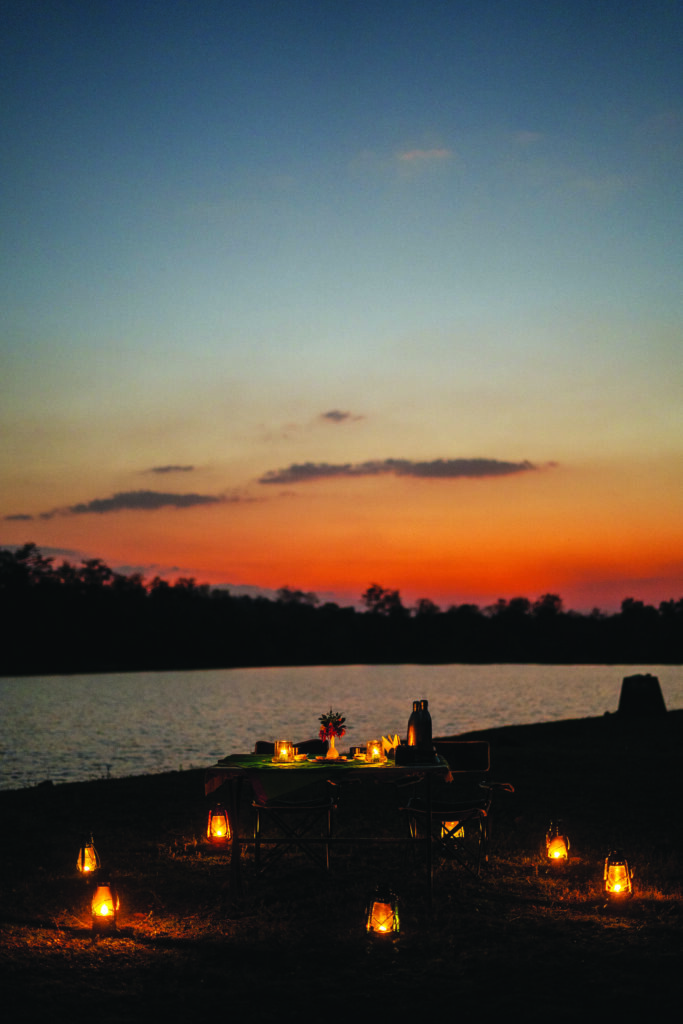
Jal Mahal and Daldali, both private boutique luxury properties by Rukhad Jungle Camp, are built on stilts on water bodies in the heart of the vital Rukhad Buffer Zone. Located inside the dense restricted area of the jungle, almost camouflaged, the exclusivity of their location is rare and so is the highly intimate experience of staying in the wild literally with no boundary wall. The thrill is unmatched — that just outside the Jal Mahal cottage door or below the Daldali tree house, the possibility of a big cat on a night stroll, stopping by, purring or roaring, is quite real.
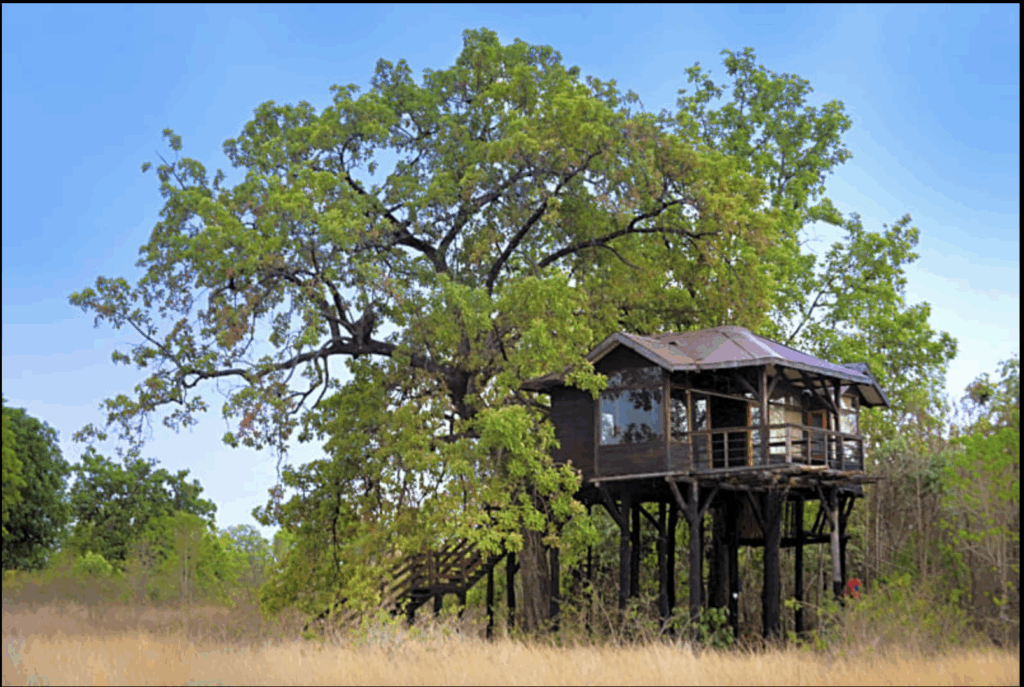
The discreet tree houses at the Pench Tree Lodge by Pugdundee Safaris are both – rustic outwards blending with the huge trees and tastefully elegant on the inside. Each gives a vantage view perfect for spotting birds and watching the animal world go by. The best part is The Kipling Photography Hide, another first, allowing photographers and enthusiasts to discreetly observe and photograph wildlife close up at eye-level from the underground hide cushioned in comfort.
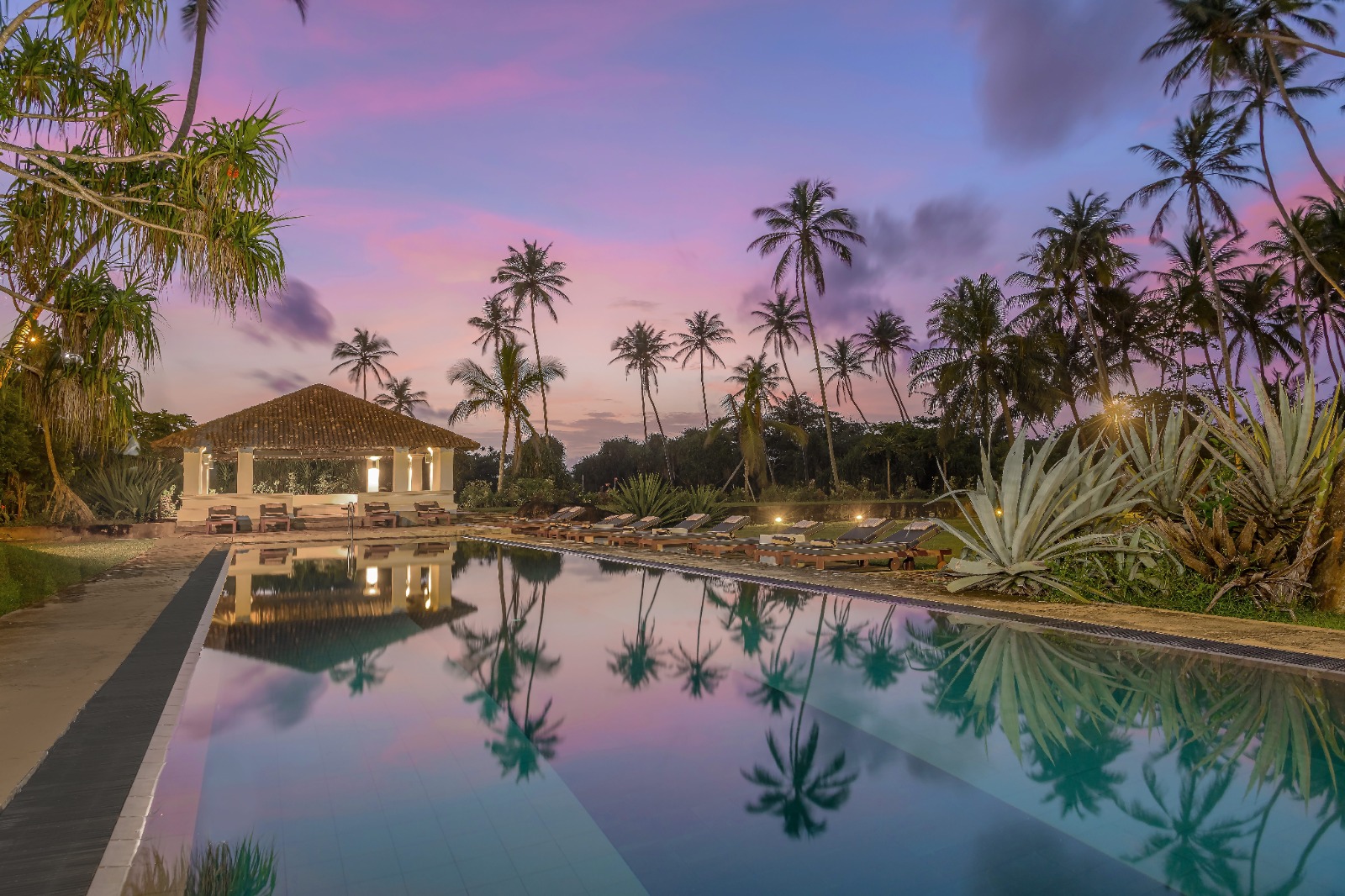
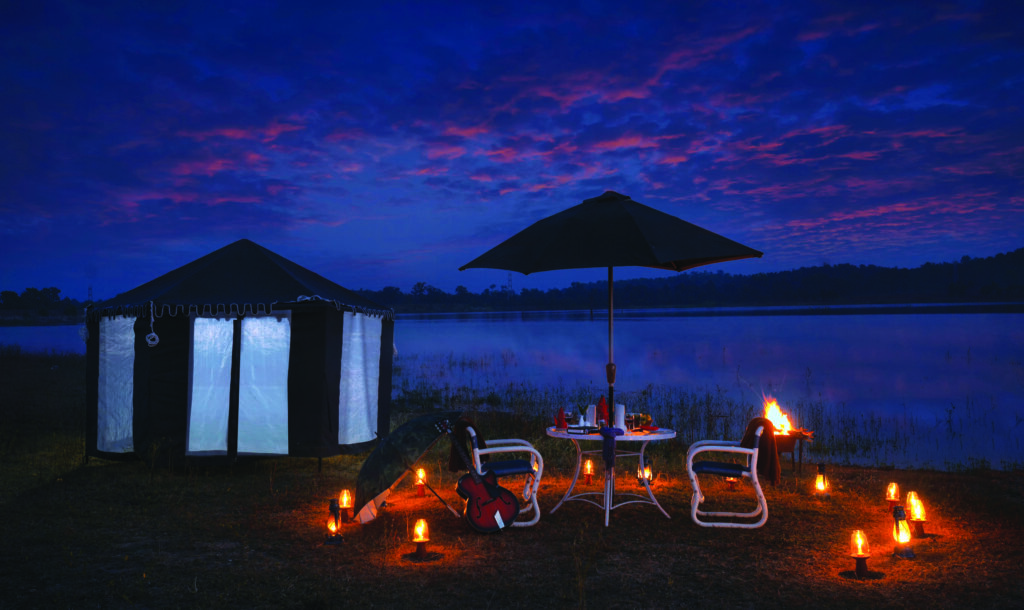
Quiet opulence blending with the wilderness is the philosophy followed by the best stays at Pench – private roof-top decks or machaans for gorgeous sundowners while watching the vast scape of forest, grasslands and waterbodies, early morning birdwatching nature trails, post-safari plunges in infinity pools shaded by gently swaying jungle trees, crackling bonfire barbeques, bush dinners at river beds or under the canopy of mahua, arjun and teak trees in the glow of lanterns and the dance of fireflies, astronomy and star- gazing nights as the stars certainly seem to shine brighter here blanketing the jungle, night scaping or just listening to the multitude of cricket-y sounds and the rustling of tree leaves as a background score. From chilled towels on safari drives on hot summer days to subtly placed hot water bags with soft blankets on chilly morning drives, to lavish breakfast spreads elegantly laid out on safari jeep bonnets, the hospitality is detailed and executed with effortless grace.
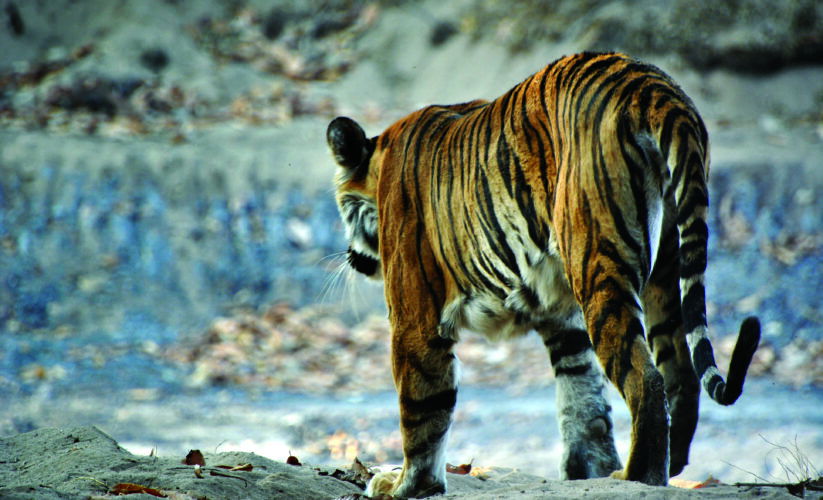
Pench is a very lively jungle. There is constant sighting of some jungle resident every few moments – be it the beautiful Golden Jackal running along the mud track to seeing a large sounder of wild boars with the alpha males glaring back with their menacing tuskers, herds of cheetals and langurs always on alert, to the gloriously horned Sambhars pausing and posing. Many times the attention is on the chase to spot the tiger and once on a recent safari, when the apex predator lazed behind some rocks unbothered by the cacophony of jeeps converging to spot it, giving a glimpse of only its backside, I turned my attention to the tree in front which was hosting a magnificent Malabar Pied Hornbill. And quickly it was beautifully captured by a zoom tele-lens.
For privacy and exclusivity, if one wants, a simple email to the Deputy Director’s office can have a full-day safari booked. The experience is elevated when backed by the expertise of well experienced naturalists attached to luxury properties, and guides and drivers from the forest department, all of whom know the jungle like the back of their hand. One gets access to unchartered tracks and all permissible zones once inside the core and with the privilege of 15 minutes of prior entry at dawn and a similar late check-out at dusk, allowing those crucial fleeting moments when the big cats prefer to walk the mud tracks leaving their pug marks behind.
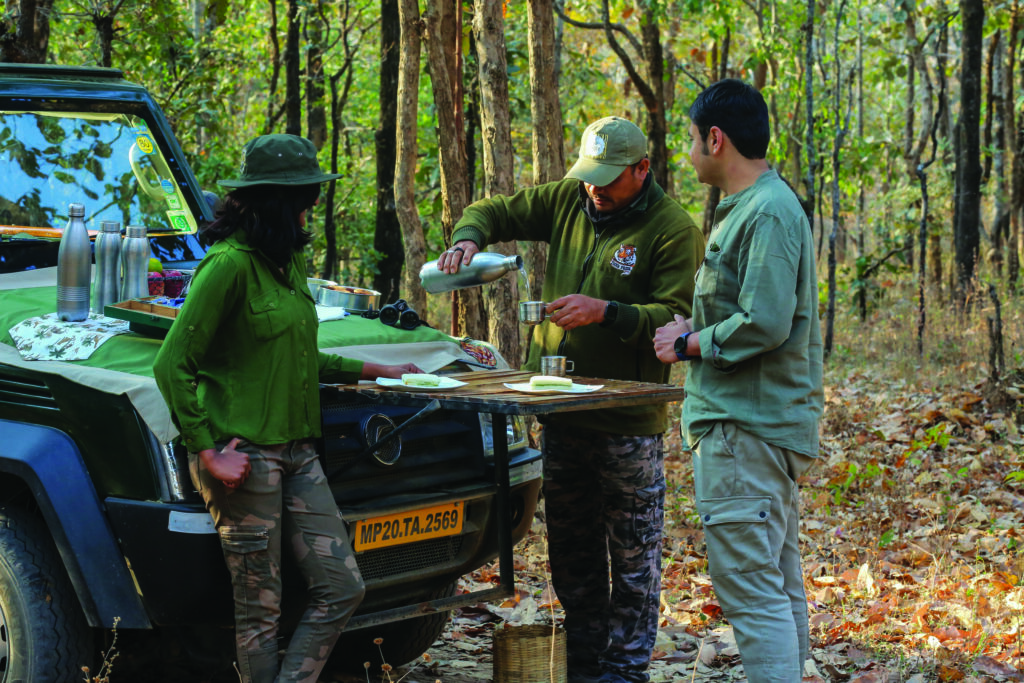
Nurturing the local
For these jungles to thrive, the local economy needs to be nurtured. Local employment is critical. “Going local is celebrated,” says G.S. Rathore, Managing Director, Jungle Camps India Limited with luxury wildlife properties across Pench, Kanha, Tadoba and Rukhad. “Be it food, culture as well as integrating the local people in this journey to value, conserve, celebrate and protect the forest. Our chefs especially curate local fare like Kodo and Kutki millets and the Mahua Kheer, made with the fragrant Mahua flower with milk, for guests to experience the local cuisine with their global palate.”
Spring-summer turns the forests of central India into a colourful canvas of treetops. In March-April, before the onset of summer, the Tesu or the Palash tree blooms specking the forests with a fiery and bold orange tone, other jungle tree leaves transform into shades of light yellow to brown- purplish, while gentle white flowers dot the much loved Mahua trees. They fall on ground in the dewy wee hours giving the forest a distinctly delicious scent. The Mahua flower is highly celebrated this time of the year by the locals. It is distilled to make the a subtly sweet local brew. The flower is also used medicinally and for local seasonal dishes and sweets. Taking cue, Pugdundee Safaris curates its Mahua Festival every year, celebrating the cultural and economic importance of the mahua tree with guided foraging walks and mahua-inspired culinary experiences.
Conversation remains the cornerstone of every luxury stay in Pench. The eco-credentials of the best are impeccable and much awarded as true luxury today must also be responsible. Pench makes you feel that you have not just experienced the jungle, but have lived inside Kipling’s pages cocooned in luxury as the real Shere Khan roams his kingdom. In today’s time when wilderness experiences are growing rarer by the day, the Pench National Park thoughtfully exemplifies that high end travel can protect what it celebrates. For the sophisticated wildlife lover seeking to spot tigers by day and starlit indulgence by night, Pench is the hidden jungle jewel of Madhya Pradesh.