Ek Duje Ke Liye: The South in The North

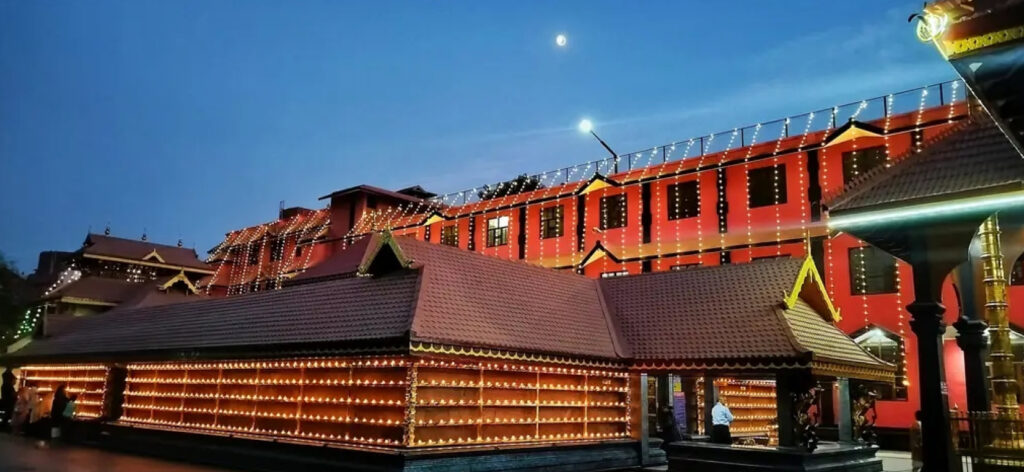
Delhi does have a deep south Indian culinary culture, beyond idli-dosa— hidden from Insta influencers. Now, Nadoo in GK makes it mainstream, in a delicious way!
By Anoothi Vishal
It is a mistake to assume that Delhi is unacquainted with south Indian food beyond dosa (and lately benne dosa that has replaced the earlier ‘crisp, thin’ dosa as the north Indian darling) and idli (even Thatte of Carnatic Café).
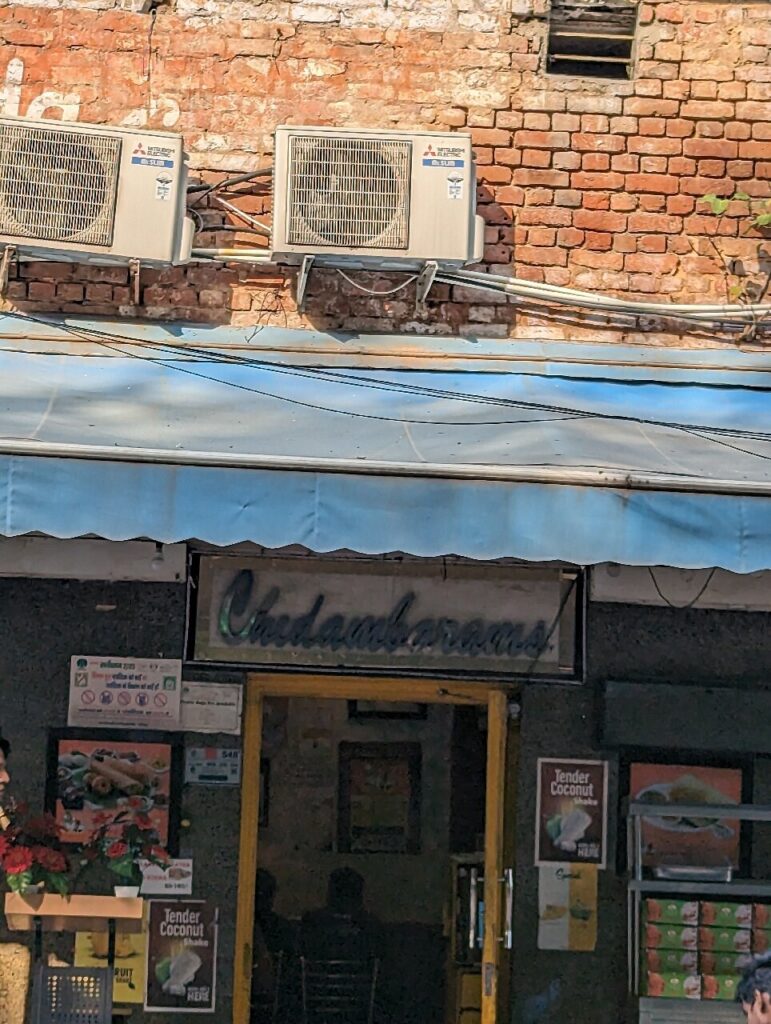
In fact, the capital’s tryst with all manner of southern Indian food is quite old. It goes back to the early years of Independence when many “Tam Brahms” and educated elite from north Canara district were employed in central government offices. RK Puram, Lodhi Colony and later Mayur Vihar, all middle class and service class hubs, still show deep pockets of this deeply-entrenched south Indian culture. While not particularly Insta or influencer trendy, Chidambram’s that serves Tamilan style tiffin eats at Lodhi road, the Karnataka food centre in RK Puram, the old stalls in CP or behind the Sai Baba temple popular with the office goers, not to mention the iconic Andhra Bhawan canteen, a Delhi “experience” now for seekers of nostalgia and authenticity, all are thriving.
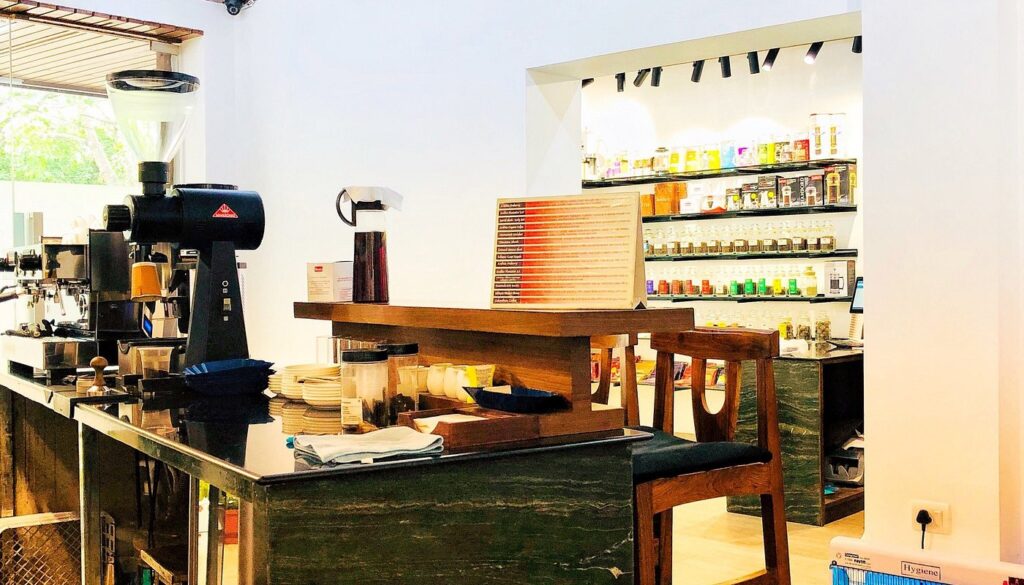
As is Hot Chips in Mayur Vihar with the best fresh banana, jackfruit and other chips outside Kerala’s small shops, and the redoubtable Devan’s coffee tucked away in Khanna Market is still where generations of coffee loving Delhi people, right from the IIT and DU profs to artists, writers, and the intelligentsia still buy their filter coffee blends, and get these customised. Devan’s is a marvel and has changed with the speciality coffee culture catching on, while still retaining its depth– on-site roasting and grinding, source of single origin beans from Chikmagalur et al. They now have their own Monsoon Malabar and Viennese blends that you can buy online, and you can pick up the filter coffee extract in convenient packaging as also cold brewed, pods, moka pots… that any self-respecting third-wave coffee enthusiast may seek. I thank god, there are no queues outside it yet.

All these and quite a few others apart, there are also the “hidden” caterers, thriving via word of mouth, and doing both authentic and interesting food that is a hit in many of the best parties and at home affairs, quite outside the digital realm. Hema’s South Indian in Shahpur Jat, I am told is very popular in affluent south Delhi for its mix of Andhra, Kerala and costal food that she does trendily and imaginatively. Prima Kurien has always been the grand dame of Kerala cuisine home caterings.
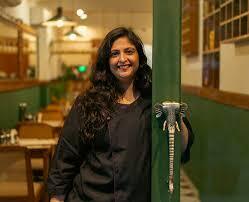
And my friend Ruchira Hoon who is building an entire chain of very popular Dravin Canteens (the first was in Amar Colony, next to my alma mater Lady Shri Ram), does very good, authentic and fun food, most sensibly portioned and priced. Now that the restaurant is in other parts of Delhi and Gurgaon, it will widen its ambit. Then there are the true community caterers. You need to find a friend or acquaintance and get their contacts— and order by the kilo, which works very well when you have guests over. I met the veteran journalist and media commentator Sevanti Ninan, wife of my former and legendary editor at the Business Standard TN Ninan, last year at the IIC and she promised to send me the number of a caterer they use quite often for Mallu dishes that can be ordered in. I didn’t quite get down to asking her for the number! And finally, we have the small but very “authentic” and genuinely popular restaurants such as the Coast Café that predates and post-dates the Hauz Khas Village craze and Mahabelly with its dedicated loyalists that have been thriving for years, offering much much more than idli dosa, authentically.
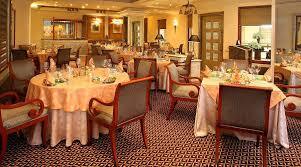
I love south Indian food with its bold spicing, some of its fiery dishes, and the deep comfort of fish and rice in different forms. The restaurants that I would personally go to or take people out to are undoubtedly Dakshin at the Sheraton which is still one of the best researched Peninsular Indian food restaurant in the country (in Chennai, where the first Dakshin came up, it was an institution under chef Praveen Anand), Sanadige, sibling to the Bangalore icon for coastal fare, and perhaps my old haunt Swagath for nostalgia and gassi.
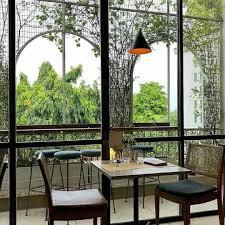
In Gurgaon, that I usually find to be somewhat nouveau with many of the affluent CEOs and CMOs there not having any deep connect with Delhi, and others who have built their first generation wealth via real estate being more the denizens of a virtual world and therefore governed by fickle “trends”. Speakeasies, picante, Korean, ramen, matcha etc etc. I really have no interest in any of these trends driven by FOMO that do not particularly have any stickiness or loyal customers. Which is why, it is hard to find, and I suppose to establish a truly great food-led brand in Gurgaon, with a few notable exceptions, and why Paul’s with its aspirational internationalism is incredibly successful despite the presence of the giants of Indian hospitality in the same One Horizon arena.
But in Gurgaon, if you want something off the radar, call the Grand Hyatt in advance and ask for chef Ajith, the NCR’s most underrated south Indian chef. Ajith had a long stint at the Hyatt Regency in Delhi, where his number was on the speed dials of all his patrons, who’d call him and request his specials whenever they planned to visit. And this has continued at the Grand Hyatt, where the brunches, with a few of his items are very popular.
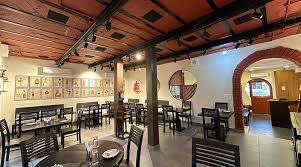
So the current explosion of “trendy” south Indian restaurants in the city has a firm base — if a rather different clientele.
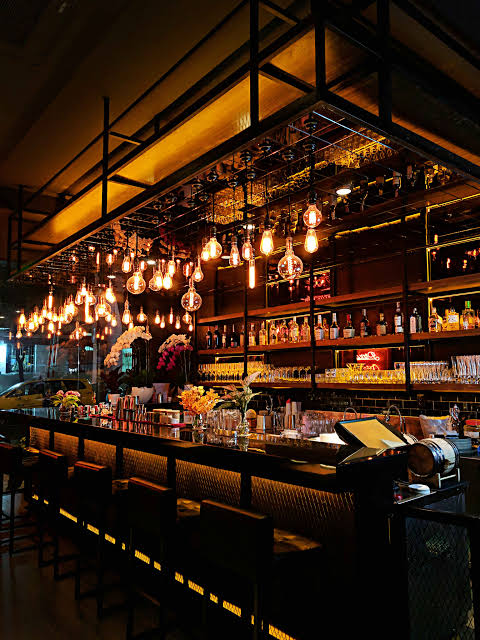
One of the new entrants that is definitely speaking to South Delhi’s elite diners, a very good and influential demographic with perhaps the most loyalty, is Sahil Sambhi’s and chef-researcher Shri Bala’s Nadoo in Greater Kailash 3. It’s the right location, a beautiful swish ambience and some remarkable food. And with these three things in place Nadoo has cracked the formula for success in Delhi, a city notoriously difficult to crack despite the high spending power here because restaurants are often confused about what they are trying to do and for who.
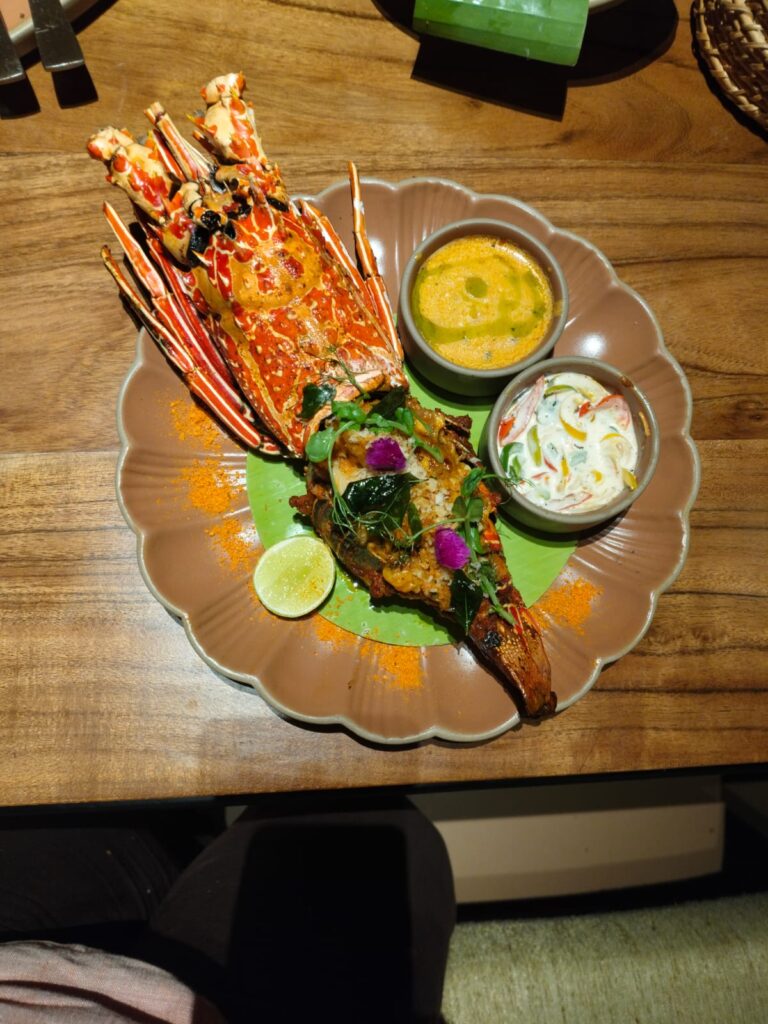
I went there on a Thursday to a packed house at Nadoo; and one of the first things Sahil told me was how he took the bold decision to do away with benne dosa on the menu. On the day the restaurant opened, there were apparently 56 benne dosa orders with Insta-obsessed diners who have bought into the benne dosa craze overlooking many other dishes cooked with rigour and care to just order this. Shri Bala, who is fiercely protective about the cultural authenticity of her regional dishes and is one of the few people who has researched so deeply into the south Indian culinary heritage, was angry in the kitchen. “Is this why I relocated to Delhi, to make benne dosa”, she was muttering under her breath, Sahil tells me.
Since the restaurant has come out of a sense of true passion with both Sahil and Shri Bala deeply invested in showcasing their heritage (Sahil’s mother was Tamilian), they took the tough decision to not cater to populism. Instead, serve food they believe in. This is very important. Ever too often, I come across restaurants and restaurateurs who are second guessing themselves and doing food they think the audience is liking. But that is a very tricky path to go down. No trend in today’s market goes deep enough to ensure longevity of a restaurant. Instead, a chef or restaurant must start with “what do I want to serve”? That authenticity comes through in the customer experience invariably and if the other economics are right, builds a viable brand.
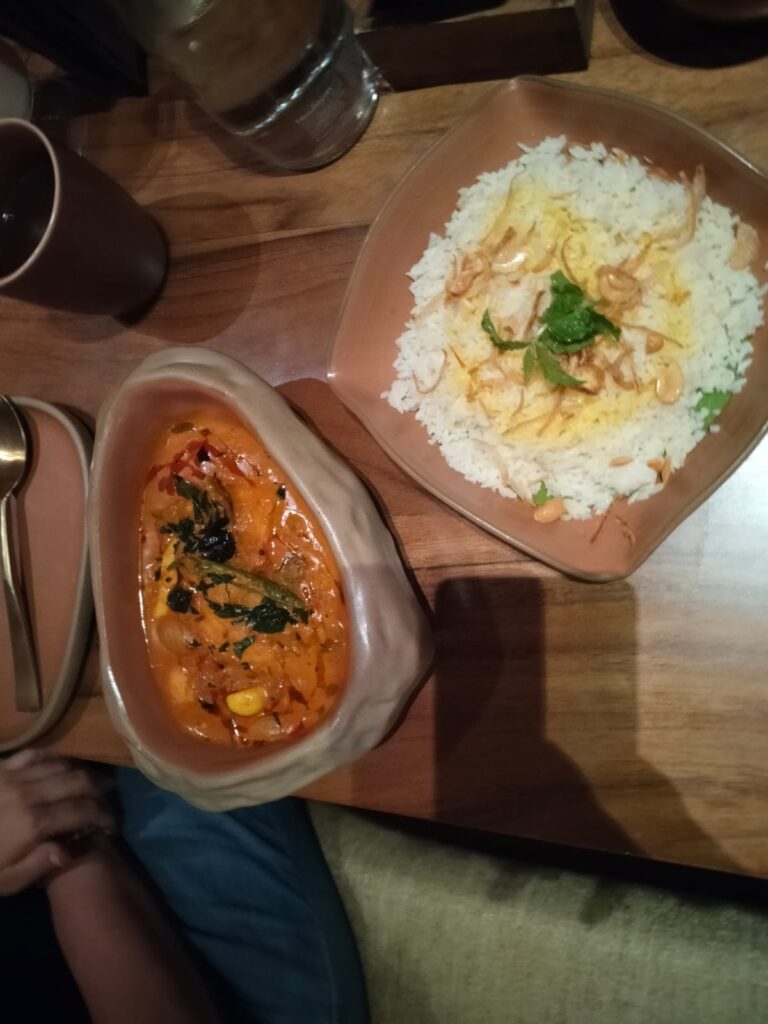
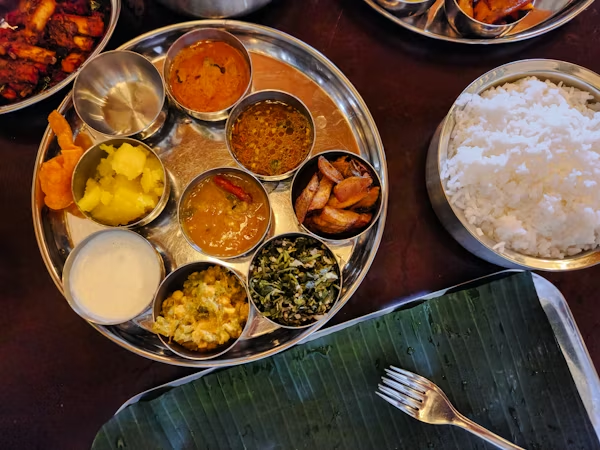
At Nadoo, it is very clear, that there is conviction in every dish. This is a rare restaurant today that goes off the beaten path — with dishes that maintain nuance and rigour. You can taste the edible camphor in the sakkara payasam (a temple prasadam in Chennai) despite the contemporary shape it arrives in. The pineapple “gassi” is not merely the pop sweet-sour trendy curry that every top restaurant and chef seems to have suddenly discovered from New York to New Delhi. Instead, this is a legit, true menaskai gojju of Udupi—with a depth of masala; coconut, chillies, seasame dry roasted. The food is mostly home style, the spice powders made in Shri Bala’s home in Chennai with specific types of chillies going into Andhra or Kerala or such dishes instead of something generic, and there are 30 suppliers for 50 dishes on the menu, with strict specifications. The Mysore bun, lamb shanks with nool parotta, and even the absolutely soulful ghee rice with saffron are done with sanctity, without pandering to what the chef believes locals will like.
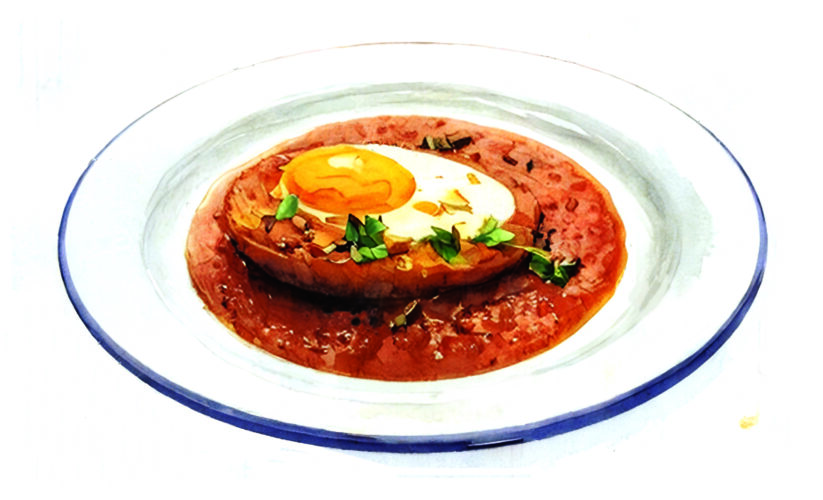
There are some unusual dishes—including the Kochi egg puff paying homage to the bakery culture of the south, different types of rasams (with different tomatoes), and most of the times, the improvisations aka idli churros work, though the only thing that I didn’t agree with in my meal was the caviar on idli. The food is light, spicing and chillies are not overwhelming – in fact if you define south Indian food by hot Andhra or Chettinad dishes, you may expect more mirch and kick, but I find the home-liness in the cooking, done also as per Ayurvedic tenets that underline most Indian cooking and that restaurant kitchens usually pay scant heed to better and easier on the gut.
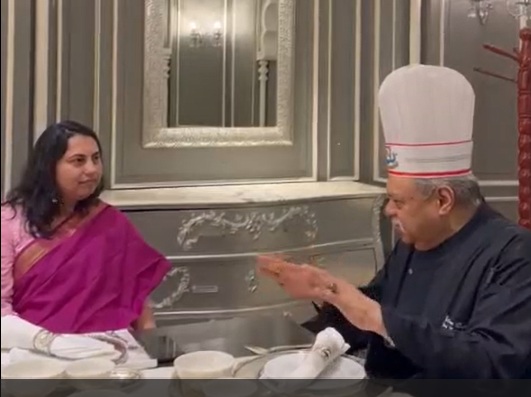
This balance of homeliness and precision and processes that are required in an upscale restaurant is maintained by a unique sleight of hand that Sahil has been able to pull off. He has got Shri Bala, the only south Indian in the kitchen, to train and cook with a team full of north Indians, helmed by Harangad Singh, whose Punjabi cooking particularly with the meats, has been impressive in the past and something I have always liked.
When I heard of them cooking together, and then had a long meal with them listening to tales of tears, anger, drama and quite a few laughs around their cross cultural interactions, I was reminded of the movie “Ek Duje Ke Liye” or “Two States”…you get the drift. This is the most interesting and heartfelt aspect of the restaurant. You may not have known about this north-south cross cultural connect before. But when you eat the food, you will take to it because after all the south has been here in Delhi for much longer than you may remember. But it’s there in our metropolitan cultural memory.