Hyderabad hues

Move over Goa and Gurgaon. Food-obsessed Hyderabad is India’s new restaurant boom town
By Anoothi Vishal
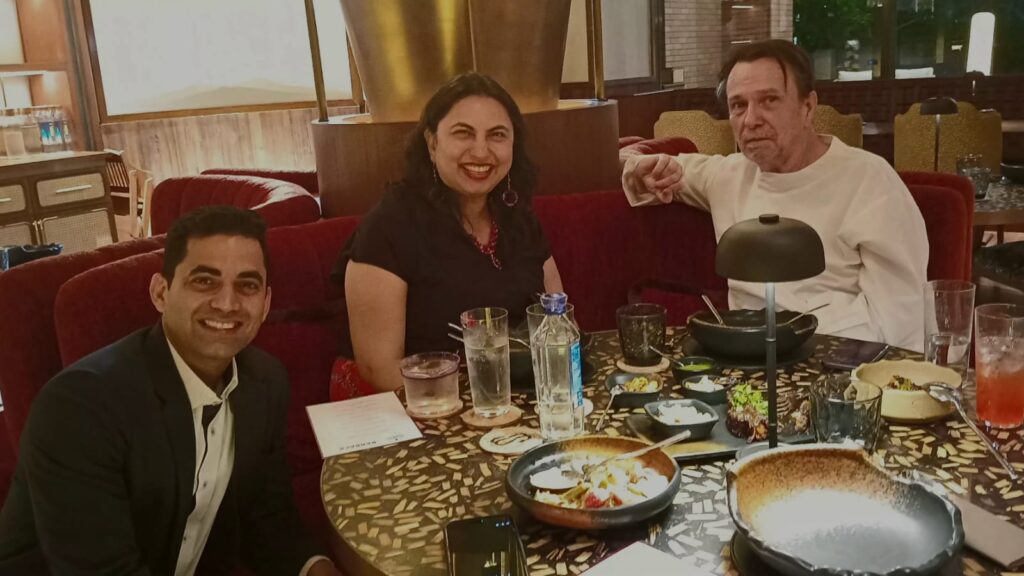
It’s 7 pm; the dusk is Hyderabad blue. A smattering of the city’s culturati and society strolls in; amongst them, the indie filmmaker of our generation Nagesh Kukunoor, along with Elahe Hiptoola, former actress, now producer, and others. It’s the city’s most anticipated party — a restaurant launch that has got Hyderabad buzzing with excitement. As one socialite who I know not too well told me earlier in the day: “I don’t know what’s happening…but everyone is claiming to be Rohit’s (the restaurateur Rohit Khattar) friend, and everyone wants an invite…”
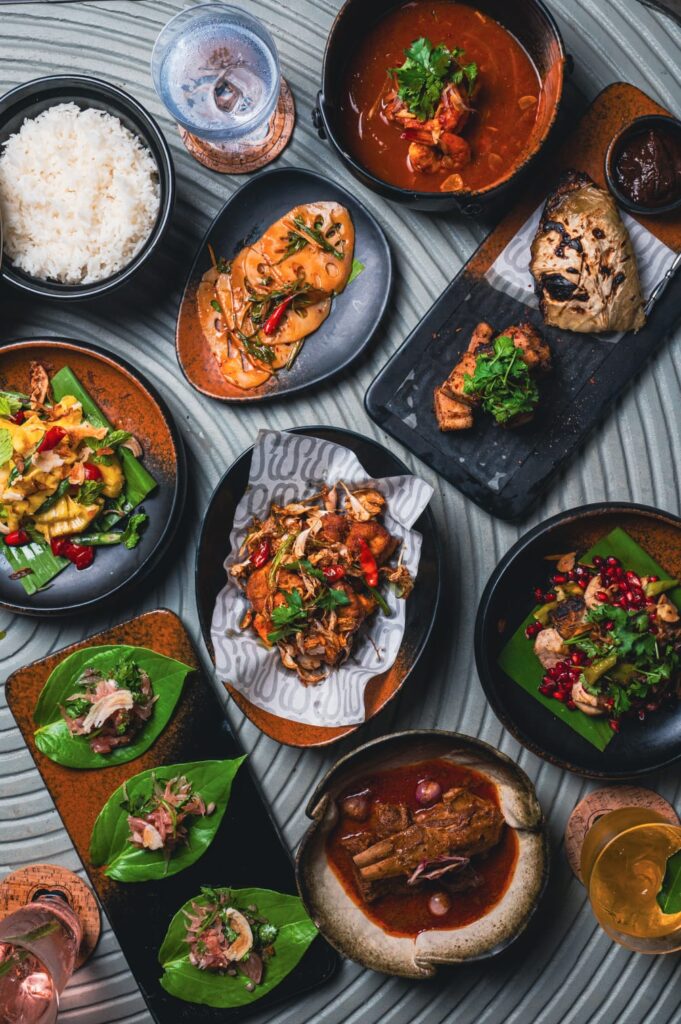
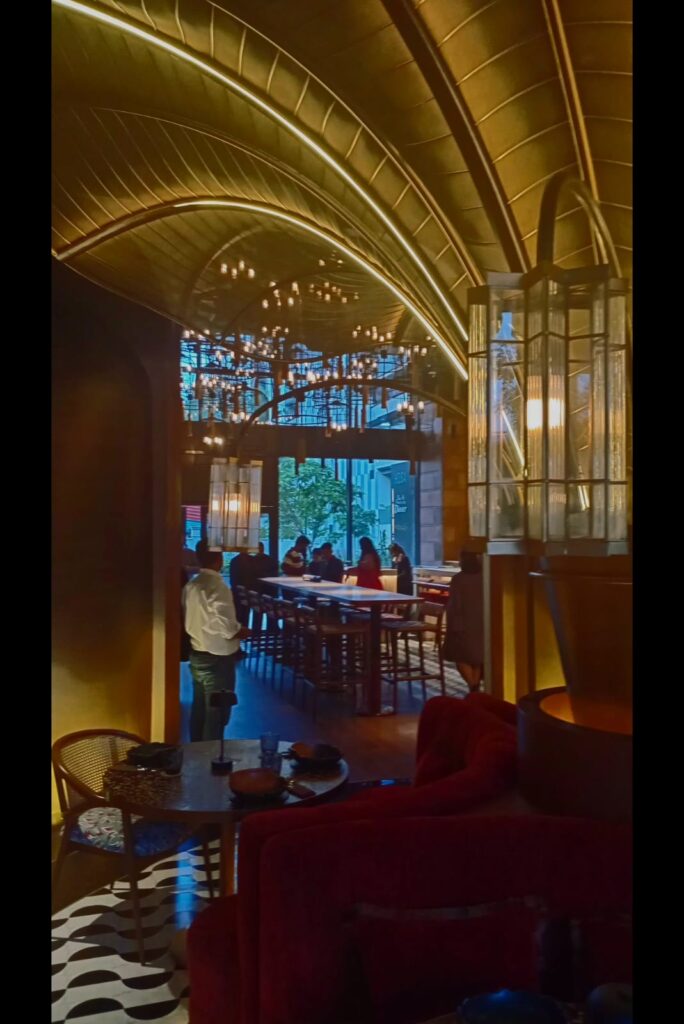
Khattar, among India’s best known and most successful restaurateurs who has been growing a whole chain of “fine-casual” restaurants in a hub-and-spoke model in cities such as Mumbai, Goa and Gurgaon (he will go to Jaipur next), is finally unveiling two of his five concepts planned for Hyderabad. And everyone wants an in. Fireback, the Thai restaurant brand with the famous Thai food authority Chef David Thompson as the culinary director, is debuting in the city after outposts in Goa and Mumbai. Alongside, is Barback, the first independent bar by Rohit’s company EHV International. Both spaces run into each other and look rather deceptively glamorous with deep couches, dramatic golds, not to mention a glitzy, ritzy chandelier in the private dining room aimed perhaps at the cinestars or Telangana socialities known to have a penchant for the good times much like our own large-hearted Punjabis in the north. The looks are deceptive because while you may want to dress up for an evening out here, it may not really cost the earth and the moon. Having eaten through almost the entire menu at Fireback in Mumbai just this spring as part of a rather ravenous group of 20, I know this to be true. And yet I was shocked to learn from the restaurant’s team that the average ticket size is just Rs 2000 for two, a tad less than the NRAI-recorded average per person spend in Delhi-NCR, the country’s highest paying market.
That evening, as a stupendous number of guests turn up (150-180, I was told), followed by similar numbers the next two evenings as well, it starts to seem that all of food-obsessed Hyderabad is here: whether from the corporate-ish Hitech City or posh Jubilee and Banjara Hills bungalows. Sumptuous bowls of Kraphao and Massaman (both are my strong reccos from the menu) float around, alongside Chinese small plates from Barback by chef Kaustubh who also looks after Fireback as brand chef (the chilli oil dumplings with an ace karipatta mayo are David Thompson’s — and mine– new addictions now) and such clarified potions as Pandan Negroni, and Rose Rickey with vodka and florals that Varun Sharma, head of bars for the group, concocts.
EHV’s other brands Hosa, the south Indian restaurant, and the much-anticipated All American Diner are scheduled to open later in July-Aug. So the plate is full. But as swish restaurants boom in a city associated till pre-Covid with biryani and haleem, there’s more to chew on: Hyderabad is now India’s hottest restaurant destination — ahead of, if not Delhi and Mumbai yet, then Goa, Gurgaon, Pune and even Bangalore.
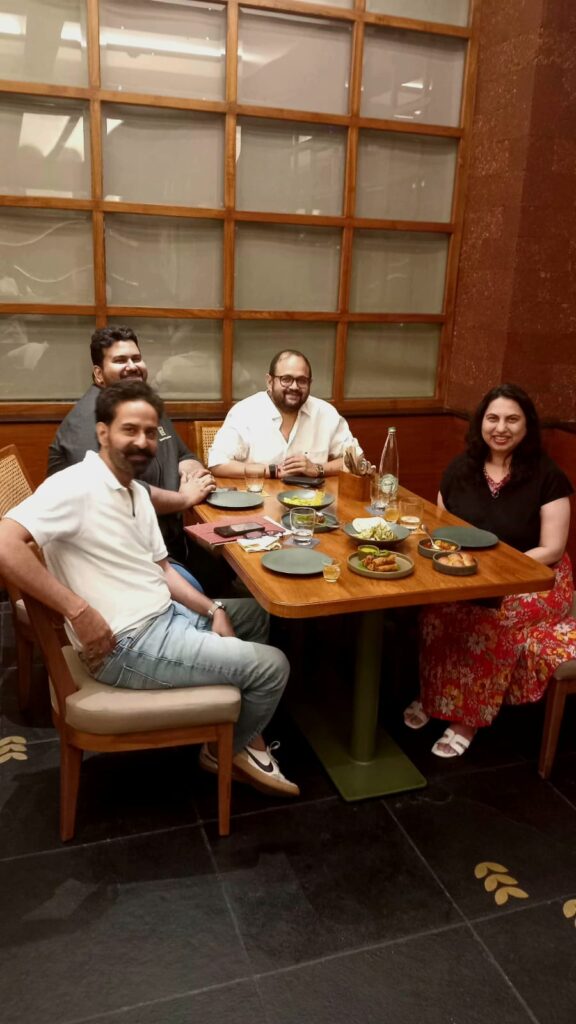
Jubilee Hills and its 300 new restaurants?
In 2024, the NRAI India Food Services Report, pegged Hyderabad as the sixth largest food services market in India with 74,807 restaurants (both in the organised and unorganised segments). It was placed behind Mumbai and Delhi-NCR as also Bangalore, Chennai and Pune. The report highlighted that the city spends second only to Delhi per person on restaurants, and projected a robust growth. In one year since that report, anecdotally, the boom in Hyderabad’s restaurants may have surpassed all expectations. “There must have been 200-300 restaurants that opened just around Jubilee Hill last year”, says Sampath Tummala, who owns The Spicy Venue with a legacy of more than a quarter century, and opened, last year, Theta Theta Telugu, a modern Telugu (food of the Telugu speaking community) restaurant that has been garnering attention from the close-knit restaurant community and HNI visitors to Hyderabad, including top industrialists.
Sampath’s father was one of the founders of the iconic Southern Spice restaurant in Hyderabad. I had dined there more than a decade ago, and found it had a clutch of authentic and exclusive Andhra dishes, including not just the kooras, igurus, pulusus but even the likes of the painstakingly-made uluvacharu, a rasam like broth made with reducing horsegram soup. Much of that regional nuance and detailing was inherited by The Spicy Venue, which is today the best Andhra/Telugu restaurant in Hyderabad in my opinion. Sampath clearly is one of the city’s most prominent restaurateurs. So when he estimates 300 restaurants may have opened up in Jubilee Hills alone, it is credible. Rents have grown crazily too — up 10-20 times in the last five years, Sampath estimates. A restaurant that may have been paying Rs 2 lakh a month in 2021 is now paying a whopping Rs 20 lakh!
Ashmeet Singh, who I have known since he was a 19-year-old hotel management student about a decade and half ago, and whose father owns another iconic Hyderabad restaurant called Sagar Papaji Ka Dhaba (it is the best north Indian in Hyderabad), echoes what Sampat says. “The rents have become crazy because many people are investing in restaurants without knowing anything, with the result, you find, the same restaurant has become another name after a year, as the first owners exit after burning their fingers. Yet, no one is learning any lesson, and people are going on investing. In fact, we now laugh that in Hyderabad, every business is a food business!” says Ashmeet.
From cafes and bars to national and international restaurant brands, with everyone vying for Hyderabad’s palate, and in fact some popular brands (such as the Magnolia Bakery) opening in the city first before going to other metros, Hyderabad is clearly a hot destination for restaurants and restaurant dining. That Hyderabadis spend so much on food, second only to Delhi is just one reason for this boom. The availability of capital with many HNIs investing, including filmstars and cricketers, is also a reason why homegrown restaurant brands are debuting here. Actor Naga Chaitanya and sports entrepreneur Varun Tripuraneni have for instance invested in the modern Asian delivery brand Shoyu with restaurateurs Akshay Quenim and Tanveer Kwatra. Shoyu debuted in Hyderabad before going to Bangalore and only recently to Delhi.
“In fact, people now want to come on holidays to Hyderabad just to eat at different restaurants, including national chains because somehow the city is still compact despite traffic and the culture here is friendly. You find everyone is eating all the time, even queuing up for chai as at Café Niloufer… and you can order anything on delivery apps whether it is at 5 am or 3 am,” Ashmeet tells me!
“Everyone eats all the time”— but, mostly Asian and South Indian!

In 2018 or 2019, I had a meal with Upasana Kamineni Konidela, vice chairperson of CSR of Apollo Hospitals and wife of Telugu superstar Ram Charan, at the then newly-opened Dumpukht at ITC Kohenur. This was for a column I was then writing. Kamineni-Konidela, a passionate Hyderabadi, had spoken not just about health food she was advocating, but also food on film sets, and of the biryani and haleem in friends’ homes. The picture of the city that emerged was of a tightly-knit community, where everyone knew everyone, and where everyone had a favourite biryani spot. Ikea had just about opened then, Hitech city had no traffic, tech migrants were still away, and the world had not been upended. Hyderabad was a genteel old soul of pail icecream, luqkhmi, Irani cafes. I still think wistfully of that. But that world has receded.
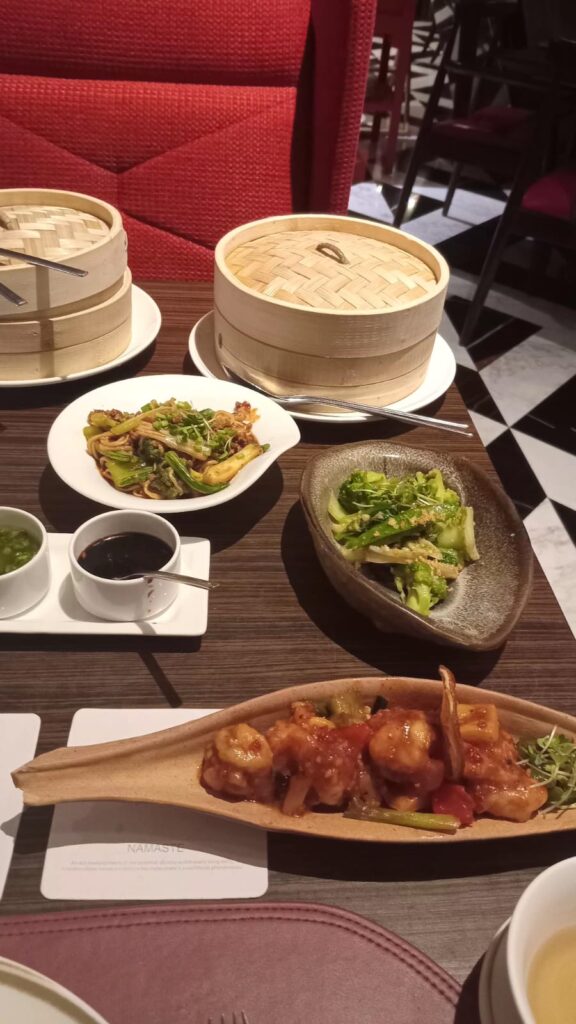
Tastes have changed with social media and travel-inspired urge towards the contemporary. Rich Hyderabad’s new appetite is not as much for haleem as for Chongquing chicken today. Pan Asian flavours are popular and a few upscale restaurants that have opened are doing well. When I meet the veteran chef Madhu Krishnan, ex-ITC hotels at Rohit’s party, it is over corn cakes, pork ribs and such from the Chinese menu of Barback (inspired by the Chinatown of Bangkok). Madhu, who is doing all sorts of interesting things such as getting an Indian team ready for the Olympics of the food world the Bocuse d Or held biannually in Lyon, also reccoed ITC Kohenur’s Yi Jing though I had already eaten there when the hotel had first launched. Incredibly, despite all the small plates I ate at Fireback that night, I still managed to check out Yi Jing’s hand pulled noodles, their speciality!
This internationalism is evident in other spaces. Manam Karkhana, a home-grown Hyderabad affair that has put Indian chocolate on the map, has emerged as a temple for food lovers. Its chic desserts and chocolate-touched drinks with jasmine tea and what not could be any where in any food capital of the world. It attracts now a fair number of gastro tourists as well, as was evident when I was stopped by a group for a picture, with the adult in the group recognising me from social media. The group came from different cities such as Amritsar and Bareilly with the children in it being heavily into cooking and even catering things like sushi from home!
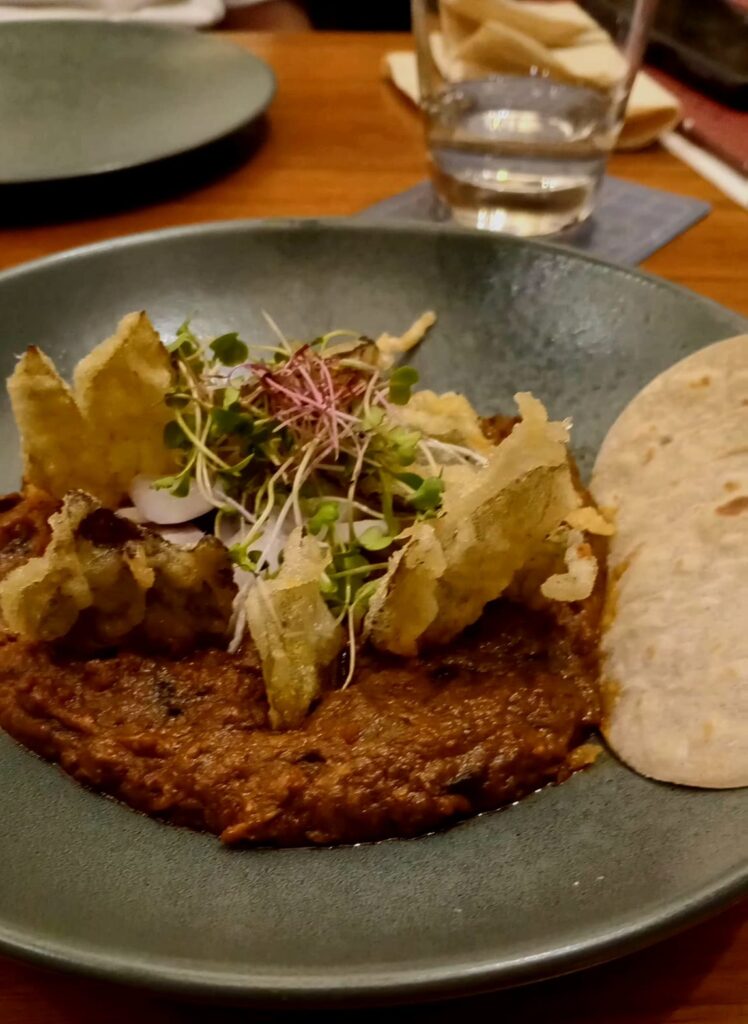
Yet, if you look closely, local flavours presented in nouvelle ways is Hyderabad’s hottest trend. During the food and drink packed weekend, I manage a visit to Theta Theta Telugu, whose chef Vignesh Ramachandran, was on TFTA’s Trailblazers list last year, voted for by other industry chefs. Ramchandran is doing some clever innovations backed by Sampath’s mastery over traditional flavours. Dishes like the Mudapappu hummus, chintapandu ghee prawns and a delectable baked milk halwa with espuma take broad Telugu flavours to compose food and presentations with internationalism. When Hosa opens next month, it will serve up rigorous South Indian micro regional dishes but with imaginative touches by brand chef Harish Rao, who has been cooking a line up of new Andhra inspired dishes too. I ate a few of these at a trial and liked quite a few.
Finally, a royal Hyderabadi supper club
But if you are looking to eat legit old Hyderabadi fare, I have an ultimate recco. I stumbled upon it quite by chance.
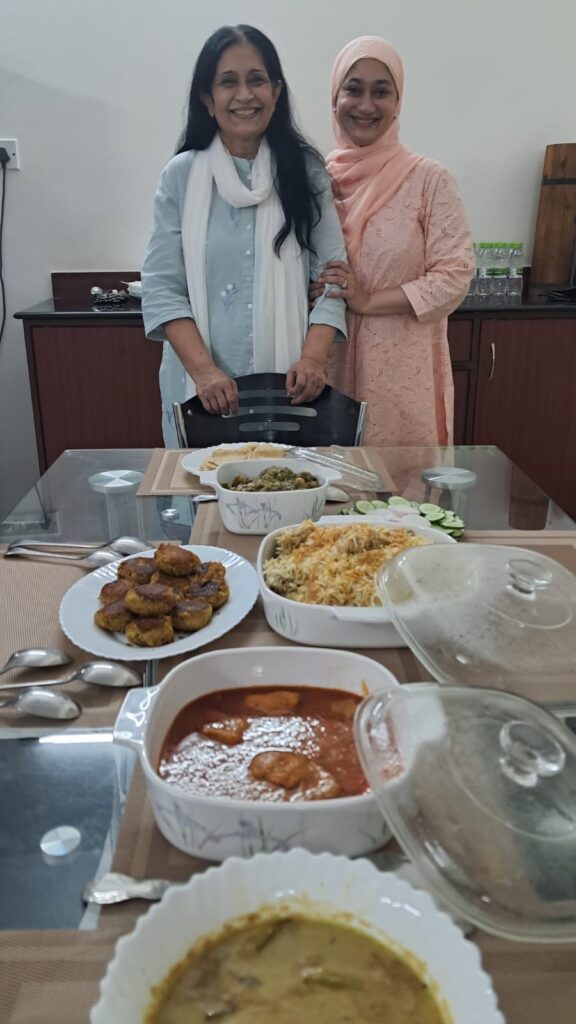
Kulsum Begum, Salar Jung III’s niece, used to be a chef with ITC Hotels and then The Leela. I had lost touch with her about a decade ago. But sitting in the plane, taking off for Hyderabad, I dropped her a message. Turns out that having hung up her apron at the hotels, she and her daughter Maliha are now starting a supper club. They graciously invited me to lunch, and I in turn invited two chefs (David Thompson and Akshraj Jodha, the country’s top Rajasthani food specialist) and Rohit Khattar to come along. A delicious meal ensued with lots of conversation and sheekampur kebab, a lightly done kachchi biryani, mirchi ka saalan and some stunning gosht ka halwa. This food is part of Hyderabad’s disappearing Asaf Jahi repertoire. And this kind of Hyderabadi finesse is rare. So, as the city contemporarises, I am glad, a new yet old “experience” has also opened up.k