Dubai’s new luxury dining is about culture, not flash

A slew of new indie and chef-led restaurants built around cultures and memories of homes are the most sought-after Dubai dining experiences now. This is in sync with how luxury consumption is moving globally— when hot reservations no longer connote exclusivity; instead, experiences that showcase the authentic, the analogue and the craft are defining upscale restaurant dining
By Anoothi Vishal
It is a bright day in February. A week or so before the war will start and disrupt our times.
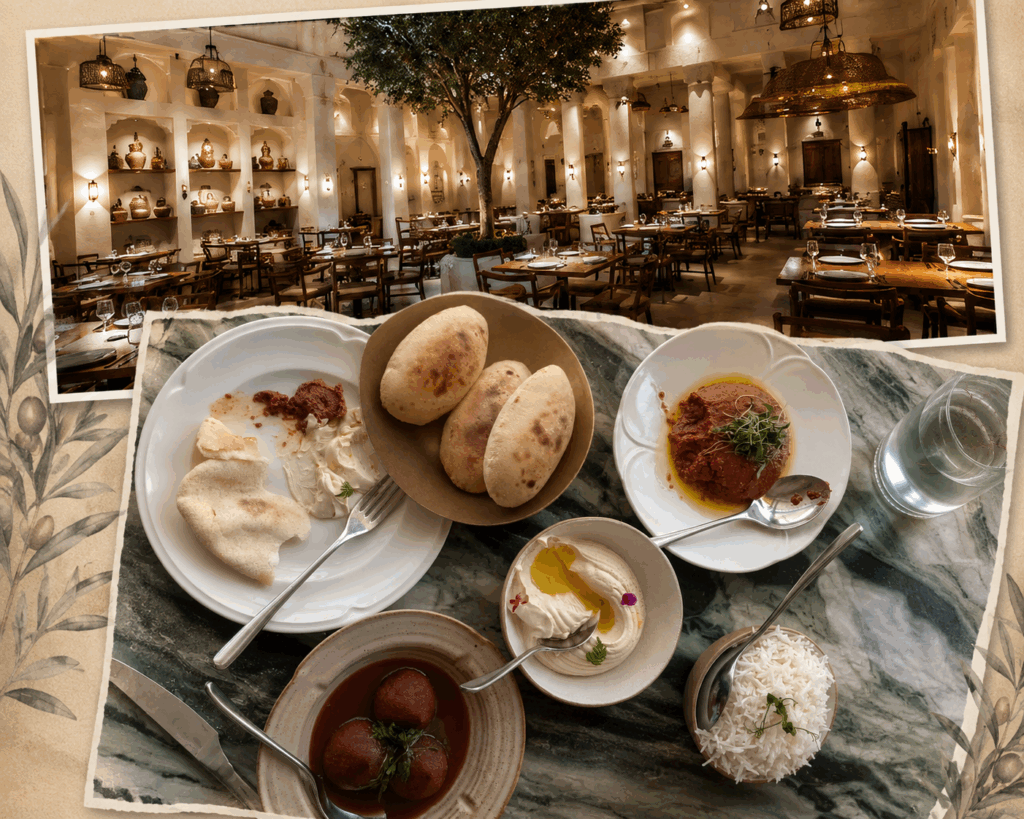
Dubai is busy, windy, pleasant in the mid-day sun. I am entering a rather peaceful precincts of Sufret Maryam, a restaurant designed like an intimate, beautiful home, filled with bric-a-brac. This is at Wasl 51, Jumeirah, the quiet neighbourhood that has become Dubai’s latest “with it” food destination— in the last three or so years, with many of the city’s best chef-led independent restaurants opening here. I look out of the large windows at a quiet, tree-lined avenue, and then begin what will become one of my most satisfying meals in a 25-plus year-old professional eating-out and writing-in life!
Maryam’s the kind of food you don’t forget.
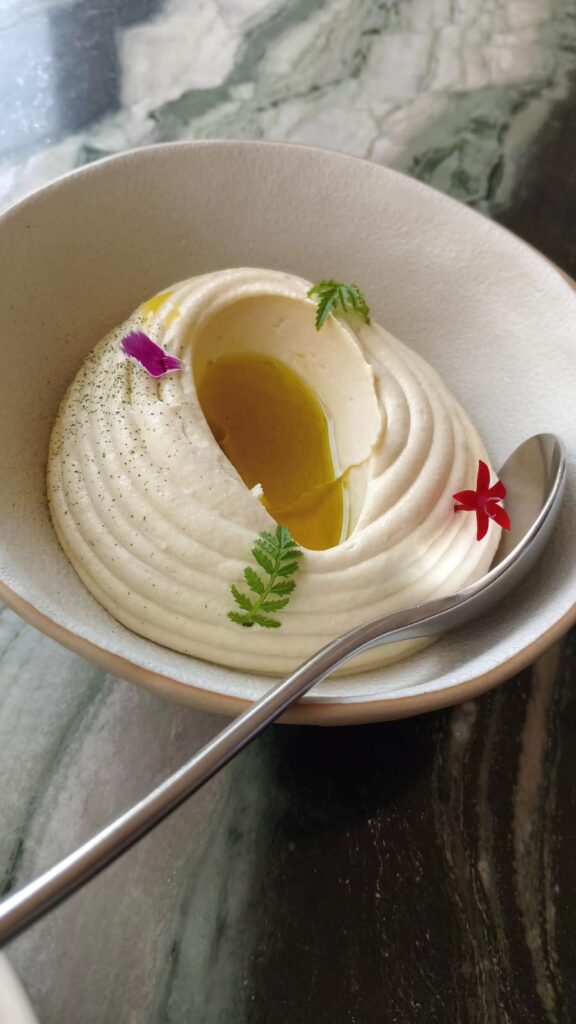
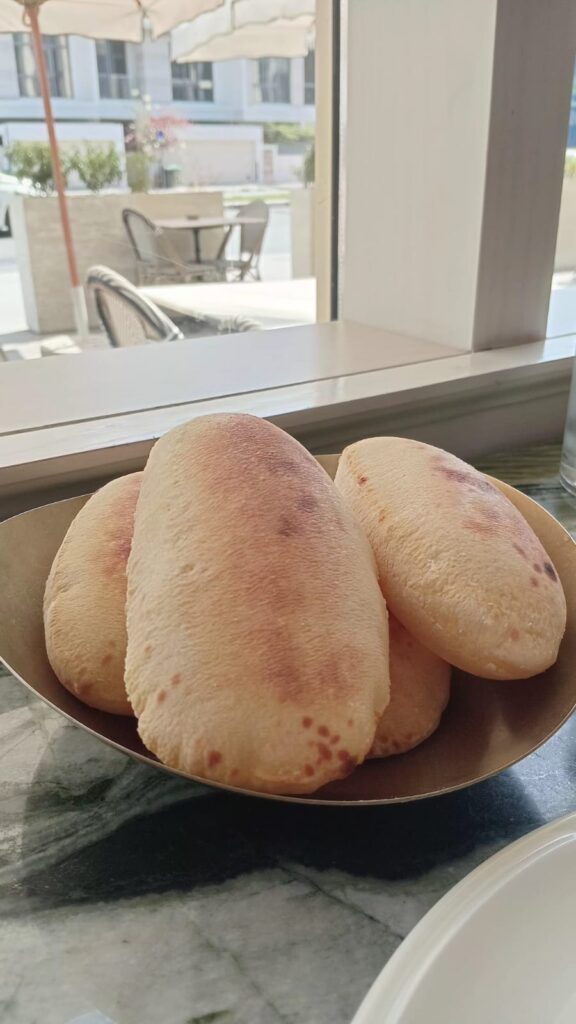
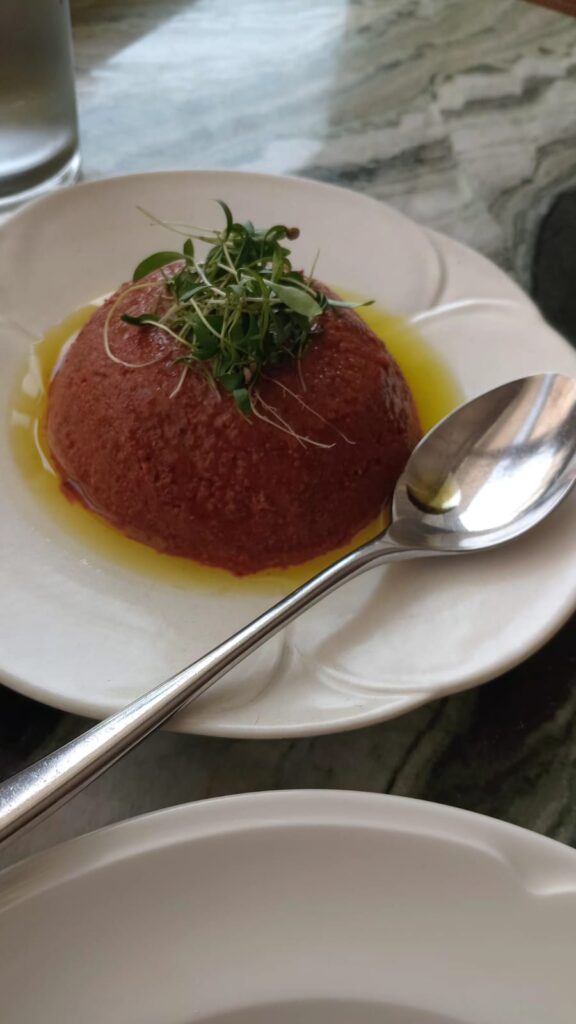
Even now, half-a-year past, I can see and taste it in my mind. The khobez al bait, bread of the house, is fluffed up, but crusted, football-sized, made with an 18-hour fermented sourdough that you can taste. The cold mezze that I order includes a luscious hummus with a deep, deep well of olive oil from the Levant, and a muhmmara rich and smoky with the taste of roasted red peppers that the Columbian Exchange brought to the region in the 16th century, as also one of the restaurant’s most celebrated hot dishes, the kubbet Maryam, kibbeh in a pomegranate sauce, making stunning use of the ingredient so central in symbolism and taste to the Arab world.
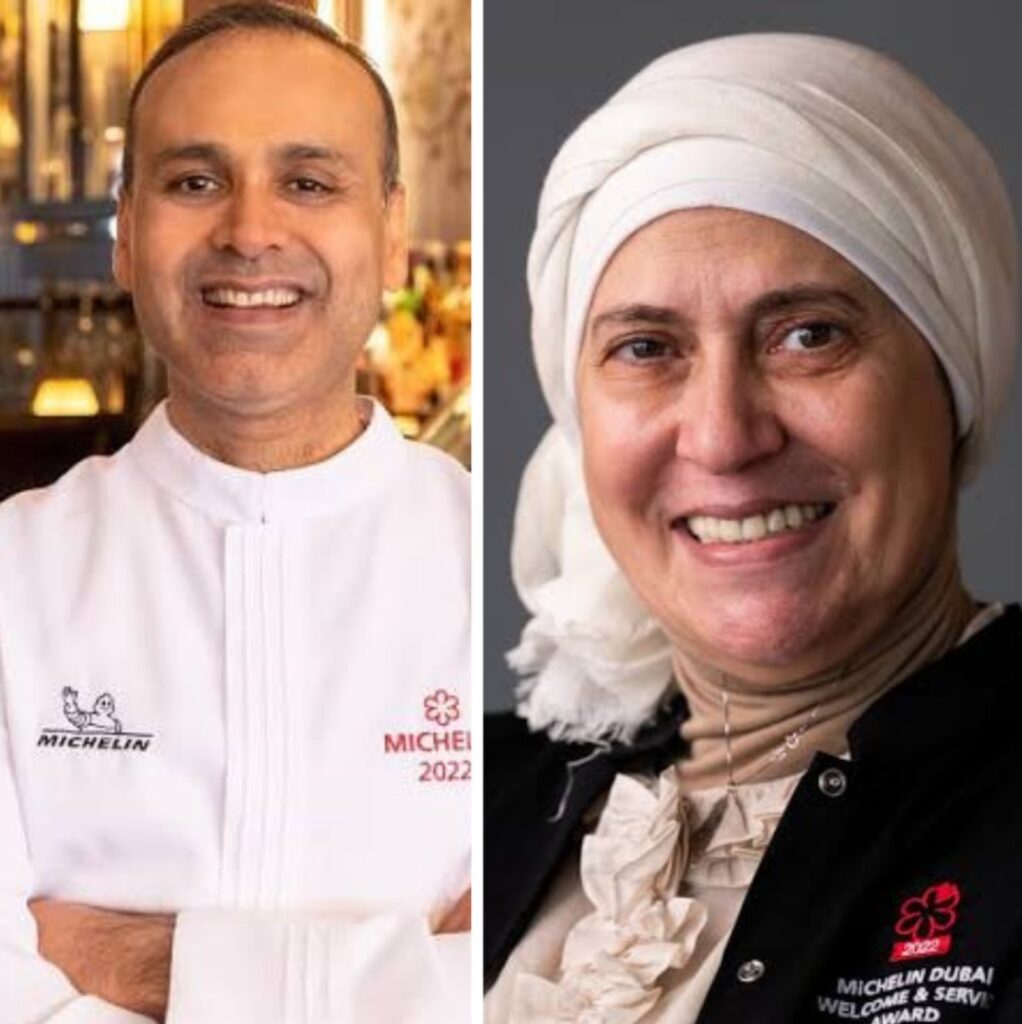
The recipe, I am told, is personal. Borrowed from how Chef Salam Dakkak’s mother cooked, Salam is one of the Middle-East’s most celebrated female chefs today—her two restaurants in Dubai, Bait Maryam (Maryam’s home) and Sufret Maryam (Maryam’s dining table), both named after her mother, have become Dubai’s most talked-about since 2023, when Bait Maryam first opened with an aim to bring back to gourmet tables the food legacy of her region and family. And while in Dubai, as all over in the Middle East, mezzes are abundant, you have to eat here, at Salam’s table and restaurant, to realise how refined and nuanced long personal histories of tastes can be.
This is cooking obviously done with great care. With high quality ingredients from the Fertile Crescent and with precision that elevates the familiar to the truly luxe; in turn, this is exactly the kind of food that you, the diner, care about.
It is not something loud and forgettable, a borrowed idea, imitating “cool” from elsewhere. But something with more meaning: a story of a culture and family cooked without too much fiddling around and that dreaded word “innovation”. This is exactly the kind of luxury dining we may now be increasingly gravitating to. Not the spectacle, but the meaningful. Food with depth and the weight of emotion, forged for a world riddled with uncertainties, with the overhanging cloud of machines mimicking the human. In this world, emotion is luxury’s currency. What Chat GPT cannot create (yet) is depth. Its images, writings and narratives are flattened, pretty without meaning. In luxury food, this is exactly what we may be unconsciously avoiding: vacuous prettiness, flat tastes. We are seeking perhaps more humane-ness, a sense of long living, of feelings and attachments that food must evoke to be special and resonant.
At Sufret Maryam, I feel it. That generosity and heritage and living. And that is why it is a magical meal. One bright afternoon, one solo woman, looking out of a window as the service staff respects the silence, with attentiveness not performance. It’s a moment in time that glimmers and hangs like a jewel to look back at.
For years, Dubai was that flashy megapolis with multiple nationalities who liked to live the glam but didn’t quite bring their home here. The impression was of big and bling but often little personality — opulent Italian, chic French, a confluence of Asian, nightlife, cafes, and the world’s top chefs opening outposts with a view to maximising revenue.
Post Covid, there has been a paradigm shift. As Dubai has made efforts to champion “authenticity” and emerge as a serious centre for MENA (Middle East North Africa) art, fashion, design and more, this increasing cultural gravitas is now being echoed by the city’s restaurants too. It’s no longer only the glitzy, but equally and perhaps more the indie, chef-led and slow that are crafting a foodscape that goes much beyond the idea of food as entertainment—a very Gen X and older millennial idea.
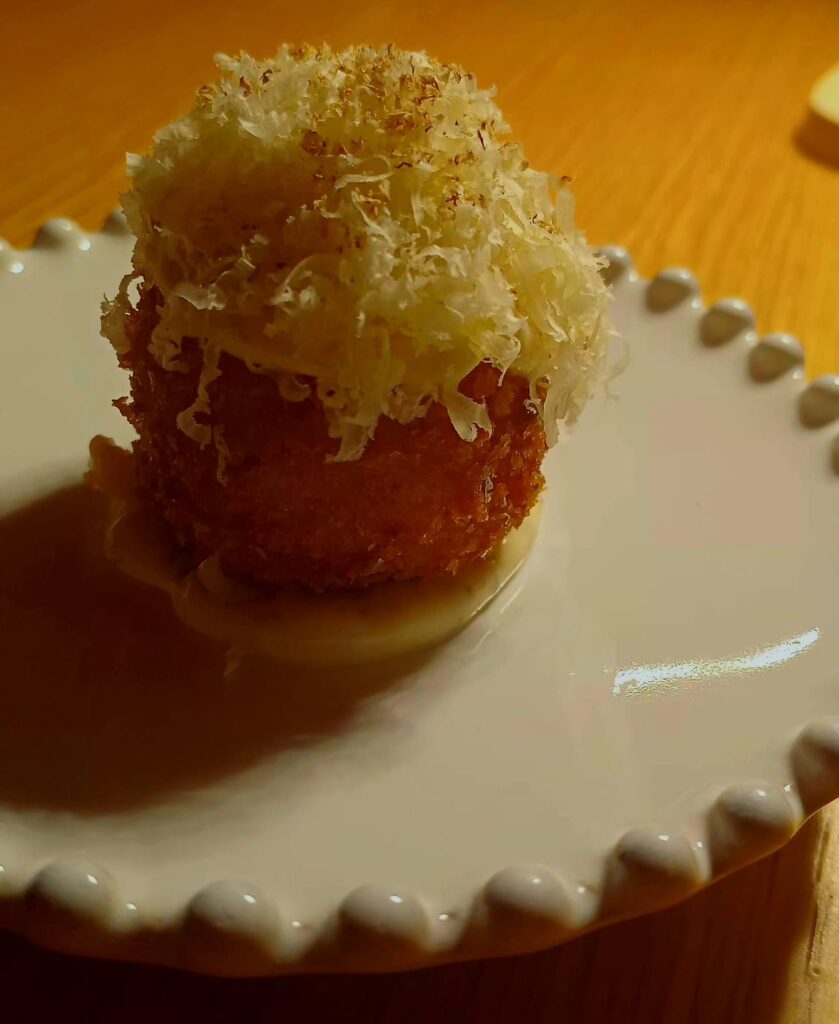
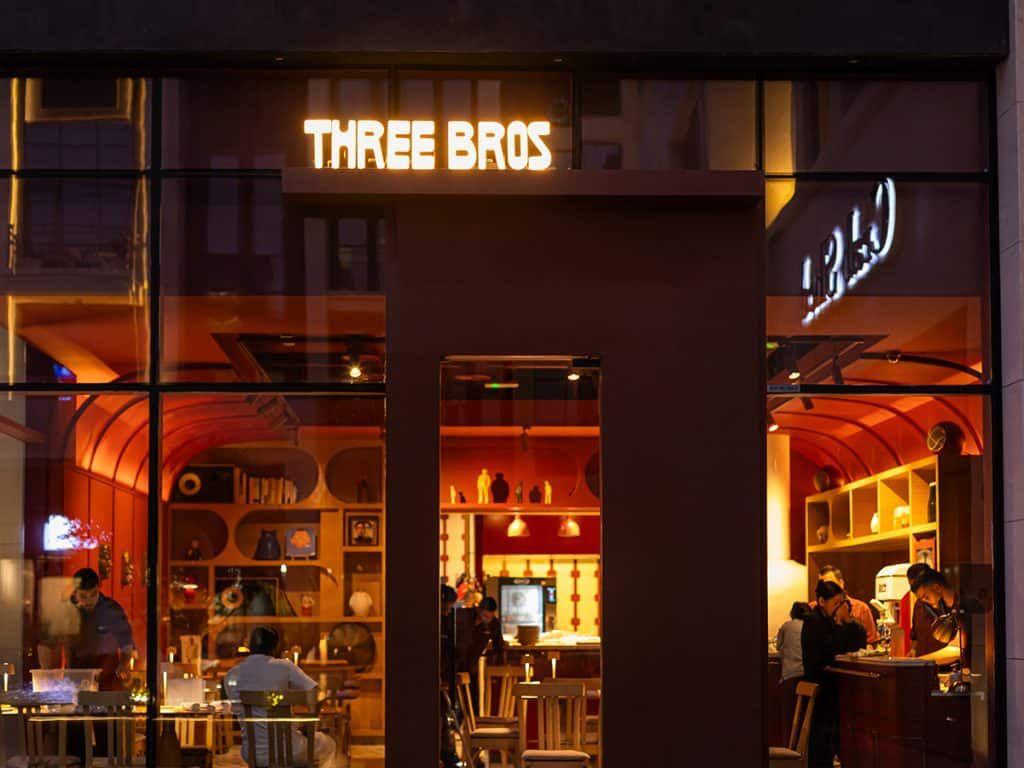
Near Sufret Maryam, also at Wasl 51, is the famous Orfali Bros, the fine-dining restaurant by the three Syrian brothers from Aleppo, Mohammad, Wasim and Omar, who kickstarted this whole culturally-rooted upscale dining renaissance in Dubai. When I had visited the city prior to this visit in 2023, Orfali Bros was being spoken about in hushed tones by the close-knit chef community of Dubai as an under-the-radar place to check out (it had opened in 2021). Since then, the restaurant has had a meteoric rise, winning many top awards, including being ranked in the top 50 on the World’s 50 Best list and Michelin recognition. While this “OG” serves contemporary Arabic-Mediterranean food, its more recent, casual-but-fine brother restaurant, Three Bros, that stands opposite also in the same complex, is what you should check out for an extraordinary, fun meal using influences from all over the world aka what is locally called “Dubai cuisine” to turn out food that is unique, personal and delicious. There are Spanish, Japanese and Arabic dishes played around with great precision by the classical French trained chefs with a Syrian heritage. This is the kind of favourite dishes you may turn out if you are 1. a very skilled chef 2. with access to very high-quality ingredients and 3. With a globally exposed palate.
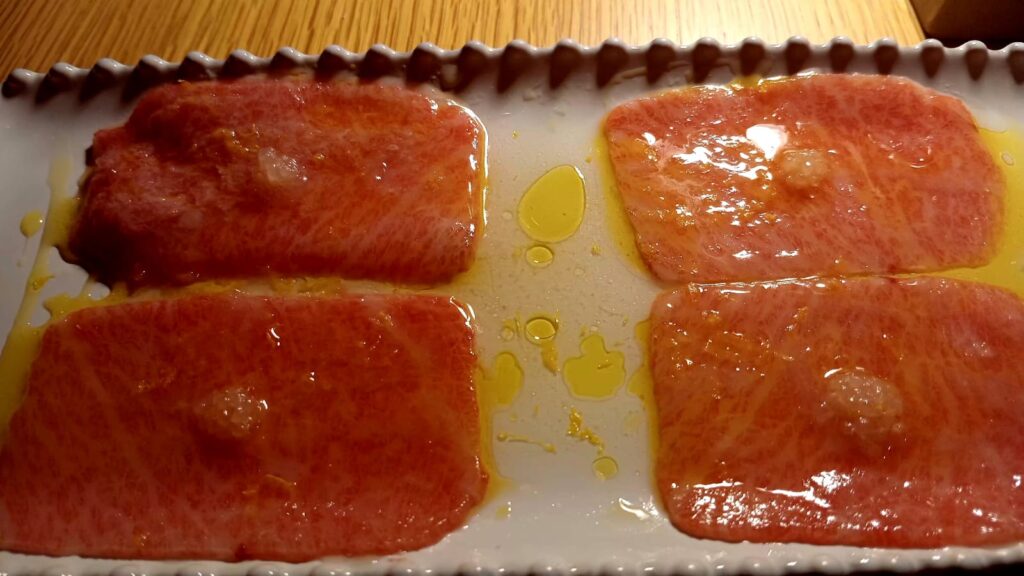
I eat on the thinnest fattiest slices of o toro, served with the OB garum (one of the oldest sauces with fermented fish from the Mediterranean), the delightful potato au caviar that sets a new standard for decadent tapas, a morel chawanmushi and many similar constructions that elevate globally loved dishes with unusual combinations, and a high level of skill. I can’t think of any similar place in India doing this level of inventiveness that feels most unstudied and casual and yet decadent. The restaurant has a neighbourhood vibe and you don’t have to dress up for it.
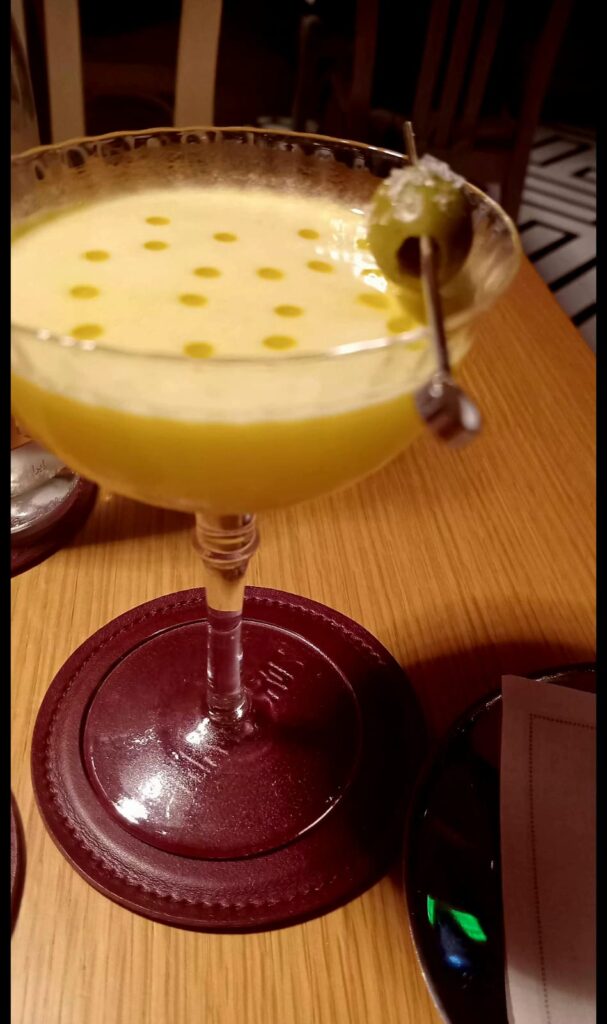
Part of this culturally rooted but sophisticated restaurant paradigm in Dubai are also Tres Ind Studio where Himanshu Saini has been creating his own kind of Indian food that is true to its regional spicing despite the innovations, and, Samyukta Nair’s Jamavar, where chef Surendra Mohan cooks deep Indian flavours from affluent traditions of hospitality with all their inherent maximalism, and uses the kind of high quality ingredients that are easier to access in Dubai. These are the kind of restaurants that will lead luxury globally as we enter a phase of eating out where we seek the non-ordinary and the non-facile but done with both depth and flair!three