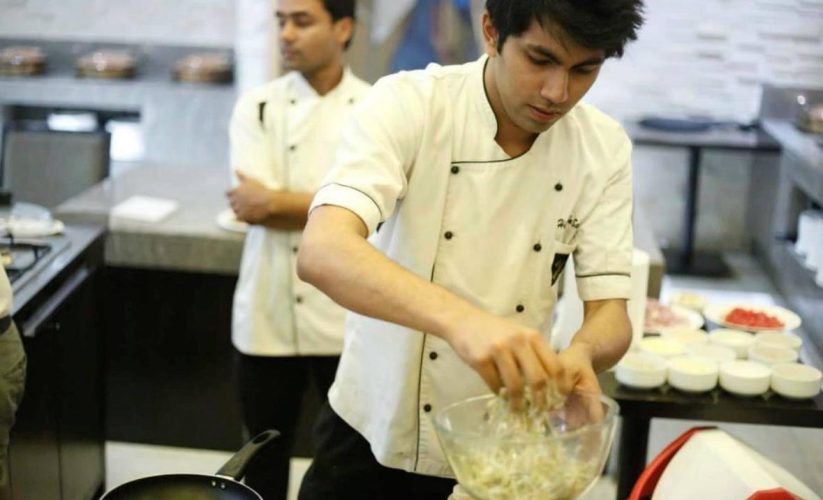
A watershed moment for elevated Indian cuisine?

There are just 170 Michelin-mentioned-and-rated Indian food restaurants globally. For one of the great cuisines of the world, the number could be a lot more. Will TresInd Studio’s 3 stars usher in a whole new era of high quality chef led restaurants?
By Anoothi Vishal
A little internet search tells you that there are 170 India restaurants all over the world which are mentioned and rated by the prestigious Michelin guide. This compares to 2,666 Italian restaurants, 1,488 French, 1, 162 Japanese and even 459 British food restaurants recognized by the Guide globally.
Of the Indian restaurants that find a place on the Guide, there are 95 “selected restaurants” (for good cooking), 52 are bib gourmand, listed for good quality and value cooking. Among the stars, there are 19 one Michelin Star restaurants devoted to Indian food, just 3 with two stars each (Gaa, Bangkok; Gymkhana, London and Opheem in Birmingham) which are awarded for “excellent cooking”.
And there is just one Indian restaurant, recently anointed, anywhere in the world with 3 Stars— given to “exceptional cuisine”. For one of the world’s most complex and great cuisines, this is a rather low score on a guide widely looked up to by chefs, restaurants and foodies alike.
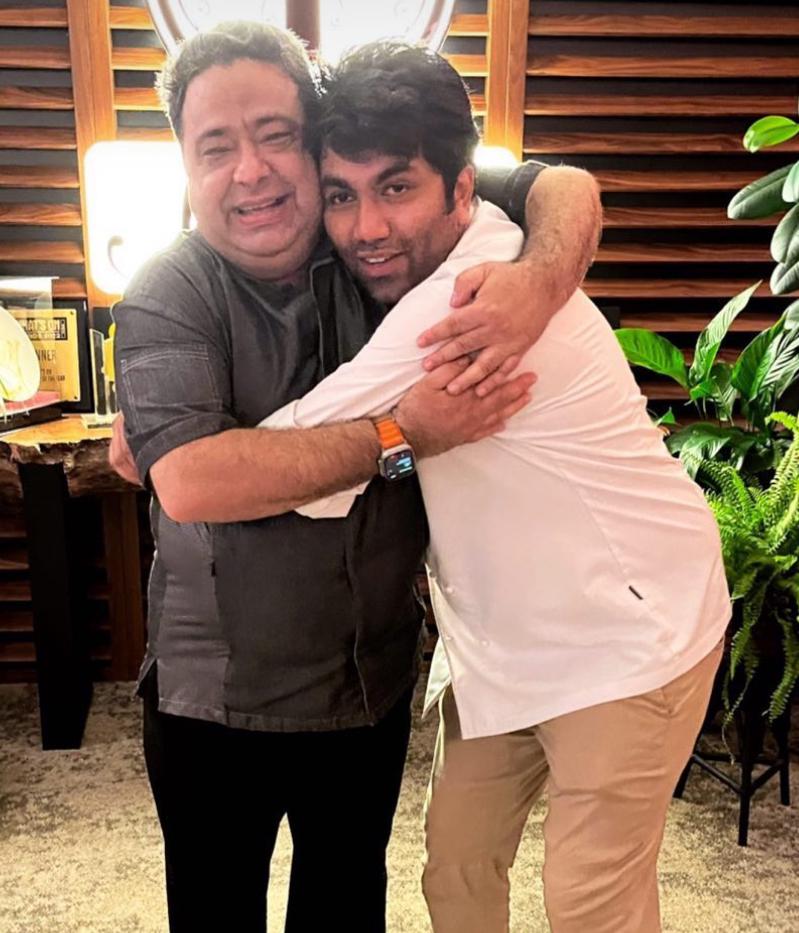 By now, we all know that TresInd Studio under its young chef Himanshu Saini has bagged the singular honour of becoming the only Indian 3 star Michelin restaurant in the world.
Three Star are doled out relatively infrequently and it therefore is a big deal not just for the chef and the restaurant, but for Indian cuisine over all. Will this be a watershed moment for Indian gastronomy globally? Catapulting the entire space in the same way that Japanese, French and Italian, and now Peruvian and Thai are increasingly regarded, drawing not just top spends but creating an eco system where high quality restaurants are facilitated and encouraged, helmed by inventive chefs who have something to say—via their plates?
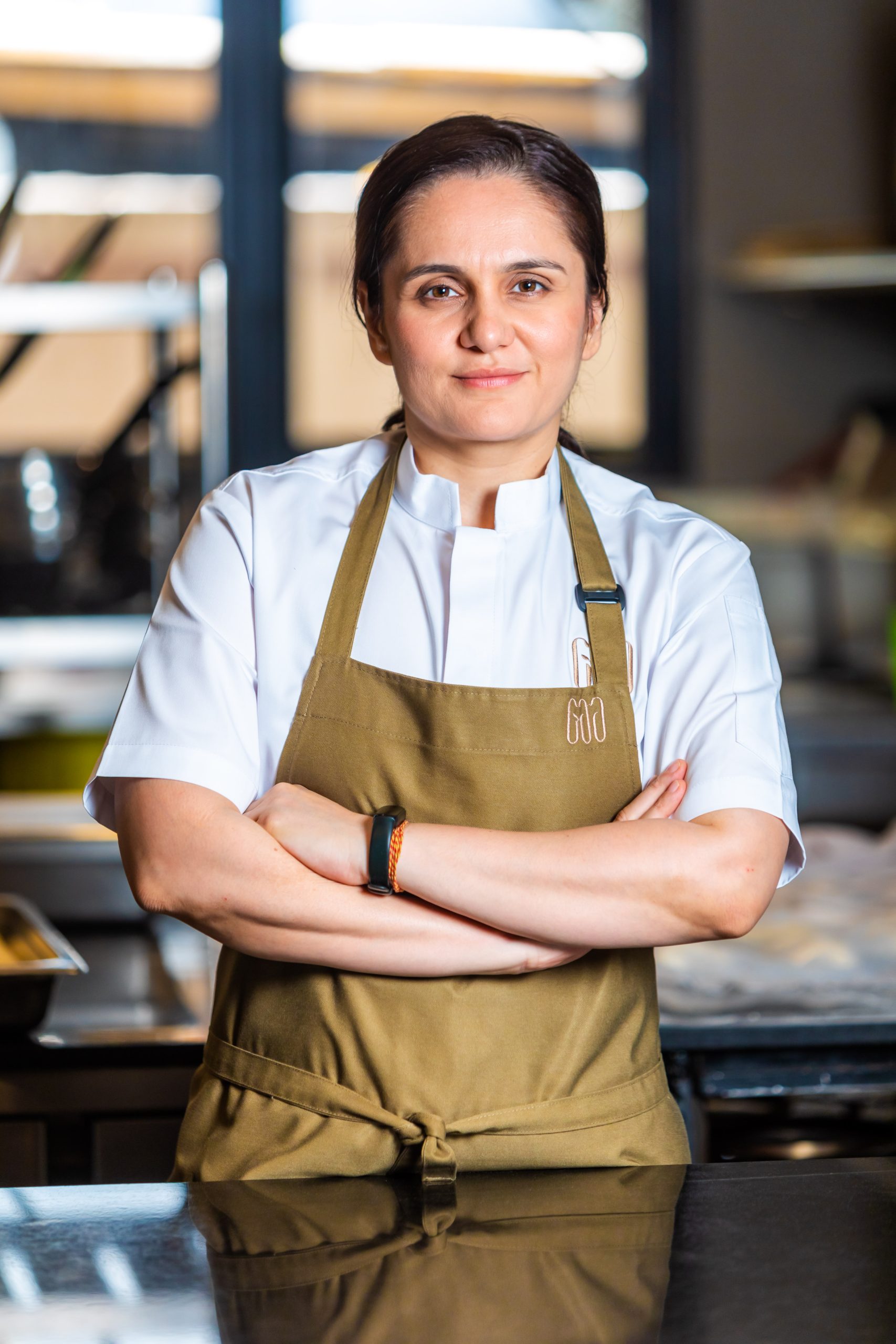 I spoke to a few chefs at the top of their game internationally and all concur that a decisive moment for Indian gastronomy not just abroad but in India too, where diners are increasingly patronizing quality experiences, has been reached. Agreeing to the fact that Indian cuisine is finally being recognized as a highly nuanced food culture “beyond the naans and the curries”, chef Garima Arora of Gaa, Bangkok, feels that “this is just the beginning of what is going to be an amazing decade ahead” for Indian restaurants and food because there is a growing understanding of how “nuanced, delicate, loaded with history, and cultural references” it is. This arsenal that Indian cooks have of an old cuisine, flavours, spices, vegetarianism, means that it is easy to lean into memories and because “it is an old cuisine, steeped in knowledge, it also finds relevance with diners who may be from other parts of the world,” Garima believes.
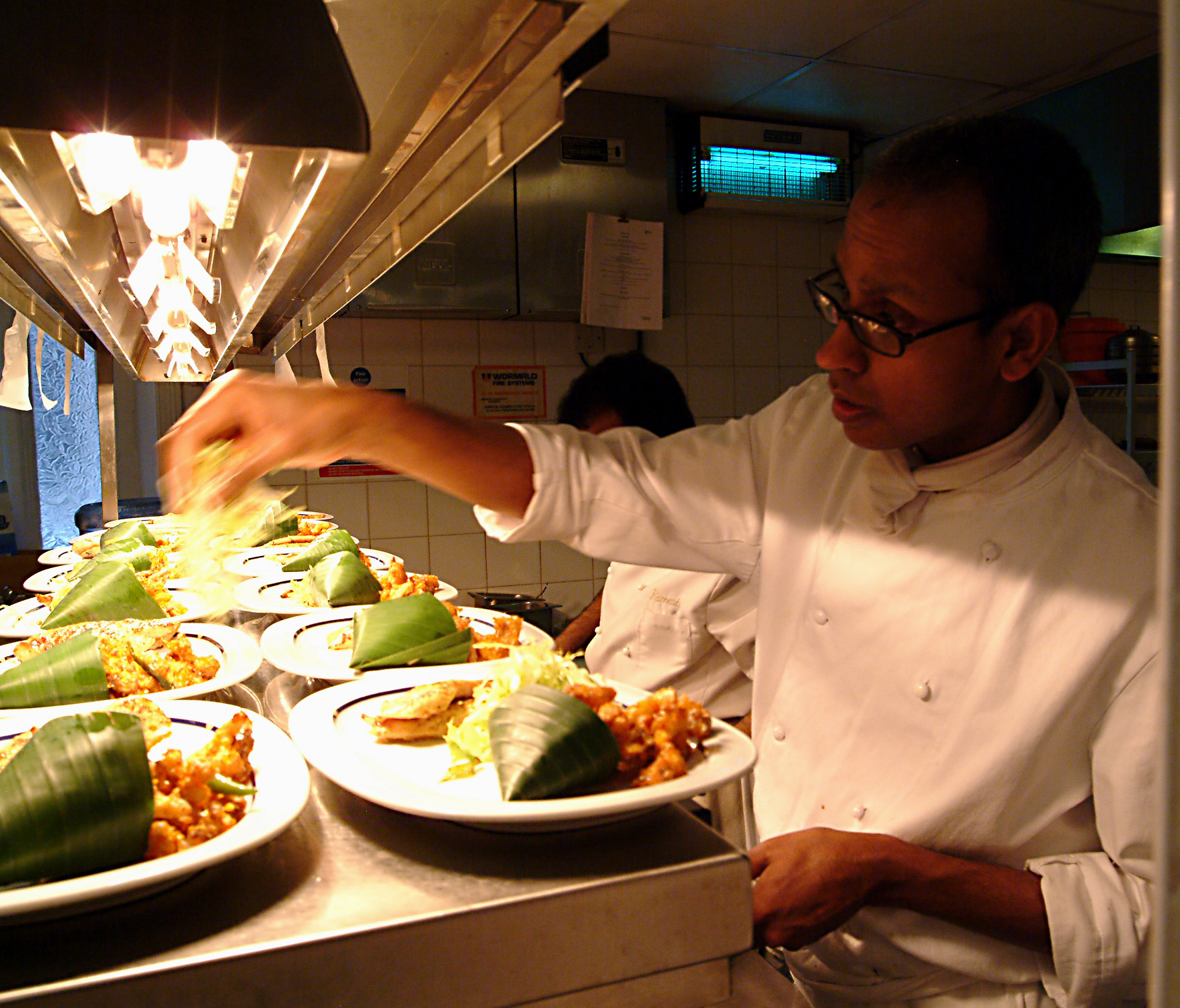 The veteran Chef Sriram Aylur, who helms the fantastic Quilon in London, a restaurant that specializes in western Indian coastal food and has retained its one star continuously from 2008, points out that while Indian restaurants arrived “late to the party” and have been creating high quality dining experiences (in global centres of gastronomy such as London, with a long history of Indian food, albeit as curry houses) only in the last 20-25 years, younger chefs like Himanshu Saini and Garima Arora are leading the charge when it comes to delving deep into regional dishes and then interpreting these for a global (and Indian) audience.
“Indian food is right at the crossroads and in the next five years you will see it really take off in an elevated format everywhere. Look at New York, for years, we thought that’s a very underdeveloped market for Indian food with little understanding, but look at how it has taken off in the last five or six years with great restaurants. Dubai is poised at a similar inflexion point, it is going to be the world’s centre of food, and with chefs like Himashu, and other Indian restaurants headed there, Indian cuisine which is our premier soft power is going to be big,” Aylur says.
Recognitions such as Michelin are important, he adds, because it creates an entire environment where young chefs are encouraged to create better quality, and diners too get an ecosystem of elevated experiences. “But young chefs have to also understand that any one who is creative, their world is very small. You cannot be on social media and think the world is your stage, instead, you need to keep honing your craft in your little kitchen and restaurant which are very demanding, and speak to people who come there to evolve.”
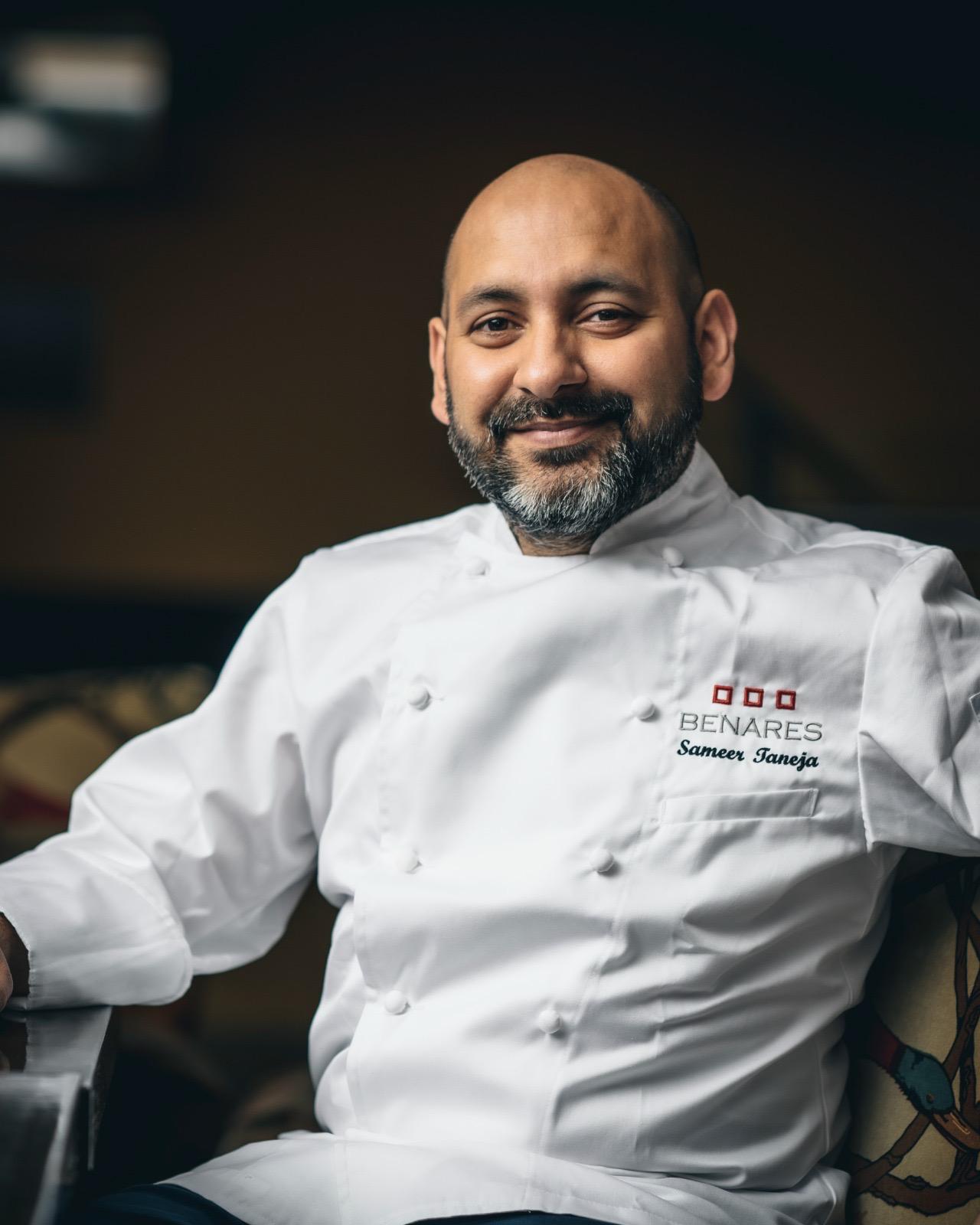 Chef Sameer Taneja of Benares, also a one Michelin Star restaurant in London, says that diners today don’t want to settle for curry and naan any more, instead they know the difference in flavours between different states, as also different community based cuisines such as Bohri, Marwari, Kashmiri Pandit. “The challenge for chefs is to maintain familiar tastes while also introducing new ideas, techniques and interpretations”.
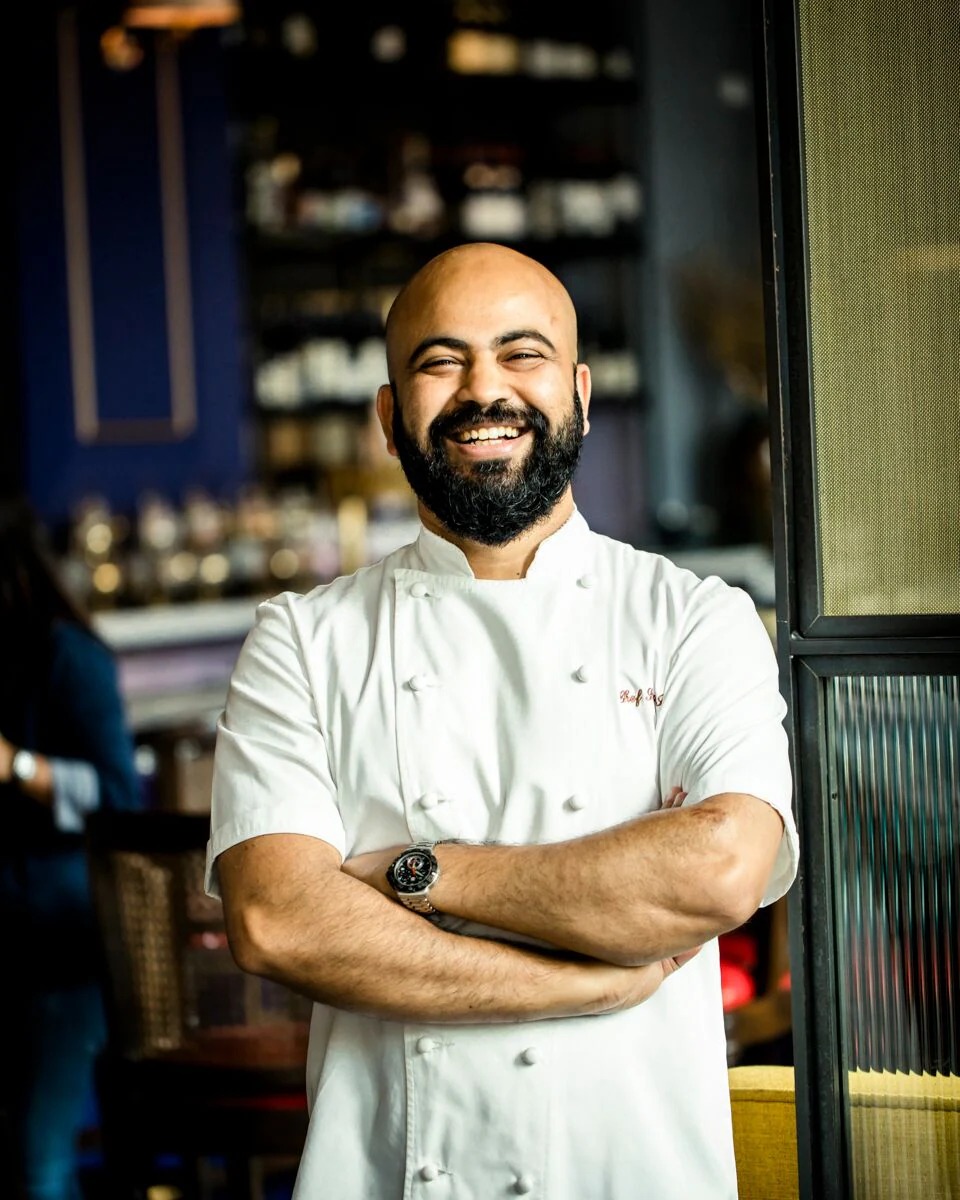 Meanwhile, chef Sujan Sarkar of Indienne, one of the only four 1 Michelin star Indian restaurants in the US says that while consumers are more open and ready to pay more for tasting menus and elevated dining experiences—a far cry from the cheap and hot curry days—it is for the chefs to cultivate rigour in their creativity. Layered regional dishes which are often very complex as well as cooking techniques that require a high level of skill require patient learning and in this day of instant fame, the temptation is always there to take shortcuts.
But to create something truly world class, a chef needs to embark on a long journey of learning—something that chef Himanshu Saini will agree with too, having often talked about the evolution in his own understanding of the philosophy of Indian spicing.