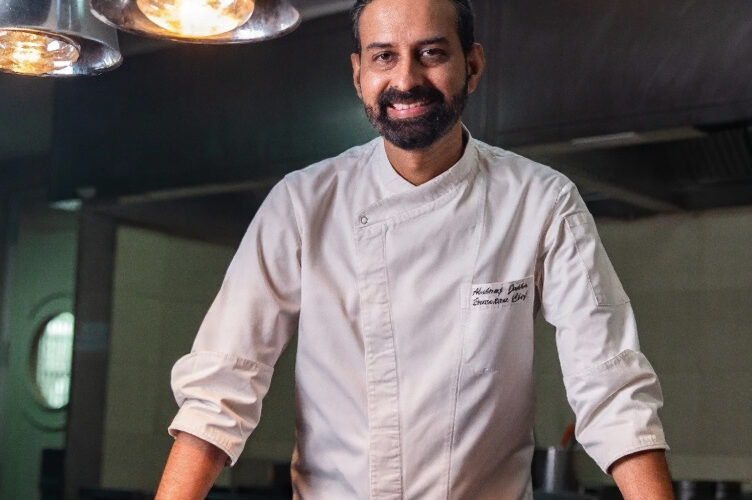
At The Akheraj Deolia table

FTAlmanac
- May 19, 2026
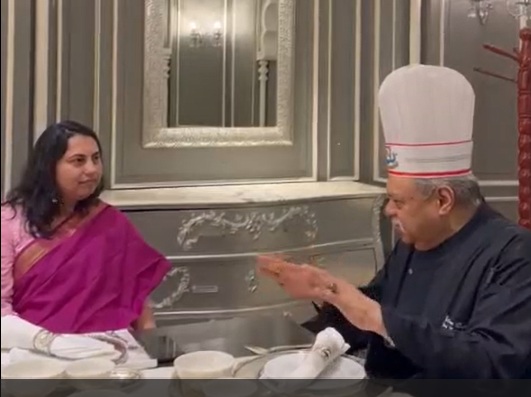
Chef Akshraj Jodha, scion of a royal Rajput family from a historic istemdari near Ajmer, is India’s top chef when it comes to heritage Rajput dishes. He cooked up his signature Junglee Maans, Khad Khargosh and Bafla Bati at a recent pop up in Dallas, at Jashan, as global diners enjoyed stories of food, valour and a legacy going back more than 500 years
By Akshraj Jodha
The rugged landscapes of Rajasthan recently found an echo in the sun-drenched plains of north Dallas, as I hosted a pop-up featuring the heritage cuisine of Akheraj Deolia, the thikana my ancestors have been the custodians of for 500 years. Summer in Dallas with temperatures getting to 50°C mimic the arid heat of my ancestral home but if you are wondering how the powerful, robust heritage dishes of the Rajputs would have been received by a global audience, you may be surprised to know that the diners who came in to Jashan, the restaurant that collaborated with me for the pop up, were curious and receptive to learning about a food culture that has evolved in the Thar over centuries of valour and hardship. As I showed them the traditional way in which to eat janglee maas or served up my speciality, the khad khargosh, people paid attention, listened and then savoured. Dallas also has a big Rajasthani community; Rajput and Marwari expats, who all came too for flavours of home.
But first, where is Akheraj Deolia, you may ask?
This is a historic hamlet near Ajmer, established in the early 16th Century by Rao Akheraj, the great-grandson of Rao Chandrasen Maharaja of Jodhpur. Known geographically as Merwar, situated between the powerful kingdoms of Mewar and Marwar, the region acts as a culinary bridge between the two. The family’s history is one of valour and prestige. Rao Akheraj famously fought alongside his brother at the Battle of Singhad (Kondana) in 1670. As one of the 16 Istemdari (noble estates) that reported directly to the central ruling power of India, the estate holds immense historical value evidenced by family documents signed by the Viceroy and Governor-General of India on behalf of Queen Victoria.
Kashmiri and Gujarati influences in the cuisine
When it comes to cuisine, Akheraj Deolia’s is not a monolithic tradition. It is a tapestry woven through friendship and marriage. My great-grandfather, Rao Saheb Surajbhan Singh Ji, an alumnus of Mayo College, shared a deep bond with Maharaja Hari Singh Ji of Kashmir. During school breaks, Hari Singh ji would often stay at Deolia and brought his royal cooks along with him. This introduced dishes like Gosht Yakhni into our local repertoire. Then, there is the Gujarati touch. My grandmother Rani Saheba Kirti Kumari of the Dhrangdhra Royal Family brought the subtle sweetness of Gujarat to our table, notably seen in our Meethi Kadhi.
The Shikar Table: Signature Highlights
Rajput cuisine like ours had many game recipes, a throwback to the old days of shikar. Today, some of these recipes have been modified given changing times and the ban on shikar in India. Abroad, with different meats available, we have the option to cook some heritage dishes. But to ensure authenticity, I personally supervise butchery, ensuring that even goat meat is cut to precise “shikar” specifications. Here are some of the dishes that we served in Dallas.
Khad Khargosh (Shikar Style)
A magnificent relic of Rajput hunting heritage. Traditionally a rabbit is marinated, wrapped in ghee-soaked bread and jungle leaves, encased in jute and buried in a Khad (deep pit) filled with charcoal. To recreate this in Dallas, we utilized a large kitchen vessel filled with pre-heated mud and live charcoal. The result was so tender and flavourful that Jashan has added it to their permanent menu (available with 24 hours’ notice).
Junglee Maans
The ultimate testament to survivalist cooking. This dish uses only four ingredients meat, ghee, salt and dried whole chillies. No water is used the meat braises in its own juices and fat a technique originally designed to prevent spoilage during long hunts.
Maans Ki Bootein
A sophisticated two-stage preparation. Mutton chunks are first slow-cooked in a handi (clay pot) to achieve a rustic sear then finished on dum (sealed steam cooking) to ensure the smoky essence penetrates deep into the fibres.
Baafla Baati (Hadoti Influence)
Unlike the standard baked Baati these are first boiled and then baked resulting in a lighter, softer texture. This specific style entered our family kitchen through my mother’s roots in the Hadoti/Kota region.