From Russia, with love

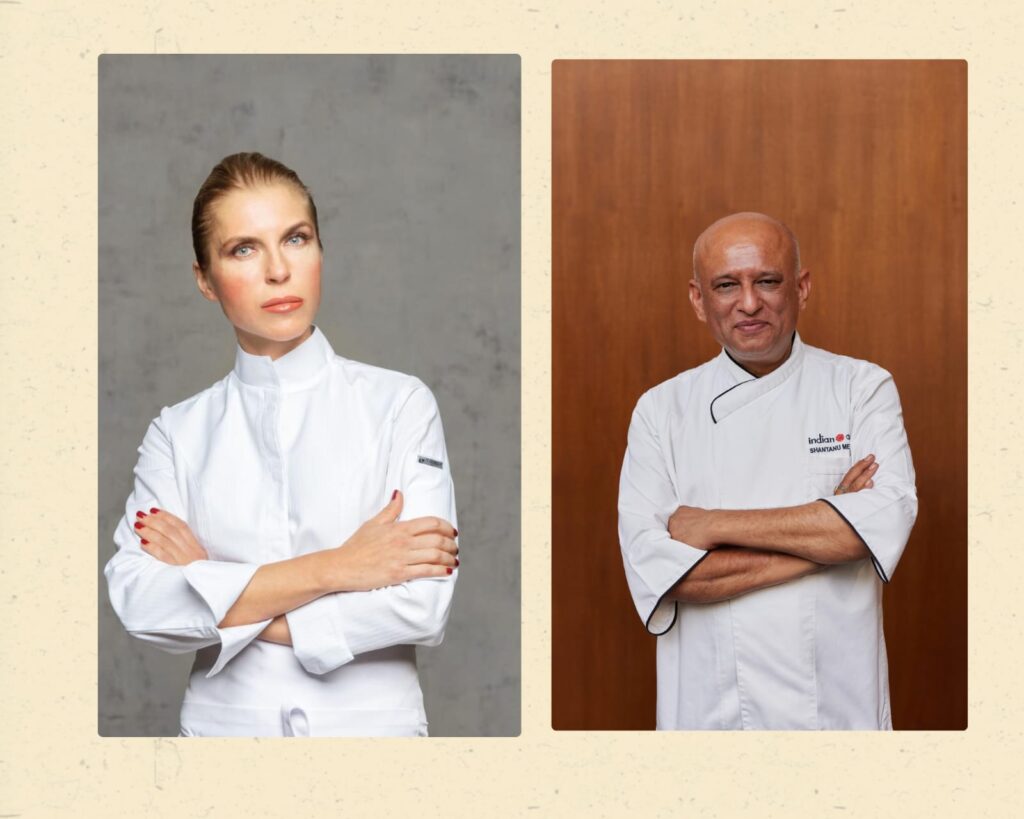
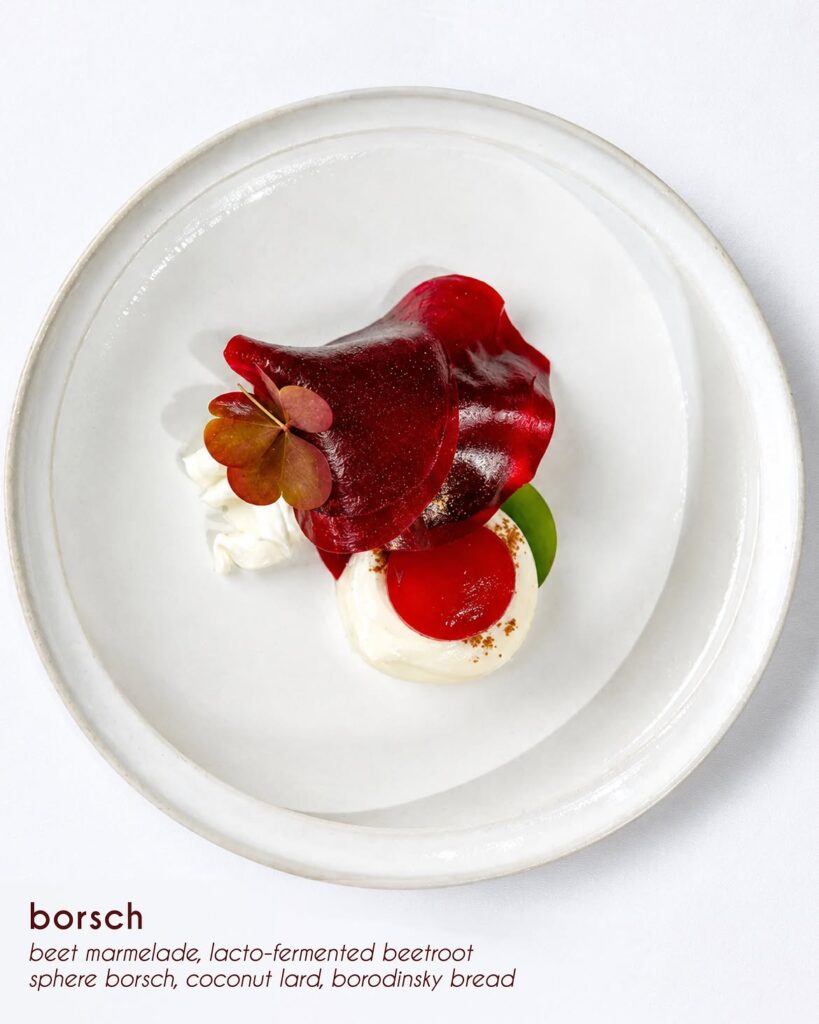
A focus on local luxury ingredients—from Siberian to those of the Steppes and the Far East—and an imaginative reworking of old pre-Soviet dishes via new techniques and global exchanges is driving Russia’s new gastronomic “glasnost” wave. A taste of it is on offer in New Delhi as top chefs Ekateria Alehina of Biologie in Moscow and Shantanu Mehrotra of Indian Accent New Delhi team up for a four-hands, one-afternoon collab, working pearl barley aka jau into a silken khichdiesque seaweed porridge and the October mandi beetroot into a signature modern borscht…
TFTA Bureau
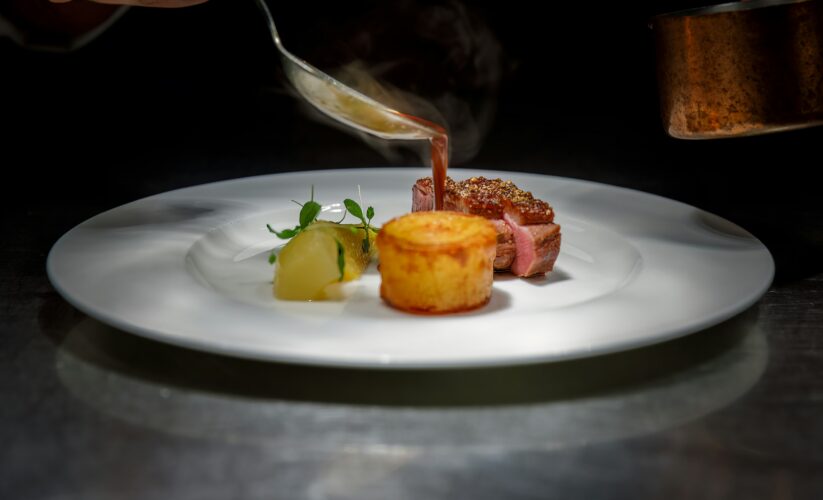
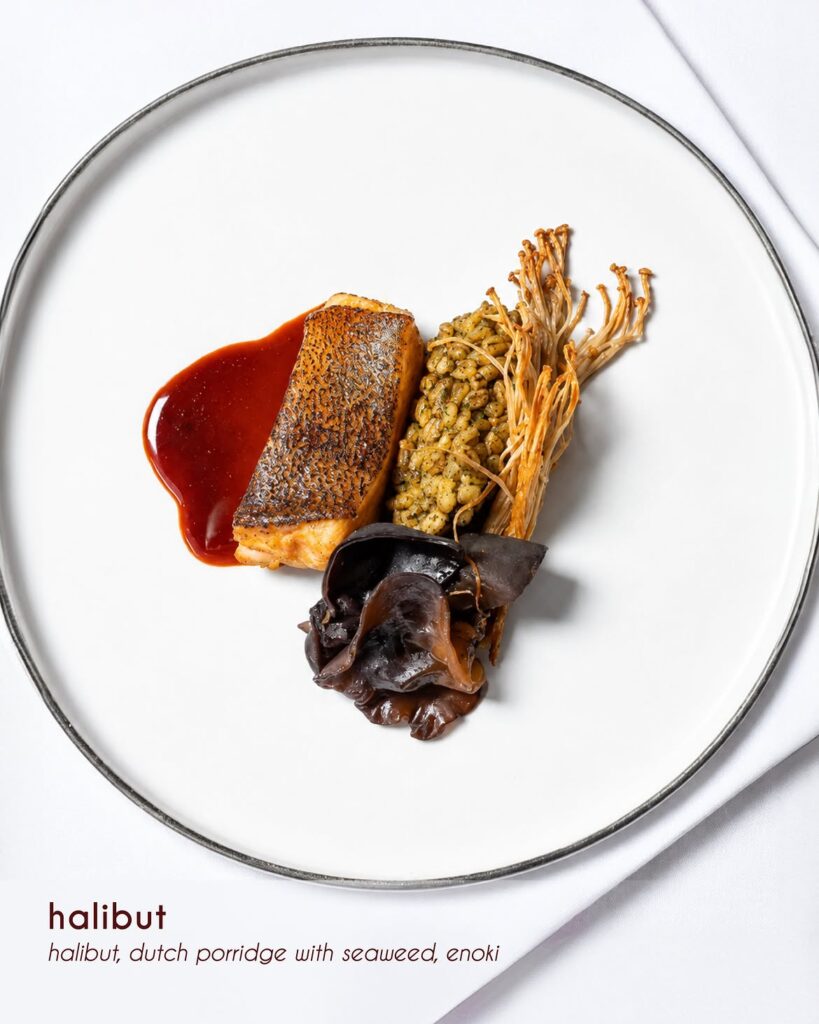
Far from its image of “Russian Salad”, blinis, borscht and cold potatoes that many Indians associate with the cuisine, modern Russian gastronomy is thriving, turning cities like Moscow, Vladivostok and St Petersberg into gourmet destinations with creative chefs and restaurants using modern technique to rework old, pre-Soviet era dishes, and experimenting with the cornucopia of local ingredients — from the Steppes to Siberian to the seafood of the Far East—with new techniques and imagination. Chef Ekaterina Alehina is very much at the forefront of this new gastronomy in Russia. Her a Michelin-starred and Michelin Green-starred restaurant Biologie in Moscow is known for its focus on sustainability, blending animal, plant, fungal, and bacterial realms in signature dishes such as the deconstructed Russian borscht, reinventing the beetroot classic, halibut with a velvety porridge infused with seaweed, and a playful haute take on the iconic Olivier salad (whose pale mayo-laden version exists as the Russian salad in every Indian shaadi).
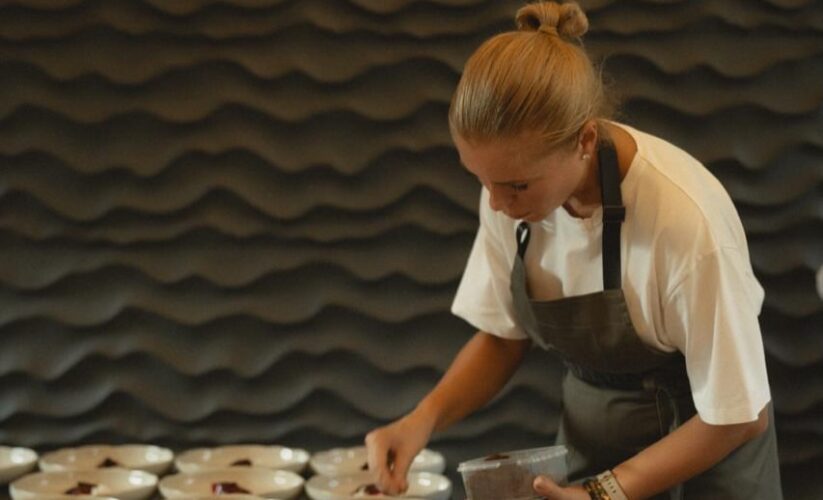
In Delhi for a one-day collaborative pop-up with Chef Shantanu Mehrotra at Indian Accent, the restaurant known for reworking Indian classic dishes via interesting twists, Ekaterina tells us about how the gastronomic landscape of Russia has evolved dramatically. “Not only in Moscow but also in the regions of Russia. To understand and appreciate the phenomenon of modern Russian cuisine, you need to visit not only Moscow but places like Krasnoyarsk, St Petersburg or Vladivostok, where you will see a different range of products and approaches. More and more regional chefs dive into exploring local products and traditions. If you want to be introduced to the classic Russian cuisine of the 19th century, you definitely need to visit the iconic Café Pushkin (in Moscow). If you are more interested in Russian seafood, you will like Sakhalin (the island). And the whole picture is not complete without Krasnoyarsk (the Siberian city), where local chefs are using diverse Siberian products. Whereas in In St. Petersburg, you will find plenty of exciting projects with exceptional concepts and a distinctive vibe”, says the chef who explains that at her project Biologie, she showcases a modern approach to traditional Russian cuisine. “I keep it as local and sustainable as possible..,” she tells us.
“We use more and more local and seasonal produce all over Russia and tend to center the concept not around the recipe but around flavour and product. Of course, you will find some traditional dishes in our restaurants, but the range of products used to make, for example, blini, is much more diverse. The more our chefs travel, the more ideas they apply to their dishes. They have become braver and more experimental,” Ekaterina says talking about the experimental work happening in the Russian kitchens. Traditionally, Russian cooking before the Soviet-era was in fact influenced by, and in turn influenced, different European cuisines. The French-style course-by-course service that formal restaurants and banquets follow even today is not exactly French. Instead, in the 19th century, the real French-style table service, where all the food was kept simultaneously on the table, was replaced by the more orderly service a la russe, a progression of dishes, individually plated, brought in one after the other so that every thing remained warm and fresh. This is still the service style formal dining restaurants, including those in India (such as the Indian Accent, where the collaborative four-hand lunch is happening) incidentally follow. A testimony to culinary exchanges through history.
Ekaterina may or may not appreciate this thread but tells us that “as a curious traveller, I keep my eyes and mind open to the world. I see lots of similarities between different cultures and use ideas and techniques from around the world to keep my food Russian yet up to date.” Jamming with Chef Shantanu, who feels that Russia offers some fascinating parallels to Indian cuisines via techniques such as fermentation, pickling, and the use of warming, comforting flavours, how will a four-hand feast shape up, the chefs learning from each other in the spirit of true collaborations?
“I realized I knew almost nothing about Indian cuisine. I was astonished by the range of flavours and the quality of the local ingredients. I wanted to use a local product and, using it as an example, show how we can convey our flavour code to guests from India and tell them this is “Russian taste”. I studied the local market together with Chef Shantanu and settled on beetroot, which is used as the main ingredient in the first dish, Borscht. With this dish, I wanted to break the stereotypical perception of the dish itself and show how, with the help of modern technologies, it can be reinterpreted.”
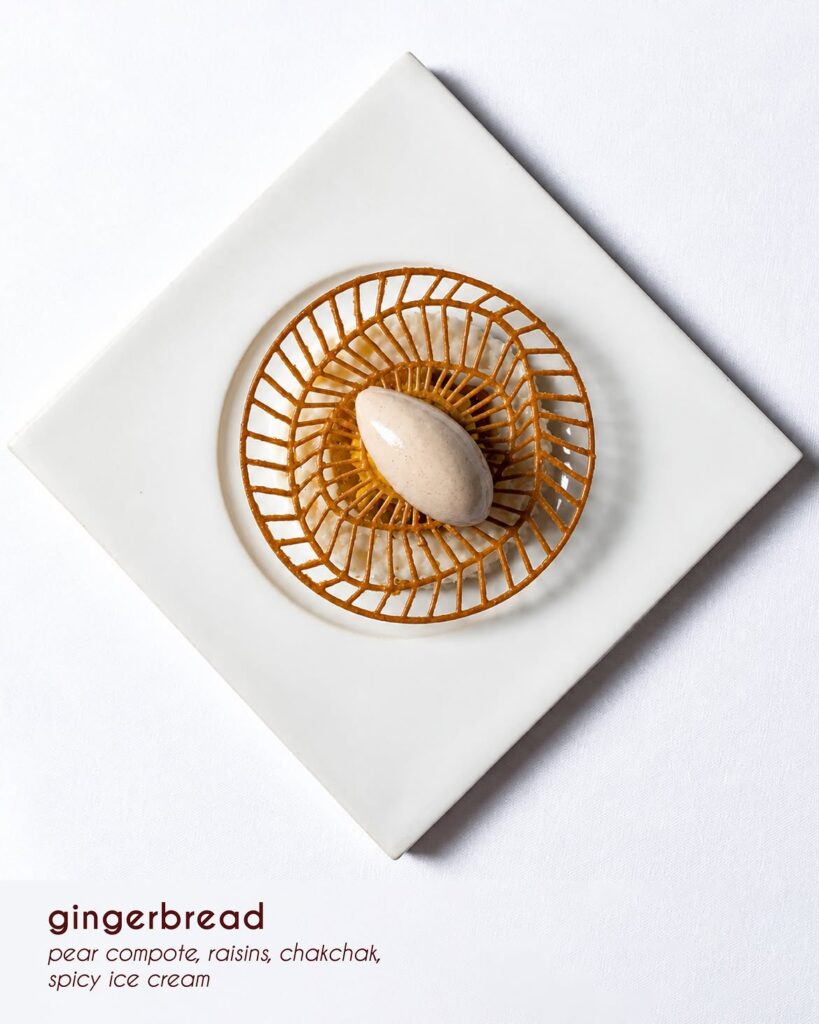
The second dish is a fish course to show a modern approach to a traditional Russian product such as kasha (porridge). This will be cooked with pearl barley with seaweed as an accompaniment to the fish. And for dessert, pryanik (gingerbread), shows how similar Indian and Russian cuisines can be in the use of spices and ingredients such as milk and apples. “So we made an apple chutney with Indian spices, a mousse based on an Indian milk dessert similar in taste to rich Russian ice cream and condensed milk, and ice cream with Indian spices, which we always use to make pryanik”, says Ekaterina.
“I’m particularly excited that through some of the dishes we can create a genuine conversation between Indian and Russian cooking. Rather than making the contrast obvious, we are looking at shared ideas. The most interesting dishes, for me, are those where you may recognise something familiar at first, but then discover an unexpected flavour or technique. That element of surprise is what makes a four-hands dinner exciting,” says Shantanu, who adds that his philosophy is based on not wanting to disguise Indian food. “Familiarity is always the starting point for me. Even when we change the presentation, technique or context, there needs to be something emotionally recognisable in the dish. Innovation should create curiosity, but the flavour should ultimately make sense,” he says. Ekaterina in turn thinks of gastronomy as a way to communicate an idea behind a dish through a metaphor, and who believes that while cooking a chef works with flavour, texture, and temperature to convey an emotion or idea through the plate.
As we spoon up the porridge, new yet old, this meal where two old cultures come together in a different way, is just a taste of what gourmet travels may bring.
Photo Courtesy: Indian Accent