How to still find La Dolce Vita

Ask virtually any Indian, and they will tell you their dream holiday destination is Italy. But in the post-covid world with heat waves and overtourism, is the sweet and glamorous life still to be found by the fountain?
Anoothi Vishal went back to her favourite country outside India after seven long years to find a few things that have still not changed!
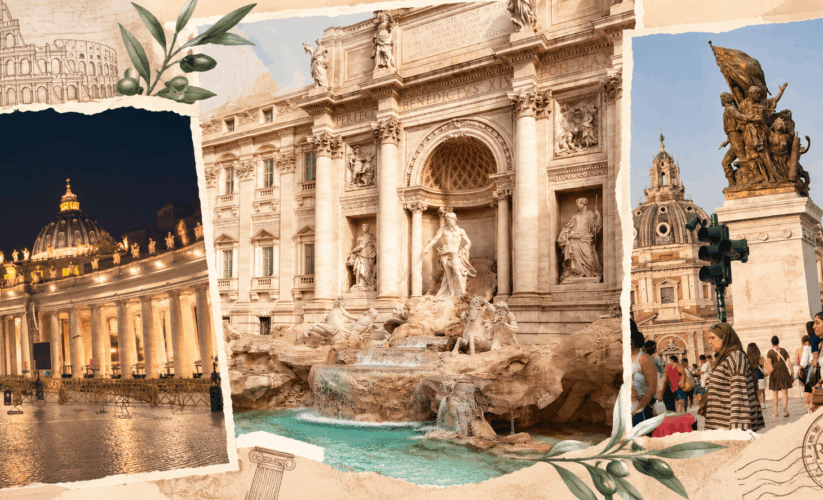
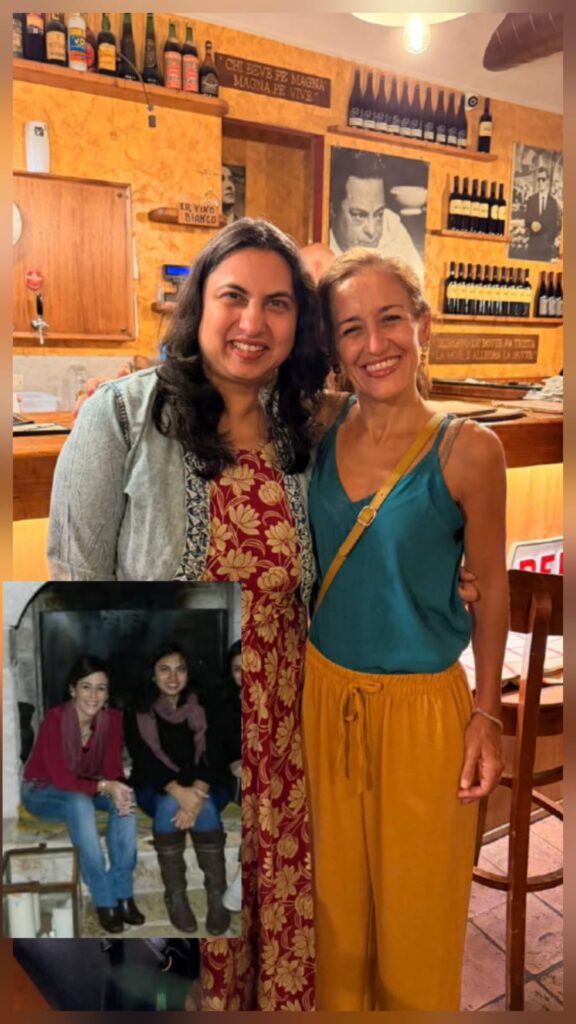
In 2019, I went to Italy three times over spring, fall and winter: To Abruzzo to discover some of their underrated wines, staying in the seaside town of San Vito Chietino, and dining at a dramatic traboccho, the fishermen’s piers that function as great seafood restaurants along this part of the Adriatic coast. To Milan, where we partied at the famous bars in sarees and saw The Last Supper at last. And just before Christmas to Orvieto, a medieval village perched on a cliff, just outside Rome, where I drank a lot of their excellent wine, lectured a bunch of hospitality students, and was a speaker at a function organised by a hospitality school there. It was the crowning glory of a decade making regular visits to Italy, to different regions, towns and villages, observing gastronomy and wine making and making some deep friendships in the process. Then, 2020 came and changed the world. This year, I went back, after seven long years to a country that had felt most like home in the wide, wide, world, and yet been always utterly glamorous and chic—like the time when we almost waded into the Trevi fountain a la movie stars trying to recreate Anita Ekberg’s iconic scene on a freezing 2012 January, unthinkable today amid queues of Instagram-famous coin-throwers and even a Euro 3 entrance fee!
But this column is not about what was arguably the best time to travel (at least for Indians)—the decade from 2010 to 2020; after the global recession and before social media ruined the world, including travel and food, taking the joy of spontaneous, not-for-camera discovery away. Italy, as I found this summer, is now far more overrun by tourists than ever before; it is having a luxury hotel boom, which means so many of its historic palazzos, buildings and taverns have been bought over by foreign investors. Between 2020 and 2026, Rome itself has seen acquisitions worth Euro 413 million in direct foreign capital investment. With a plethora of luxury openings— Westin, W, Six Senses, a Bulgari hotel, Four Seasons et al —making this the second most important market in Europe as far as hotel openings go (after London), and the mushrooming of lego-like Air BnBs in virtually every quarter, some competent, many more impersonal and a few dodgy, Roman neighbourhoods feel far less authentic and “Italian” today than in the more innocent pre-covid world. “Real” gelato shops have almost disappeared from central Rome, and in Florence, I was saddened to not just find tourist traps replace some of my old haunts but to even find superstore-style rope barriers to manage queues at new ones. Instagram has made everything famous. The perils are too evident.
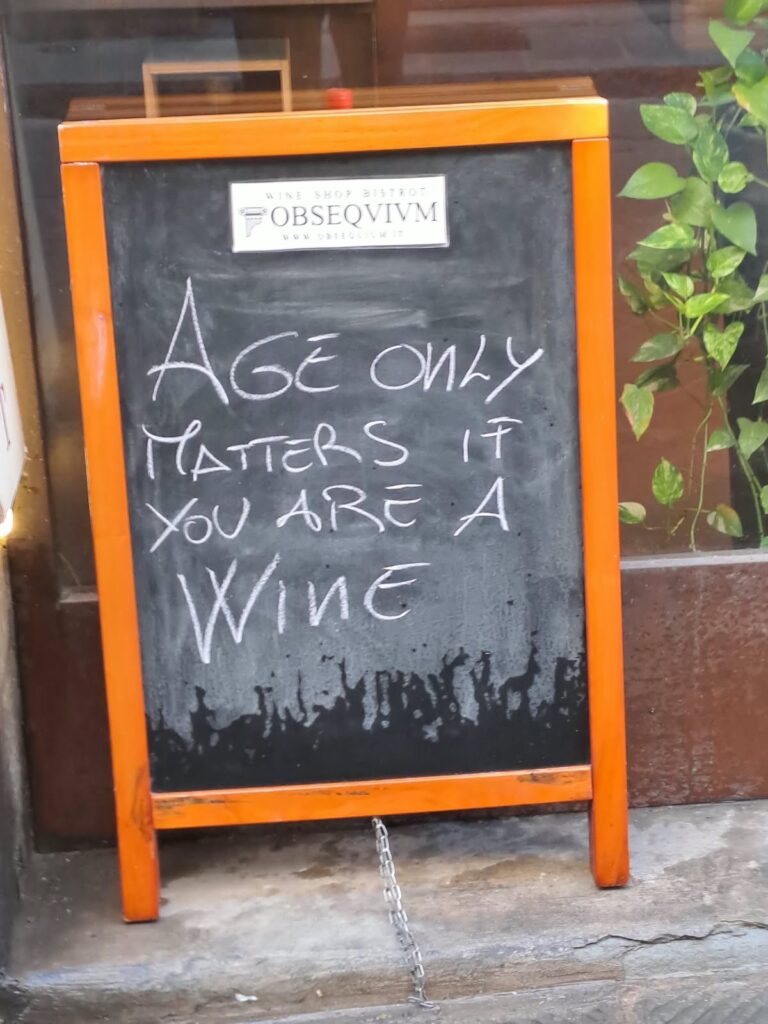
As luxury, including luxury dining and travel, becomes “middle class”, its sense of mystery diluted, can the ideal of La Dolce Vita, that sweet, full of sensuality, somewhat glamorous life that you ostensibly spend enjoying every moment of survive? In this summer of plenty, I discovered little moments of this essence of Italy. Despite the sun-baked, sweaty tourists that vita is to be found somewhere near the palazzo and the fontana…
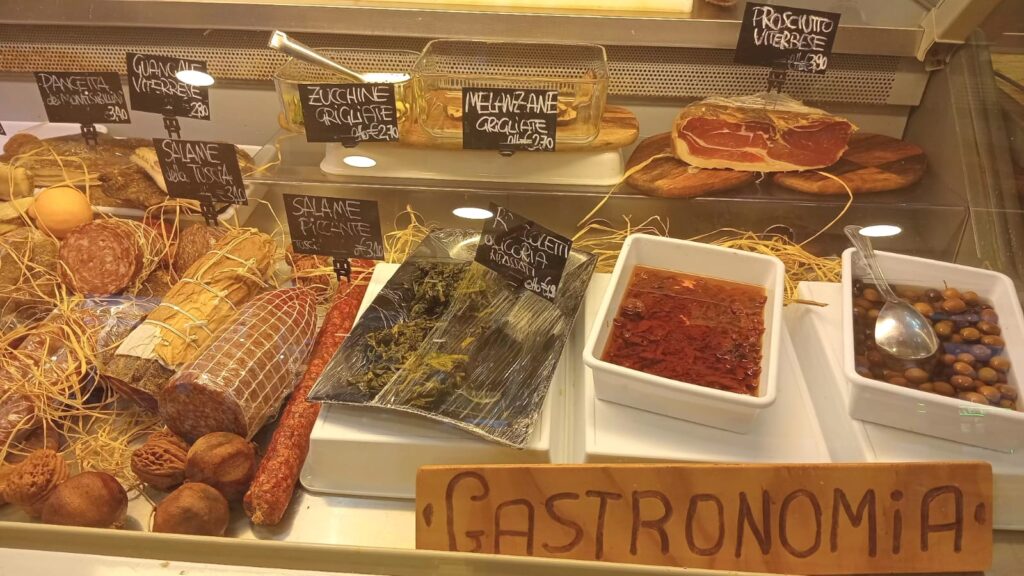
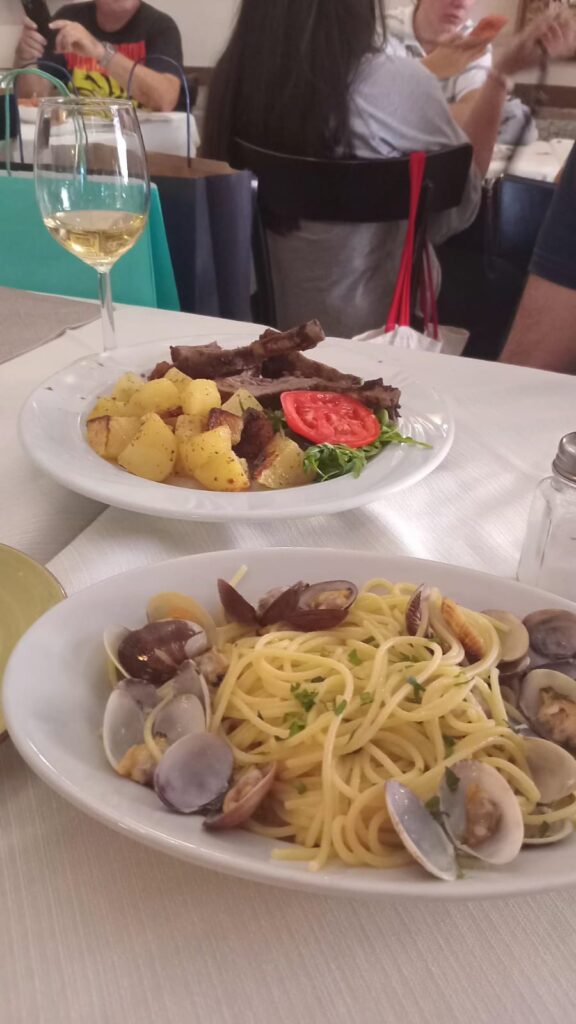
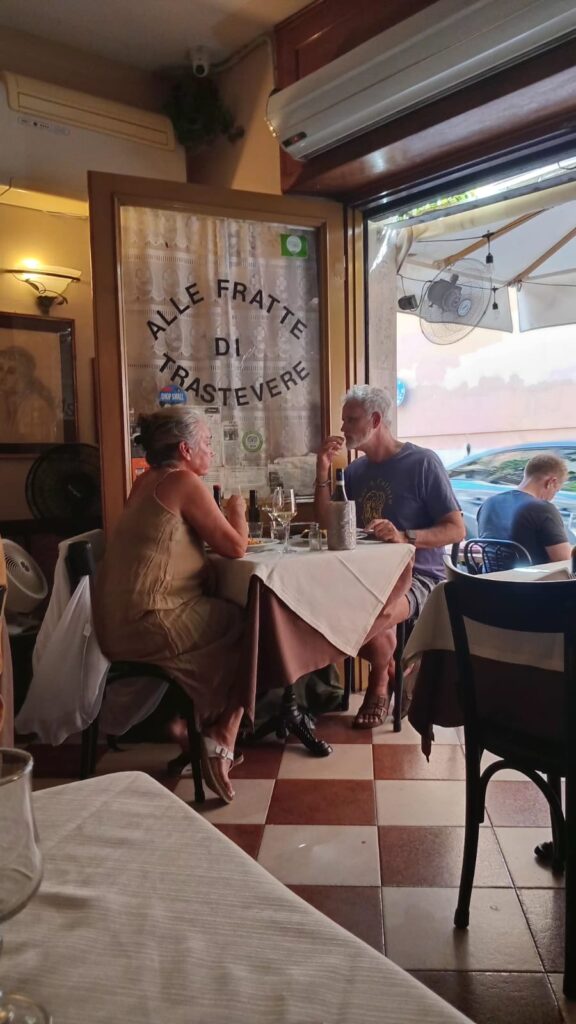
- Chat to the locals, not to your phone: This should seem self-evident. But is not. In Rome, I was lucky to have many good meals in Prati, Trastevere and even in the Centro Storico, where it is more usual to find overpriced mediocrity. All of these came via reccos from real people and not some reel or influencer. My favourite find was a small family-run trattoria called Alle Fratte near the trendy and much-photographed Basilica of Santa Maria. Alle Fratte is an old establishment, not too pricey, known for its Roman food, and authentic cooking; my spaghetti vongole (clams) was a testimony to the goodness of its kitchen. Try the bruschette and the pizzas too all with perhaps a carafe of house wine, and a hot afternoon in Rome will just transform completely. The trattoria has been mentioned in years past by both the Lonely Planet and New York Times and proudly displays those clippings. It is in an area now “discovered” by American tourists of all ilk, and perhaps many others too, with the likes of Da Enzo in the neighbourhood touted all over the gram as being the “it” place to book a table. But I’d rather walk through the alleys and discover a place for myself—in this case, Alle Fratte was reccoed by a neighbouring store-owner. I had strayed in to buy a piece of Italian clothing during the August saldi, when the Indophile owner of the fashion boutique told me to go to Alle Fratte. “It is family-owned, not touristy”. Allora!
- Neighbourhood navigation: While much of Rome is undeniably touristy, with Air bnbs and increasing property rentals making locals move away from the city centre, some neighbourhoods where locals still dominate offer a more authentic and real experience. My friend Giusy took us to Ai Balestrari in Prati, a quiet upscale residential area near the Vatican. The summer night was electric with neighbours dining in along with a few tourists, and menus offered in Italian initially before the English versions were brought out. Ai Balestrari has existed in Campo de Fiori, one of Centro Storico’s most fun areas with its vibrant markets, since 1862, but I liked the second outlet in Prati because this is a neighbourhood that is not teeming with crowds of sight-seeing people. It allows you to immerse yourself a little bit in Rome and its culture rather than walk in your own bubble “seeing” whatever it is on your list. On the menu were typical Roman dishes such as trippa (tripe), the wood-fired thin Roman pizza that you will not get anywhere else, as also the four famous Roman pastas, which are a family with interconnected ingredients — cacio e pepe (the cheese has to be pecorino, which has a sharpness to it), pasta alla Gricia (cacio e pepe ingredients, plus crispy guanciale or cured pork cheek; not “bacon/pancetta”), Carbonara (Gricia ingredients with the addition of egg yolks), and Amatriciana (Gricia ingredients with tomato sauce). The osteria is lively, there’s free bruschette that arrives to the table, no infamous coperto, the house wine is excellent, and post the meal, you can walk to the Vatican, more mesmerising and awe striking in the moonlight, without the queues. This truly is the Eternal City for me; eternally yours.
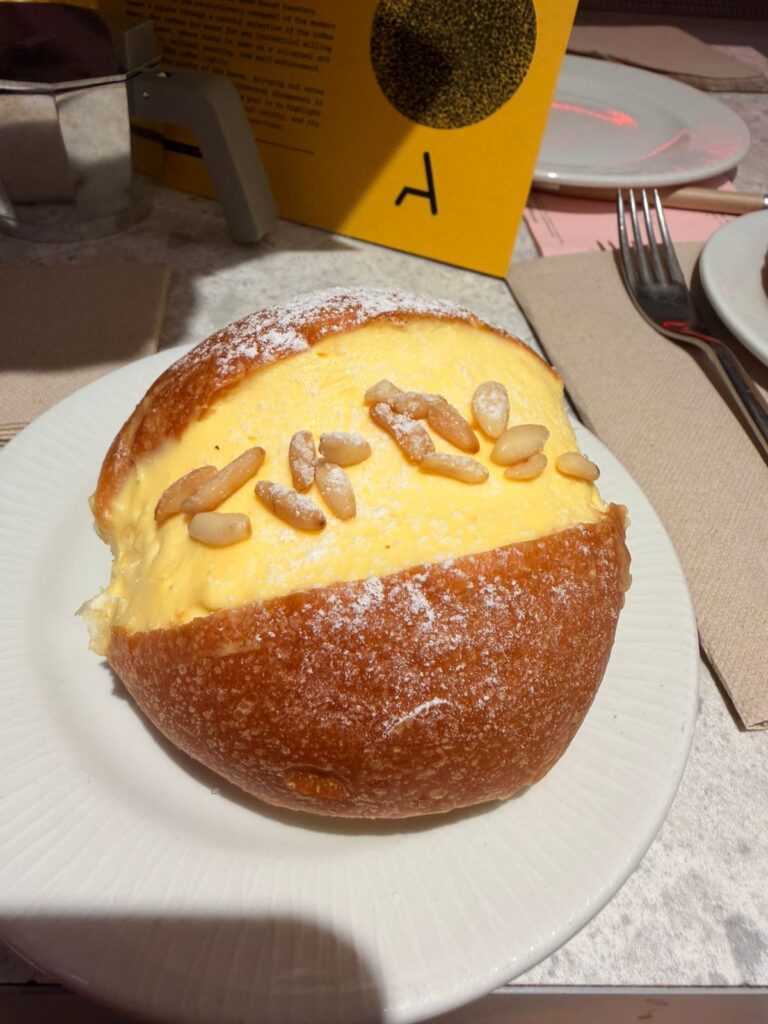
- Aperitivo is an art, so is the breakfast pastry! The first time I was in Florence having caught the train from Torino one Diwali, and arrived to stay at a hostel very close to the Accademia (since then, that old building seems to have been converted into a pricey hotel, what else), I was caught by surprise at the free aperitivo in the evenings: A glass of wine, with bread, salumi, olives and cheese; a feast! Go to some bars and the full aperitivo treatment is still offered, not just a few taralli and olives. In fact, walk the neighbourhood alleys and keep your eyes open: Stores selling small-batch wines or regionale produce that includes cured meats and cheeses from the region will offer the best experiences. For some reason, this year, I found myself in one of the “undesirable” Rome neighbourhoods away from the centre. But even here, an excellent salumeria offered a satisfying aperitivo along with my choice of Lazio wine. Italian breakfasts too can be a literally sweet experience away from American-style hotel buffets. Luna By Farro is a much-touted bakery by Alinea, Rome-based speciality coffee roasters. One morning, we walked there from our hotel on Via Veneto to sip on not just the cappucco (espresso is only later in the morning/afternoon) but also to eat the delightful Roman maritozzo, filled with fresh panna.
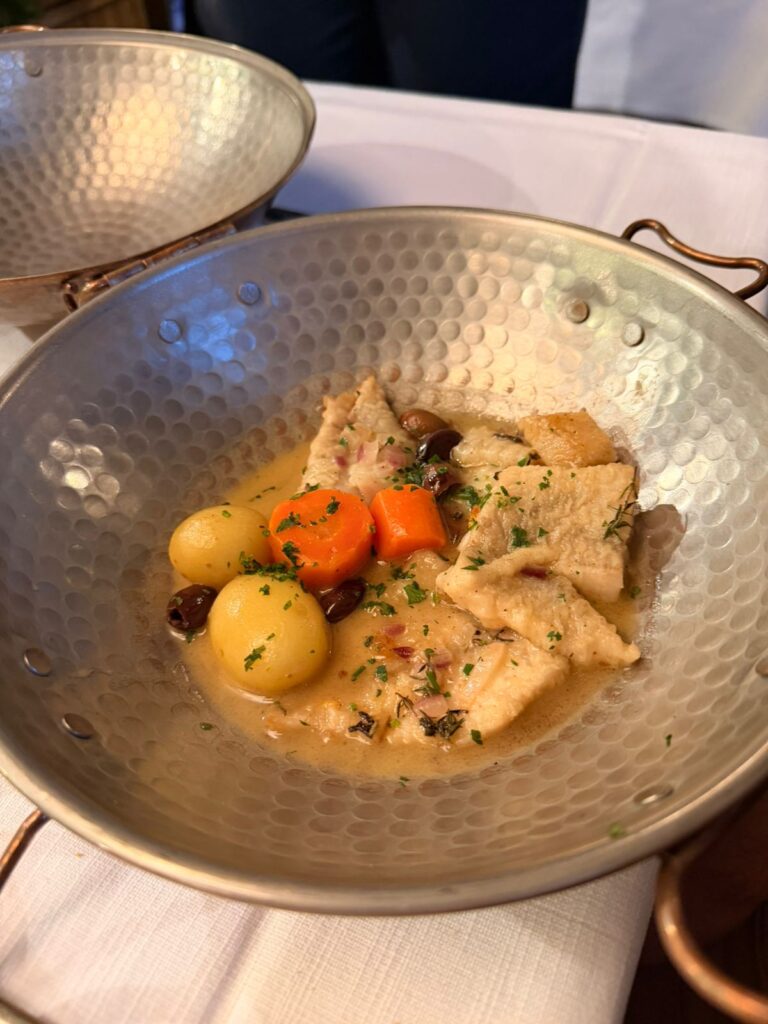
- Early bird… Doesn’t just catch the worm but avoids the tour companies crowd. One moment the piazza is peaceful and you can take in the stunning art that has stood through time, the next moment, flad waving guides and their followers arrive ruining the morning. I also try not to book any restaurant since I don’t believe in following any “must-do” itinerary. In Italy, you’ll find, even without a booking you can often walk into a highly rated restaurant if you arrive early (breakfast, lunch, dinner), and thank god for it. Southern Europe was supposed to be the land where time stood still, making it regimented would kill the idyll. One evening, we strolled into the highly rated ristorante Il Piccolo Mondo looking for some Tyrrhenian sea specials and though reservations are recommended for this white table clothed restaurant, the friendly staff greeted us with enthusiastic and attentive service. I had the same experience at the newly refurbished Primiera at the Baglioni hotel, which used to be Italian-owned but its parent company has been acquired by the Mexican luxury resort chain Palace Resorts in 2022. We walked in to Primiera jet lagged, straight off our flight, and were greeted by its wonderful staff, as we dined on a showy table-side assembly of carbonara on a trolley and some satisfying Ripasso wine from Valpolicella that is also one of my favourites apart from the grand dame Amarone!
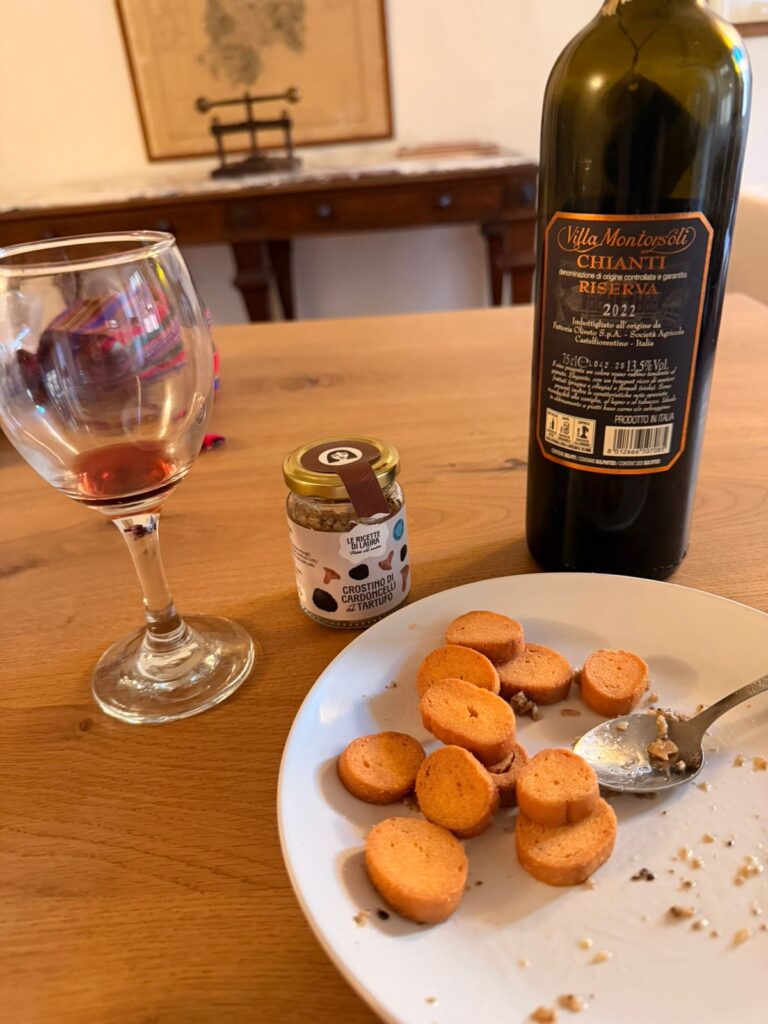
- Eat local, stay local, shop local (and casual): This is my mantra for Italy. Long before “grocery store” tourism was deemed a thing, I’d always check out the shelves, including in the villages. This summer, some of the most interesting meals I had in Florence where my historic Air BnB came with stunning frescoes and modern air conditioning (this was exceptional, though in general, I would advocate for Italian-owned hotels for a true experience) were assembled from what I found at the Carrefour outlet in front of the apartment: Excellent chianti reserva for about 10-15 Euros, preserved truffles and crostini and ready-to-sip espresso in little pods with straws (!). Then, there was the fresh mozzarella and tomato salad at the local café, the zucchini-sardines pizza al taglio (a Rome invention, sold by weight, it gets its name from the fact that the shopkeeper cuts the desired slice with a scissor) and suppli… In Italy, the best food has always been casual outside of its white table clothed restaurants. This is a cuisine that is built on the high quality of its traditional ingredients, and built to show these off instead of hiding them via “inventiveness”. At Gusta, the pizzeria that has become a chain with an osteria and a pannini store added to the original restaurant, in the Oltarno, Firenze, the young man serving us brings out some limoncello to end a spectacular, wholesome meal that has perhaps been a highlight. “It’s on the house”, he says, “to mark your return”. Salute! I say. To the dolce vita that you may find, and may you find, eternally yours.