Chutney Chronicles: A Spoonful of India

FTAlmanac
- August 16, 2026
Book Review: Chutney Chronicles – A Spoonful of India
by Taniya Sahni
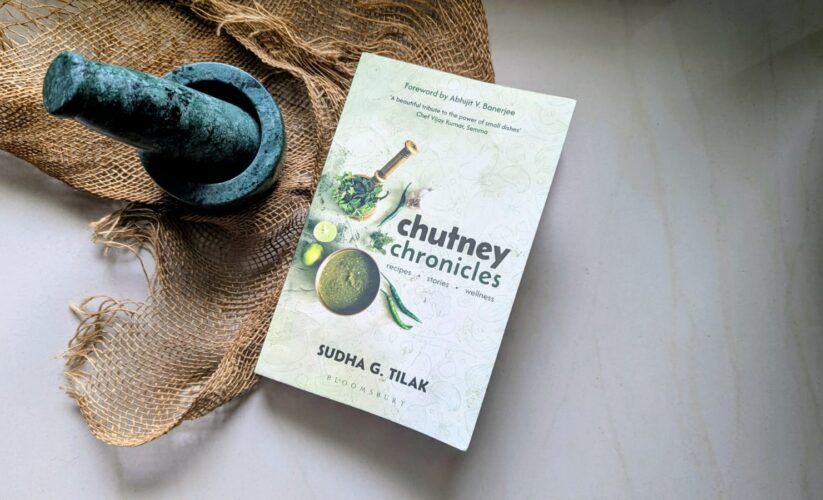
From delivering a punch to a meal to finding clever, zero-waste ways to use up what’s in your kitchen, Chutney Chronicles is the book you pick up when you’re short on ideas. The book began with an unusual manuscript that author Sudha G. Tilak found in her lap: a notebook of 30 recipes handwritten in Tamil by her 80-year-old mother. Her task was to turn these treasured family recipes into a book. The foreword by Nobel Prize-winning economist Abhijit V. Banerjee argues that Indian food is often reduced to a vocabulary of “rich”, “piquant”, “spicy” and “complex”, leaving little room for the diversity of flavours and textures that define it. Chutney Chronicles addresses this by bringing together more than 80 recipes that showcase the diversity of India’s regional condiments – and this is only the chutneys; the rest of the Indian table is still waiting. It opens with the familiar green chutney, but quickly moves beyond the obvious to lesser-known, regional condiments such as the chakramani soppu from Karnataka, Hyderabadi ambade ki chutney, murungai elai thogayal from Tamil Nadu and so many more.
The chutneys are categorized into Herbs & Greens; Nuts, Seeds & Legumes; Roots & Veggies, Fruits & Flowers. It ends with a section dedicated to Chutneys Without Borders covering a variety of condiments from the subcontinent as well as a spin on some classics from across the globe. The book’s expansive regional scope, however, comes with a small caveat: readers unfamiliar with Indian regional ingredients, particularly Indian names for produce and spices, may find navigating the book using the recipe index a bit challenging. But there is redemption in the form of recipe descriptions.
The author brings chutneys into focus through memories of her mother feeding her vepampoo thogayal, or neem-flower chutney, as a post-festival tummy cleanse; snipping curry leaves from the house next door for karuvepilai thogayal because their own plant was temperamental; or handing her a leaf or two of omavalli (Indian Borage) to soothe a tummy ache. The anecdotal details make the book come alive. There are also these charming observations about everyday food habits — such as using moringa leaves for chutney while others in the neighbourhood preferred the drumsticks. It is in these stories that the book feels most intimate, taking one beyond the recipes and into the author’s own memories of food. Equally interesting is her explanation of using sweet potato and mint in chutneys in southern parts of the country with recipes for shakarkandi thogayal and pudina pachadi, combined with lentils, coconut and tamarind, giving familiar ingredients a refreshing new identity.
Each recipe is supported with illustrations and contains nutritional notes and interesting ‘Did You Know?’ facts. Most also come with a tip or two, sometimes suggesting an ingredient swap that effectively rewards the reader with an additional recipe. Photographs are few and far between, and some could have been shot and styled better to support the narrative. The book may be only slightly thicker than a handbook, but its compactness shouldn’t be mistaken for a lack of detail. Like any good recipe book, it guides the reader well, specifying the exact textures to aim for — particularly useful when making some of these chutneys for the first time. Some of the lesser-known regional recipes are particularly delightful. Naga anishi chutney, made with fermented taro leaves, is one such gem, taking the reader beyond the better-known Naga chilli and fermented-fish chutneys and the familiar axoni/akhuni. Other standouts include Kannadiga-style bale hoovina, or banana-flower chutney, buransh or rhododendron chutney and even a persimmon, or japani phal chutney.
Beyond the recipes, the book is peppered with cultural nuggets and traditional food wisdom, including notes on the digestive, anti-inflammatory and probiotic properties attributed to various ingredients. Chutney Chronicles is the kind of cookbook that deserves a spot within easy reach in the kitchen — a relatively small volume with a surprisingly expansive canvas, much like the Indian chutney itself.
Publisher: Bloomsbury
Price: INR 499