Ever eaten kalanamak — rice?

Celebrity Chef Nishant Choubey, consultant to the Capital’s best kept secret, The Organic Bistro, on the farmers, foragers and artisans who introduced him to ingredients barely known outside their regions, and how he has incorporated them into modern classics
By Nishant Choubey
For me, food has always been about more than just taste. It’s about the hands that grow it, the stories behind it, and the respect we bring to it when we serve it on a plate. At my consulting restaurants, I don’t just cook with ingredients—I cook with the spirit of the farmers, foragers, and artisans I’ve met along the way. Some of them are well known, many are not, but all of them have left a mark on me as a chef. I have realized my role as a chef is to be a bridge—to carry the farmer’s story to the plate and let the diner complete the journey.
Rice with Buddha’s blessings
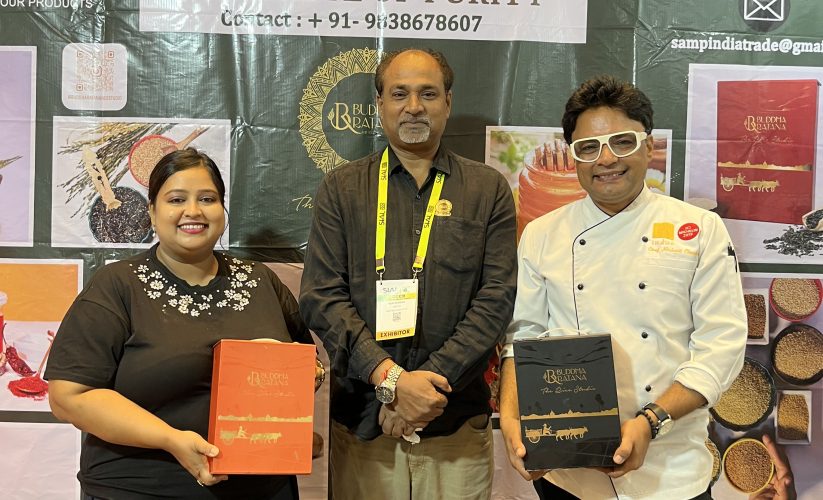
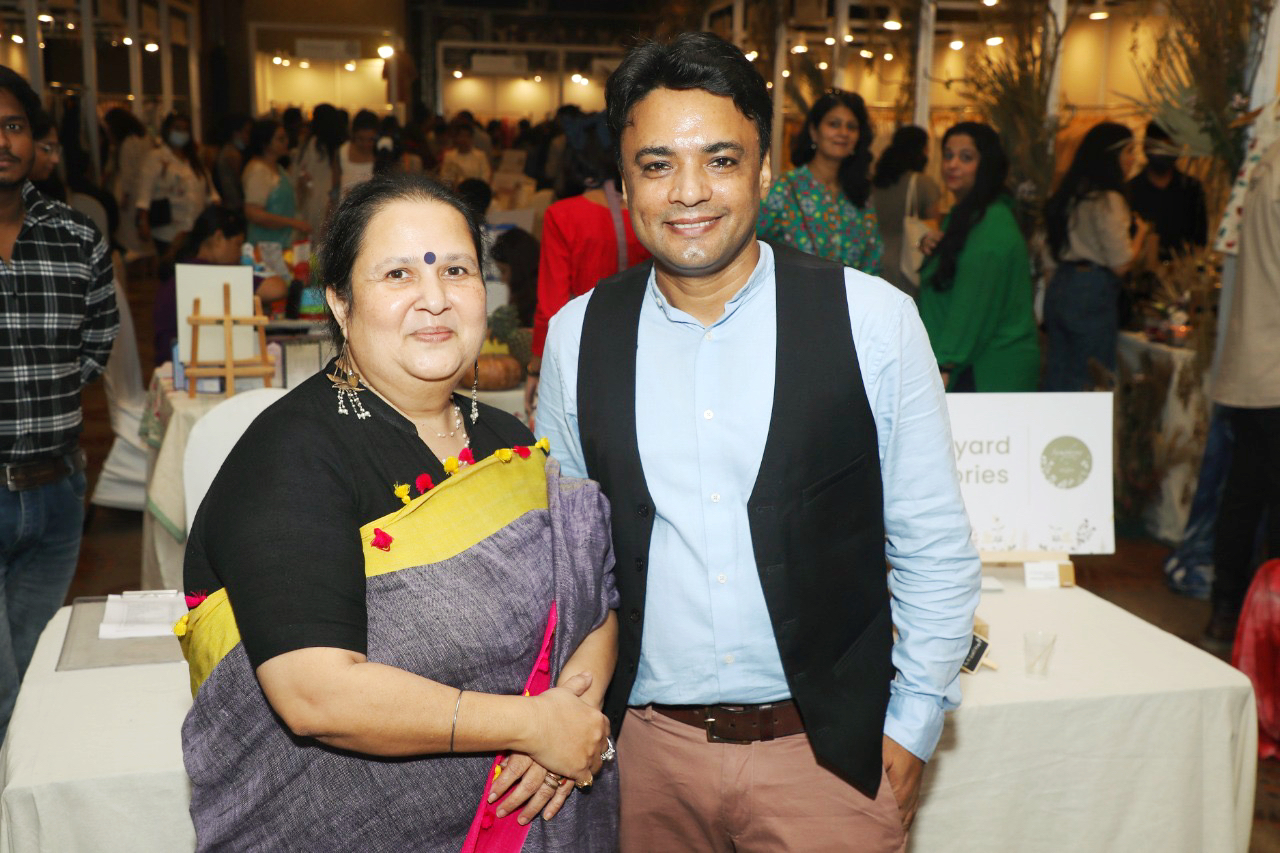
I still remember meeting Bijay Mishra Ji for the first time. I had been looking for a non-basmati rice variety, something soulful yet refined, when he placed a sack of Buddha Ratna Kalanamak rice in front of me. “This rice,” he said, “carries the blessings of Lord Buddha.” The fragrance when I held the grain was unlike anything else — delicate, almost spiritual. It reminded me of Govind Bhog. At SIAL India, I trusted that grain and made Sindhi pulao with apricots and prunes. When it was served, the aroma drew people in before they even sat down. Guests asked, “What rice is this?” They weren’t just eating a pulao; they were meeting Kalanamak for the first time. That dish made waves, but the credit belonged to Mishra Ji and his quiet devotion.
Jharkhand’s Forest Secrets
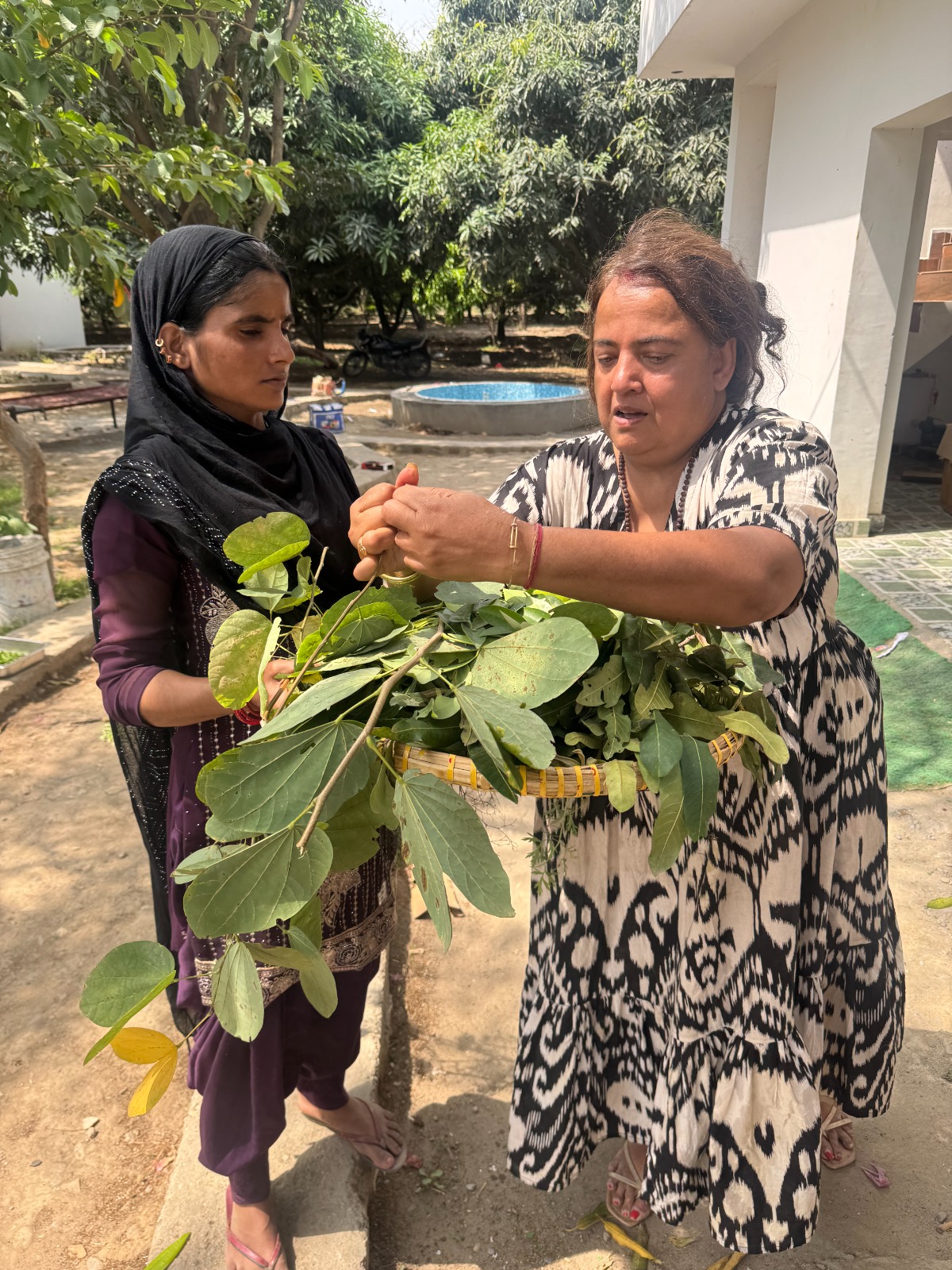
Through Dr. Manisha Oraon from Jharkhand, I entered a world of ingredients I’d never worked with before—mohua flowers and dehydrated saag like khesari and phutkal. She explained how these were staples of tribal diets, passed down generations. The first time I cooked with mohua, I cooked a bhapa doi crème brûlée. At the Gourmet Fest in Ahmedabad 2025, I watched people’s expressions shift from curiosity to amazement. “What is this aroma?” someone asked, eyes widening. That was mohua—earthy, floral, and deeply Indian. For me, it was proof that some of the rarest, most gourmet ingredients aren’t imported; they’re hidden in our forests.
The women who redefined my pantry
Some of my most valuable partnerships have been with women who are reshaping India’s food landscape.
Jaya Mishra of Desi Utpad: Opened my eyes to produce in ways I never imagined. From the black potato that completely changed my humble Oriya style dahi vada with aloo dum, to the Bhoomi amla with lemongrass she swore would cure my monsoon fatigue—every delivery from her feels like a gift. She’s now building an organic retreat called Abhyaranyan in Saharanpur, and I know it will be special.
Then there’s Pallavi, who introduced me to seabuckthorn. At first bite, it’s sharp, almost shocking. But I’ve used it in mocktails, glazes, even sauces—and every time, it sparks conversation at the table. At Organic Bistro, Khan Market, Delhi, we serve this with fermented organic turmeric.
Namrata , with her artisanal cheeses, has been another revelation. I first met her at an artisanal cheese display organized by SEP Gurgaon, an event where farmers and cheesemakers gathered to showcase their craft. That’s where I also met Namrata, who handed me her Käse cheese. When I tasted it, I was stunned—it had the finesse of a French Brie. I later served it as honey-glazed Käse with Sichuan-tossed oyster mushrooms at the Ahmedabad Gourmet Fest. Guests couldn’t believe it was Indian. For me, it was a moment of pride, watching diners celebrate cheese made in our own country. At 1978 restaurant at Select City Walk, Saket we serve array of Indian cheeses with honey, toast and cashew butter .
Honey, grains, fruits
Some ingredients arrived quietly, through personal connections.
Sentirenla’s honey was one of those. Raw, golden, and deeply floral—it became the secret ingredient in my vinaigrettes and desserts. Just a drizzle, and the dish transformed.
From Tanvi at Alsan Farm in Abohar, I first got black wheat flour (khapli atta). The day I made rotis with it, my kitchen filled with a nutty, rustic aroma. Paired with simple seasonal sabzi, it felt wholesome and grounding.
Zosh Organics surprised me with their yellow watermelon. When I sliced it open, its bright golden flesh left me speechless. I built a salad around it at Organic Bistro, and diners couldn’t resist pulling out their phones before even tasting it.
Roots sent me fermented turmeric. At first, I wasn’t sure how to use it. But once I added it to a broth, I realized its depth was unmatched. It has since become a staple in my kitchen—a quiet but powerful presence.
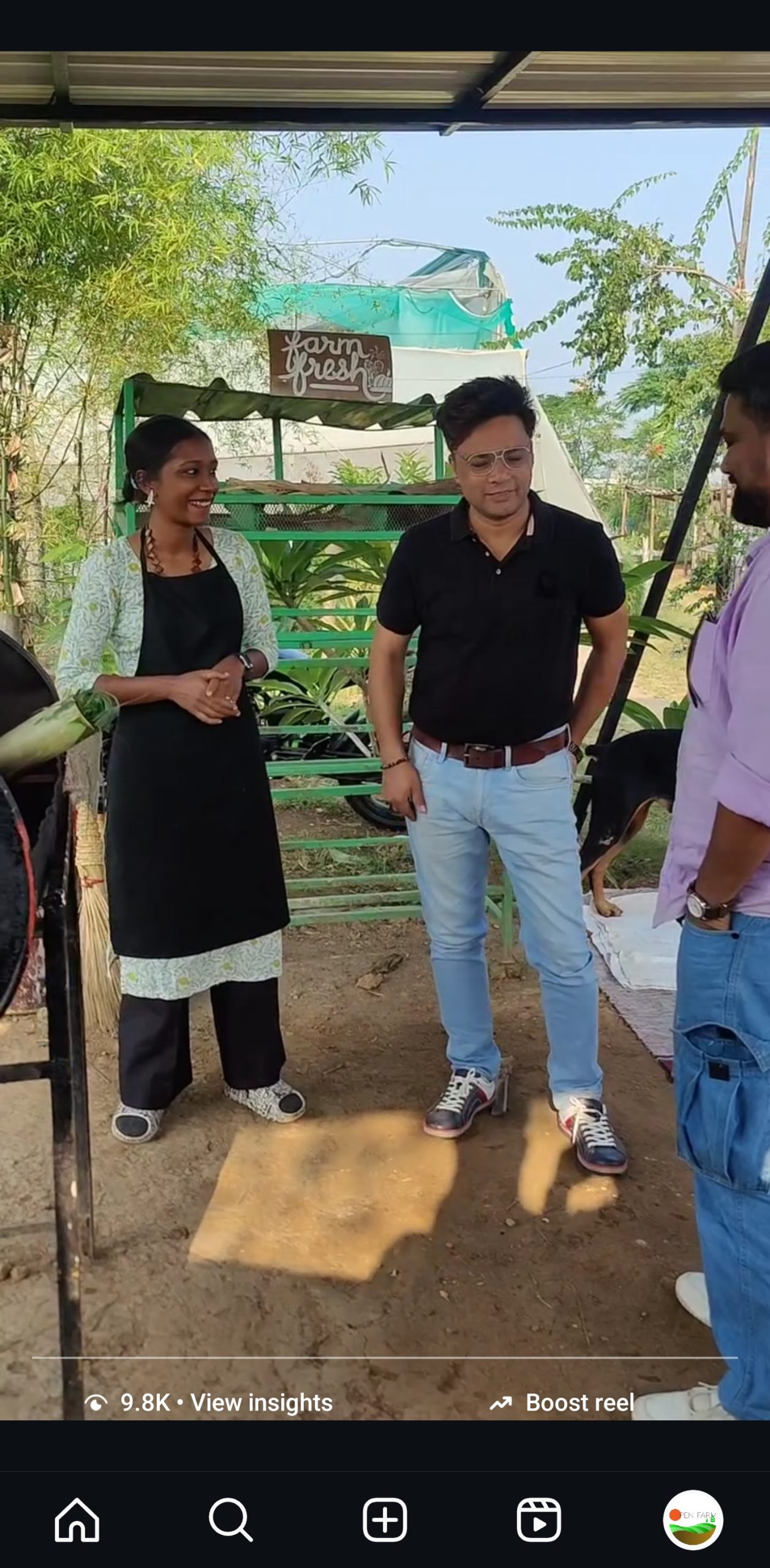
And then there’s Organic Fresco in Chandigarh, who consistently supply me with organic groceries. They may not be exotic, but their reliability and quality allow me to create menus that are consistent without ever losing integrity.
I can’t talk about cheese without mentioning Spotted Cow. Their burrata has become a highlight of my menus. The first time I cut into it, the creamy center spilled out like silk. Guests compared it to the burrata they’d had in Italy.
My journey with India’s hidden farmers is far from over. Every week, I discover something new—an ingredient, a story, a friendship. These farmers are not just my suppliers; they are my teachers. They remind me that food is culture, food is memory, and food is love. And as long as I’m cooking—whether at Organic Bistro, 1978, or any festival across India—I’ll keep bringing their stories to the table, one plate at a time.