October 22, 2026
A Modern Riyadh and its India Connects

A Modern Riyadh and its India Connects

Saudi Arabia has always had strong cultural ties with India. As the Kingdom opens up for enhanced business and leisure to the world, a visit may offer a unique experience and perspective, says Ashwin Ahmad   

By Ashwin Ahmad

Stepping out from the bustling Riyadh airport, one realizes how wrong many of the stereotypes surrounding Saudi Arabia are. There are women hailing cabs and many behind the wheels of plush cars on Riyadh’s roads, there are cafes dotting the kerbs, and a general air of swish though quintessentially Arab charm.

As we drive through the city, I go back to memories of the 1980s, when I had lived here in the Kingdom, and spent formative years of my childhood amidst a strong community of Indians in this land. Today’s Saudi Arabia is quite different from those mid-eighties, and as my guide and I drive through Riyadh’s roads, an air of modernity that may rival global metros such as New York or London in pace and swishness is more than apparent.

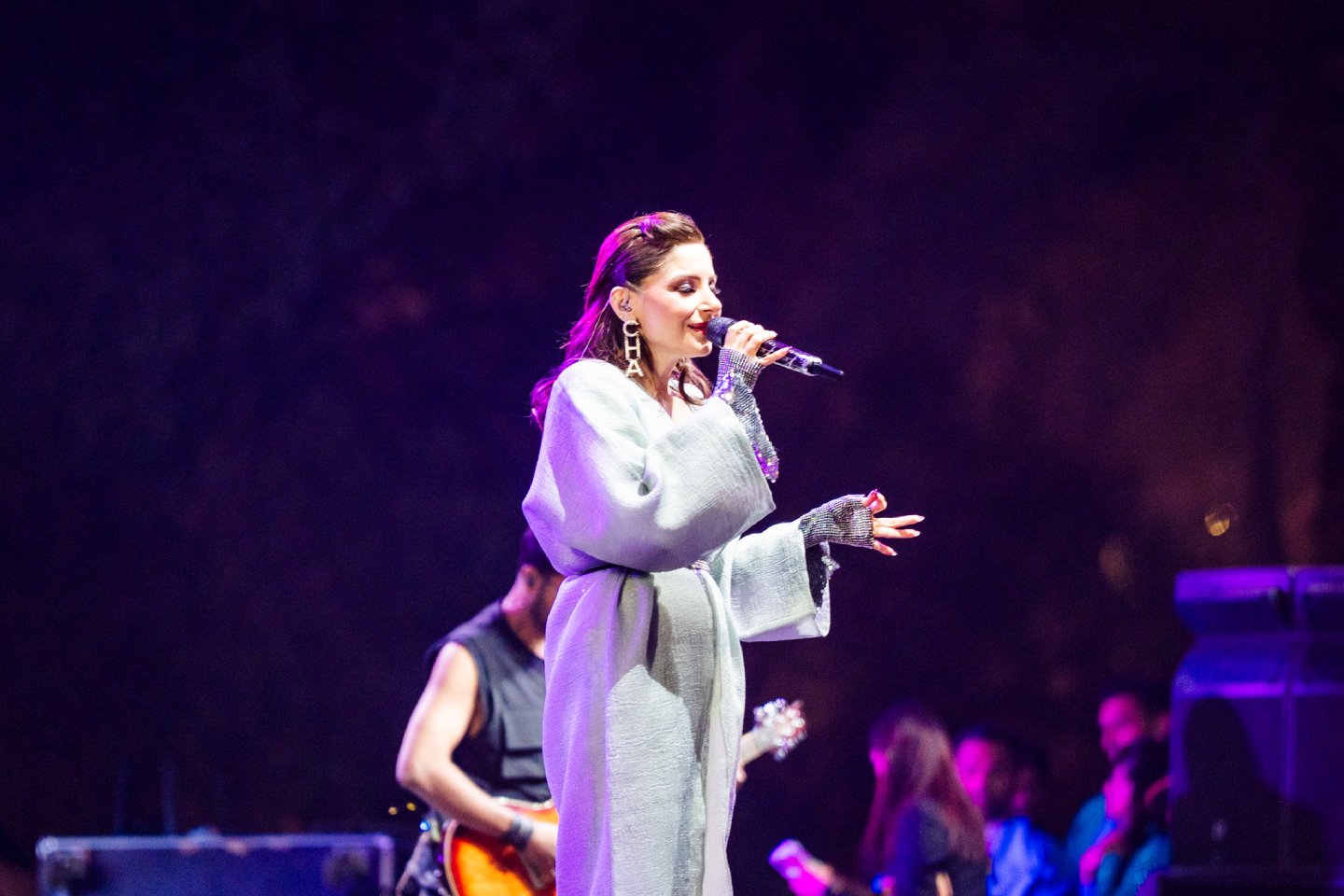
Bollywood actor and model Kanishka Kapoor speaks backstage to me at the Global Harmony Initiative.

Bollywood and a Padma awardee

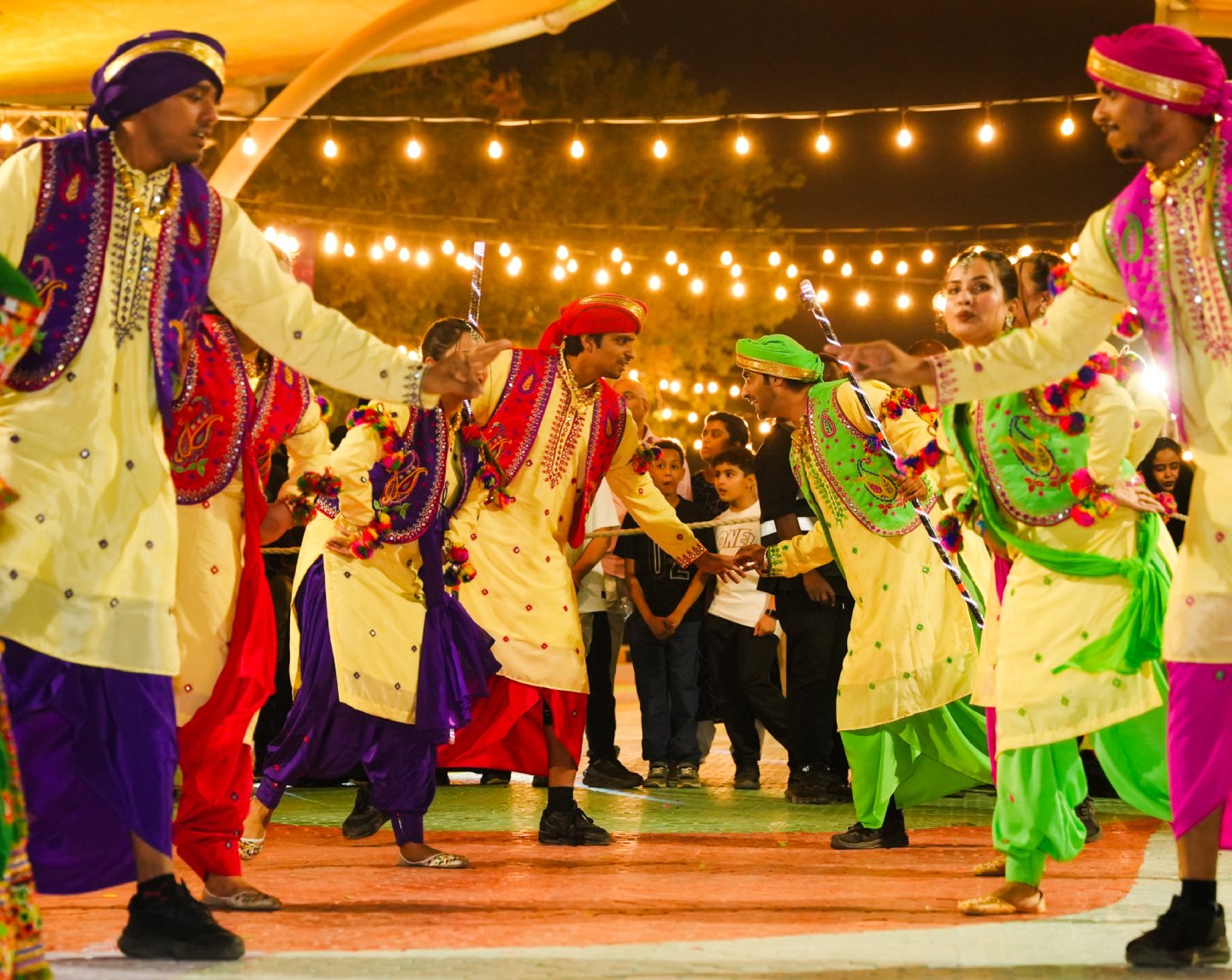
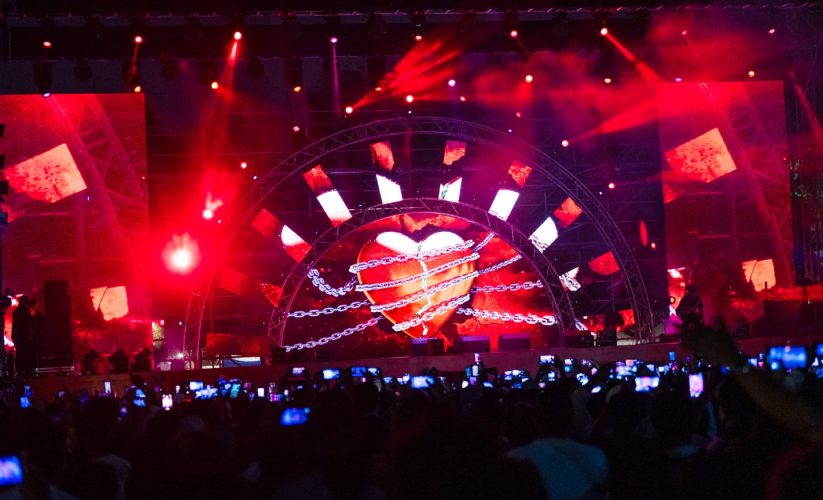
Bollywood hits too are being belted out at a high volume during the festival, as the crowd waits for singer Kanika Kapoor, who will perform her hit songs Baby Doll ​ and Chittiyaan Kalaiyaan​. Then, we meet an influencer, who assures us that “It is a huge misconception that people have that you can’t dress up in a certain way in Saudi Arabia. That’s not true. You can be yourself. Because Saudi Arabia accepts you and lets you enter just as you are.” 

But the highlight of the visit is also a visit to the Saudi Ministry for Human Resources and Social Development. We are greeted by a number of elegant Saudi men and women, and offered traditional dates and Arab coffee served by young Arab men wearing the bisht.  (The bisht  is a traditional cloak worn over the thobe – the Saudi national dress. It is only worn on very formal occasions as a mark of prestige and respect for special guests.)

And at the end of an hour-long presentation, we are introduced to Saudi national and Padma Shri winner Nouf Al Marwaai. There is another surreal moment where we see a traditionally dressed Saudi woman speak about her love for yoga and her bid to spread it not just in Saudi Arabia but in all the Gulf states.  Her efforts caught the eye of the Indian government and she was awarded the Padma Shri in 2018.                         

Speaking about her Indian journey, Marwaai, who has been visiting India since 2008, says the award came as a “surprise.”  Describing how she first got to know about it she said. “I don’t know who nominated me for Padma Shri, it was a surprise for me.  I was teaching a yoga class and the news came and people were calling me from India and I was in shock. But I was very happy, humbled and overwhelmed.” 

Marwaai’s embrace of India and Indian culture is part of a larger canvas where two countries have continued to have high-level cultural ties. Few know the architect of modern Indian theatre Ebrahim Alkazi had Saudi origins with his father Hamed Alkazi being a wealthy Saudi businessman. The elder Alkazi’s beliefs and cultural values seeped into his son. Though he eventually left India he did leave behind the man who would reshape modern Indian theatre.   

Theatre is but one part of the cultural relationship.  Arab scholar and former diplomat Zikrur Rahman points out, history can trace collaborations between Indian and Saudi scholars on various matters right after the Indian Mutiny in 1857. Deep discussions   took place on Islamic jurisprudence as well as more modern-day subjects such as history, geography and mathematics.  
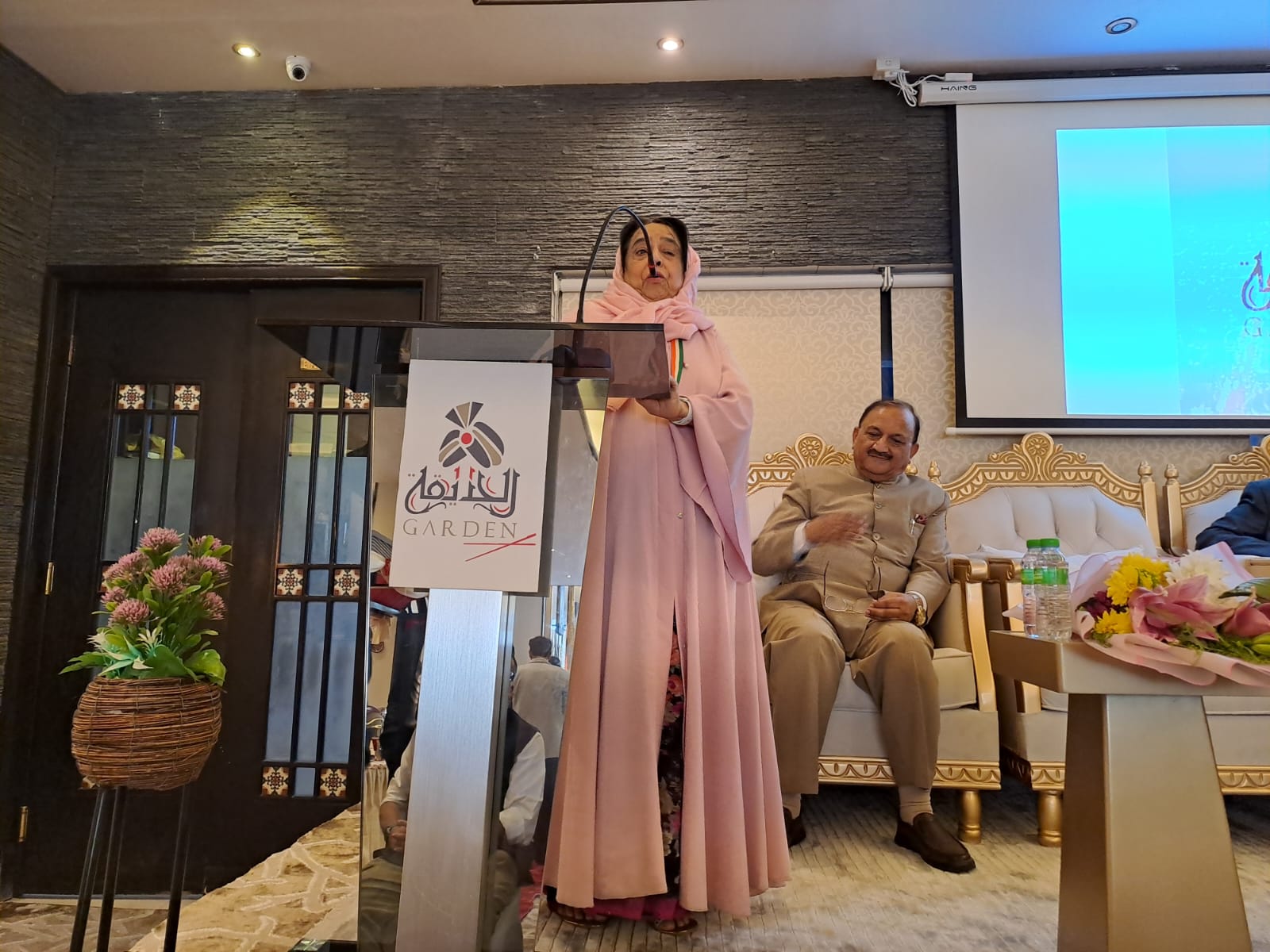
Zeenat Jafri who founded the International India School, the first Indian school in the Kingdom, speaks at an event.

Indians in the Kingdom   

The morning end with an understanding of how much India and Indians are crucial to Saudi Arabia’s success. Figures released by the Saudi Ministry for Human Resources and Social Development say there are currently 2,322,171 million Indian workers in the Kingdom making them one of the largest expatriate communities here.

Numbers however don’t tell the full story and it is only at a lunch later by the Indian community that we get to hear the real stories behind the numbers. Zeenat Jafri is one of them. Arriving in Riyadh in 1976 with her husband when there were no Indian schools in the country this traditional housewife took it upon herself to build one. The International India School was begun in 1985.

Recalling the old days, Mrs Jafri expanded on their humble origins –  a rented villa, 13 teachers, 250 students, one peon – all funded from their own pockets. “My husband typed the admission forms himself. The general body meetings were held in our house,” she said. “We didn’t even have money to buy a photocopy machine. He would get all circulars and notices printed from his office.”      

Today is a different story.  Catering to the rising demands of the Indian expatriate community the school expanded with tens of thousands of pupils attending, a tribute to all the countless days and nights Mrs Jafri put in begging parents not to pull their girls out of school. For her efforts, she was honoured with the Pravasi Bharatiya Samman by former President Pranab Mukherjee in 2017.  She was the first woman to receive the award which is the highest honour awarded by the Indian government to the Indian diaspora.

While Mrs Jafri treasures the award she maintain her highest honour and privilege has been to educate the girl child. “I was thrilled to embrace every child,” she says with a smile. “I am proud to be the person who ensured thousands of students got an education far away from home”

Things to know

Start late on Friday: Saudi Arabia is a city that functions late especially on Friday, as most shops and malls only open after Friday prayers post 2 pm. Shops however stay open till 11 pm.

Avoid WhatsApp if possible: WhatsApp isn’t the best mode of communication here. If you are an Apple user use FaceTime or download apps such as botim or comera.

Check out Saudi food: There are many Saudi restaurants but the Saudi restaurant Najd Village comes highly recommended. The focus is on slow and communal eating so order a village sufrah, a dish that feeds two people. Wheat, dates, lamb, camel and dairy products are the staple. Order Jareesh. Jareesh is the unofficial national dish of Saudi Arabia made of crushed wheat flavoured with meat, usually lamb, with yoghurt, tomatoes and spices. Mataeez, a stew of meat and vegetables, is also a must try.              

Carry a shawl: Women do not have to cover themselves however if you now you are attending a traditional Saudi gathering a shawl or stole covering arms and shoulders is a good idea.

Avatar photo
About Author

FTAlmanac

Leave a Reply