October 22, 2026
Weekends Royale

Weekends Royale

India’s global travel generation is living it up with splurgy weekend “experiences” around food, culture and wellness. These are driving an unprecedented boom in domestic leisure travel and luxury hotels. But even as average room rates and occupancies get set to surge even more substantially in 2026, competition from foreign destinations that are cheaper, visa free and well connected can dampen the party. The key to putting India on the global luxury map lies in creating getaways that can marry novelty and memory, legacy and luxury, authenticity and discovery all in one heady mix — price no bar!

By Anoothi Vishal

It’s on the flight back from Udaipur that I realise how much — and how well — India’s “global travel generation” is travelling. Aparna Gupta (name changed) and her husband are seated in the front row, next to me. It’s a turbulent flight through a dark monsoon sky. As co-travellers sometimes do, we strike up a conversation and that’s how I become privy to their plans: Aparna’s upcoming 40th birthday is to be celebrated in grand style. At a resort in the Indian wine country side with 40 of her friends– many born in the same year as her and many who have never “been allowed” by their families to go on vacations with friends, on “trips of this kind”!
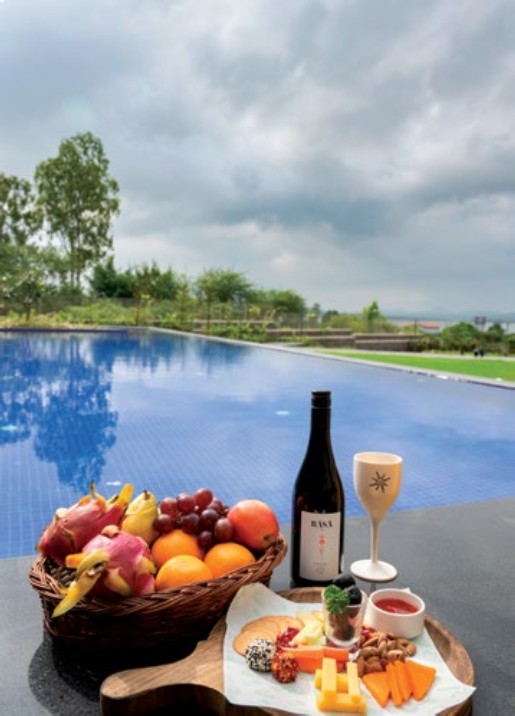
But plans are in place. The group of 40 women is set to travel, stay at an upscale resort for two nights, indulge in eight curated meals (including a “sip and paint experience”, which has ostensibly become quite trendy, as I learn from travel planners later), and shop — including during their transit at an airport where a saree vendor will meet them! The cost of this weekend? It may rival the budget of a mini wedding, as you can imagine. All over India, as a generation of post-Covid travellers seizes the day, gourmet vacations, wellness and cultural retreats are in high demand. People are travelling and splurging no holds barred to mark their mini milestones, as mark of self-care, and even “just like that”. My friend Radhika Khanijo, who has become one of the most in-demand “private travel designers” in north India, founder of a luxury travel company Welgrow Travels, confirms that “weekend getways are no ordinary escapes” for a growing tribe of India’s luxury travellers. “People are seeking art weekends in Nasik, culinary experiences at Fort Barwara, serenity at Vana, Tulah et al, wellness combined with adventure at Sujan Jawai and so on. For these customers we have to think like architects of memory and there is no price tag attached to these weekends with their loved ones”.
While growing affluence and aspiration in not just the metros but Tier II and III cities may be translating into an increased propensity to spend on experiential travel —marked by unique food, wellness, and cultural experiences— the prices that many customers are willing to spend even domestically on weekend getaways is truly jaw dropping. From Rs 50,000 per person per night at wellness resorts (up to USD 1600 a night at some of the newer clinical ones, as we are told) to bills of Rs 10 lakh plus for a single celebratory meal for a family of 20-25, or even a few lakh on a solo weekend vacay, affluent Indians are not hesitating to spend in a stark contrast to habits of a generation or two ago, where money was saved for the rainy day, or weddings. Covid ended that mindset.
There are countless studies and surveys pointing to how luxury travel by HNI Indians is at a high. A recent FINN Partners report, for instance, will tell you how rich Indian travellers in the metros as well as Tier II and III cities are prizing unique experiences over luxury buys in its “The Future of Travel 2025: From Dreamers to Doers – India’s Global Travel Generation”. It finds 81 per cent of respondents prizing luxe travel over lavish weddings, 74 per cent over designer buys and more than half seeking hotel upgrades. World Travel & Tourism Council (WTTC) predicts that India will become the world’s fastest-growing major economy in the travel and tourism sector, growing at 7.5 per cent annually between 2021 and 2031.
These bullish numbers and sentiments account for the stupendous growth hotels in India are enjoying over the last two years. Hotel room rates are up 30 per cent in India’s top 12 markets, says JLL data. Naturally, global ultra luxury hospitality brands have pivoted from their focus elsewhere to enter the Indian market. Indian hotel companies and local entreprenuers both old and new too are rapidly growing hospitality portfolios with ultra luxury hotels, looking at the potential of the domestic market riding on discovery, the experience economy, and new wealth and ambition from Tier II and III cities. The old paradigm of some of India’s plushest hotels courting foreign tourists has definitely paled.
There is a catch to this rosy picture, of course. As certain markets get saturated or at least battle oversupply, and as travellers spoilt for choice jet off to Sri Lanka or other Asian destinations offering cheap air fares, and easy accommodation, the stage is set for some stiff competition across segments and markets. Popular destinations such as Goa have already see this, and have been impacted by consumers moving away to other destinations.
Ultimately, hotels and destinations that will triumph in this battle for the Weekends Royale of the new affluent Indians are those that can offer not just plushness but uniqueness, not just prestige but authenticity, and not just frills but warmth. These are after all the new definitions of luxury. It’s not about the price alone.

THE NEW PALACE IN UDAIPUR 

56-bhog silver thalis, elusive eats from antiquity, swaying jhoolas, cloud-filled terraces and unique bamboo and customised potli massages are all on menu at The Fairmont Udaipur Palace, the dreamy retreat up in the Aravallis.
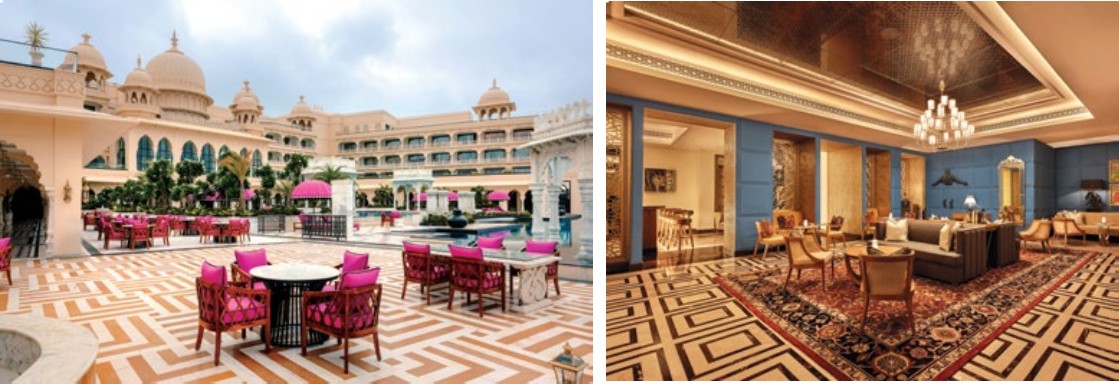
 

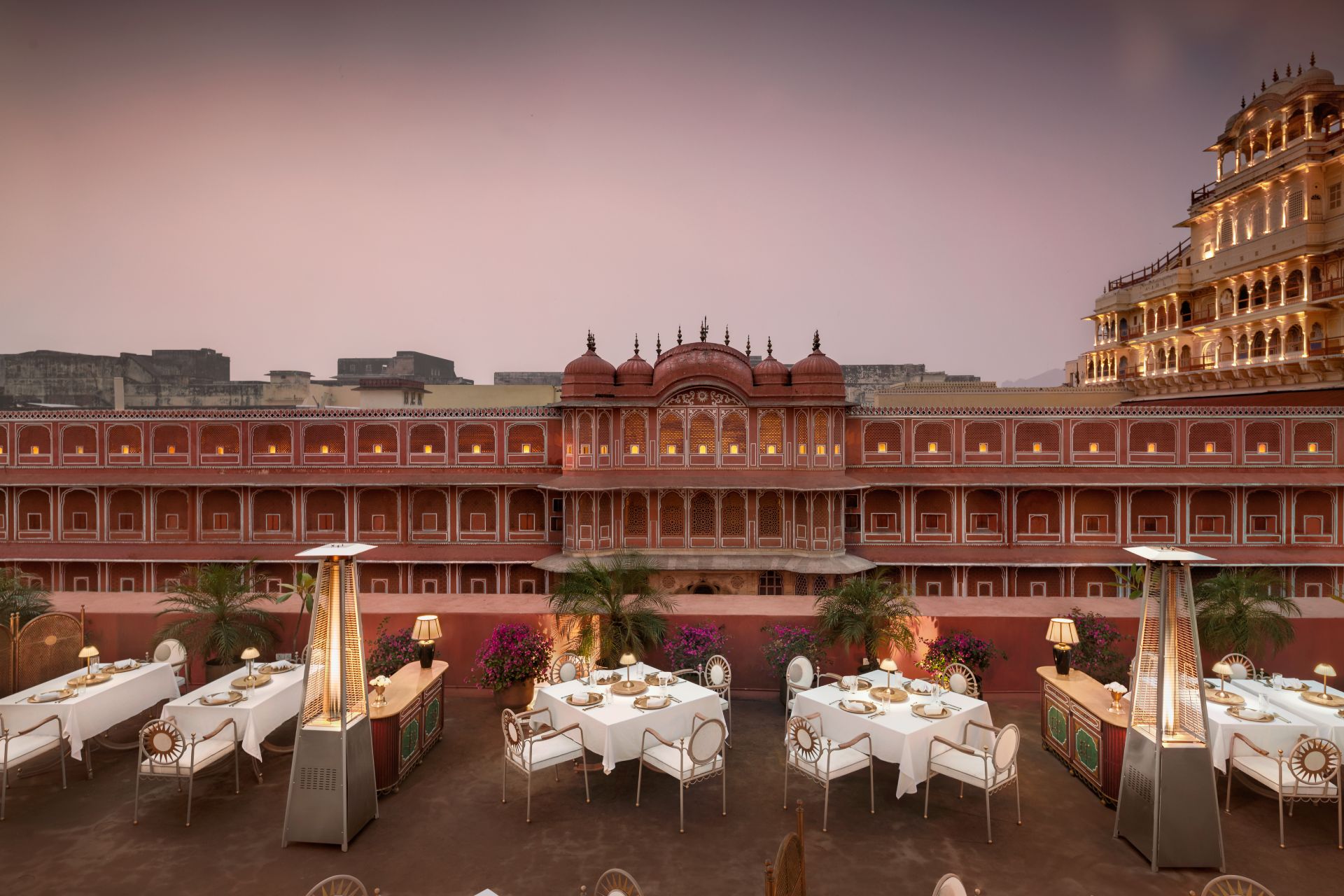
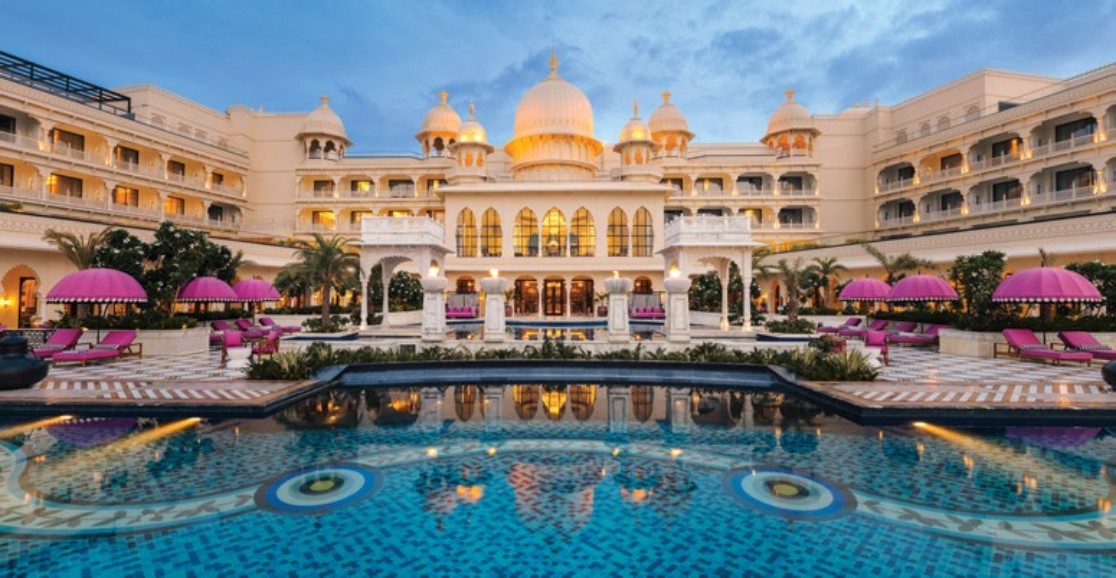
In the stunning city of lakes and mystique, monsoon clouds fill up the sky and the valley, as we drive past Pichola and the palace, up the Aravalli, and enter Udaipur’s newest palace hotel. The Fairmont Udaipur Palace is a stunning property. Built from scratch on the slope of a hill, there are graded expanses, lavish pools, terraces, starlit bars, courtyards, 327 rooms and suites, and a unique cannot-miss spa that makes this quite the modern-day palace in what is one of the oldest continuously inhabited royal cities of the Subcontinent.
Udaipur has been the romanticisied seat of the Sisodia solar dynasty of Mewar known for its chivalry and valour—as also gourmet antecedents—all through its history. Films like the James Bond adventure Octopussy that were filmed here back in the Roger Moore days have added to its legendary appeal. Till 2020, it was also the destination that was primarily driven by foreign FITs (free international traveller) and highend weddings— though it is only now with the Fairmont Udaipur Palace opening up that capacity has been added; the hotel has the largest banqueting space and the maximum number of rooms in the city.
As the waters have turned, the rich Indian traveller is dominating the city – which still commands some of the highest room rates in India. I land up at the Fairmont here that opened in July, on a two-day break, to escape Delhi and an incessantly busy schedule. This is a solo trip, and all I am expecting is a bit of sleep in sylvan surroundings! The suite opens up to a gorgeous terrace with a pergola and two gently swaying chair-jhoolas. You can snooze, or stare at the misty valley right in front, or read a book and you won’t know where your time has run away.
A fair number of India’s new ultra luxury and luxury hotels that are coming up are a result of owners taking pride in their heritage and wanting to now put it on the map. This is true here. “We wanted to create not just a hotel, but a destination within a destination…a place where every courtyard, dome, and corridor tells the story of India’s timeless aspiration for beauty, celebration and belonging,” says Somesh Agarwal, director Rockwood &Keystone Hotels. For the owners of this stupendously beautiful property, the vision was clear. To create luxury that feels “majestic yet personal, a palace that feels both legendary and lived in”, as Agarwal points out. And indeed there is a sense of intimacy here in Udaipur, at the heart of India’s luxury, leisure story.
Zeenat Jafri who founded the International India School, the first Indian school in the Kingdom, speaks at an event.

Gourmet trails and Spa sojourn 

how the seeming idyll can transform to meet the demands of any modern-day vacationing prince or princess wanting to be a gourmand! There are shavings of truffle on the grills, perfectly cooked salmon filets, pumpkin ravioli, healthy salad, millet canapes with pulled laal maans (a recipe, whose most famous iteration was by the legendary maharaja Arvind Singh Mewar, or Sriji of Udaipur) and more. Even the welcome drink has been snazzy. While checking in, tall glasses of coolers are handed out with the option of adding a dash of gin to it.

The next day, I breakfast on a ghee and podi laced thatte idli, currently an influencer darling, whose cult has spread far beyond Karnataka. The sambaar has Udupiesque nuance. Till even two years ago, I would not have expected to come across such fine detail even in upscale tourist outposts such as Udaipur. But gastronomy is on an upswing, and hotel kitchens such as here are going all out to indulge Gen Z or millennial gourmands. A south Indian chef overseas the section to create authenticity. The rest of the team under Amitesh Virdi, director of culinary, and the general manager Vishrut Gupta, himself an F&B veteran, are leading the charge when it comes to pulling up the level of all that is on offer; from sourcing to presentations. Because that is what the Indian traveller seeking distinct experiences now looks out for.
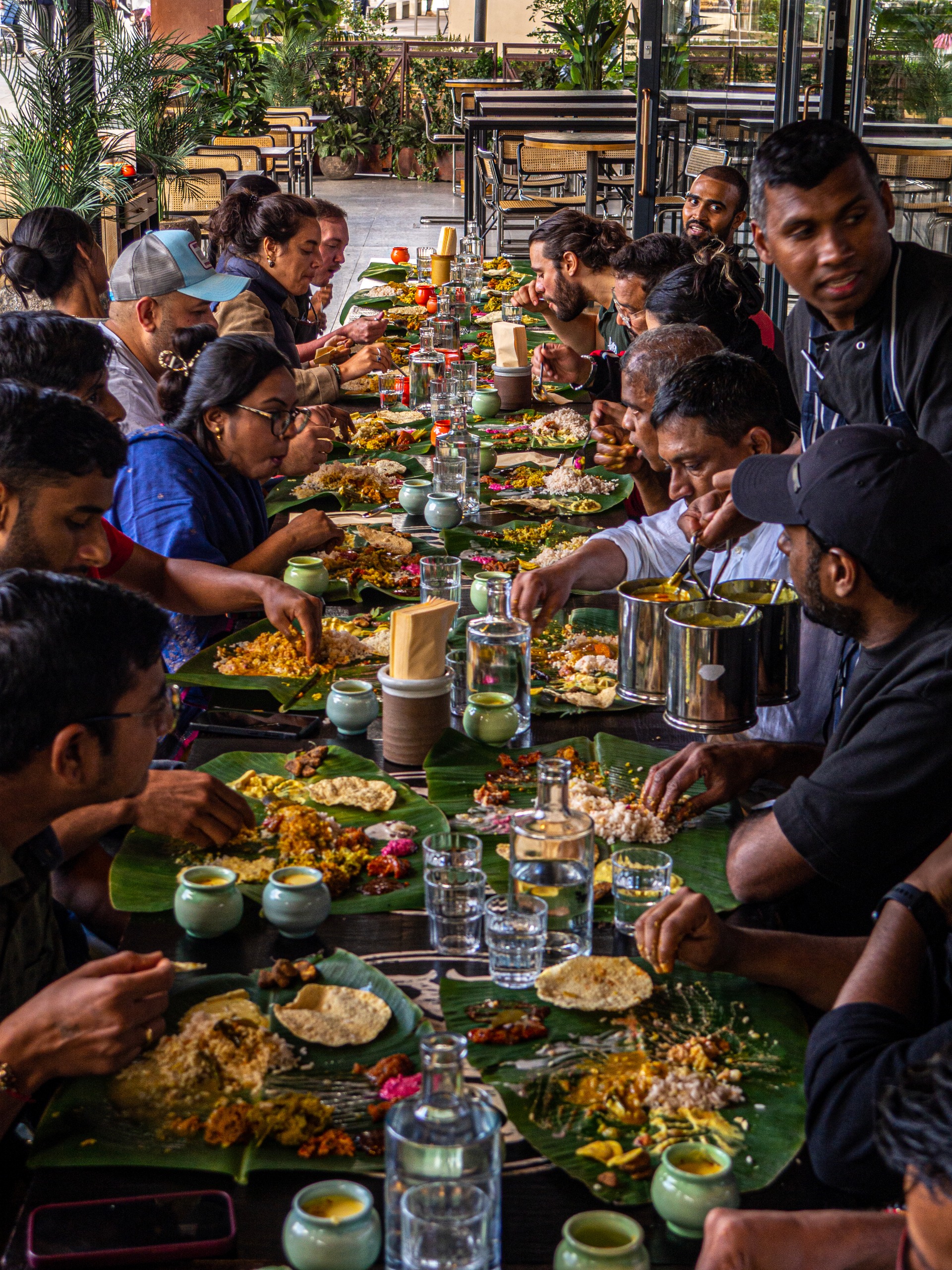
Amongst the latter, is a spectacular “56 bhog” inspired thali—the largest anywhere in the country, beating the sadhyas, currently fashionable, in a good way. I eat an abridged version (because that feast is obviously meant to be shared) but am struck not just by the safed maans and the junglee maans, which along with lal maans make up the holy troika of Rajput meat-ghee-spice laced stews, at least the most popular, or even by the daal-baati-churma that is a must for any traveller to Rajasthan, but by simpler, more elusive vegetarian dishes.
Matera-hari pyaaz is a Marwari watermelon preparation, cooked from the less sweet, greener, local variety. A version of it exists in the larger Rajasthani Kayasth repertoire of my community’s cooking too. But it is nice to find it on a hotel menu. Then, there is the chakki ki subzi—all gluten, made by painstakingly washing off the starch from wheat dough. The resulting nuggets have a meaty texture and this was a mock meat dish of great antiquity. That Fairmont Udaipur Palace is able to pull this off with exactitude is a testimony to the seriousness of its kitchen.
For the weekend royal, top notch gourmet delights must also be matched by a spa; a space that is getting increasingly competitive. But this one is unmissable, with a unique programme created by spa director Charu Lal, using natural products customised by her. I check in for an infinitely relaxing and therapeutic potli massage, though you could also opt for the likes of heated bamboo sticks rolled on your fascia to relieve deep tissue stress. I have asked my butler (assigned to suites only) to ensure that I am out in time to catch my flight back and she does, whisking me away in my cloud of perfumed relaxation. But then, we are entering an age when the hustle culture is over. A new traveller who seeks self care—and pampering—as a measure of success has filled the room. India and its all-frills hotels may be just your vibe.
Avatar photo
About Author

FTAlmanac

Leave a Reply