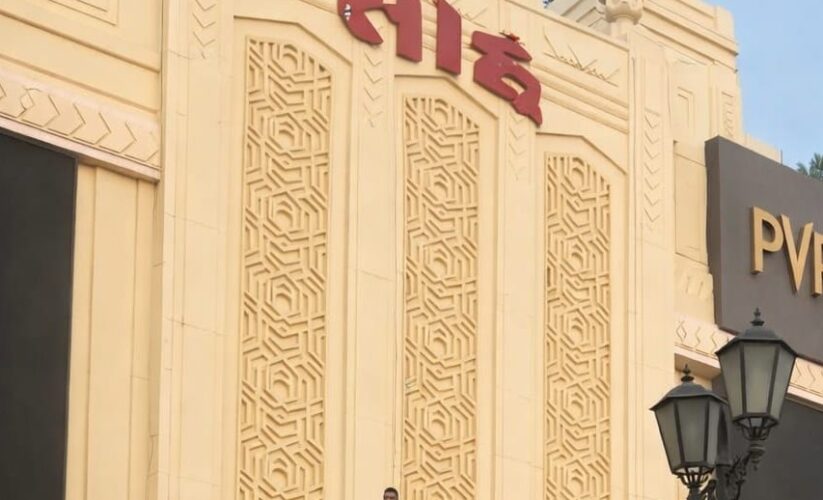
24 hours in Lucknow

 Anoothi Vishal went back after three decades and tasted more than nostalgia! Lucknowi food can be seen as India’s first modern cuisine with highly paid professional chefs contouring it. That sophistication and gentrification is still to be tasted in a city where new enterprise and energy are evident (for the better)
By Anoothi Vishal
Last year, before Nakhlau, as it was once called affectionately, bagged its crown as a UNESCO city of food, I kept going back to the city—in my dreams; retracing the route that I had taken every day to school, in a “tempo”, sometimes even borne on a cycle rickshaw, 35 years ago!
Past Talkatora, with its historic karbala, past the remains of the Tikait Rai talaab, a tank built by Tikait Rai, the Kayasth diwan of the nawab Asaf-ud-daula (1791-1796). On towards Bulaki Adda, even then crowded with its smattering of old eateries and homes, to Chowk, the crowded heart of old Lucknow, romanticised for its tundey kebab, and chikan, but where Lucknow’s felicity with language and wit was equally evident in bazaar ditties such as “Janab Hazrat-e-Ghalib jab yahan aaye, pakar ke baith gaye woh Rahim ke paaye” (loosely meaning, when the poet Ghalib, who famously didn’t like Lucknow, came to stay here, he sat down holding on to Rahim’s dish—a play on feet). From there on to the edges of where the old city met the posh, past its Bara Imambara, towards Hazratganj, where bookstores, cream rolls, cinema and “Ganjing” beckoned those who’d want to play truant on a school day!
This was the mental route that I wanted to physically retake when I went back to the city that had been home, three decades and more, earlier. But Lucknow has changed and some things are better left to memory alone.
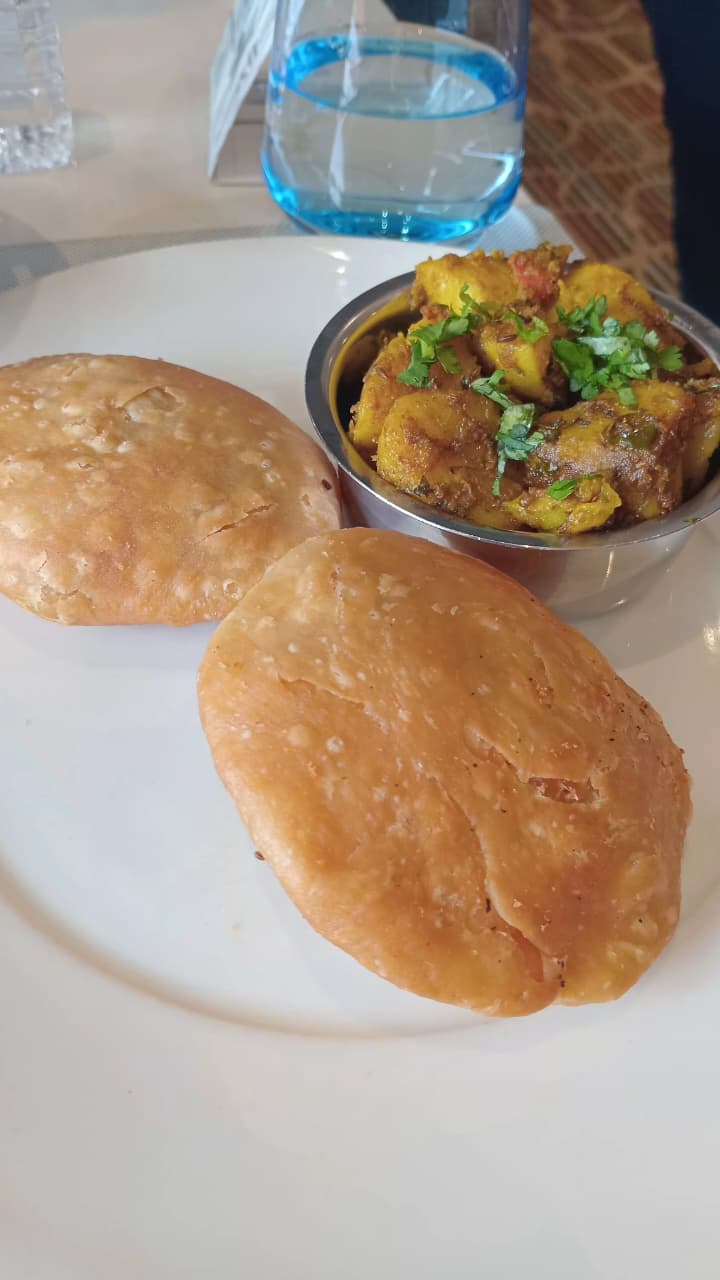
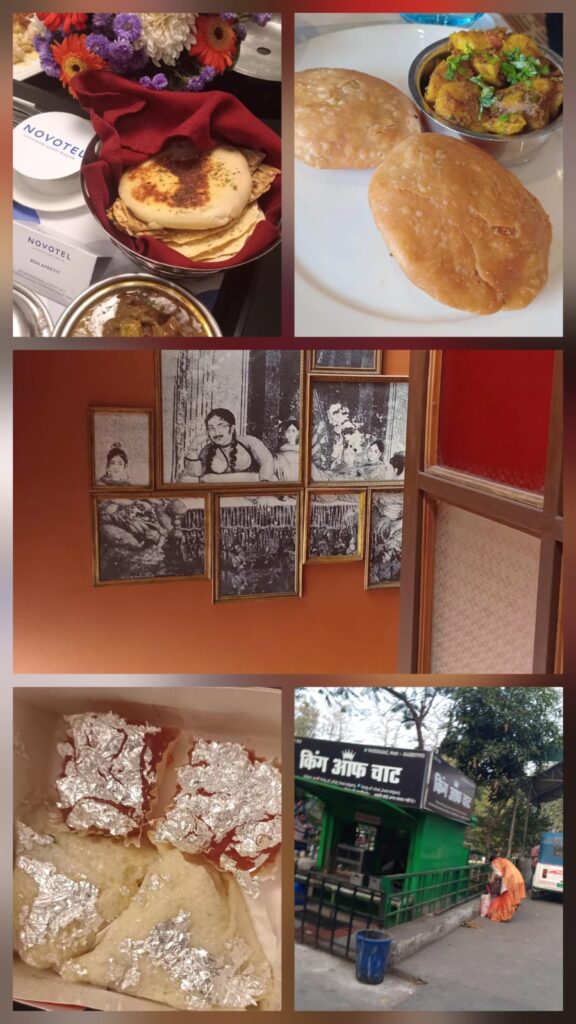
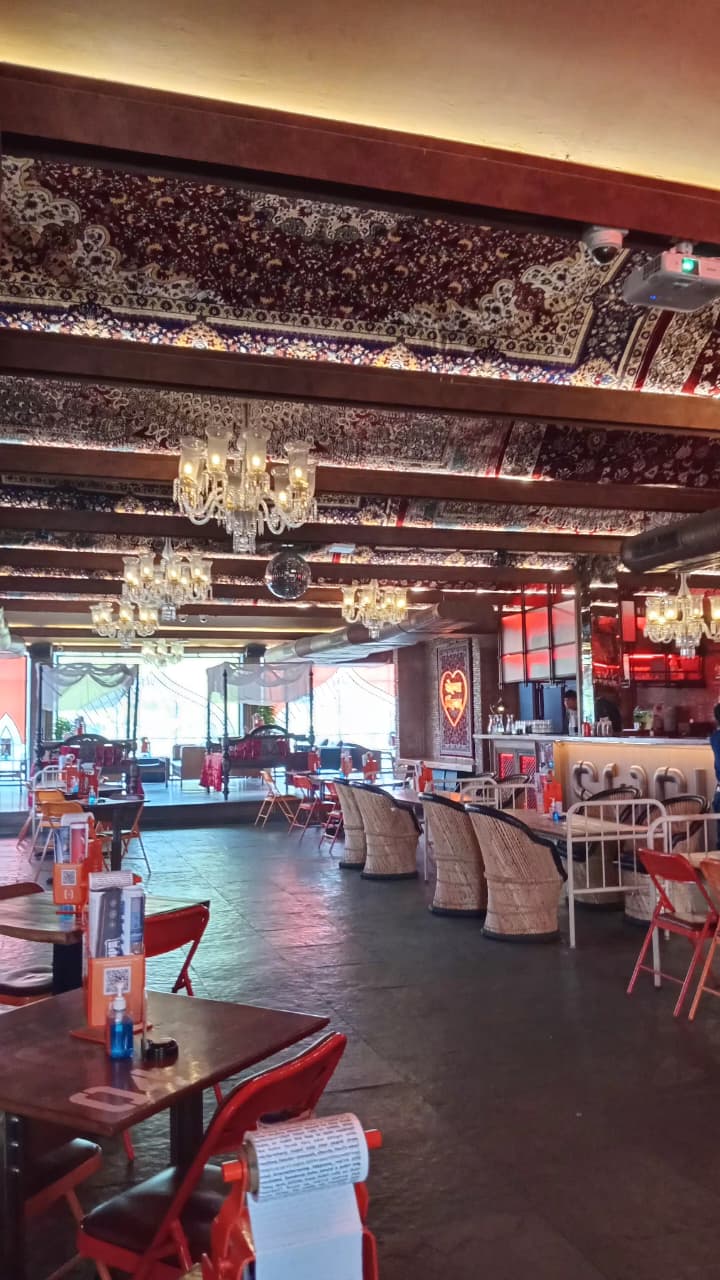
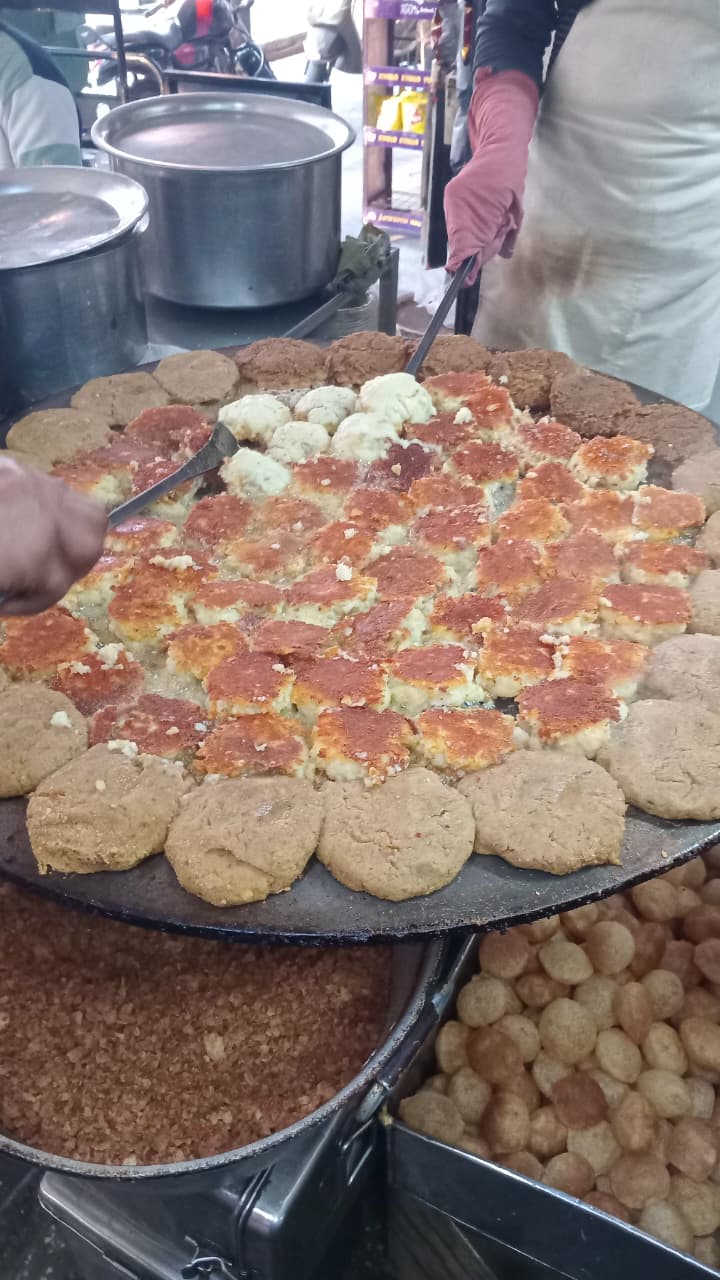
From the sprawling terrace of Social Hazratganj, I take in the new-yet-old charms of Lucknow, where a new sense of enterprise has clearly emerged in the last few years, and many younger Lucknowiites have come back to their city, even as the Gomti Nagar elite seeks the glocal. Home grown brands such as The Hazelnut Factory (a café chain), or Ada (a chikan-work clothing chain) are taking Lucknow to the world even as national chains like Social, with its gorgeous interiors play on the past but in a new language. Cities evolve, they need to if they are not to crumble to dust and be shackled to an image contoured by nostalgia. In Lucknow, a lot of the change is for the better—monuments and buildings look cleaner, the roads broader and the cinemas and chaat shops more cosmopolitan. At 4 pm, as evening descends, it’s great to see families, women in twos and threes snacking on aloo tikki and matara, providing local and not tourist-driven-alone patronage to the eateries. In my day, we’d go to the impossibly crowded Aminabad even then for pattals of these. Ganj had just King of Chaat, more expensive and “elite”, if chaat shops can be, than everything else in the city. At Jain’s, the chaat shop many old Lucknowallahs reccoed to me as their current favourite (instead of Shuklaji, who continues to be the tourist favourite) things are fairly crowded but not overwhelmingly so. They are also very well organised and thanks to the gentrified crowd there is more respectful personal space than you perhaps find in many other crowded quarters, and certainly what you may have found as a woman in the days bygone.
Lucknow’s growing middle class has made the city better to navigate for its women. This was my first-hand impression in the quick 24 hours I spent here, trying to eat my way through the city. And shop. And take back a piece of my heart left behind.
Tehzeeb, tameez, past continuous
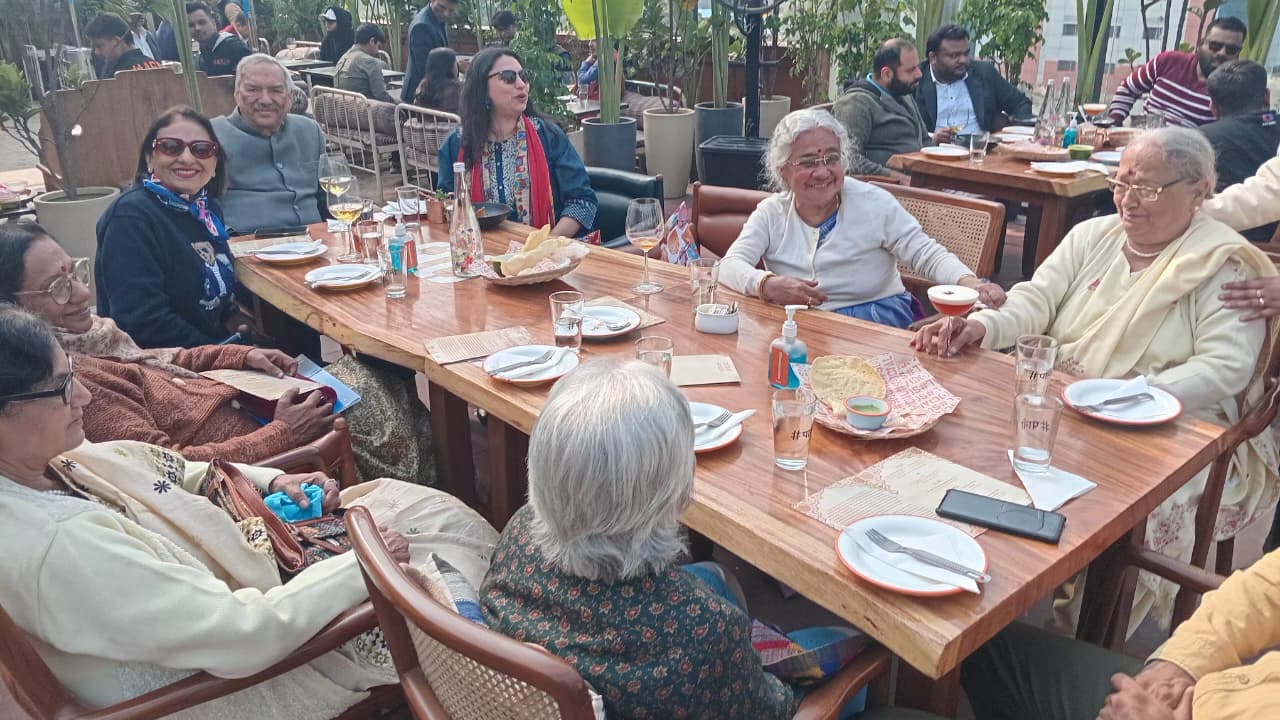
Sanatkada, that has become a mainstay in Lucknow’s social calendar, is in progress the day I am there. Samir Kuckreja, whose sister Madhvi is the founder of this very credible cultural festival seeking to spotlight Lucknowi culture including culinary, has sent me a list of the food stalls with food by many a home cook; dishes that are the highlights for many visiting this festival. But I am here to partake of another Lucknow. At Social, past the Wajid Ali Shah quirky referencing, past the gorgeously carpeted and chandeliered ceiling (!), up a staircase, I arrive at the chhath, where Lucknow’s young and old have gathered. Five of my teachers from 35 years ago are gathered. As are the city’s young entrepreneurs, social, business leaders. And there are family friends whose roots go back to pre-partition Lucknow and longer. Chef Shamsul’s food could be a leit motif for the afternoon: It contemporarises the classics—not for tourists but for Lucknowwallahs themselves. We taste the city as Insiders. Not consume it as the exotic, as so many of those 19th century travellers to Lucknow; merchants, adventurers, colonisers, did via a gaze that we, in the wake of Said, now recognise as “Orientalism”.
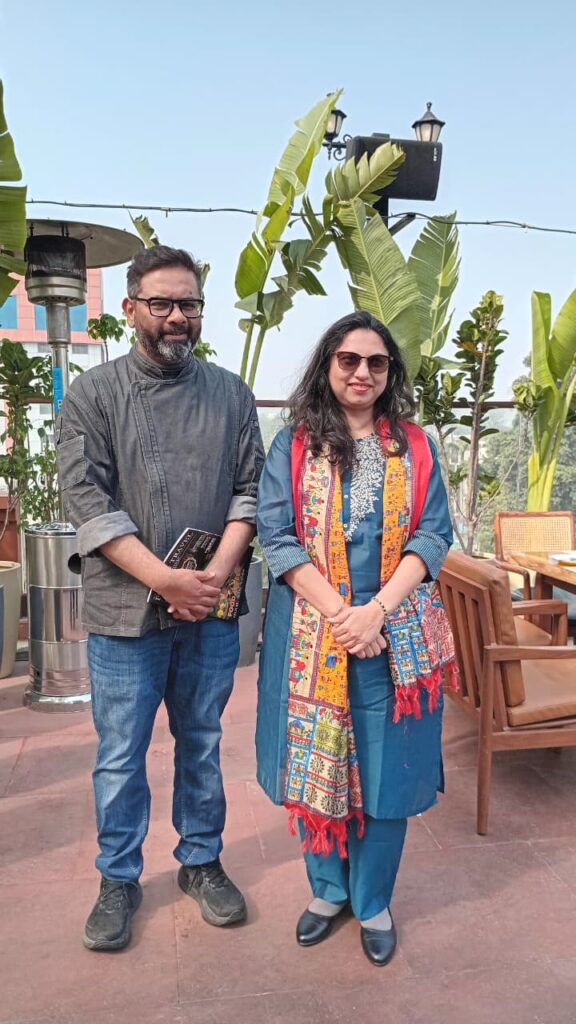
This is a Lucknow by Lucknow for Lucknow. There’s barley dahi gujiyas with buckwheat papdi, there’s a bhoona wheat stew that riffs off the Harissa or Khichda or Haleem of older cultures, there’s galawati pate, where the wheel comes a full circle, what with the French pate that may have in fact inspired the cult of the melt-in-the-mouth galawati in the first place (Lucknow’s French connection after all is not disappeared entirely) and then there is the croissant jalebi with apricot rabdi. It is delicious, nouvelle for Lucknow, familiar and rooted nevertheless. A cheffy take in a city that birthed the first Indian “chefs”, respected, clever, highly paid, coveted. The rikabdaars.
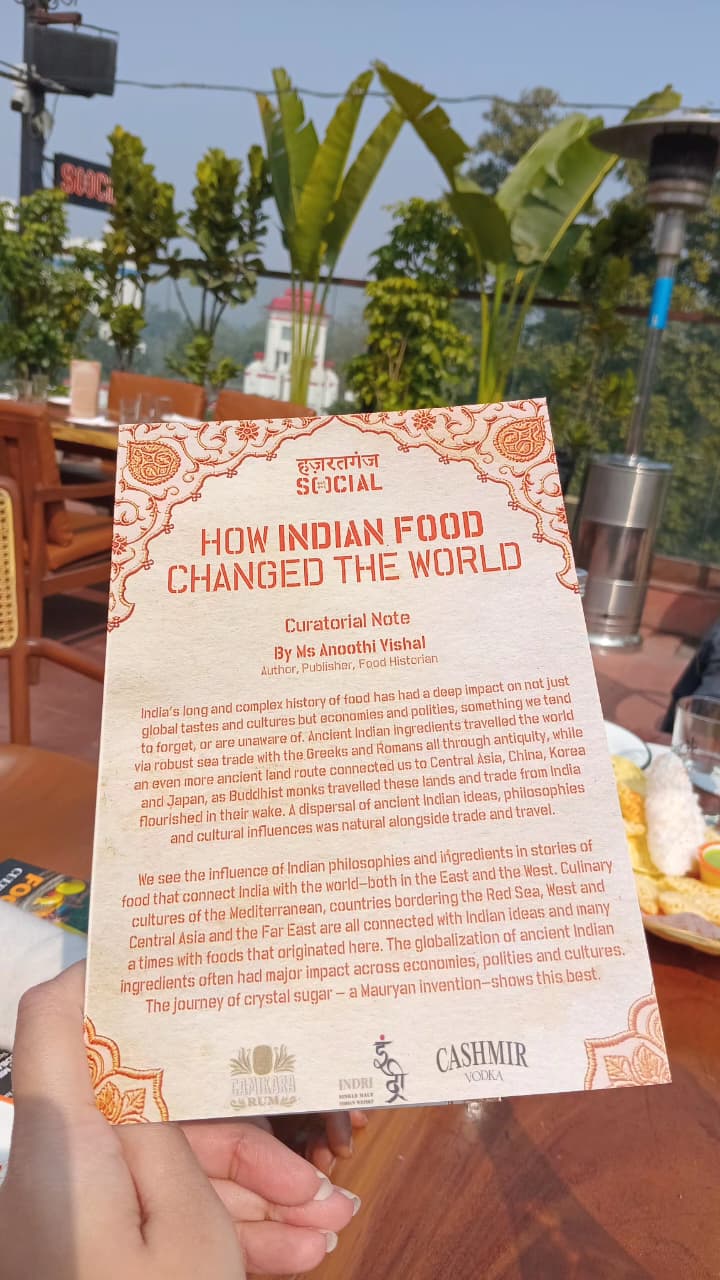
Singh aunty, my mother’s friend, is persuaded to try the Camikara meets kashmiri green tea cocktail that is doing the rounds under the brilliant sun. I talk “How Indian Food Changed The World” with my English and history teachers from Class 8 paying full attention. It is surreal, but real. Kakku uncle, whose ancestors were exiled by the British to Gonda after the Anglo Afghan and Anglo Sikh wars, and whose grandfather finally settled in Lucknow before Partition in a house that seemed like a castle to us children; a sort of Narniaesque portal with thrilling perhaps absolutely made-up legends around hidden tunnels and turrets, gives me his food reccos. And when we drive back, the driver takes me past the Haathi Park and Nimbu Park and the Rumi Darwaza and the “new” promenade along the Gomti, all courtesy that is firmly embedded in Lucknow’s lifestyle. You just don’t find such a polite world any where else. Even now.
India’s first modern cuisine
How much can you eat in 24 hours? A lot. Gastronomic tourism is at an all time high. When I meet my classmate Dr Sarika, who I have not met since high school, she scolds me for not staying with her. “The next time, I will take you to my kachori walla, and chai shop, and samosa place”. Lucknow’s exquisite vegetarian khana lives on in memories of Net Ram, the halwai, who had catered a meal at my youngest chacha’s wedding, and in talk of food of the “janwasas” (where the bridegroom’s party was hosted, pre destination wedding days) that chef Ghulam Qureshi of Dumpukht, one of the last remaining flagbearers of Lucknow’s nawabi food legacy, mentions a few evenings later. Ghulam, as also his father-in-law Imtiaz Quereshi, both legendary chefs who brought Lucknowi food to Delhi and the country via the ITC Hotels, remembers cooking for many Kayasth (my community) functions as also catering meals to La Martiniere boys’ school. When he talks of janwasas, it brings back another world of my grandparents, its etiquette, cultural moorings in a slower past.
Today, in Lucknow, I am happy to discover, the deliciousness and the aromas of that culture remain not just preserved but heightened, almost everywhere. Clarks Avadh was where fabulous, gentrified kakori would be served, along with a panoramic view of the Gomti, from Falaknuma, its rooftop restaurant. That remains. But even at the Novotel, where I am staying, chef Arjun Thakur serves up the most fantastic nihari and kulcha; the kulcha being a true Lucknowi kulcha, utterly butterly crisp on the top, soft inside, more a cousin of the baguette than the brioche and milk breads that have permeated the modern restaurant universe.
I go back to Ram Asrey for the malai paan, or balai ki gilori as it was called earlier (“balai”, a nawabi affectation), that originated here. Though Sarika says many now do it well in the city, I have yet to come across even a competent, forget exquisite, version outside Luckow. I also buy the rather syrupy Narangi barfi, made with oranges, highly seasonal, a reminiscent of 19th century culinary sophistication that turned everything from bottle gourd to bitter gourd into sweets. The key to the technique is not a rought pulverisation but cutting the fruit or vegetables in “lachchas”, thin strands. Indian chefs always played up textures in everything and the way you cut vegetables was with as much dexterity as modern sashimi chefs; an acquired art and taste.
Lucknowi food borrows from the countryside of Avadh but is distinct from it in its sophistication and finesse. Technique, subtlety and nuance are king. They may not be visible everywhere today, but look and eat closely, if there’s one city where you may discover the making of modern sophistication, it is here in Lucknow!