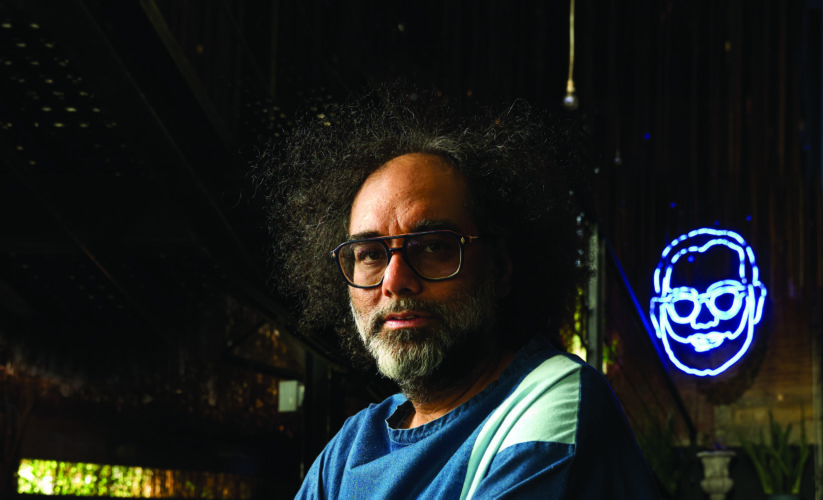
Aowa and the Art of Un-Fining Dining!

Gaggan Anand has broken rules and challenged the form of Indian food. Now, he is defying
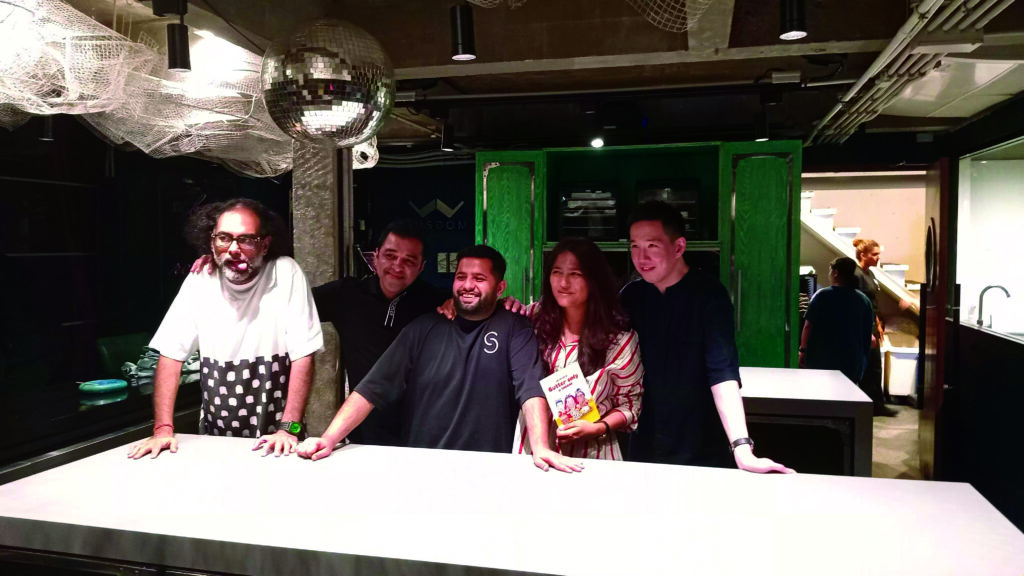
the self-appointed virtuousness of “fine dining” and demolishing hypocrisies that have crept into stories around it. Gaggan Bangkok’s highly-technical dishes coexists with a disco ball, guests singing along, chefs dancing and declaiming even as they plate with precision. It is unique and authentic food-theatre that cannot be replicated— and a magnetic tour- de-force for an entire community of younger top chefs of Asia, finds Anoothi Vishal, who checks out the first ever collab at Gaggan, by Masque’s Varun Totlani and Dej Kewkacha, Asia’s best pastry chef.
By Anoothi Vishal
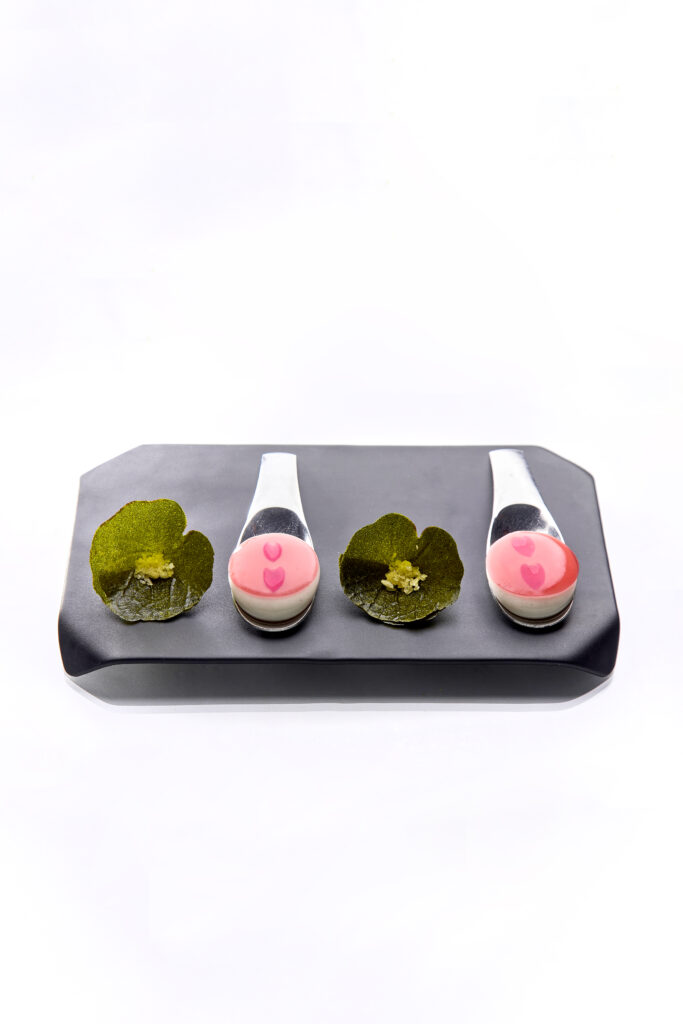
I am not sure if he has read any Shakespeare, but Gaggan Anand, one of the world’s most celebrated chefs, inherently channels the dramatic. At Gaggan, his eponymous Bangkok restaurant, routinely rated amongst the top globally, there is theatre that unfolds in five acts of classical drama. Acts 1 and 2 are devoted to India and Japan, his “heart”, as Gaggan puts it. Act 3 is Thailand, his home. Act 4 is “communal cooking”, hot dishes some cooked right in front of you, served to just 14 diners who typically pay around Rs 40,000-45,000 per head at each seating. Act 5 is “leaves and flowers”— desserts which look pretty but also make some points.
And that’s the point. As you go through 25 dishes, and an almost 3 hour-long odyssey that begins and ends with Gaggan’s most famous creations, the “yoghurt explosion” (dahi papdi as a spherefication), and “Lick Me Up” (that Gaggan had concocted as a snarky comment, as I suspect, on sycophancy inherent in Indian, (and other societies), the fact that this is food that is making a comment on the world and breaking its hierarchies, is its most entertaining, provoking and engaging part. Not taste alone, it’s much more.
Over the years, both the taste and “Indian nuances” of Gaggan’s food have seen a steady evolution and even on its own, with the technical wizardy of his dishes, the tasting menu would command attention and high- paying customers. But why I would go for this meal, and recommend that you go if you haven’t, is not just to eat excellently cooked food or drink well sourced growers’ champagne with zero dosage and its ilk that the Serbian sommelier and director of operations Valdamir Kojic pours, but instead to listen, to witness a whole performance. This is food theatre unlike any you have seen, call it “theatre of the curd” after the yoghurt explosion or anything witty you can come up with. But at its heart, this is an unfiltered, authentic version of the chef as an artist— responding to the world around him, calling out its hypocrisies, questioning disparity that only a Xennial Calcutta boy who was once a drummer at Someplace Else and who got literally burned during his first tryst with Indian hotels (a chef handed him a hot skewer from the tandoor deliberately to “brand” a lesson about tough chef lives) can, even as he serves expensive food to the global elite.
A shiny disco ball lights up above the counter with plates. And Gaggan’s playlist turns to “aowa aowa”… “bang bang” — Mithun da’s equivalent of Saturday Night Fever that had a generation of the 1980s kids break into disco. And as the high-energy narrative with high-tech food spotlights life, restaurants, food and society, as chefs dance and declaim, the theatrical fourth wall is dissolved: the audience too sings along, becoming part of this theatre and feeling perhaps as rebellious as the chef. This is the most refreshing version of fine dining that you have in the world today — one that demolishes the tedium of pompous tasting menus, borrowed ideas and questions elitism inherent in these —even as the elite (because that’s what we are, dear reader) join the chorus! Gaggan is so unapologetic and authentic, that you are riveted and invested in this whole thing.
Performance on a platter, and no, art isn’t just pretty plates
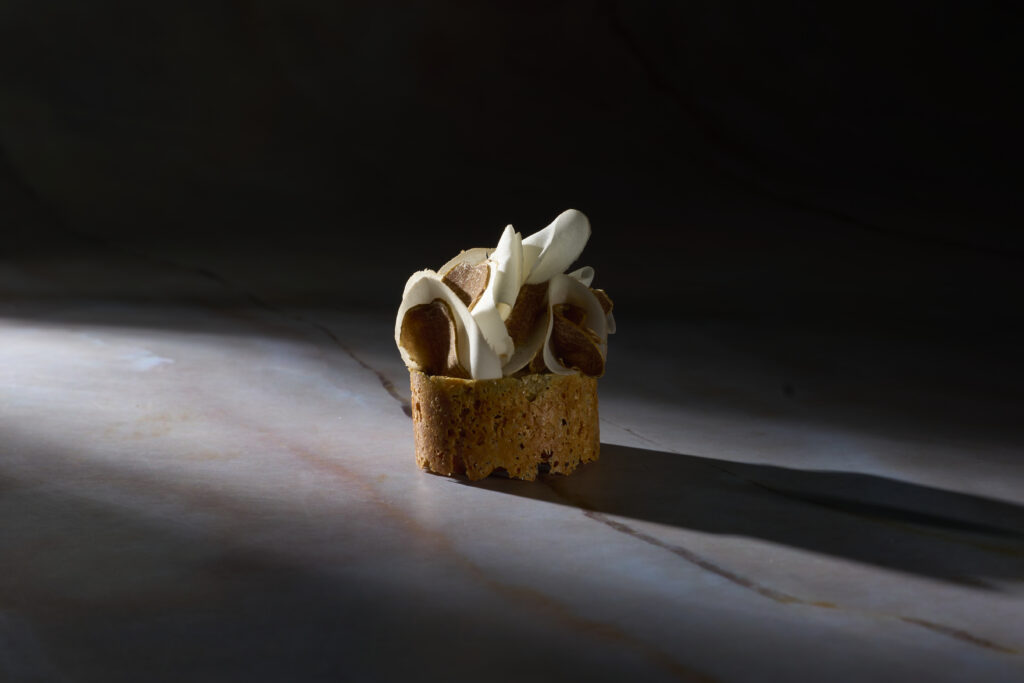
Art has become a much-abused term in the world of fine- dining. Every top chef is deemed to be creating it. What we get however are more often than not pretty plates but vacuous and borrowed thoughts in swish restaurants. If authenticity of thought is a pre-requisite to art, it is only a rare chef like Gaggan with his daring in questioning convention both on his plates and via his performance who actually creates something first-hand.
Right from the savoury ghewar, a canape of sorts with the cheapest mushroom visible on top, while the prized Alba white truffle sits snuggled at the base, to what I mentally dub the “bheja-fried” course—green curry shaped like a brain with an accompanying exaggerated, ridiculous story of it being the brain of the house lizard (!), everything that you eat at Gaggan’s is a commentary on the politics and economics of food. Mushrooms challenge hierarchies and perceptions of what is prized. The ridiculous lizard tale is a tirade against green washing rampant in fine dining. Gaggan is not afraid to call out the myth of “sustainability” within expensive restaurants. Today’s chefs have become cultural influencers and tend to give themselves false airs of virtuousness. But there is inherent hypocrisy in any claim of saving the world, its environment and local cultures with Rs 50,000 per head meal built on hierarchies of ingredients, invisible labour and the privilege of diners flying or driving down (in petro-fueled cars or jets) to splurge on competitive dining. When Gaggan tells you that he will ban cell phones and photography in his restaurant, after it comes back refurbished in a couple of months, it is also taking on this cult of FOMO.
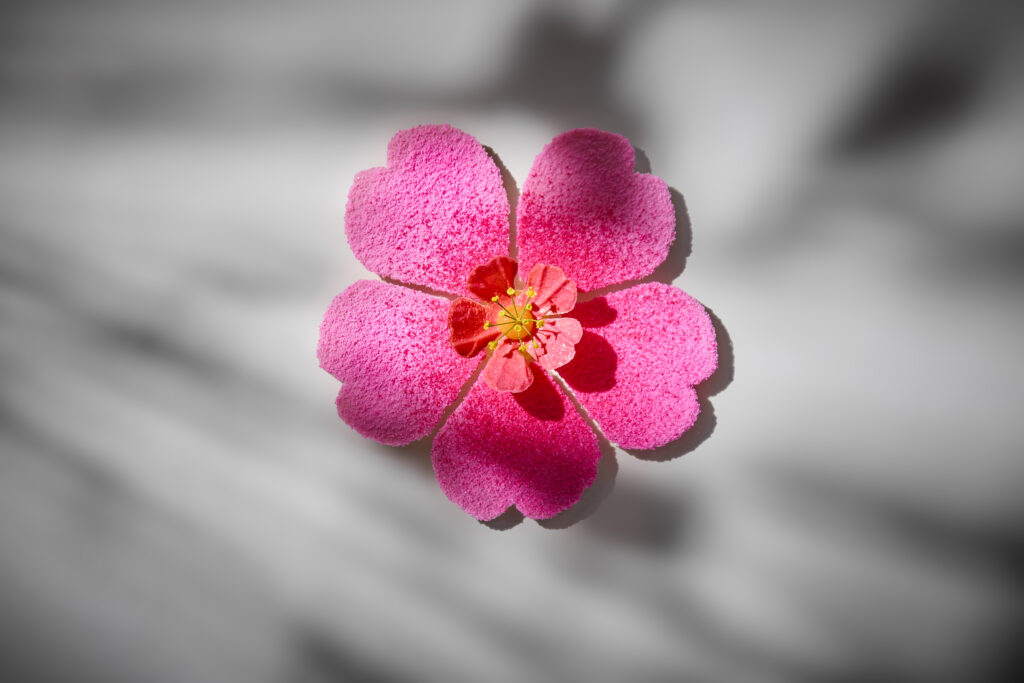
This “theatre of the curd”, as I begin to call it, pulsates with energy and questions at every bite; demolishing notions around old and now fast getting outdated notions of elite dining that often followed rules and protocol meant to establish social exclusivity. At the end of this theatre, you are called upon to lick the plate— an ultimate democratising instinct at play by a chef who has had a pretty chequered life, and who first thinks of his music and then his dishes in every “script” he writes for his kitchen performances.
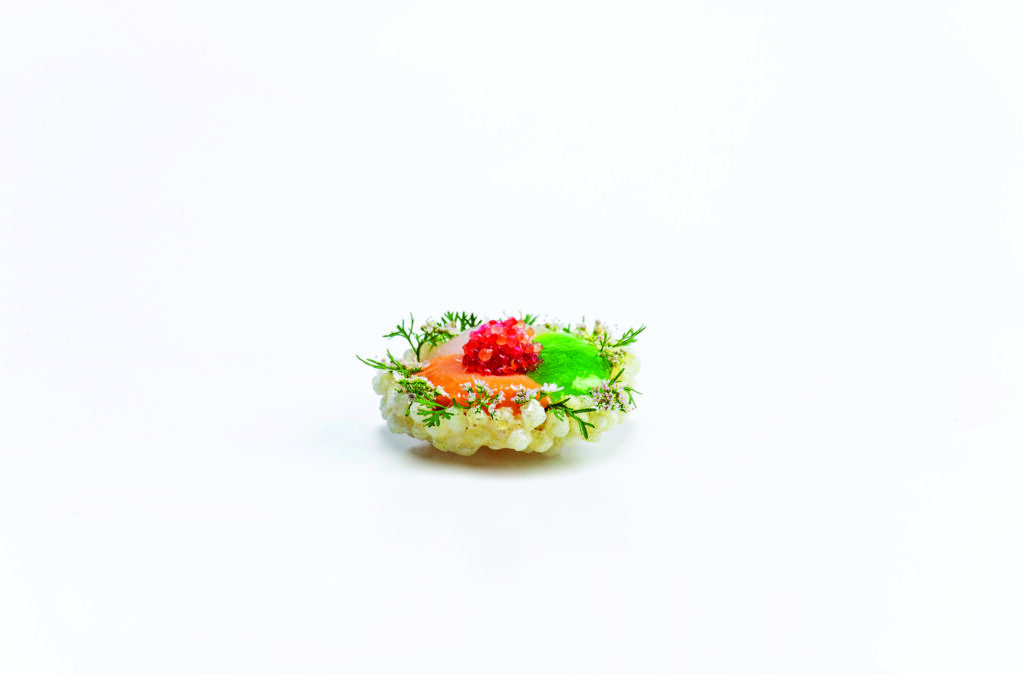
This sort of unique-ness and individualism cannot be copied. Every chef who has tried to copy Gaggan cannot replicate the depth of life experience inherent in the food and the performance. When Gaggan is not around, his chefs admit, the performance is not the same. How can it be? But what the restaurant and Gaggan’s growing collection of these (he is set to open a unique hotel in Japan in an old sake distillery with all his “experiences”) has become is a focal point— a tour de force, for Asia’s best chefs.
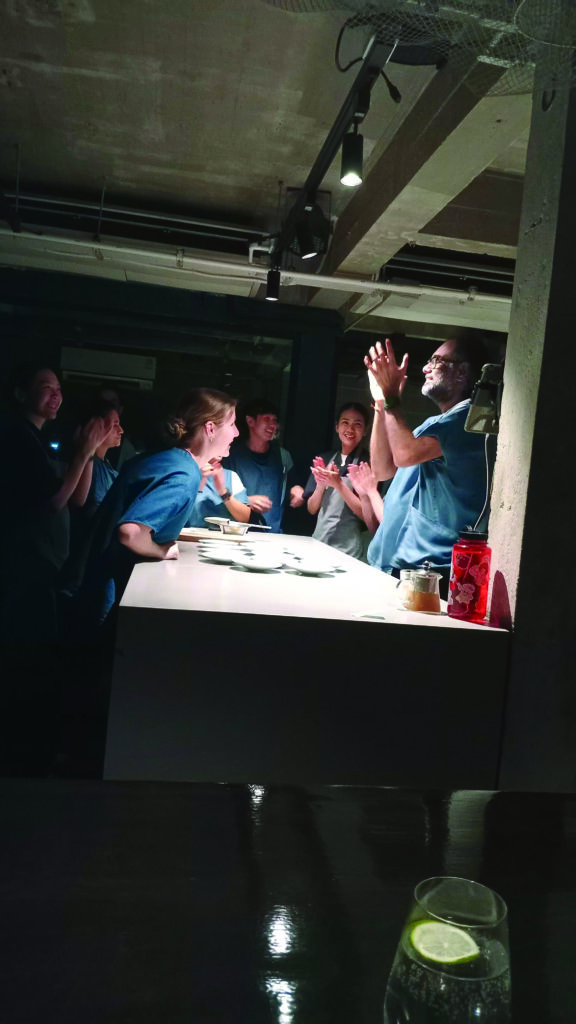
A tour-de-force for Asia’s best chefs
Younger chefs, the best of their generations, such as Varun Totlani of Masque in Mumbai, acknowledge how inspired they are by Gaggan’s journey and work. This April, Gaggan gave out his restaurant for the first time for a pop up — a collab with Totlani and Dej Kewkacha, Asia’s best pastry chef, both of who created some stellar riffs on Gaggan’s own iconic dishes, before coming together to show case their own individual and jointly conceived and cooked dishes. Both managed to more than hold their own— despite the acknowledged high-pressure of cooking and performing in a kitchen “after you have seen this”, as Totlani admitted.
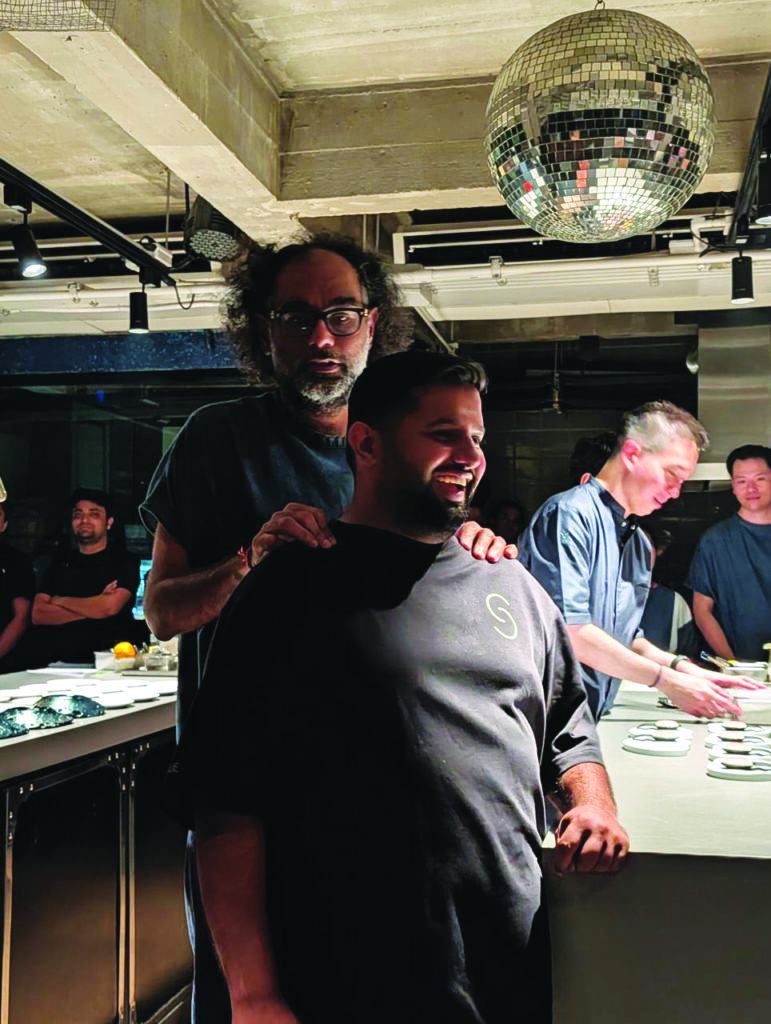
Totlani was able to bring his own touches of hyper local Indian tastes to Gaggan’s star dishes — he improvised on the yoghurt explosion by adding green chillies, chunda to the “papadum”, carrot rasam to the ghewar, and a first rate paturi inspired by an older Gaggan dish. He then showed off his own signatures — an inspiration based on Trishna tandoori crab, a duck kathi roll inspired by Ayub’s street eats: food that was sophisticated yet rooted. For Gaggan’s part, he literally played along (the music) and I cannot think of any other chef who can so whole-heartedly support younger chefs in his kitchen. Most tend to bicker and pull down others in this uber competitive space.
In fact, in the audience that gravitated to see this collab were other chefs, all Asia’s stars: Chefs Ton and Tam from Nusara (the beautiful Bangkok restaurant named after their grandmother), Darshan Munidasa, Sri Lanka’s most recognised chef globally, who has a restaurant in the neighbourhood, and of course Rydo Anton, Gaggan’s exec chef, and Dej Kewkacha, whose family owns Safari World, but who is a self-taught prodigy. This is a community of talent that may be akin to early 20th century creative cohorts in the salons of France: Hemingway, Fidgerald, Ezra Pound, Gertude Stein…
This bonding obviously inspires more creativity. One of the final dishes of the pop-up that has stayed with me is a pineapple-moilee-dosa – a dish jointly made by Varun and Dej, where dessert meets dosa meets a silken moilee meets an unconscious nod to Udupi temple food. As influences and thoughts merge, rebellion meets collaboration, a new definition of fine dining is emerging.