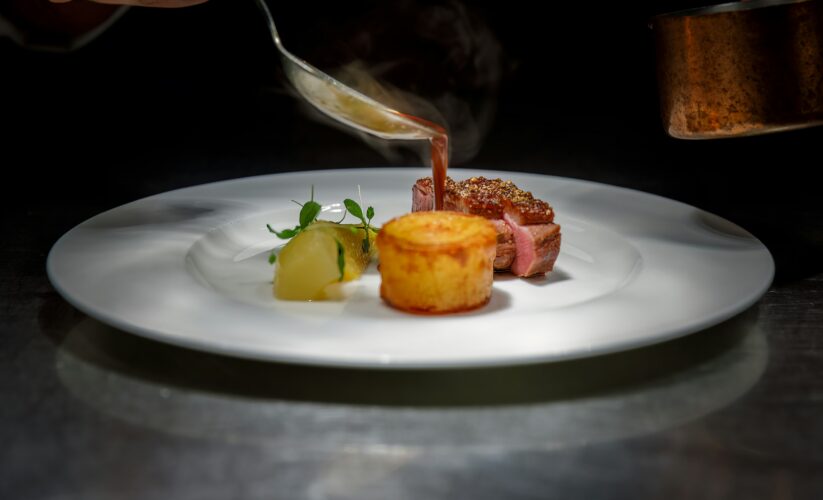
What exactly is fine dining today… and what is it not?


What exactly is fine dining today… and what is it not?
One of the world’s top chefs Bruno Verjus created a storm in the culinary world’s tea cup last week by declaring, “fine dining is dead”. As notions of luxury and the purpose of exclusive change, Anoothi Vishal challenges some currently fashionable definitions — in India — of “fine” food with its side of status
By Anoothi Vishal
Most people in India have not heard about this. But last week, Bruno Verjus, one of the world’s top chefs, who helms the Table in Paris, a restaurant consistently voted as among the world’s top 10 and holding 2 Michelin stars, created a storm in the proverbial tea cup by declaring that “fine dining is dead”. Verjus announced he is shutting his restaurant at the end of 2026, and will move to doing food that is simpler, faster, more affordable — and feeds more people.
This declaration has resulted in some of the world’s best-known chefs from prestigious luxury restaurants start conversations around the relevance of “fine dining” in an era where social media and marketing have upended notions of true originality, individuality and creativity. From the early-2000s to mid-2010s, the rise of small chef-led restaurants, the ones that we have come to see as aspirational for any foodie, changed the notion of an earlier stiff fine-dining. But today, many of these and their copy cats increasingly come across as FOMO-fuelled, award-hungry establishments that do not involve legit discovery for diners, only manufactured exclusivity.
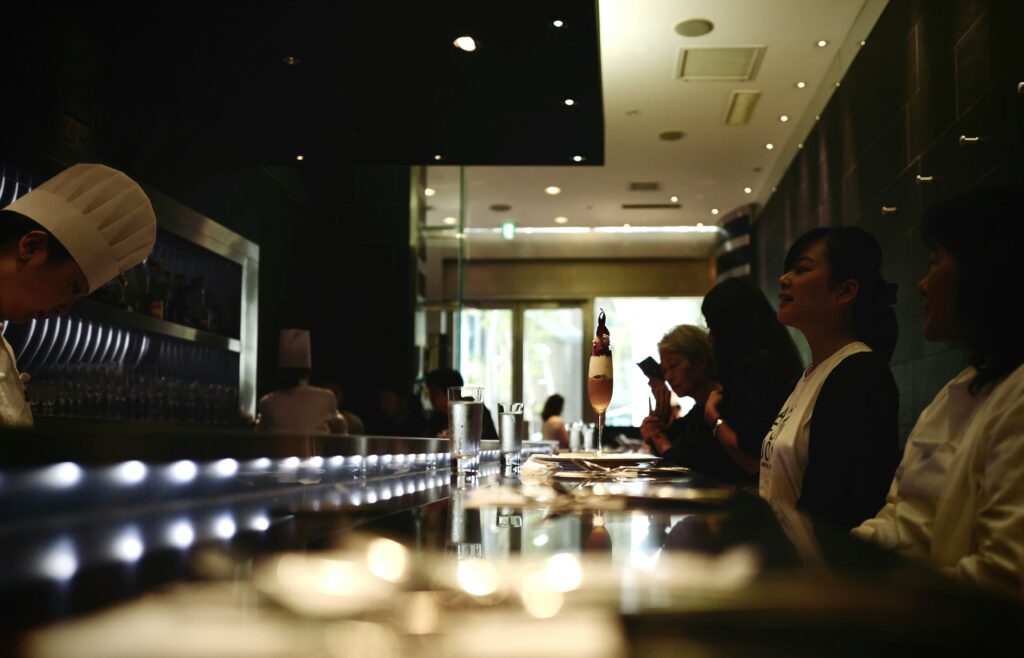
With the middle-class getting squeezed globally, and a simultaneous expansion in consumption by the growing class of the affluents, notions of traditional luxury as connoting prestige and status too have changed drastically. Handbags, destinations and restaurants are now more accessible than ever, consumed via omnipresent reels, and available for just about anyone with money to buy. In short, they have become commonplace within the class that is spending. Access to these is not by way of some hidden knowledge, mystique, alignment of values or any special good taste. When you have a dozen influencers going the same way, exclusivity effectively goes in the opposite direction. A refusal to consume these may be more prestigious than joining the herd!
With global crises staring us in the face, it is also debatable if going to an expensive restaurant or buying a monogrammed bag is any sign of good taste or thought. It increasingly seems like wannabe behaviour, particularly if performative and posted all over the gram. With Nomagate and what not, there are deeper questions as to ethics and whether any egotistical-manufactured “buzz” or fame and popularity are ultimately sustainable. Is it only consumer marketing and sponsorships that keep these restaurants afloat ultimately?
We have conclusively moved from the Gen X age, where price was determined by a colonial hierarchy of European ingredients—certain wines, certain mushrooms, certain fish roe preferred by the upper classes of a world driven by Colonialism. Today, Gen Z is questioning that historical baggage. Why isn’t hot and spicy food given the same “status” and respect as “clean” flavours based on the provenance of fish, citrus and herbs? Who determines good taste? As culturally-aware consumption gets prized, old notions are decimated.
If expensive ingredients alone no longer connote fine-dining, neither does an individual chef’s reputation because these, as I have said in the earlier graph, can get easily manufactured via sm campaigns. What El Bulli or Noma started — putting the premium on ideas, beliefs and techniques — of individualistic disruptors is itself disrupted. Social media has changed restaurants in a terrible way.
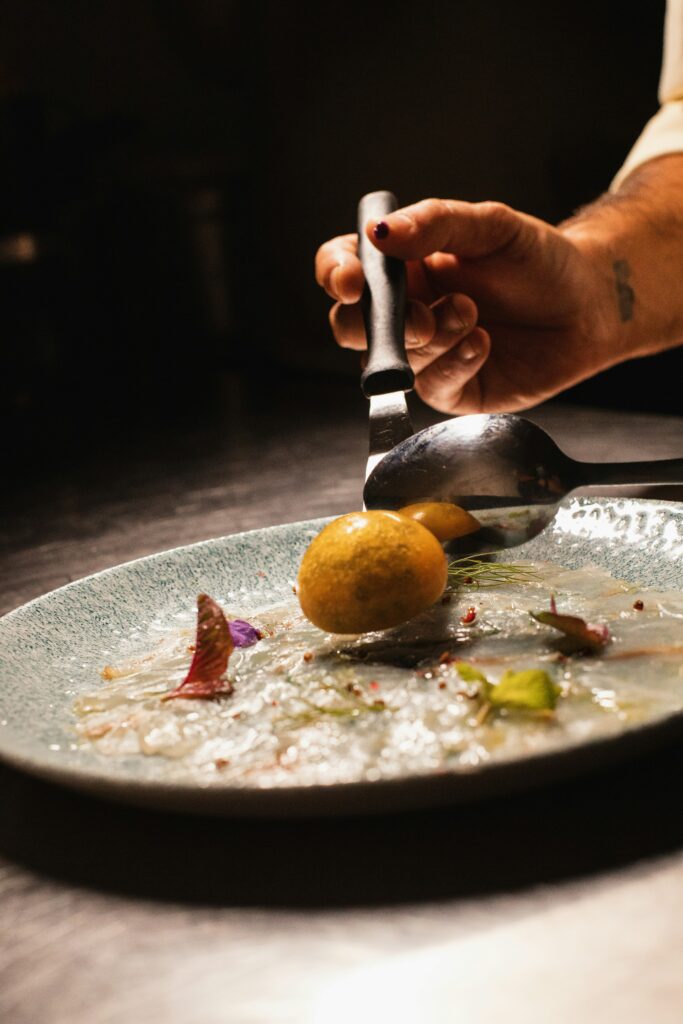
In this contrived world, Verjus’ instinct to breakaway and try to reclaim the original purpose of dining— social interactions, wholesomeness and nourishment for the body, heart and soul, seems pretty spot on to me. Out with the fake. Perhaps, going back to some semblance of the “real” is fine-dining, because of how rare it has become! This is what I increasingly seek when I go out. The 10 new fine-dining commandments, as I see them:
- Exit, the stiff and formal: White table cloths, intrusive, unnecessary service, wait staff rushing to fill the glass half full, or hanging near the table interrupting conversations or inner dialogue with self (if any) or slow ingestion (dieticians do tell you to chew 30 times!) is an anachronism from the 20th century. If our children call us “bro”, bro, how formal are we likely to like?
- Enter, the theatrical, but not as a substitute for skill and taste: If it is going to be a three-hour meal, never mind five, it had better be entertaining! Restaurant influencers may want to sit through very long meals which taste of nothing in particular and listen to chefs drone on and on (mostly unsubstantiated stories) but paying customers are bored and losing patience. If it is a long menu, it needs to have taste, skill and a touch of drama that doesn’t feel rehearsed.
- Ergo, no more tasting menus: I have said this ad nauseum: tasting menus are just plain tedious. And not all collections of small plates should be a tasting menu, in the hope that this automatically makes a restaurant award-worthy. With every half-baked chef plating mediocrity in courses, one-bites that are copy-pasted from a one-visit to a listed restaurant somewhere, or even after a “stage” (the concept of unpaid labour is another story) there leave us fatigued and traumatised.
- Tripods, pressure cookers, tree branches, XL plates… for dots… There was a time, when this may have been thought of as clever. That time is past.
- Before the art is the craft: In this day of hyperbolic praise conferred on virtually any one (we are all famous on the gram), it is easy to anoint every chef an “artist”. But every art has a craft that needs perfection. This is especially true if you are cooking Indian or even “Indianish” food, which doesn’t have recipes but multiple variations, including terrible ones on the streets. So, no, it is not enough to taste something off the street, and then come back and make it molecular! If deconstructing a biryani, at least first learn to cook as well as Ghulam Quereshi. Or, that Hyderabadi family’s cook.
- Embellished menu-writing doesn’t make it fine, only fraud: Yes, we know, “cultured butter” was cool on Scandi menus a (long) while ago, but there was a point to it— reclaiming fermentation in the age of sweet, industrial American butter. In the land of benne and bilona, what does cultured makhan on chicken tikka really mean? (Not to mention, it will become ghee any way in high heat from a tandoor!). Dal and murgh “makhni” were long using home-made, cost-effective “cultured” before families and restaurant pantries started stocking Amul. Drive down the highways, and you will still find freshly churned white makhan on gobhi parathas in dhabas. Copy pasting cultural cool to con customers is peak cringe.
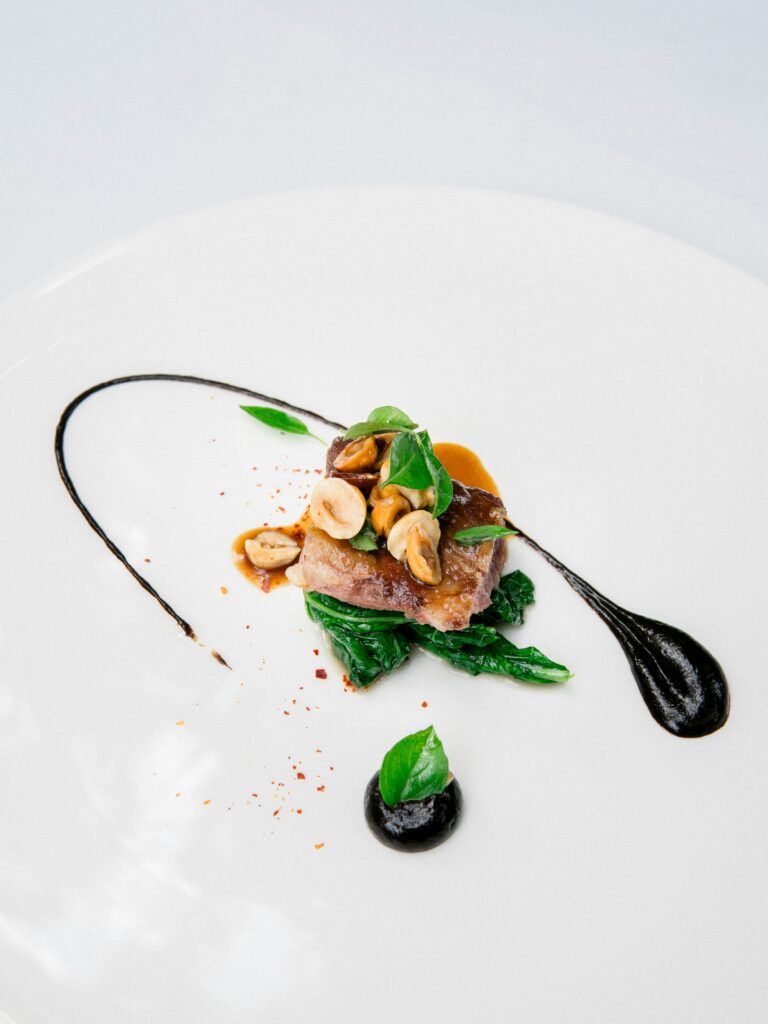
- Ingredient nazis spoil the broth: I get the excitement of working with local ingredients, particularly in India, where every region has so many, used in homes, but never a part of fancy restaurant menus. And also, the fact this makes more sense economically and ecologically than importing half the pantry. But when ingredients become the whole raison d’etre for any restaurant, used to market it as a local culture saviour, regardless of the fact that no local cooking methods or flavours are really discernible on the plate, I begin to question that “mission”. It easy for trout to become a marketing peg, conjure visions of angling in open streams (that may no longer exist unpolluted) in the minds of diners oblivious to how aquaculture is catching up, and not just for basa. But then, you are asking us to pay a premium for an image, not necessarily the food.
- Confounded by technique: If Gen X thought fine-dining was about ingredients, millennials in the Noma and El Bulli age started paying a premium to be dazzled by technique. There are restaurants that will try to confound (or impress) you by putting technique on the menu. But if the final taste is not enjoyable, stop getting impressed! It is also time for Indian chefs to actually deep dive into some Indian techniques and perfect these.
- Buzz kill: Too much buzz around a “prestige” opening? The PR has done a good job. You may want to go the opposite way. If it is mass, can it be aspirational?
- What’s “fine dining” then? In an ideal scenario for me: Where the chef is a bit shy, not publicity-hungry, where the cooking and ingredients are top class, no long explanations required, where the feel is warm, attentive, generous sans rehearsed jokes and “we’ve done you a favour by letting you in” fakery, where one enjoys either discovery or a lot of fun. With people one likes. Without necessarily the chef, restaurateur or PR machinery in sight. I can count just about 8 restaurants in India that fit the bill! Rare and therefore exclusive!