Much More Than Vegetables

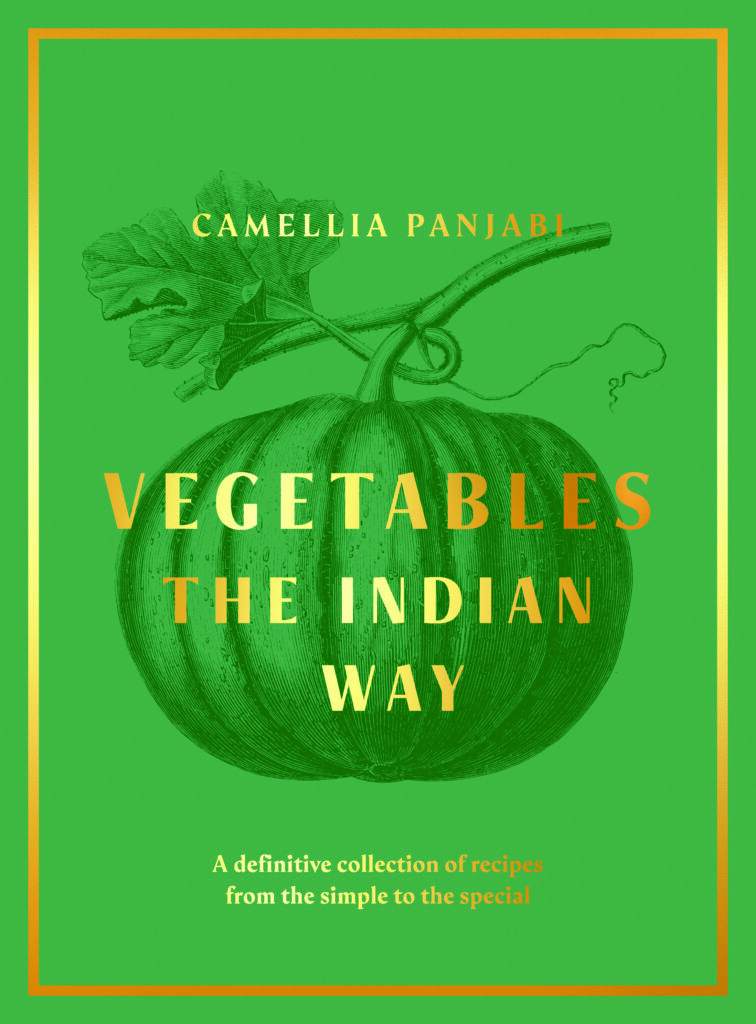
Camellia Panjabi’s latest book on vegetables, with heirloom recipes collected over decades,
is in fact a compendium on the vast and deep Indian cooking philosophies. By
Anoothi Vishal
It was during one of the
Covid lockdowns that
Camellia Panjabi embarked on the rather daunting task
of doing the definitive book on vegetables, cooked in the Indian
way. “Vegetables The Indian way”, she tells me, came about as Panjabi, the grand dame of
Indian restaurants in London (and before that in India, where she conceptualised and set up
some of the most famous ones at the Taj) realised that while “in the west, vegetarianism
was growing and many people
were writing on vegetables,
no one had done this in
India, even though we have the most extensive tradition of vegetarianism.” We talk
about the book for a bit at the Maharashtrian middle-class eatery in Dadar, Mumbai, we are lunching at — over tisrey
(clams), fried local fish and chicken ghee roast from India’s west coast.
A few weeks after this meal and conversation, I find the tome arrive at my desk, and begin to flip through it cursorily.
It’s a recipe book on vegetables after all, I think, only to sit up
after a few minutes, and spend the next few hours rivetted.
To call this a “vegetables” book is a gross understatement.
What Panjabi, known for her immense research into regional
Indian cuisines, has brought to life is in fact a book on the
complex and vast cooking philosophies of India: Its rituals,
Ayurvedic underpinnings, information and insights on
everything from naturopathy to A2 milk and even the feed
of cows in pre-modern India. Apart from sumptuous, precise
120 recipes, many of them heirloom, collected over the years
from some of the most elite homes in the country—and their
bawarchis!
It is a mind-boggling enterprise but written with great
clarity, and crispness so that not just non-Indians but an entire
new generation of Indians who do not really understand the
nuances, complexity and historicity of India’s great culinary
tradition can appreciate these easily but in all their enormity.
It is “a distillation of all that I know and have learnt”, Panjabi
tells you, and it is so. From someone who has been Indian
food’s most entrenched researcher, participant and witness,
it is an invaluable documentation of India’s heritage.
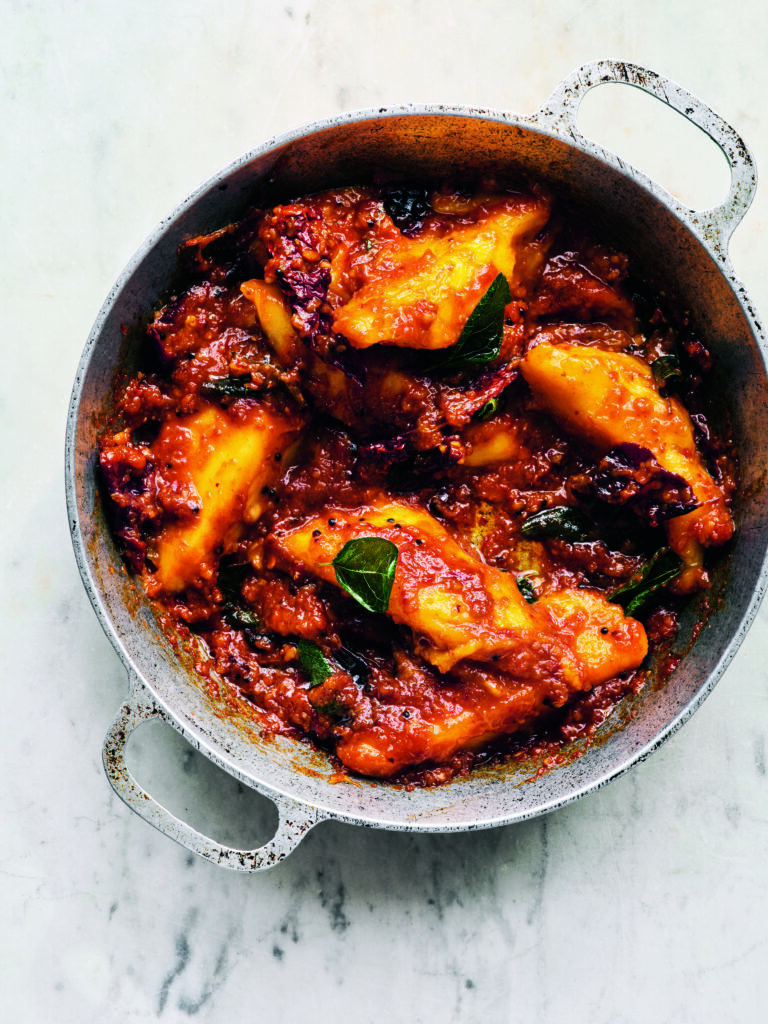
The vegetables themselves are grouped most sensibly
as roots, shoots, fruit, those growing on vines and shrubs,
underground and even underwater— aka the kand, mool,
phal of classical texts. Their regionality, seasonality, health
benefits are all touched upon, before Panjabi gives recipes that seem tasteful and precise.
While some are simple, quite a
few are gems from a great age
of patronage that food enjoyed
under the erstwhile royals.
A Hyderabadi pulao, for
instance, is layered, literally and
metaphorically, and is as good
as the famed biryani, the recipe
got from a famous bawarchi.
Panjabi’s enviable collection
comprises many such gems,
which would have been lost but
for her meticulous record keeping.
Each recipe that has obviously
been recreated in the kitchens of
the restaurants she helmed (MW
Eat, the company owned by her
sister Namita and brother-in-law
Ranjit, with acclaimed restaurants
such as Chutney Mary, Amaya
and Veeraswamy in London,
has just been sold to the Canadaheadquartered Fairfax holdings)
tempts you to cook. And even
though when I do cook, I prefer to
just go by my palate and not a recipe, I can see how the end
result may be better with Panjabi’s careful tips.
What accompanies the recipes is fascinating material
that has gone uncodified for far too long: ritualistic aspects
of Indian cooking and eating, including the idea of “jhoota”,
preference for eating in certain metal utensils (phool, kansa,
silver), the cult of the maharajas and their personal ritualistic
cleanliness in older kitchens, the use of spices, and ghee, also
different types of grain and souring agents which makes
Indian cooking distinct, Ayurvedic references, the concept of
hospitality itself that goes back to Vedic hymns… This is an
invaluable read for anyone wishing to understand the basis
of Indian cooking but without the obfuscation that sometimes
accompanies more academic writing.
The considerable knowledge on naturopathy and
holistic healing practices that Panjabi exhibits rivals those of
nutritionist and even doctor influencers pervasive on social
media these days— with clearer explanations.
For both the keen cooks, and those who would like to understand more the moorings of India’s cuisines, this one
is an excellent keepsake. Restaurants today who employ
researchers to study indigenous ingredients may also find
this a very valuable tome to put on their kitchen shelves
VEGETABLES THE INDIAN WAY
A definitive collection of recipes from the simple to the special
Camellia Panjabi
Michael Joseph
Price: Rs 1999