When Cuisine is a Passport

 Sindhi food is stateless. People who were
displaced carried memories of a home
they never saw via their cuisine, which
offers both comfort and sophistication with
extraordinary dishes like pickles, breads and
layered rice preparations. So, why is Sindhi
food still largely invisible? By
Vicky Ratnani
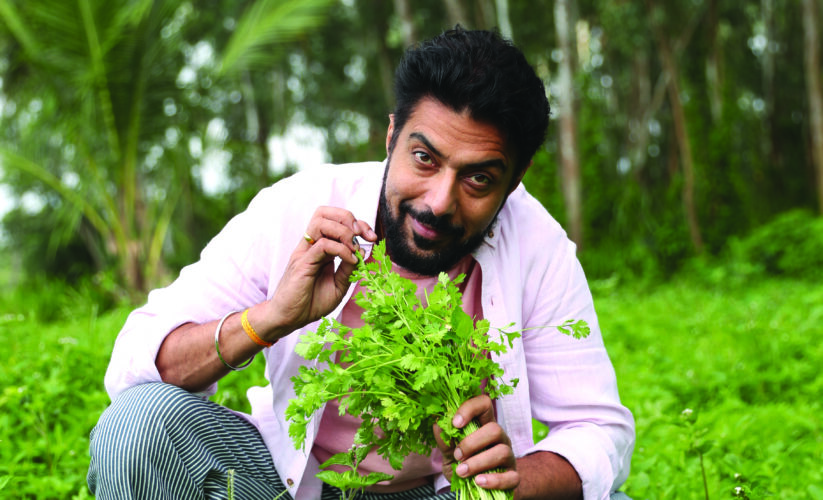
I often say that I didn’t choose Sindhi food—Sindhi food
chose me. Growing up in a Sindhi household, food was never just about eating. It was identity. It was memory. It
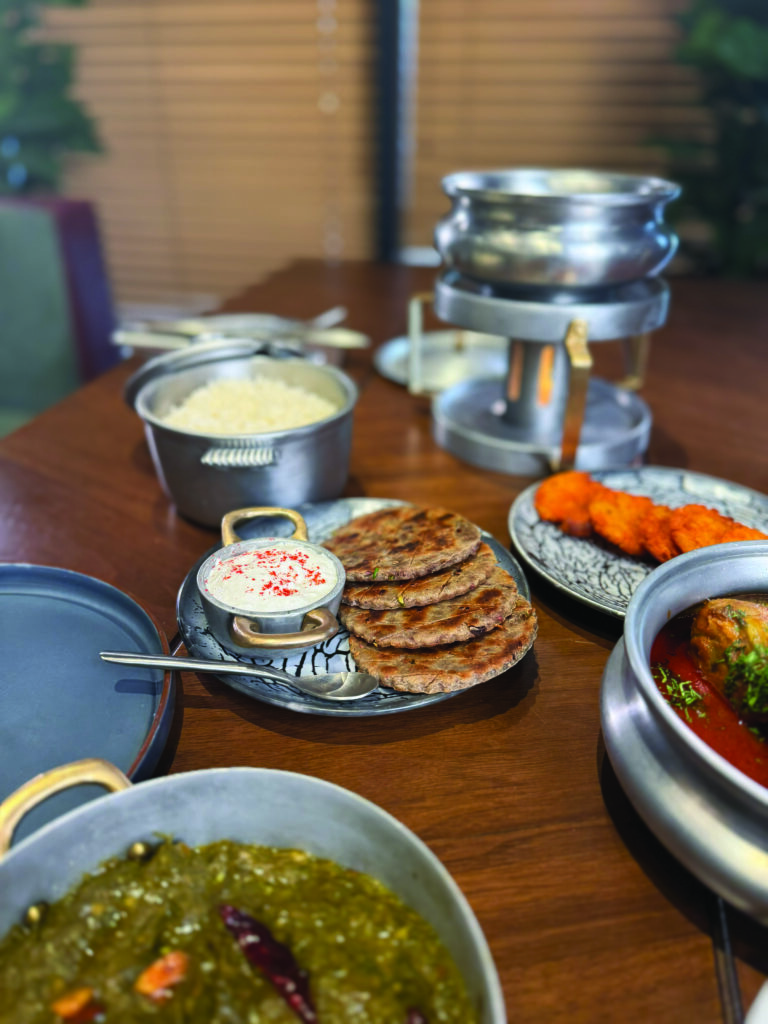
was culture packed into steel dabbas, pressure cookers, pickle jars, and family gatherings. It was the smell of sai bhaji
simmering away on a Sunday afternoon. It was the crackle of
pakwaan being fried for breakfast. It was the unmistakable
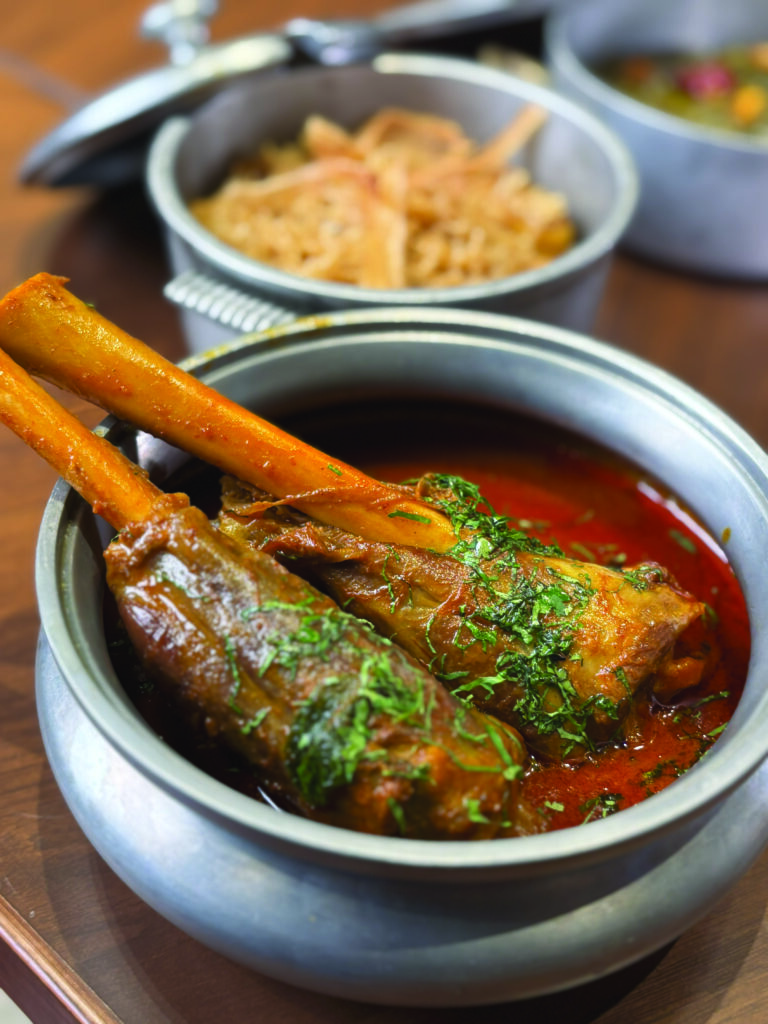
aroma of a slow-cooked Sindhi biryani scented with dried
plums, spices, and generations of wisdom.
Like many Sindhi children, I didn’t fully appreciate it at the time. When you’re young, you often want what everyone
else is having. And burgers, pizzas, and fashionable foods
seem far more exciting than the dishes your grandmother
has spent hours preparing. Yet, as I grew older — and
especially as I became a chef — I began to realize that the food I had taken for granted was unlike anything else in the
world. Sindhi cuisine is one of the most under represented yet
fascinating culinary traditions in India.
Unlike many regional cuisines that are tied to a specific state or geography, Sindhi food carries the story of migration,
resilience, and adaptation. After Partition in 1947, Sindhis were scattered across India and around the world. They lost a
homeland but carried their recipes with them. In many ways,
our cuisine became our passport, our memory bank, and our
connection to where we came from. Perhaps that’s why it
feels so emotional.
Every family has its own version of a dish. Every
household argues over the “correct” way to make koki, kadhi, or bhee. Every wedding, festival, and family gathering
revolves around recipes that have survived decades of change. These dishes are more than food — they are living archives.
Some of my earliest memories are centred around family
meals. Watching my mother and grandmothers cook without
measuring cups. Listening to stories while dough rested on
the counter. Sneaking pieces of fried potatoes (half-fried aloo
tukks) from a pan before they reached the table. The kitchen was where conversations happened, where traditions were
passed down, and where relationships were strengthened.
Food was never separate from family.
As I began travelling the world as a chef, I encountered
extraordinary cuisines and techniques. I cooked in worldclass kitchens, learned from talented chefs, and experienced
ingredients from every corner of the globe. Yet no matter
where I went, I found myself returning to Sindhi flavours.
Not out of nostalgia alone, but because they genuinely
deserve a place in the global culinary conversation.
Sindhi cuisine has everything modern diners are looking for today. It is seasonal, ingredient-driven, deeply rooted in
vegetables, packed with fermentation, pickling, preservation techniques, bold spices, and remarkable balance. Long
before “plant-forward” became a trend, Sindhi kitchens were
celebrating lentils, greens, gourds, lotus stems, and vegetables
in countless forms. Sai bhaji is perhaps one of the world’s great
vegetable dishes, yet very few people outside the community
know it exists.
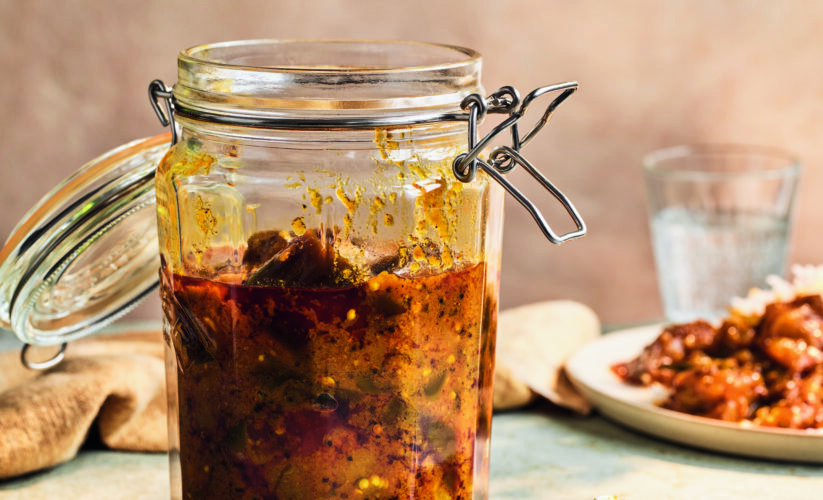
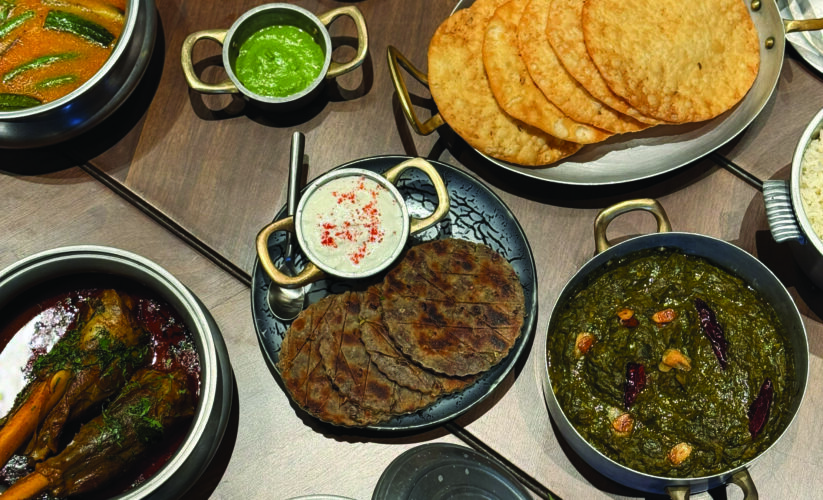
Our pickles are extraordinary. Our breads are unique. Our
rice dishes are layered and complex. Our snacks and street
foods are incredibly diverse. The cuisine offers comfort and
sophistication in equal measure. And yet, it remains largely
invisible.
That realization has shaped much of what I do today. Whether I’m creating menus, writing articles, speaking at
culinary events, filming content, or hosting pop-ups around the
world, I constantly look for ways to bring Sindhi food into the
spotlight. Not by freezing it in time or treating it as a museum
piece, but by allowing it to evolve while respecting its roots.
I believe traditions survive when they are used, not merely
preserved.
That might mean introducing someone in New York to a
Sindhi kebab. It might
mean reimagining koki
through a contemporary
lens. It might mean
showcasing traditional
ingredients alongside
modern techniques. It
might mean telling the
stories behind dishes
that have never been
documented properly.
The goal is never to
modernize for the sake
of being modern. The
goal is to create curiosity. Because once people taste the food,
the cuisine speaks for itself.
What excites me most today is seeing a new generation of
Sindhis becoming interested in their culinary heritage. Young
chefs, home cooks, content creators, and food enthusiasts are
beginning to ask questions. They’re calling grandparents for
recipes. They’re documenting family dishes. They’re sharing
stories online. They’re proudly introducing friends to foods
they may once have considered old-fashioned. That gives me
tremendous hope.
Food traditions survive through participation. Every time
someone cooks a family recipe, teaches a child how to make
koki, prepares sai bhaji for friends, or shares a jar of homemade
pickle, they become part of that preservation process. As chefs,
we spend our lives searching for inspiration. Yet some of
the richest inspiration was waiting for me at home all along.
Hidden in family recipes. Buried in memories. Preserved in
flavours that have travelled across borders and generations. For
me, Sindhi cuisine is no longer simply a regional cuisine. It is a
story of survival. A story of migration.
Every plate carries a memory. Every recipe carries a legacy.
Every meal is a reminder of where we come from and who we
are. That is why I continue to cook it, celebrate it, write about it,
and share it with the world. Because preserving a cuisine is not
only about saving recipes. It is about keeping a culture alive.