What’s on the Posh Plates in 2027?

What will be en vogue and what will fall out
of fashion in the world of luxury dining as
India matures as a market for eating-out?
Food as identity
In an uncertain world that is rapidly changing,
heritage offers firm mooring. Already, the world over, a younger generation is seeking out “authentic” tastes of cultures, even those that they are unfamiliar with.
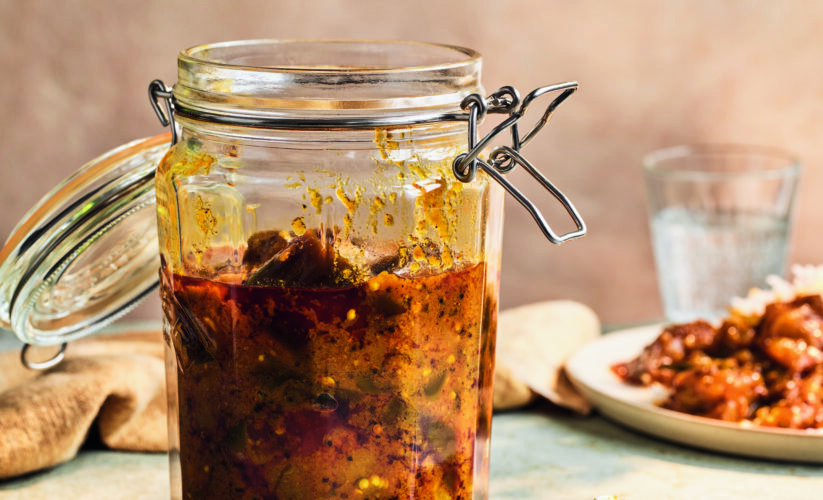
Bold unapologetic flavours, hyper-local ingredients, and cooking that brings back our grandparents’ gilded age
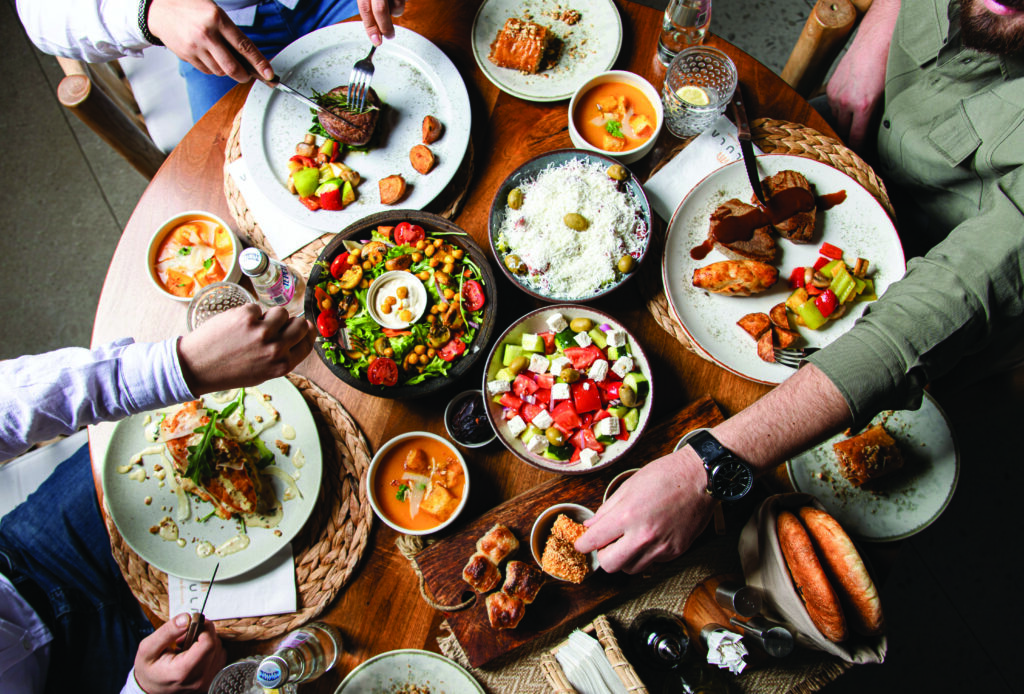
that we often look back on with nostalgia. Gourmet dining particularly in India will be defined by a rediscovery of community and cultural heritage via cuisine rather than restaurant food that simply offers novelty via plating and technique. While the latter is getting democratised, and we can see smaller cities aspiring to such fusion food (though no one
calls it fusion any more) that connotes novelty, in the big more
cosmopolitan metros, people seem to be going back to a discovery
of perfection of the familiar and of food as cultural identity. In
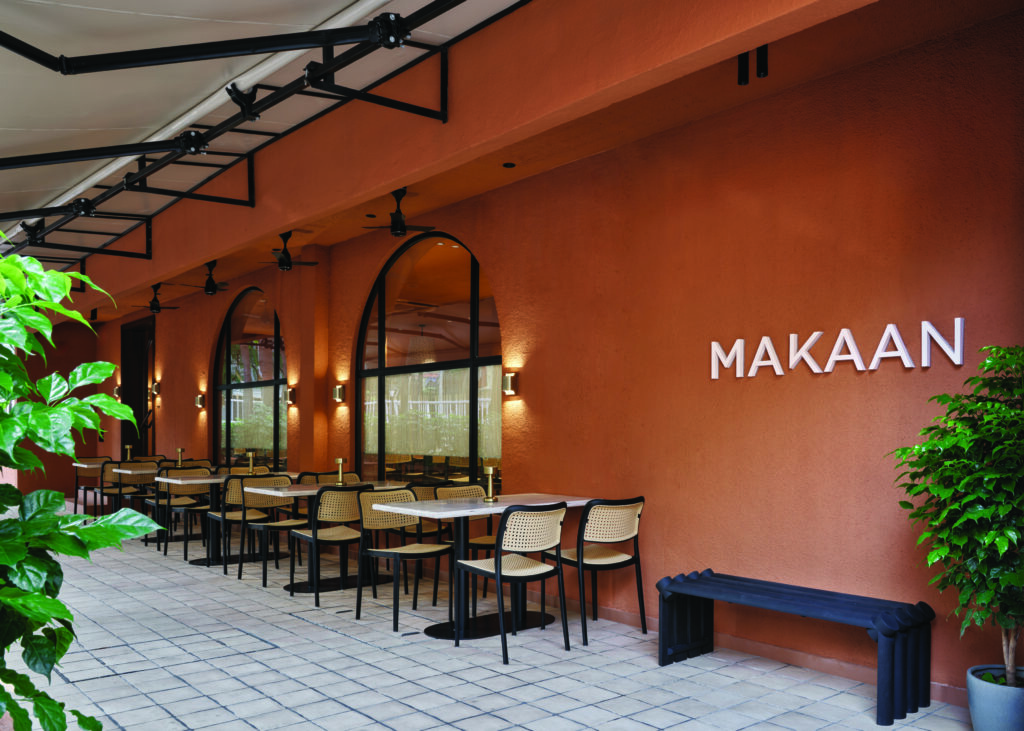
Mumbai, Samyukta Nair, who runs a slew of Michelin-starred
restaurants in global dining capitals, has just opened her first
India venture with Karan Shah who helms the iconic Swati
Snacks, to give us a taste of true Gujarati hospitality in their
Juhu restaurant, Makan. Conceptualised around memories of a
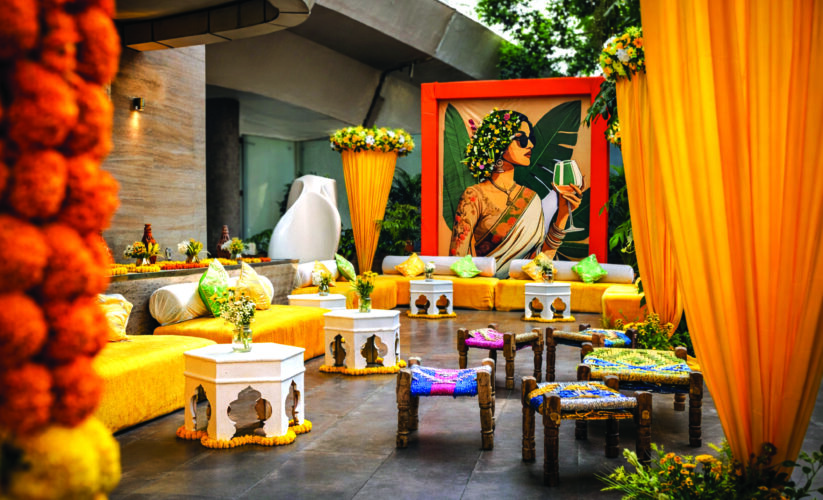
vibrant Gujarati home full of colour and chatter, it is a restaurant
that plates up lesser-known dishes like Locho, the soft, steamed
Surati-special served with butter, spices, sev and onion; Pudla,
a savoury gram-flour pancake; and Vatana Muthiya for today’s
foodies, and brings to fore seasonal ingredients including ponkh
and green toor that are now set to be discovered by a cosmo
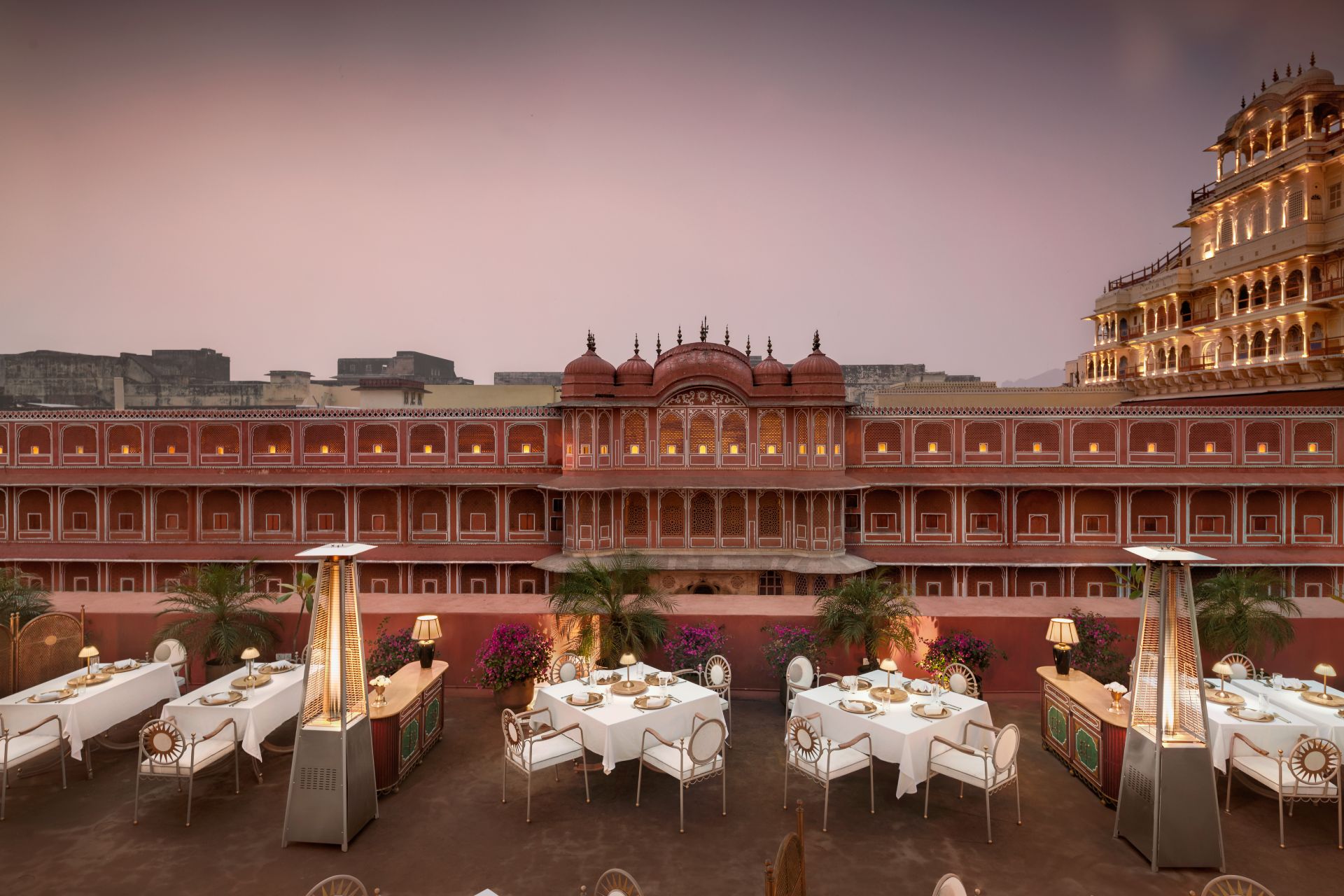
audience. In Jaipur, meanwhile, The Sarvato, sitting atop a
terrace of the City Palace, shows royal Rajput cooking, reviving
some now-forgotten dishes improvised in the kitchens of the Jaipur royal family, using local cooking methods, chillies and ingredients, and plating up wholesomeness that also looks luxe.
No More Tasting Menus, but…
Complicated, over-composed, tiny bites which taste
of nothing much are distinctly falling out of fashion.
For one, people are getting bored of spending two to
three hours on a meal where they can’t even talk to their friends and family much. For another, very few chefs are actually talented enough and “original” enough to pull
off a long meal that is both stellar and able to hold our attention.
But unique experiences that involve dinner with a side of
discovery or novelty will continue to do well— in non- restaurant
settings. Dinners with strangers on a long table by a river, check.
Secret Parisian community candle-lit suppers, where everyone
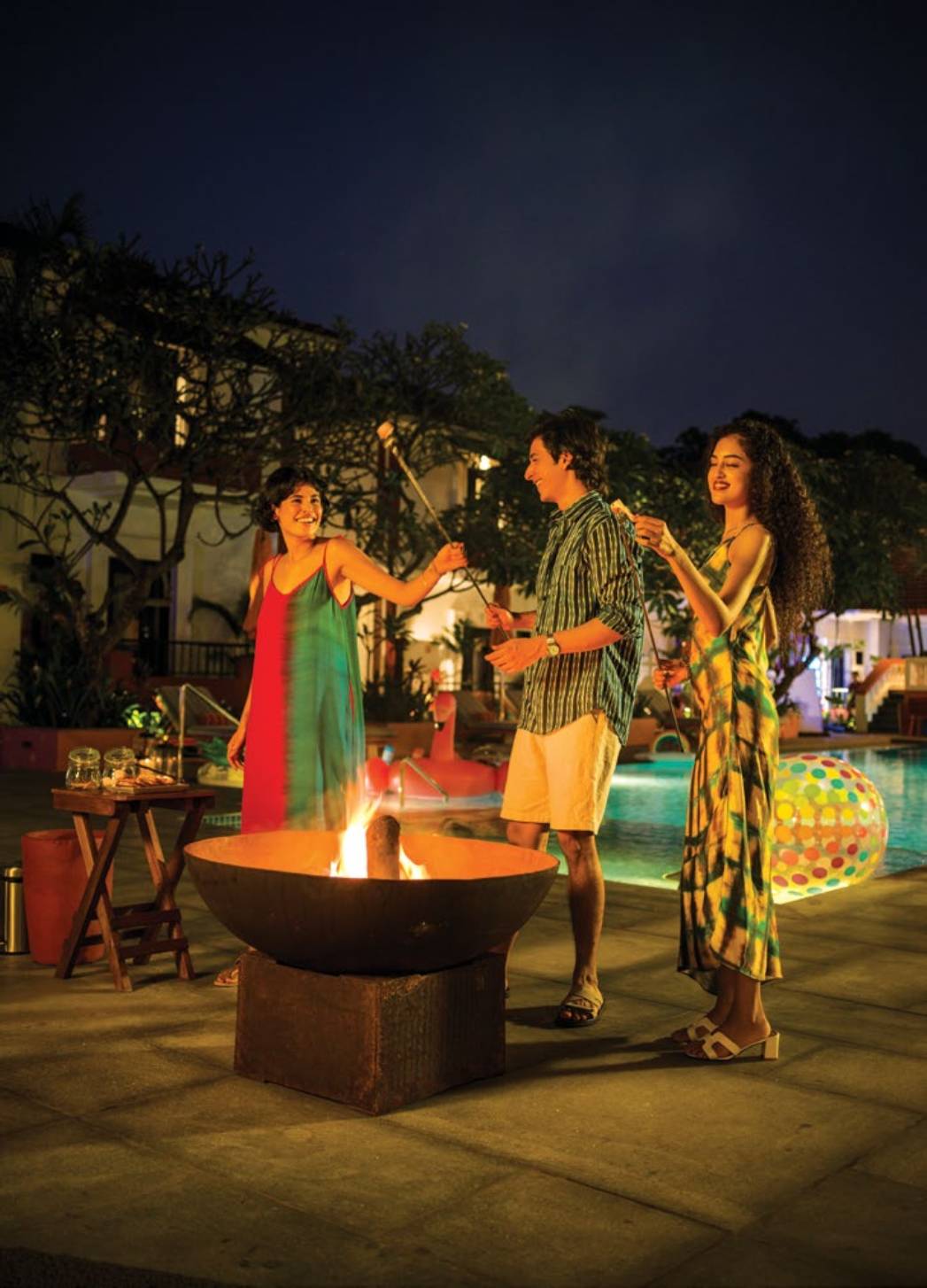
brings along a guest, double check. More pop-ups, thali meetups and supper clubs? Why not? Experiential dining is getting to
be more about community building, with art, fashion and music,
all discovering food as a via media to reach their audiences.
In the event of a chef creating an experience within a
restaurant, it now needs to be multisensory with the bar set very
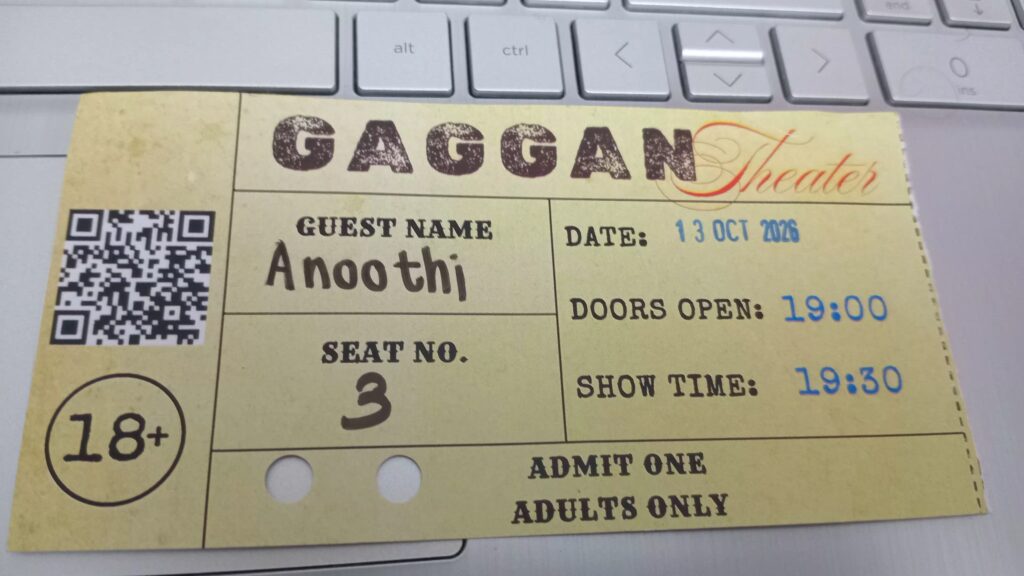
high by our very own Gaggan at his eponymous restaurant
in Bangkok, where you enter, seemingly into a theatre (with
theatre-style tickets), and then are treated to a rock concert of
sorts with food, rock music and Gaggan’s showmanship on full
display, and the kitchen a set, with a sound system that cost Rs
5 crore ostensibly! That you can’t take in your phone, is another
story for our next point.
Fine-dining has changed; phone-dining
should
Top chefs have been decrying this. Small, very
expensive restaurants, with more service staff than diners, and precious morsels of tiny food may not quite work anymore. They did when the world was a less
jittery place, and people boasted about travelling continents for a single meal.
Today, that model seems anachronistic and tone deaf.
Multiple chefs have been saying they want to cook “real” food, for real and more people than prestige-seekers and the
influencer circuit that thinks posting about their latest meal
is a social badge. In fact, chefs are beginning to speak up
against that attention and endless marketing pressures that
come alongside in this paradigm.
In Europe and America, with the cost of living crisis
growing, it also seems tone deaf to flaunt your latest “it”
meal, just as the fashionistas have discovered how vulgar it
is to flaunt any label. True luxury therefore is to not be on
the phone while making your dinner discovery. In 2027, at
least some of India’s most discerning diners seem likely to
discover that—going by the current conversations we hear!
Paddle birthdays, high teas, iced spirulina latte
So, who is going to
all those bars? While
occasion-led drinking of
premium spirits, wines
and exclusive labels continues to
grow, more people are also embracing
no- and low alcohol lifestyles, a huge
shift from the dizzying growth of bars,
and creative mixology post Covid. In
the last year or so, as Gen Z takes over
and millennials move away towards
healthier lifestyles, we are seeing the advent of socialising
that is not aided by alcohol. Paddle birthday parties are a
thing, as are milestone celebrations over sparkling white tea.
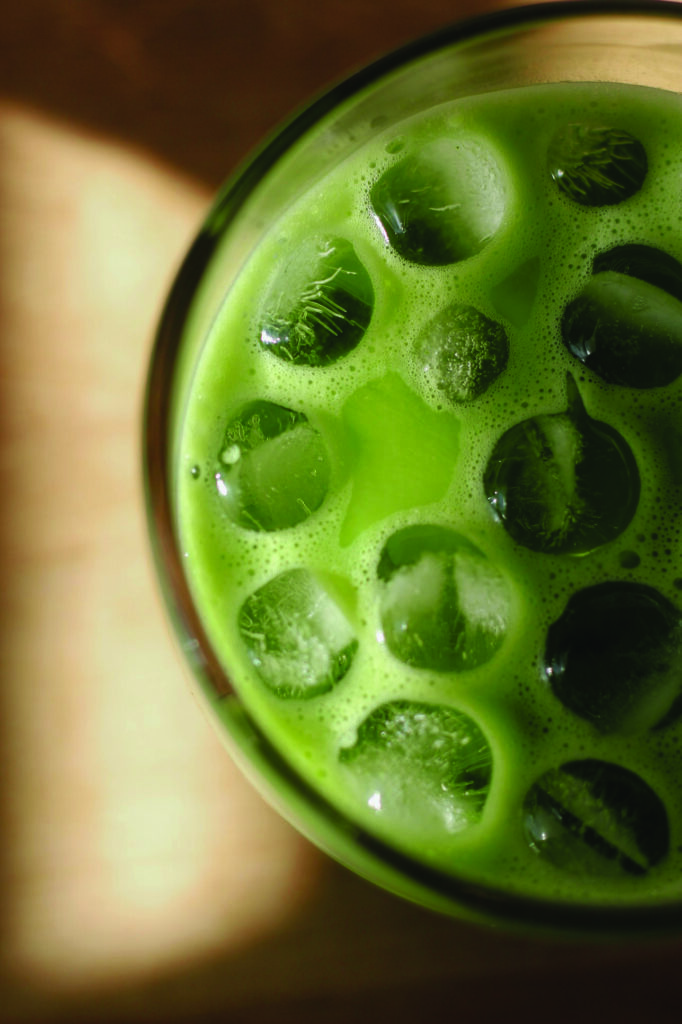
Meanwhile, Gen Z patronises casual bars for coffee, matcha shakes and collagen-rich drinks, post gym, any hour of the
day. An informal survey conducted by TFTA earlier this year
among some café owners found that in many epicentres of
this youthful trend, “matcha cafes” are earning revenues as
much as bars in their heyday. The age of binge drinking is
over, smaller bars with uber premium experiences will do well, if they up their exclusivity factor.
Wellness, with indulgence
But no greenwashing, please. Wellness-driven
indulgence will be what more luxury menus
will focus on. But in India, not at the cost of taste.
People want better quality, cleaner and more
carefully prepared food— but they want it with
tastes they know and appreciate. Think chaat and mithai cafes
where the dairy is from A2 milk of Gir cows from a particular
farm. This is exactly what Delhi-based Meethi, popular for its
mithai with Delhi’s well-heeled HNIs, is doing. It is growing
a chain of mithai shops-cum-cafes that look very chic, are in
expensive, exclusive markets, and offer “real” taste of old
food cultures but with good ingredients. Wellness does not have to be tasteless. It can mean indulgence too.