Luxury is Social

As a new generation of Indian travellers seek
hotels built around cultural authenticity and
experiences, in areas that are lesser known
but still connected to mainstream hubs,
regional hospitality majors who are rapidly
growing are putting hyper-local identities and
cuisines on the map. By
Jai Sreedhar
The current boom in hospitality in India is being
supported by a broadening of the domestic travel
market, rising disposable incomes and significant
improvements in infrastructure and connectivity.
Opportunities in segments such as pilgrimage travel, wellness
retreats and wildlife tourism, alongside conventional leisure
travel, are opening up with domestic tourists preferring
these. Supply, on the other hand, is being fueled by both an
expansion of established hotel chains, and the emergence and
growth of indigenous hospitality brands. This has widened
the range of hospitality propositions available to travelers,
while bringing greater investment, professional management
capabilities and brand-led development into markets that
were previously underserved by organised hospitality. The
next phase of growth will depend on not just adding rooms,
but on developing experiences that are relevant to markets
these new hotels serve.
Operators in India today have acquired a more nuanced
understanding of the Indian traveler, whose expectations
have evolved beyond accommodation to encompass quality, character, authenticity and relevance of the overall
experience. At Rosetta, we are creating destination-led
properties that are distinctive while maintaining the
disciplines and consistency expected of a professionally
managed hospitality business.
A luxury experience around Malnad’s
cuisine and coffee
A destination’s culinary heritage and cultural character are
integral to the identity of a hospitality experience. Luxury
cannot be defined solely by the quality of accommodation or
the precision of service. It must also reflect an understanding
of the place in which the property exists. Food is particularly
significant in this regard. It offers guests an immediate
and meaningful engagement with a region, its ingredients,
traditions and history. There is growing evidence of this shift
in traveller behaviour.
The Skyscanner India Culture Travel Index 2026 found
that 67% of Indian travellers plan holidays around cultural
experiences, including heritage, festivals and food. Further,
43% said they would plan trips around local food experiences.
This indicates that regional cuisine is increasingly influencing
not just what travelers seek during holidays, but also where
they choose to travel.
At Rosetta, our approach is to establish the identity of the destination first and then apply the disciplines of luxury
hospitality to it. As a boutique Indian hospitality brand, we
draw from our roots in South Indian hospitality.
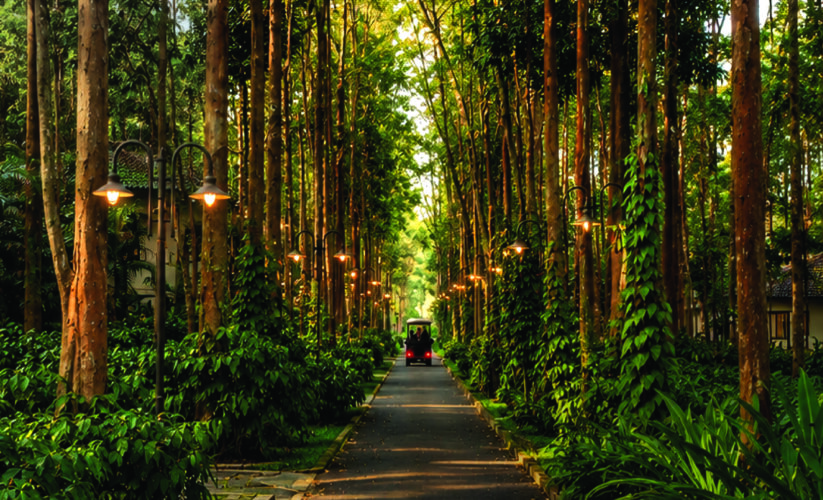
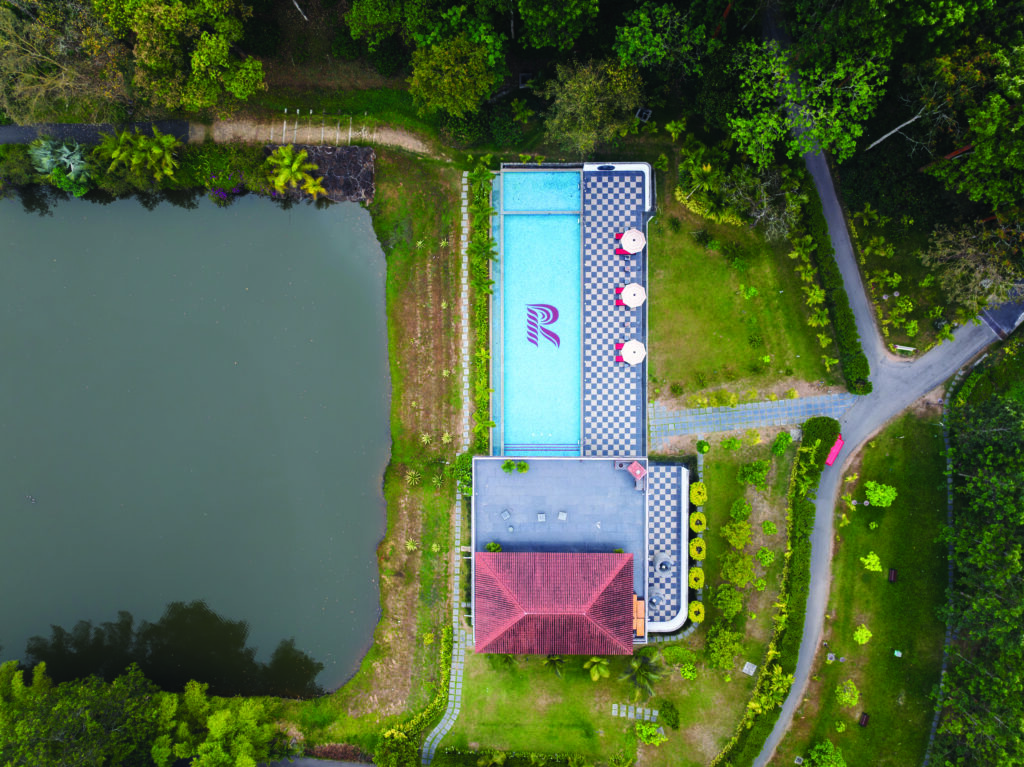
At Rosetta Sakleshpur, for instance, the coffee estate
and culinary traditions of Malnad are central to the identity
of the property. We have sought to create a relationship
between the estate, the surrounding Malnad region, and the
experiences offered within the resort. Coffee grown on the
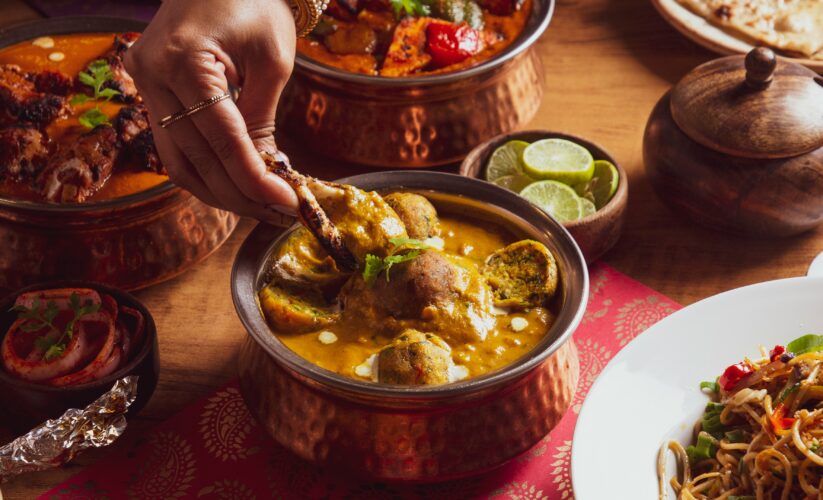
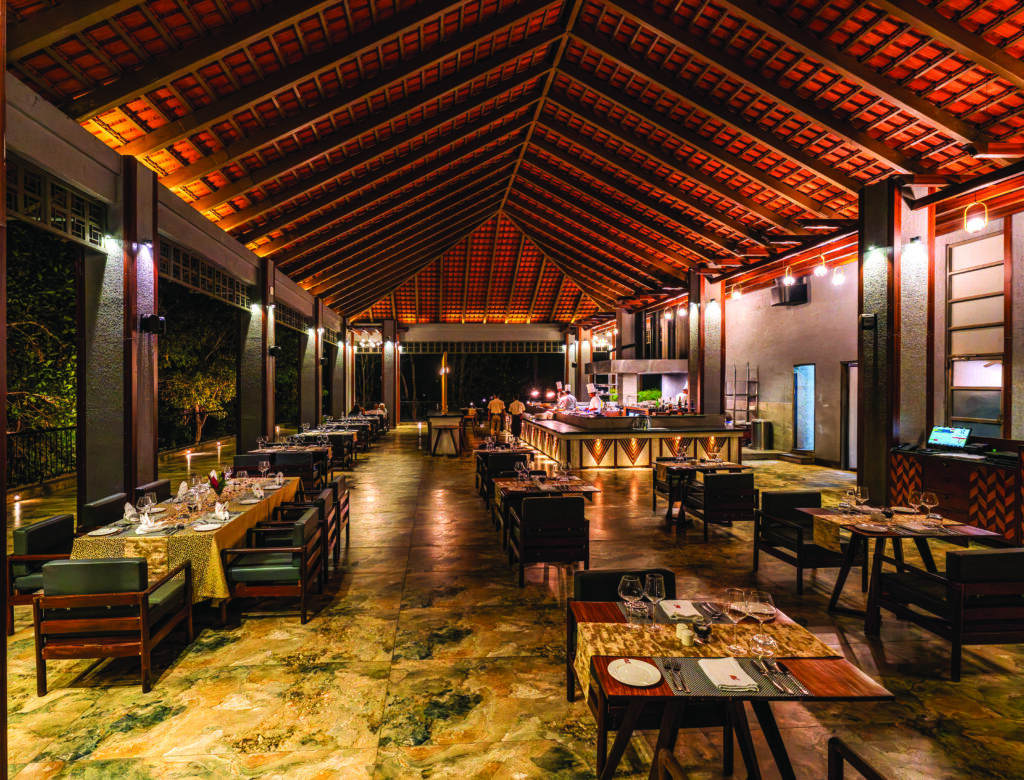
estate is served to guests, while our restaurants have distinct
culinary identities. Teatro – The Estate Kitchen, Merchants
of Spice, Amish – The Botanical Kitchen and Ouzo by Fire
are conceived as individual dining experiences rather than
interchangeable hotel restaurants.
In Goa, the expression is naturally different. At Elements
by Rosetta. the coastal setting, local produce and the
region’s Portuguese inheritance provide a different culinary
vocabulary. Then, through Ouzo Delmar, we also seek to
celebrate the character of beachfront dining in South Goa.
We believe that regional cuisine should be presented with
integrity, while technique, consistency and service make
it accessible to a discerning traveler. The objective is not to
stage-manage locality for effect, but to allow the destination
to find an authentic expression through the experience.
For us, consistency should be reflected in the quality
of hospitality, not in the uniformity of the experience. The
destination must retain its individuality; its ethos. That is the
principle guiding our approach across the portfolio.
The Indian traveler has become more discerning, better
informed and increasingly conscious of the value of
an experience. There is a greater willingness to explore
destinations beyond established leisure centres, and to seek
out experiences that offer a meaningful connection with
nature, culture, cuisine and the local environment.
This shift is particularly evident among younger
travelers, whose choices are increasingly shaped by personal
values and individual interests. Airbnb’s 2026 study on Gen
Z travel in India found that 87% of respondents believe their
travel choices reflect who they are, while 80% place greater
value on small moments during a trip than on visiting well-known attractions. This points to a growing preference for
experiences that allow travelers to engage more meaningfully
with a destination, its culture and its people.
Basic standards of hospitality, including comfort, quality,
cleanliness and attentive service, continue to be essential.
However, these are increasingly treated as fundamental
expectations rather than points of differentiation. Guests
are also looking for hospitality brands to demonstrate a
genuine commitment to environmental responsibility and
engagement with local communities, rather than simply
communicate these as brand values.
Tier II and Tier III markets will be
integral to the next phase of India’s
hospitality growth. Improvements
in infrastructure, particularly the
expansion of the airport network,
better road connectivity and lastmile access, are making several
destinations more accessible to
domestic travellers. At the same time,
the growing interest in pilgrimage
tourism, wellness retreats, wildlife
experiences and nature-led travel
is generating demand in markets
that may not have traditionally been
associated with organised or premium hospitality.
These developments are creating opportunities for
established hotel chains as well as indigenous hospitality
brands to expand beyond the metros. The growth of these
markets is also supported by more geographically distributed
wealth creation and rising consumer aspirations, which are
translating into demand for higher-quality accommodation
and experiences closer to home.
The investment data reinforces this shift. JLL’s October
2026 report indicates that Tier II and Tier III markets accounted
for approximately 60% of hotel transaction volumes in the
first half of 2026. Further, 74% of branded hotel signings
during the period were concentrated in these markets. This
suggests that the movement beyond metropolitan centres is
not merely an emerging trend, but an increasingly significant
part of the sector’s development pipeline.
However, the classification of a market as Tier II or
Tier III is not, in itself, a sufficient basis for investment. We
assess destinations on the strength of their leisure appeal,
accessibility, surrounding catchment, infrastructure,
availability of talent and potential for sustained demand.
The ability to attract multiple segments, including leisure
travelers, corporate groups and social celebrations, is
particularly important for a resort-led business.
At Rosetta, we are interested in destinations that offer a
compelling combination of natural or cultural appeal and proximity to major consumption centres. Our upcoming
property at Kallepura in Chikkaballapura is aligned with
this approach. We are also evaluating opportunities around
Mahabalipuram, Hyderabad and the Nilgiris, with a focus
on substantial land parcels that can support a considered,
integrated hospitality proposition. The opportunity is
considerable, but success will depend on market selection,
disciplined development and an operating model suited to
the realities of each destination.
What’s next on the anvil?
Our next phase of growth is centred on strengthening the
existing portfolio while developing
premium resorts within driving distance
of India’s major metropolitan centres.
We have committed nearly ₹650 crore
towards this expansion, covering the
development of our existing properties
and our upcoming resort at Kallepura
in Chikkaballapura.
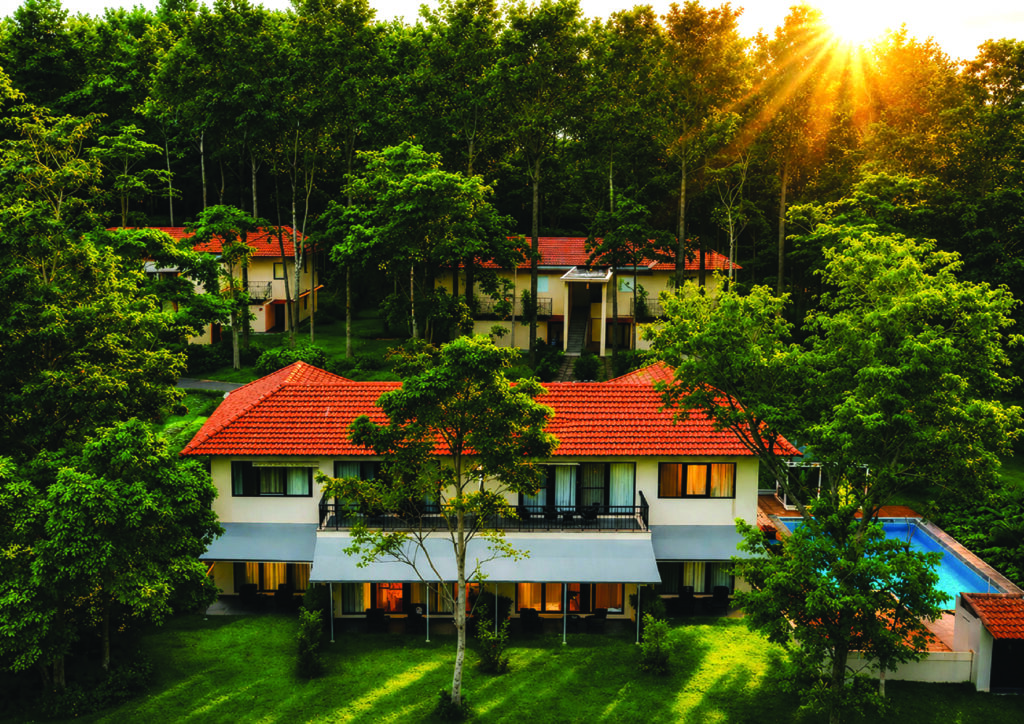
Our upcoming project, Rosetta
Planter’s Reserve within the premises
of Rosetta Sakleshpur, will consist of
30 villas, translating to approximately
90 rooms, along with a 20,000 sq. ft.
convention centre. The property sits
on a 120-acre land parcel, of which
approximately 40 acres have been
developed, providing scope for considered expansion.
At Elements by Rosetta in Goa, Phase II will add 65 suites
and a convention centre. The Kallepura project has also evolved from an initial plan of 80 rooms to a development of
approximately 138–139 rooms.
Our investment commitment is structured through a
combination of promoter contribution, internal approvals
and debt. Of the nearly ₹650 crore, approximately ₹500 crore
is expected to be met through promoter contribution and
internal approvals, with the balance of around ₹150 crore
through debt. We are also exploring a resort-plus-residences
model, which provides an additional avenue for capital efficiency while allowing us to develop larger destination beyond led projects.
Beyond the current pipeline, we are evaluating
opportunities around Mahabalipuram, Hyderabad and the
Nilgiris, particularly land parcels in the range of 80–100 acres
and within driving distance of major metros.
Our choice of locations will continue to be guided by
destination appeal, accessibility, the depth and diversity
of demand, land and development economics, and the
potential to build a sustainable business over the long term.
We are not pursuing expansion for scale alone. Our objective
is to create properties with a clear identity, strong operating
fundamentals and enduring relevance to the markets they
serve