Distil The Desitination

If you are a wine and spirits connoisseur, train your sights beyond Scotland or Kentucky or Champagne. As the market for India-made luxury spirits (and wine) booms, immersive tourism centred around the craft of these is on an upswing too, offering unique experiences and tastes.
By Taniya Sahni
The boom in experiential travel post covid has meant that different people are choosing to engage with different facets of culture as a way to experience destinations. While wine tourism has been a big part of luxury European holidays, and whisky connoisseurs aspire to visiting the world famous homes of malts in Scotland, now, there is a chance to experience such spirited travel within India too as India-made spirits and wines seek to engage with their audiences in closer ways and also get into this unique segment of hospitality and leisure travel.
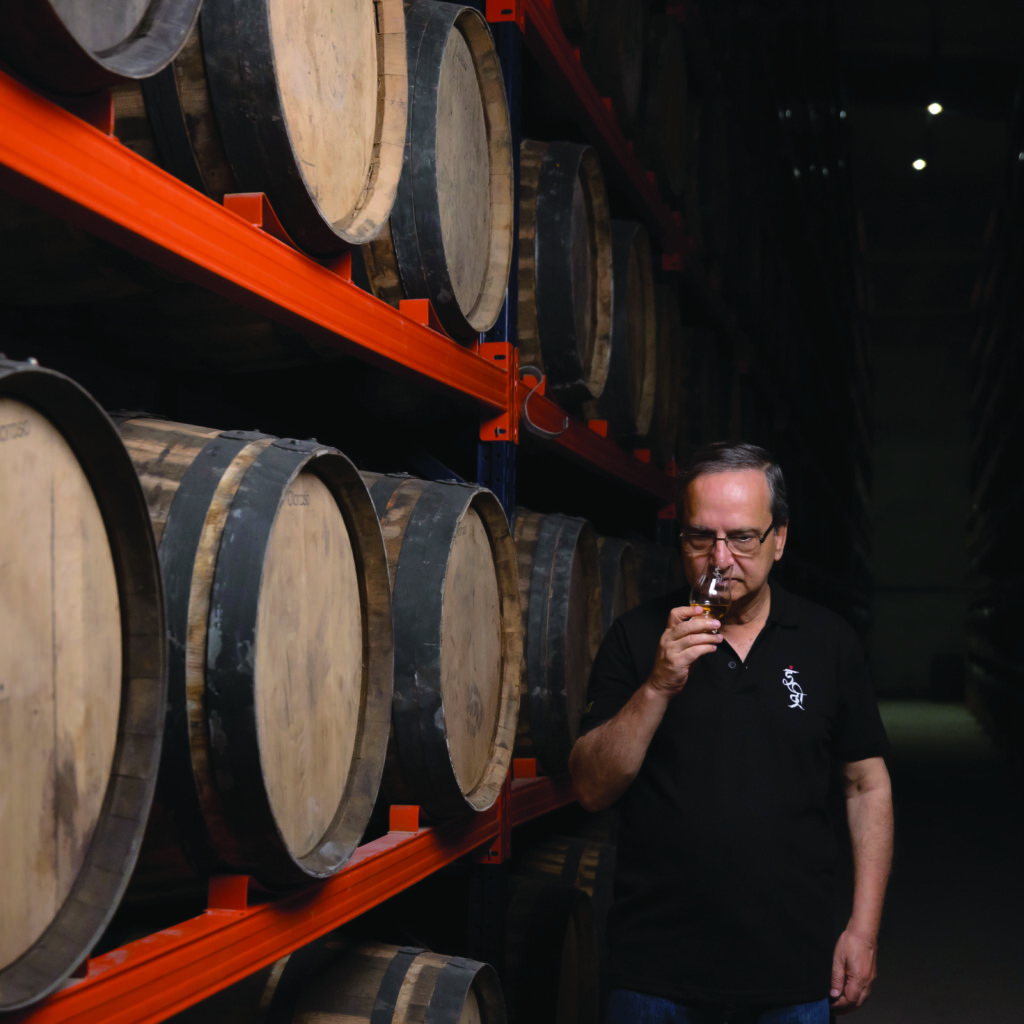
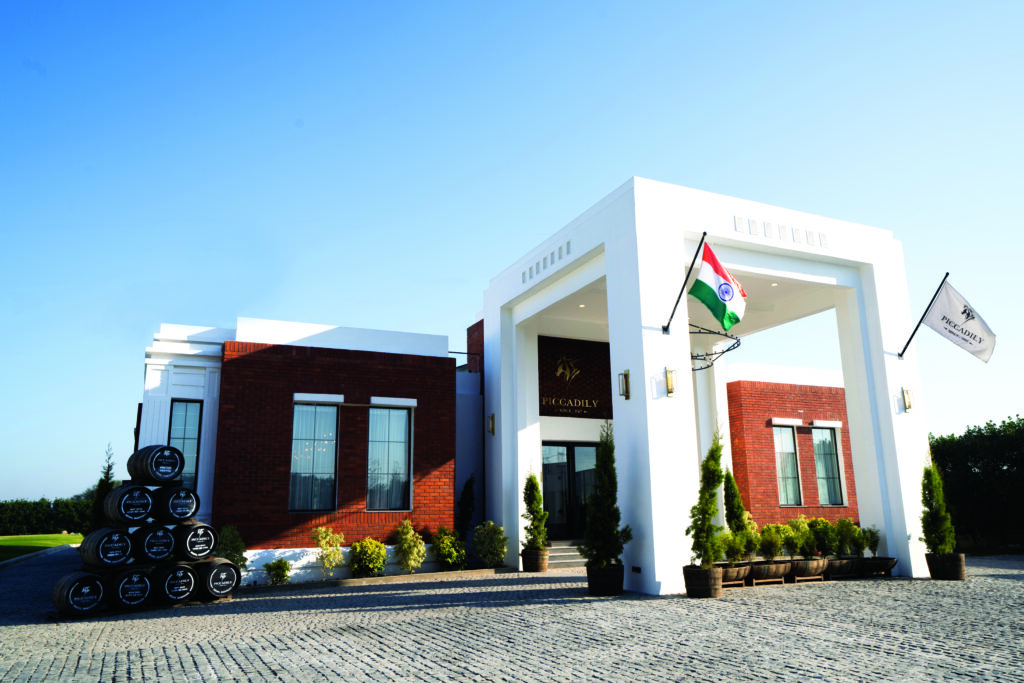
Nestled amid the greens along side the historic Grand Trunk Road, in Haryana, the new Indri experience centre by Piccadilly Agro Industries in Indri, Haryana, is a convenient drive from Delhi-NCR and yet removed enough to feel like a true escape. It reframes travel beyond mountain minimalism, or water-edge getaways, and instead invites you to gather some first-hand knowledge instead on the craft of whisky. The 168-acre integrated facility takes you through every stage of whisky-making, from fermentation to bottling— an immersive journey into the “science and art of Indian single malts”, as Shalini Sharma, Head of Marketing, Piccadily Agro Industries, says. Whisky-making has been turned into a sensory narrative as visitors walk through warehouses with over 75,000 barrels, discovering how the region’s extreme temperatures, from 0°C winters to 50°C summers, accelerate ageing and deepen the flavour of their sips—and therefore how the India-made spirit and culture is different from the one in Scotland, or even Japan.
Sharma says that the audience visiting the centre at Indri reflects a broader shift in Indian travel itself: whisky enthusiasts and connoisseurs are curious to understand what sets Indian single malts apart and this is combined with a quest for curated, high-quality experiences that go beyond traditional hospitality. Travel is no longer just about destinations but about depth of engagement, as Sharma adds. Across India, this shift is playing out in different forms as wine and spirit makers invite enthusiasts to sip, savour and travel. At Indri, the experience unfolds through a series of spaces — from a grand courtyard entrance to intimate tasting rooms and museum-style exhibits – mirroring the rhythm of whisky-making itself. The architecture is inspired by north Indian havelis, features courtyards and has a nod to local architecture and craft including in the use of reclaimed Nanakshahi bricks, and natural ventilation. It is a space that feels both rooted and refined, transforming the distillery into a destination. This, points out Sharma, is a deliberate attempt to move away from transactional tourism towards something that feels more authentic and immersive.
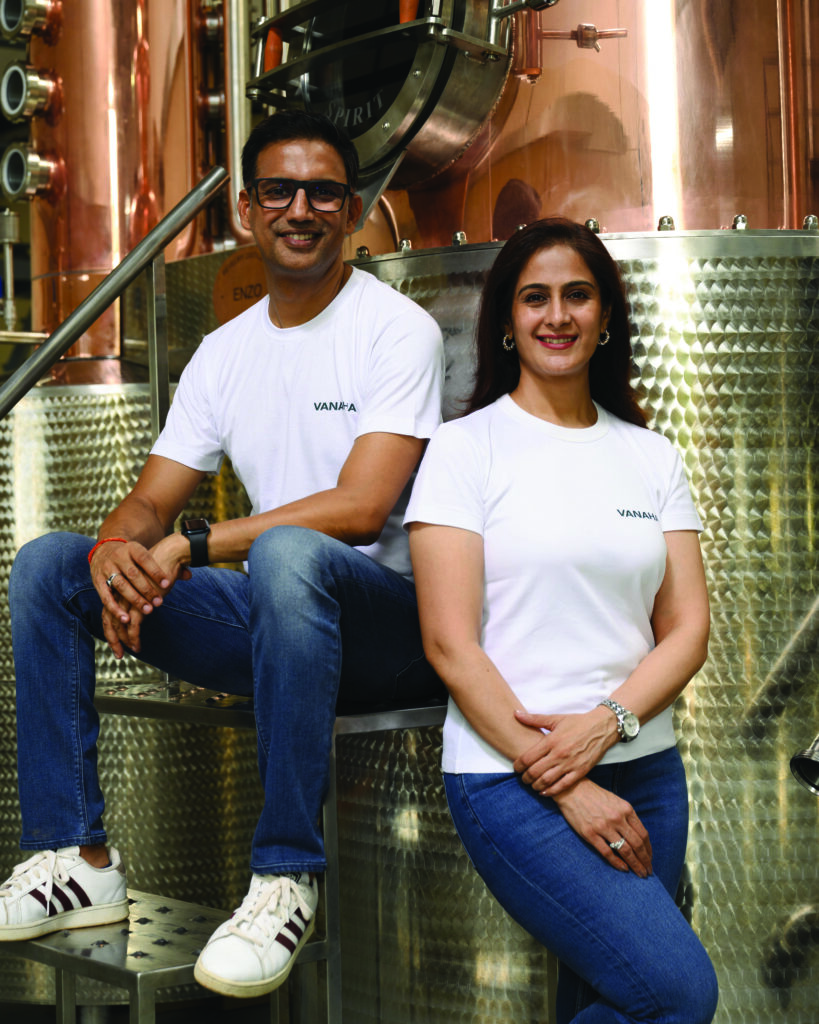
Revelry Distillery, Goa
Cultural travel booms
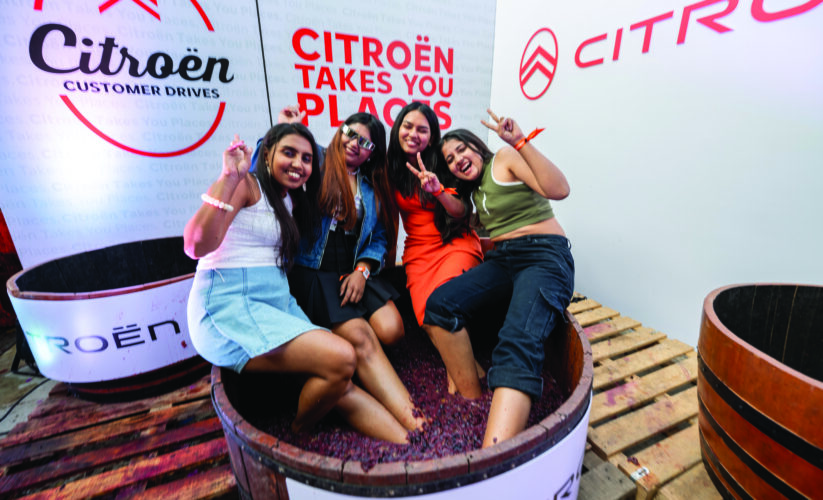
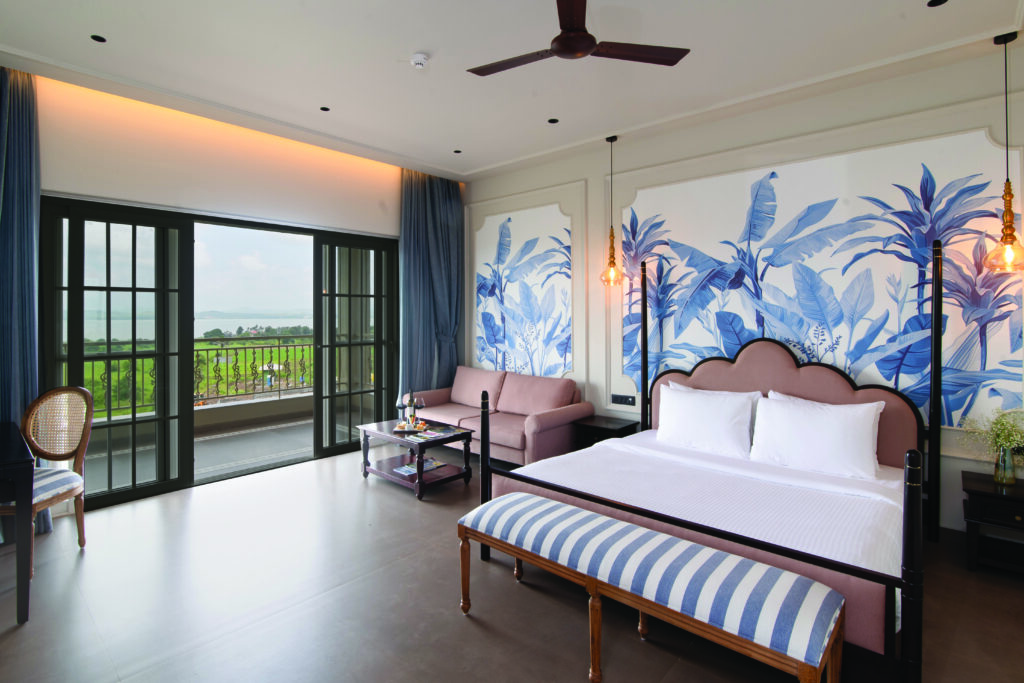
As the desire for authentic experiences takes over global travel, distillery and winery tourism has been on an upswing globally. The global whisky tourism market is projected to reach USD 36.30 billion by 2030, growing at a CAGR of 9.9 per cent from 2024 to 2030, according to a report by Grand View Research a few years ago. In India, one of the biggest and oldest of the alcobev majors in the country, Sula Vineyards, has been successfully growing its hospitality arm that has emerged as a separate and profitable vertical in its own right for the wine makers. The company has just opened its third resort, The Haven by Sula, set along the tranquil Gangapur Lake with the Sahyadri hills as a backdrop. “With an average daily footfall of approximately 1,000 visitors we are targeting a 4–5% conversion into overnight stays,” says Monit Dhavale, Head of Hospitality. The strategy hinges on organic touchpoints, from vineyard tours to sunset experiences that encourage guests to extend their visit. “We are already seeing a shift from short, transactional visits to more immersive, experience-led stays,” says Dhavale. With over 350,000 annual visitors, the ecosystem — from festivals to boutique stays — is encouraging repeat engagement and deeper exploration. Dhavale feels it is these curated experiences that ultimately drive bookings rather than just a stay itself.
At Indri, the visitor journey too offers a meticulously curated experience. From guided tours that demystify
whisky-making by weaving in storytelling with technical insights, to the tastings, there are different touchpoints to engender engagement. The centrepiece is a moody whisky lounge layered with warm wood, leather seating and brass accents, designed for slow, unhurried conversations over craft. Shalini Sharma describes the experience as structured yet fluid, educational without being overwhelming to ensure both first-time visitors and seasoned enthusiasts find equal value. Designed to evolve, the experience hopes to keen its audience engaged through seasonal variations, limited releases and curated tastings.
The urban weekend traveller seeking unique activities and getaways is a growing segment driving this trend. The Haven for instance attracts a mix of weekending couples and small groups apart from its larger groups checking in for corporate offsites or celebrations. “Our guests spend 13–15% more than day visitors, engaging more deeply across tastings, dining, and retail”, says Dhavale, who adds that the occupancy target is 75 per cent year-round, even thiugh demand typically peaks in winter and over long weekends.
Mindfulness about the craft
As Indian consumer behaviour reflects a clear shift towards “drinking better, not more”, communicating the element of craft in making any lifestyle drink becomes important. According to Sharma, Indian single malts are growing at over 20 per cent annually, which is nearly twice the pace of imported Scotch. Experiences designed to communicate the idea of homegrown quality and help with an evolution of palates are naturally key. Tastings, masterclasses, and distillery visits are the primary touchpoints: “When consumers are able to taste, understand flavour profiles and hear the story, it significantly deepens their connection,” says Sharma. Other distilleries and other spirits are also showcasing their stories similarly.
Revelry Distillery in Goa’s Sattari region, that produces Vanaha gin also seeks to show the intimacy of its craft- led approach via visits to the production centre itself. The artisanal gin, inspired by the forest draws from a medley of Indian botanicals: palash, mulberry and patchouli, bringing a distinct sense of place into the glass. Founder Vaniitha Jaiin sees distillery tourism as a way to move the relationship with a spirit beyond the glass. At Revelry, visitors are invited into the process — engaging with ingredients, techniques, and the discipline behind the final product. “It is no longer enough for a product to taste good; there is a genuine interest in how that outcome is achieved,” says Jaiin. With Vanaha positioned as a slow-sipping, contemplative spirit, the goal is not just to sell a product but to influence how it is experienced. “Once people understand the effort, they approach it differently. It becomes less about quick consumption and more about taking the time.” While tourism may not yet be the primary revenue driver for craft distilleries, its long-term value is clear: building informed consumers, stronger brand recall, and deeper emotional connection. It is not designed for hurried consumption, but for slow, deliberate engagement, mirroring the way travellers are beginning to experience destinations.