The future of Indian Restaurants

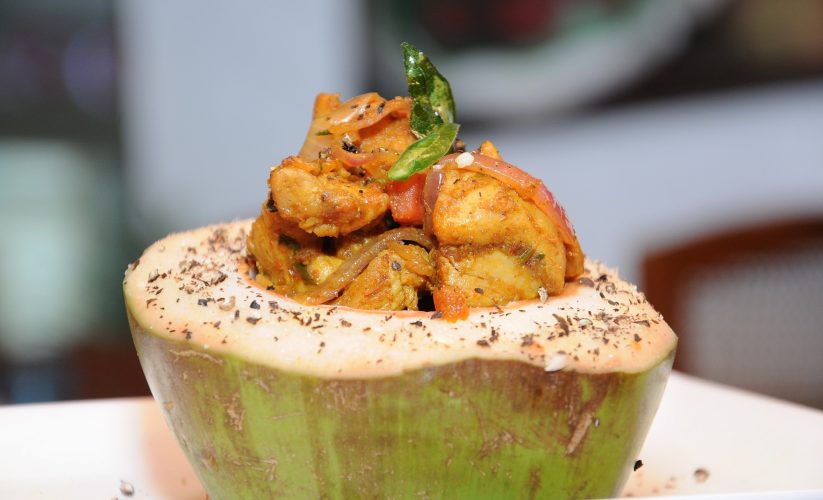
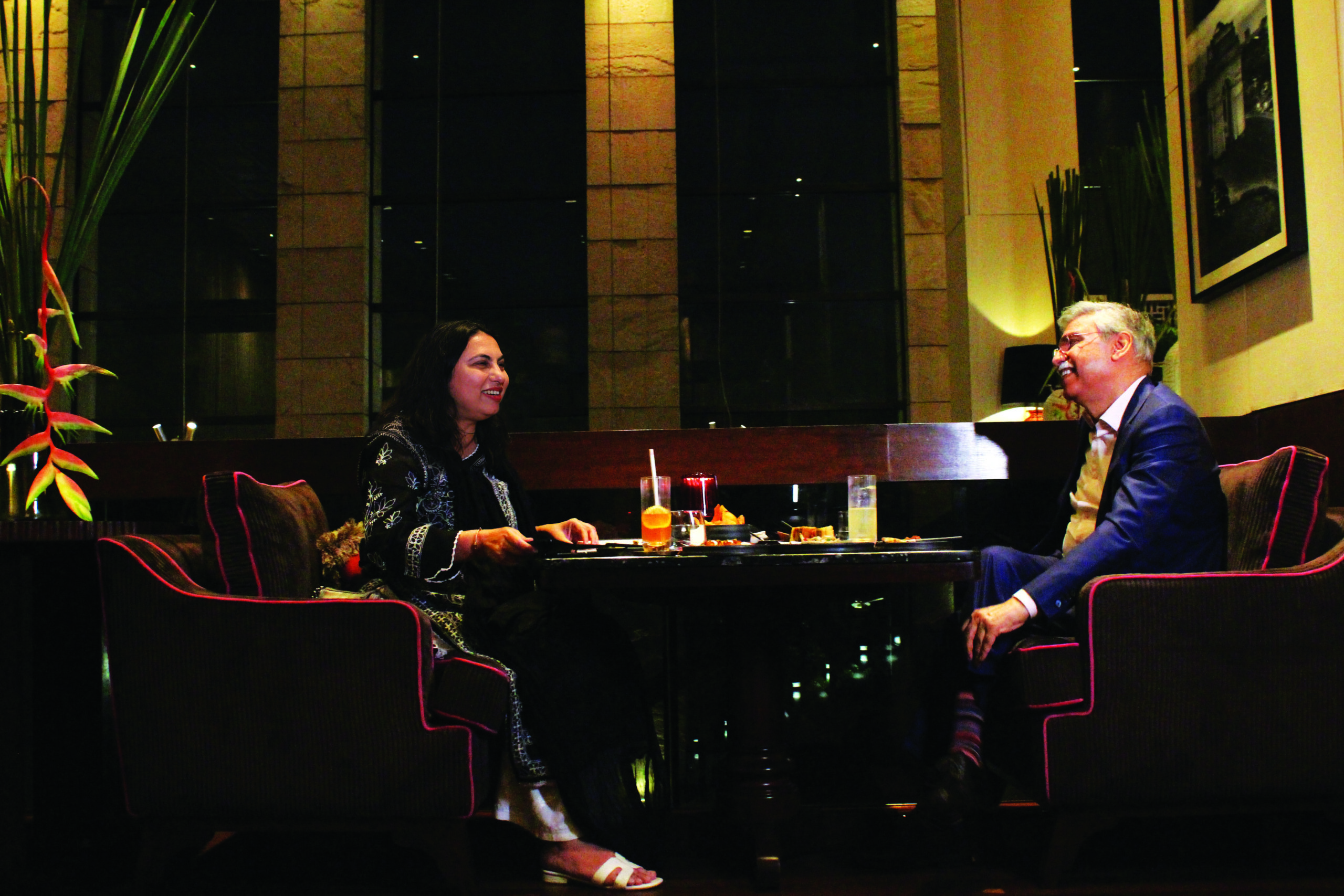
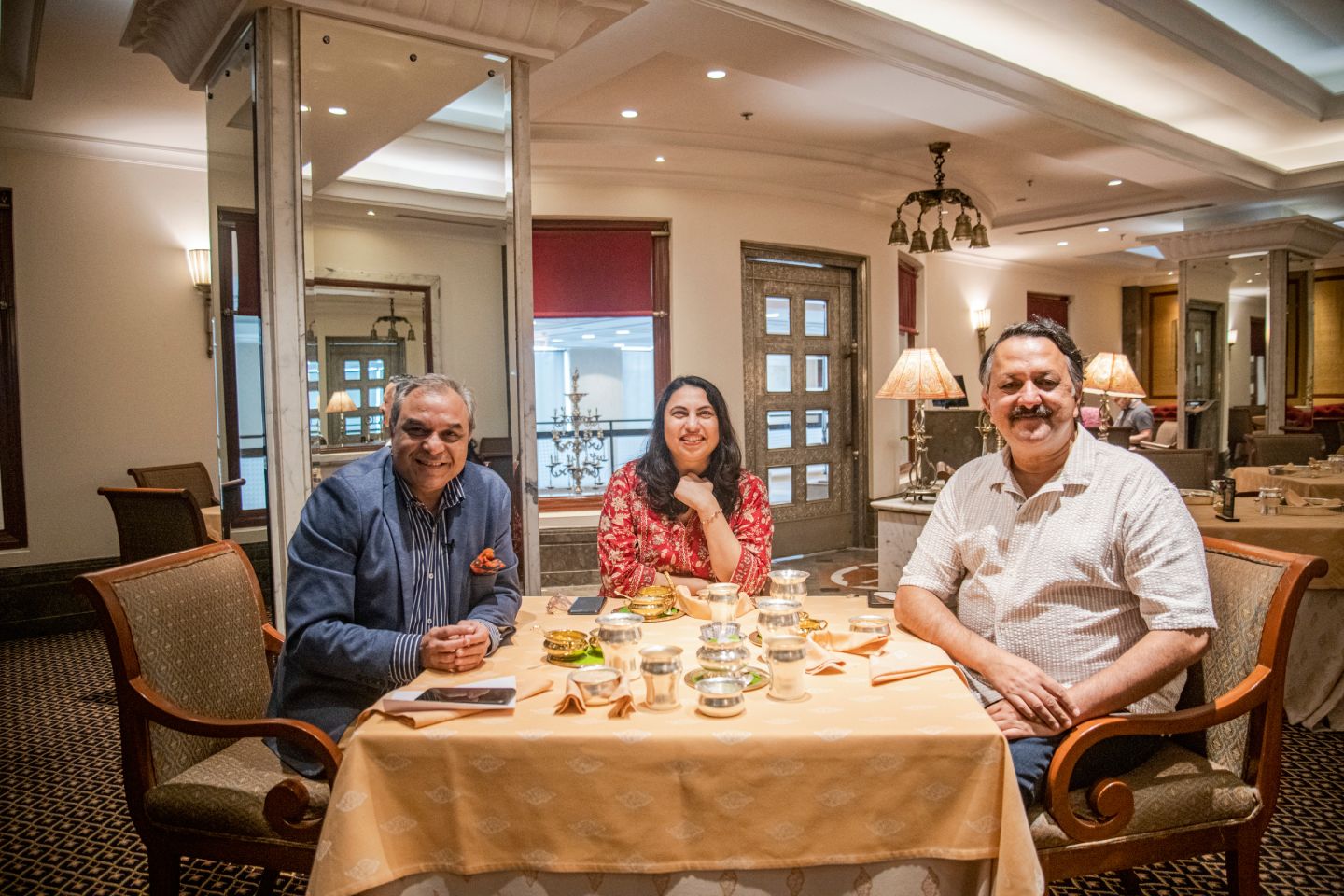
It’s a bright blue day around the Autumn Equinox, unblemished by Delhi’s pollution, as yet a few months away. We stroll into Dakshin, the traditional south Indian restaurant at the Sheraton in Saket, New Delhi. Over crunchy yera, fried prawn sprinkled with curry leaf, a fiery chapala pulusu, the famous Andhra-style fish preparation, a kodi biryani with chicken, my favourite elaneer payasam with the jelly-like tender coconut, not to mention the fabled “meter coffee” of southern India, masterfully poured from one steel tumbler into another, frothy, but never spilling over in its meter-long back-and-forth, we sit down to what is going to be a delightful, no-holds-barred, and candid conversation. So candid, dear reader, that I will have to edit out portions! But even so, I hope the joie de vivre is perceptible, and the insights prescient.
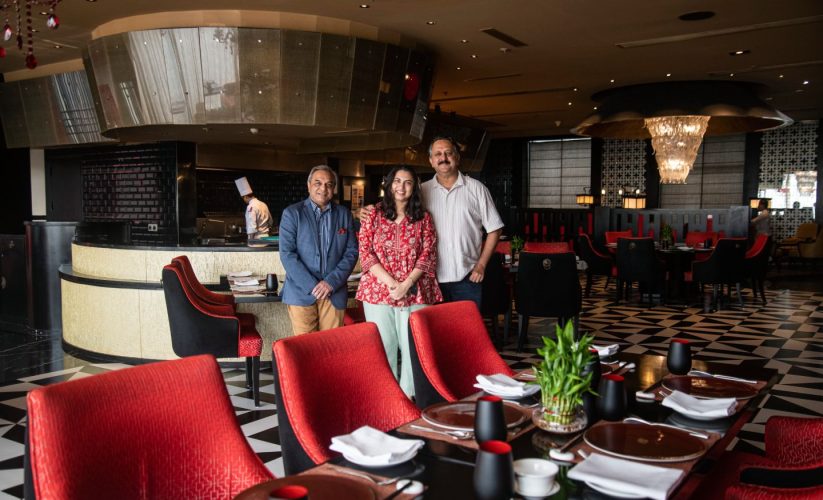
My guests at our power lunch are Rohit Khattar, Founder and Chairman EHV International and Anil Chadha, MD, ITC hotels, who need no introduction — to anyone even remotely interested in Indian food. As custodians of India’s most successful restaurants—Bukhara, Indian Accent, Comorin, Dumpukht and more — here are business leaders who command automatic respect and attention in any circle of foodies or foodpreneurs.
If they happen to be dining socially, trying to go incognito (a tall order), there is always likely a chef or manager who’ll spot them, pay respects, offer to comp the meal or champagne! Such incidents are aplenty; my guests and I have been chuckling over a few. But these are being recalled only in passing as I broach the influence their respective restaurants have had upon Indian gastronomy: Far beyond lists and awards, or even financial success. (Both Indian Accent and Bukhara are amongst the top earning upscale/luxury Indian restaurants.)
EHV International and ITC hotels run coveted training programmes for chefs and manager, which fuel the talent in their restaurants. But it is the alumni of these marquee and longstanding restaurants —Bukhara turned 45 last year, while Indian Accent celebrated its 15th birthday– that has been floating around India’s foodscape and defining the journey of our restaurants not just in Delhi, Mumbai and Bengaluru or Goa but even in Dubai, New York, and Singapore. This mentorship of talent to my mind is the biggest contribution of my two guests to their industry and to the world of food.
Balancing sheets and chefs
The Iyer trolley rolls in, dolling out little dosai, the antithesis to “crisp” north Indian imaginations. Restaurants are as much about catering to customers as about staying true to concept, and hoping the diner plays and pays along. The tightrope between creativity and commerce is tough to navigate and a big reason why restaurants open and shut with alacrity, concepts get diluted and changed and businesses are left bleeding.
How do Chadha and Khattar balance the balance sheet with demands from their chefs?
“I have told the purchase manager at Bukhara that if he (chef JP, Bukhara’s presiding deity and India’s number one tandoor maestro) does not get the right lamb (from Jaipur, the vendor has remained unchanged for four decades, as has the weight of each raan), it is your problem. I don’t want him struggling, I want him playing on the field. You have to respect the chef’s job, I can’t keep standing for hours at a stretch before a hot tandoor, restaurants need consistency and it is very tough to do their work; a home cook can have an off day but not in a restaurant,” points out Chadha, even as he remembers the chefs of (g)olden times.
“Who dusri mitti se bane the (they were made from a different earth)”, he recalls of the late Imtiaz Quereshi, one of India’s most legendary chefs, behind the highly stylised Awadhi gastronomy of Dumpukht. “People would come with cheques for signing amounts but he would turn them away, he was so loyal to the restaurant and company.”
I have heard similar stories from chef Manish Mehrotra, who helmed Indian Accent since Khattar started it in 2009, till last year when he quit the top job after spending 24 years with the company, at the height of his own and Indian Accent’s success. “I used to get weekly offers from different investors and restaurateurs,” Mehrotra had remarked in an earlier chat. How did Khattar, as a restaurateur, tackle this, especially in an age when staff poaching is common and loyalty tough to get?
Apart from personal equations and people’s skills that restaurateurs must unquestionably have to lead a team, Khattar has been a front-runner and champion in ensuring that employees are treated fairly and get tangible takeaways from any financial success the restaurant company enjoys. (In fact, many years ago, a chef had told me about a story of how he gifted a car to a staff member when he found the later commuting with hardship– though Khattar himself had laughed off the story.)
“We have ESOPs and every few years, all the chefs who have spent a certain amount of time with us get a percentage of the company’s valuation”, he tells us. “Today, youngsters are impulsive, if a senior chef scolds them, they want to quit immediately. But at our school, we only choose a fraction of the applicants (27 from a 1000) to train over four years, and because we are investing that time in them, we tell them and their parents to commit to us too and sign a contract for that period.” Personality and temperament are more important than skill, Khattar believes, and new entrants are chosen in basis that “because you can learn skill but not personality.”
Traditional vs Tasting, what diners want and which cities spend the most
We are dining at an interesting time professionally for both my guests.
Rohit Khattar’s EHV International is on an unprecedented expansion curve for any Indian restaurant company. The big news is that this year, a fourth Indian Accent is to come up “at an international location” (after Delhi, Mumbai and New York), as well as five Comorins, four Hosas, Six Firebacks, five Chor Bizarres and five American Diners in India and abroad in the next two years. A cash rich, debt free company with friendly investments by the likes of industrialist Anand Mahindra have given EHV the financial heft to embark on a course which will likely render it the biggest upscale/luxury restaurant company in the next two years. But the definition of what luxury dining is itself changing.
As we sip on the frothy coffee, we discuss what today’s consumers want and which cities are spending the most.
For Anil Chadha, the time is right too to think deep on these subjects. After the demerger from its parent company, ITC Hotels can now embark on its next phase of growth with access to equity/debt markets for funding future growth. While the company, as it shapes up to become an investor- friendly premium hospitality stock, has announced an “asset right” model, restaurants and F&B are likely to play a big role in both brand building and revenue accruing, under Chadha’s stewardship—he after all started off in food and beverage service and has been the driving force behind a brand like Avartana, which contemporarises ITC’s (and Dakshin’s) research into southern Indian food, via presentation and techniques.
If Avartana and the new Cajsa at the ITC Gardenia in Bengaluru (it opened in October 2024) are restaurants that move away from “traditional” — ITC’s forte, including via small plates and stylish, degustation menus, Khattar, whose Indian Accent has been a torch bearer for this sort of gastronomy in India, is in fact on an opposite path—with all his new restaurants focussed on more casual dining, no tasting menus, where the bar with innovation plays a big role, and the food, even if inventive, is brought out with the ease of a neighbourhood restaurant. Importantly, price points are more affordable than luxe.
“That boat has sailed, the days of fine dining are numbered, and there are only a few cities in India that can sustain a true fine dine with a repeat clientele. More casual formats with Rs 1500-2000 per person meals are what people are seeking,” says Khattar, who does not think that he can open Indian Accent in another Indian city than Delhi or Mumbai because of a lack of depth in the market elsewhere. Even Mumbai pays lesser than Delhi, both veterans agree, and cash rich markets in India in fact include those like Ludhiana and Chandigarh in Punjab.
“Small towns have always understood luxury”, says Chadha.
The strategy at ITC is to have both: the stylised contemporariness and the traditional. “I can have both Dakshin and Avartana”, says Chadha, as he points out that for hotels everyone is competition, including the mall restaurant. “You people broke that five-star vs standalone perception divide a long time ago”, he laughs and compliments Khattar.
The gleaming Dakshin thali full of authentic tastes of peninsular India is amongst my favourite traditional meals in the country. It helps that the restaurant boasts of unparalleled research from the time it first opened in Chennai in 1989, with its team delving into the tomes at the Saraswati Mahal Library in Thanjuvar as much as into home kitchens of paatis.
Similarly, at Khattar’s Fireback in Goa, arguably the best and most underrated Thai food restaurant in India at the moment, the research that chef David Thompson, globally feted including for his collection of funeral books that often contain old family recipes, brings to the kitchen is unparalleled.
Whatever be the format—casual, fun, stylish, degustation, it is this rigour and nuance in cuisine that distinguishes a high-quality restaurant from copy cats. And it is a distinction that the two leaders at the table know well, even as we end with “humari industry difficult hai” and “kaise karte ho yeh sab?” over the wistfulness of elaneer payasam...